
Healing isn’t about becoming perfect; it’s about becoming honest with ourselves and embracing our true feelings. In my experience, this honesty is what truly fosters growth and transformation.
Table of Contents
Understanding Healing: A Journey, Not a Destination
The Concept of Healing
When I think of healing, I envision a winding road filled with ups and downs, rather than a straight path to some ideal destination. Healing is not just about getting rid of pain or fixing what’s broken; it’s an ongoing journey of self-discovery and acceptance. Each of us has our own unique experiences and challenges, and understanding that healing looks different for everyone is crucial. I remember when I began my own healing journey; I thought that once I addressed my issues, everything would fall into place. But what I learned is that healing is multifaceted, often requiring me to revisit old wounds, embrace new perspectives, and gradually learn to live with my complexities. Healing is when you stop seeking revenge and start focusing on your own journey.
Common Misconceptions about Healing
One of the biggest misconceptions I encountered was the idea that healing equates to perfection. Many of us grow up with the belief that we should be “fixed” or “whole” once we’ve healed from a traumatic experience. I used to feel pressure to present a polished version of myself, as if appearing strong and unaffected was the ultimate goal. But I soon realized that this approach only led to more frustration and disappointment. Healing isn’t about erasing scars; it’s about acknowledging their existence and understanding their impact on our lives. I think we often forget that even in our “healed” state, we will still have moments of struggle and vulnerability. It’s okay to not have everything figured out, and embracing that uncertainty is where the real healing begins.
The Importance of Honesty in Healing
SBAG_IMG_69835bdbc4df4
Embracing Vulnerability
Honesty plays a pivotal role in the healing process, and for me, it starts with embracing vulnerability. Being honest with ourselves often means facing uncomfortable truths and feelings that we might want to avoid. I remember sitting with my feelings of sadness and fear, instead of pushing them away. It wasn’t easy, but there was something liberating about finally admitting how I felt. When I allowed myself to be vulnerable, I started to see my issues from a new angle, which opened the door to real healing. I believe that vulnerability is not a weakness; it’s an essential step towards authenticity. It allows us to connect with others in a deeper way, revealing the messy and beautiful parts of our lives.
The Role of Self-Awareness
With vulnerability comes the need for self-awareness. I often find that the more I understand my emotions and triggers, the better equipped I am to navigate my healing journey. Self-awareness doesn’t just happen overnight; it requires reflection and honesty about who we are and what we feel. Journaling has been an invaluable tool for me in this regard. I’ve used it to articulate my thoughts, track my emotional patterns, and recognize when I’m avoiding certain feelings. By confronting these emotions, I began to understand their origins and impact on my life. I also learned to celebrate my progress, no matter how small, which truly motivated me to continue on my path. Healing means feeling what you avoid, and that realization has been crucial for me.
Key Steps to Honest Healing
Acknowledging Emotions
One of the first steps I took toward honest healing was acknowledging my emotions. It sounds simple, but it was a game-changer for me. I realized that for too long, I had brushed my feelings under the rug, thinking they would just disappear. But emotions don’t simply vanish; they linger and manifest in different ways. I began to practice naming my emotions, whether it was anger, sadness, or joy. This acknowledgment gave me power over my feelings. Instead of being overwhelmed by them, I learned to sit with them and understand their purpose in my life.
Practicing Self-Reflection
Self-reflection is another critical component of honest healing. I often set aside time each week to reflect on my experiences and feelings. During this time, I ask myself questions like: What did I learn this week? How did I respond to challenges? What do I need to let go of? This practice has helped me gain valuable insights into my behavior and emotions. It encourages me to be honest with myself about what’s working and what’s not. I think it’s essential to create a safe space in our minds where we can explore these questions without judgment.
Seeking Support from Others
Lastly, seeking support from others has been pivotal in my healing journey. I used to think that asking for help was a sign of weakness, but I learned that it’s actually a strength. Connecting with friends, family, or support groups has provided me with different perspectives and encouragement. Hearing others share their stories has made me feel less alone in my struggles. It’s comforting to know that we’re all in this together, navigating our paths and supporting each other along the way. I believe that building a network of support is essential for anyone on a healing journey, as it cultivates a sense of belonging and understanding. Read Interesting article: Why “Good Vibes Only” Can Harm Your Healing
Barriers to Honest Healing
Fear of Judgment
One of the most significant barriers I faced on my journey was the fear of judgment. I often worried about what others might think if I openly expressed my struggles. Would they see me as weak or flawed? I used to put on a mask, pretending everything was fine, but deep down, I was battling my inner demons. I realized that this fear can be paralyzing and prevent us from being truly honest about our feelings. It took me time to understand that everyone has their own challenges, and most people are more understanding than we give them credit for. When I began to share my experiences with trusted friends, I found that they not only empathized but also shared their own vulnerabilities. This mutual sharing helped to dismantle my fears and allowed me to embrace honesty in my healing process.
Perfectionism and Its Impact
Perfectionism was another hurdle I had to overcome. I often felt that I needed to have everything figured out before I could share my journey with anyone. The idea of being imperfect was daunting, and I thought it might compromise my credibility. I remember times when I hesitated to reach out for support because I was afraid of appearing less than perfect. However, I learned that striving for perfection is a trap that only creates more anxiety and self-doubt. It’s essential to recognize that being imperfect is part of being human. I think the more I accepted my flaws and embraced my journey, the more freedom I felt. I started to celebrate my small victories instead of focusing on the gaps between where I was and where I thought I should be.
Cultural and Societal Pressures
Cultural and societal pressures can also weigh heavily on our healing journeys. In many cultures, there’s a stigma around mental health and emotional struggles. I remember feeling isolated at times, believing that I had to endure my pain alone. It’s easy to feel like we have to conform to societal norms that dictate how we should act or feel. I found that challenging these norms was crucial to my healing. Seeking out voices and stories from others who shared similar backgrounds helped me feel less alone. By understanding that healing is a universal experience, I found strength in my vulnerability. It became clear to me that breaking the silence around these issues is essential not only for myself but for others who may be feeling the same way.
Strategies for Fostering Honesty in Your Healing Journey
Journaling for Clarity
One strategy that proved invaluable for me was journaling. I started this practice on a whim, thinking it might help me sort through my thoughts and feelings. I didn’t realize how profound it would become. Writing became my safe space, where I could express my deepest fears without judgment. I found that journaling allowed me to clarify my emotions and reflect on my healing journey. Sometimes, when I read back over what I’ve written, I’m amazed at how far I’ve come. It’s like having a conversation with myself, where I can question, explore, and ultimately accept my experiences. I recommend setting aside a few minutes each day to write, letting your thoughts flow freely. You might discover insights about yourself you hadn’t noticed before.
Therapy and Professional Help
Another critical strategy I embraced was seeking therapy. Initially, I was hesitant to talk to a professional, thinking I could handle everything on my own. But after a while, I realized that talking to someone trained to help could offer me a different perspective. My therapist provided a safe space where I could explore my thoughts and feelings without fear of judgment. I learned valuable coping techniques and gained insights into my patterns of behavior. The experience made me realize that asking for help is not a sign of weakness, but a courageous step toward healing. I believe that finding a therapist you connect with can be transformative and is a powerful tool for anyone on a healing journey.
Mindfulness and Acceptance Practices
Incorporating mindfulness and acceptance practices into my routine has also been a game-changer. I remember the first time I sat down to practice mindfulness; it felt strange to simply breathe and focus on the present moment. However, as I continued, I discovered that mindfulness helped me gain awareness of my thoughts and feelings without judgment. It allowed me to accept my emotions as they came, rather than suppressing them. Through techniques like meditation and deep breathing, I found a sense of calm that supported my healing journey. I encourage anyone to explore mindfulness practices; you might be surprised at how much clarity and peace they can bring to your life.
Real-Life Examples of Honest Healing
Personal Stories of Transformation
Sharing our experiences can shine a light on the path of healing, and I’ve come across so many inspiring stories that have motivated me along my journey. One story that sticks with me is about a friend who faced a significant loss. At first, she felt completely overwhelmed, grappling with feelings of sadness and isolation. Instead of shutting down, she chose to share her story with others. She started a blog where she poured her heart out, detailing her struggles and the small victories she experienced each day. I remember reading her posts and feeling an immense sense of connection. Her honesty not only helped her cope but also resonated with many others going through similar experiences. This openness created a community of support that encouraged others to share their stories, too. It reminded me that healing often blooms in the light of shared experiences, and I believe that’s a beautiful thing.
Lessons Learned from Others
I’ve also been fortunate to learn from the journeys of others around me. I recall a workshop I attended focused on emotional healing. During this event, participants were invited to share their stories, and I was struck by the raw honesty present in the room. One woman spoke about her battle with anxiety and how she had learned to embrace her imperfections. Instead of viewing her anxiety as a weakness, she reframed it as a part of her unique journey. She talked about how practicing self-compassion allowed her to stop fighting her feelings and instead work with them. This perspective shift profoundly impacted me, highlighting how embracing our struggles can lead to personal growth. I left that workshop feeling inspired and more open to my own healing journey, reaffirming the notion that we can all learn from one another.
The Role of Community in Healing
Support Groups and Their Benefits
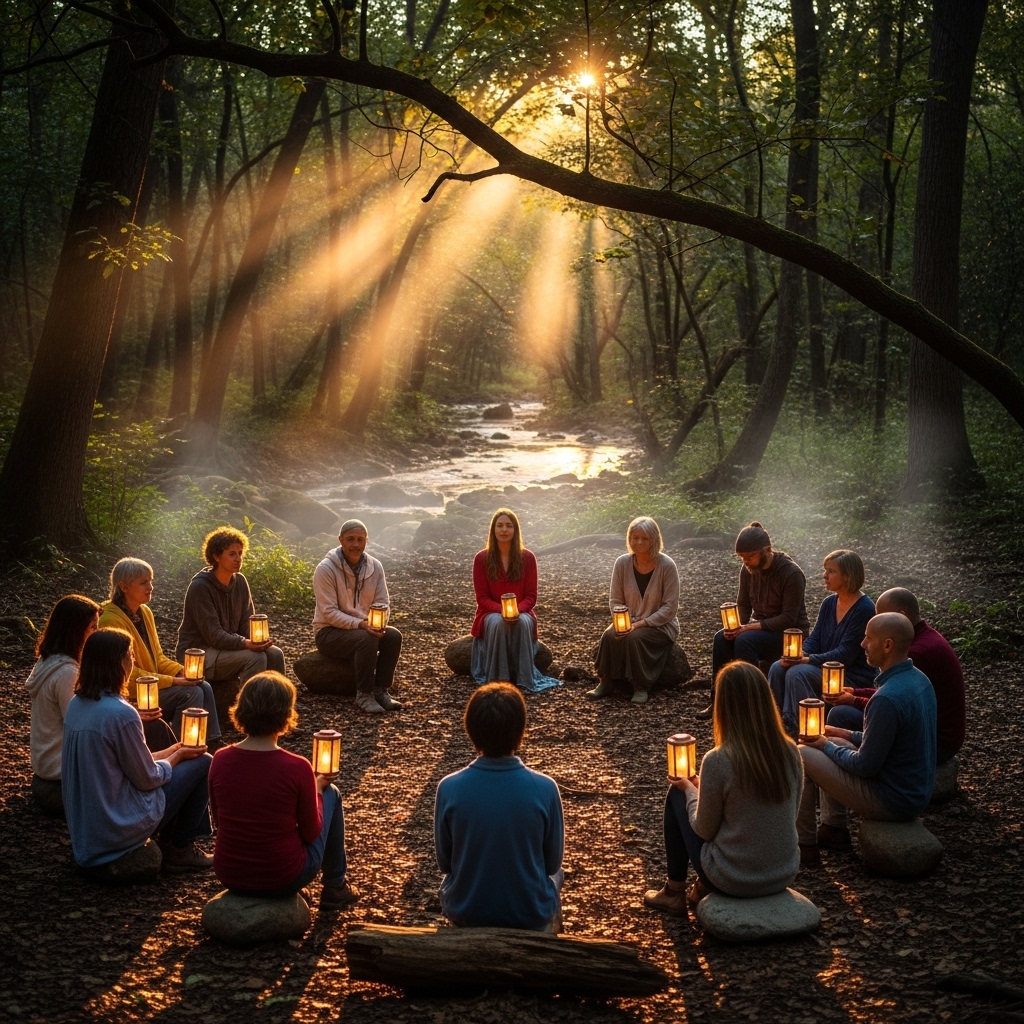
Having a strong support system is crucial for any healing journey, and I’ve personally experienced the benefits of joining support groups. Initially, I was hesitant to participate in a group setting, thinking that I would feel vulnerable sharing my struggles with strangers. However, I decided to give it a try after realizing that I needed a community that understood what I was going through. The first meeting was a bit nerve-wracking, but it quickly transformed into a safe space where everyone shared their stories and offered support. I was amazed by the understanding and compassion that flowed in that room. Hearing others articulate their feelings and challenges made me feel less isolated, and I discovered that I wasn’t alone in my struggles. The sense of belonging and camaraderie in these groups can be incredibly uplifting, reminding us that we’re all navigating our own healing paths.
Building Connections through Shared Experiences
The connections I formed through these support groups went beyond just sharing our pain; we also celebrated our victories together. I remember one member who had been grappling with deep-seated trauma. After several sessions, she shared that she had taken the brave step to confront someone from her past, which had been a significant hurdle for her. The support and cheers that followed were heartwarming. It was in moments like these that I realized how crucial community is in the healing process. These shared experiences foster a sense of accountability and encouragement that can propel us forward. I believe that when we stand together, openly sharing our journeys, we create an empowering atmosphere that nurtures healing and growth for everyone involved.
Maintaining Honesty Throughout the Healing Process
Setting Realistic Expectations
As I continue my healing journey, I’ve learned the importance of setting realistic expectations for myself. I used to think that progress should be linear—one big leap after another. But I quickly found that healing is often a mix of advances and setbacks. I remember a particularly challenging week when I felt like I was sliding backward. Instead of getting frustrated, I decided to remind myself that healing isn’t a race. I learned to embrace the ebb and flow of my emotions, understanding that it’s perfectly normal to have ups and downs. Setting realistic, achievable goals has allowed me to celebrate small wins, making the journey feel more manageable and less intimidating.
Continuing Self-Discovery
Maintaining honesty also means committing to ongoing self-discovery. I’ve realized that healing is not just about addressing past traumas; it’s also about growing and evolving in who we are. I make it a point to check in with myself regularly, asking questions like, “What do I need right now?” or “How can I care for myself better?” This practice has opened doors to new insights and allowed me to honor my evolving needs. I believe that cultivating a mindset of curiosity helps us embrace the journey, seeing it as an opportunity for growth rather than a burden. The more I explore my thoughts and feelings, the more I understand myself, and that’s where true healing flourishes.
Frequently Asked Questions
What is the essence of healing according to the article?
Healing is described as a journey of self-discovery and acceptance, rather than a destination of perfection. It involves embracing true feelings and acknowledging the complexities of our experiences.
What are some common misconceptions about healing?
One major misconception is that healing equates to perfection, where individuals believe they should be “fixed” after overcoming trauma. The article emphasizes that healing involves recognizing and accepting our scars rather than erasing them.
Why is honesty important in the healing process?
Honesty is crucial because it allows individuals to embrace vulnerability and face uncomfortable truths about their feelings. This openness fosters deeper connections with others and enables authentic healing.
How can self-awareness contribute to healing?
Self-awareness helps individuals understand their emotions and triggers, making it easier to navigate their healing journey. It requires reflection and honesty about one’s feelings, which can be facilitated through practices like journaling.
What role does journaling play in healing?
Journaling serves as a safe space for self-expression, helping individuals clarify their emotions and reflect on their healing journeys. It allows for the exploration of thoughts and can reveal insights about one’s progress.
What barriers to honest healing are mentioned in the article?
The article identifies fear of judgment, perfectionism, and cultural or societal pressures as significant barriers that can hinder honest healing. These factors can prevent individuals from expressing their struggles openly.
How can seeking support from others aid in the healing process?
Seeking support from friends, family, or support groups can provide different perspectives and encouragement. Sharing experiences with others helps individuals feel less isolated and fosters a sense of community.
What strategies are suggested for fostering honesty in healing?
Strategies include journaling for clarity, seeking therapy for professional guidance, and incorporating mindfulness practices to accept emotions without judgment. These approaches encourage self-exploration and growth.
How can one maintain honesty throughout their healing journey?
Maintaining honesty involves setting realistic expectations about progress, understanding that healing has ups and downs, and committing to ongoing self-discovery to honor evolving needs and emotions.
What is the significance of community in the healing process?
Community plays a vital role by providing support and shared experiences that foster accountability and encouragement. Being part of a group allows individuals to celebrate victories and feel understood in their struggles.