
Grasshopper superstition typically symbolizes good luck, transformation, and abundance.
Grasshoppers have long been associated with various superstitions across cultures, often symbolizing good luck, transformation, and abundance. Understanding these beliefs can provide insight into life’s changes and opportunities, encouraging individuals to embrace the messages behind their sightings.
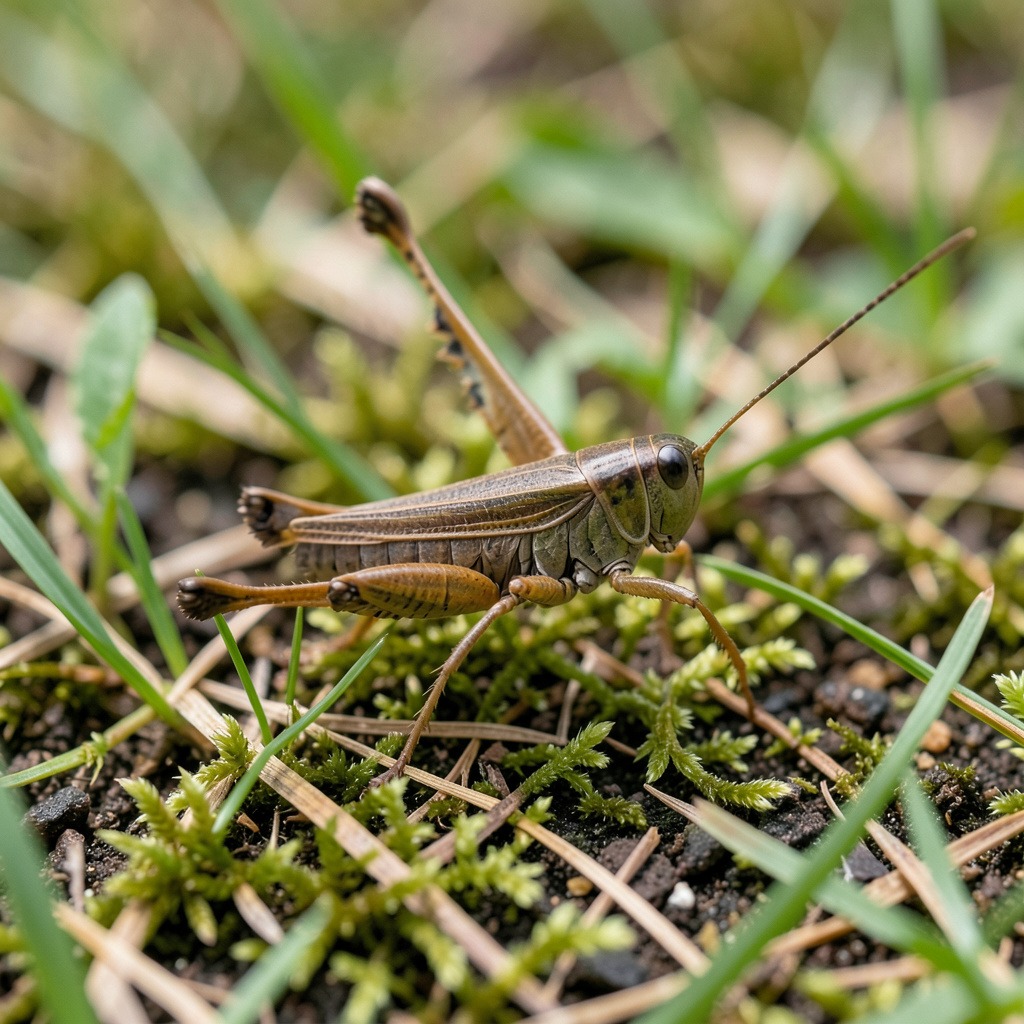
Understanding Grasshopper Symbolism and Superstitions
Grasshoppers symbolize various concepts across cultures, most notably luck, transformation, and abundance. These beliefs shape how individuals interpret grasshopper sightings and their significance in daily life.
The General Symbolism of Grasshoppers
Grasshoppers are often viewed as harbingers of good luck. Their ability to leap great distances represents transformation and the potential for personal growth. This symbolism resonates in many cultures where grasshoppers are seen as creatures full of vitality.
- Good Luck: In many traditions, encountering a grasshopper signifies that fortune is on the horizon.
- Transformation: Their leaping nature symbolizes change and new beginnings, encouraging individuals to embrace life’s transitions.
- Abundance: Grasshoppers are often associated with fertility and prosperity, particularly in agricultural societies.
Common Cultural Beliefs Surrounding Grasshoppers
Cultural interpretations of grasshoppers vary widely, offering a rich tapestry of meanings. Here are some notable beliefs from different regions:
- African Cultures: Grasshoppers are considered a sign of good luck and are associated with rain, which is vital for crops. Their presence is often interpreted as a positive omen.
- Far Eastern Cultures: In China and Japan, they symbolize prosperity and happiness. Grasshoppers are celebrated in art and folklore, reinforcing their positive connotations.
- Native American Beliefs: Grasshoppers signify new beginnings and are linked to the sun’s healing powers. Their appearance can indicate significant life changes ahead.
- Celtic Traditions: The grasshopper represents fertility and the bounty of summer, embodying the spirit of abundance.
Grasshoppers in Folklore and Mythology
Grasshoppers frequently appear in folklore and mythology, showcasing their cultural significance.
- Cautionary Tales: Some stories depict grasshoppers as symbols of laziness, cautioning against neglecting responsibilities.
- Positive Anecdotes: Conversely, many myths celebrate grasshoppers as messengers of change, guiding individuals towards better paths.
Decision Framework for Interpreting Grasshopper Sightings
When encountering a grasshopper, consider the following:
Table of Contents
1. Context: Where did you see it? Different environments can influence its meaning.
2. Personal Feelings: How do you feel about the sighting? Intuition plays a role in interpretation.
3. Cultural Background: What cultural beliefs resonate with you? Your background can shape your understanding.
Understanding grasshopper symbolism can provide insights into personal and spiritual growth. By recognizing these beliefs, individuals can better interpret their experiences and the messages these creatures may convey.
Grasshopper Spiritual Meanings Across Cultures
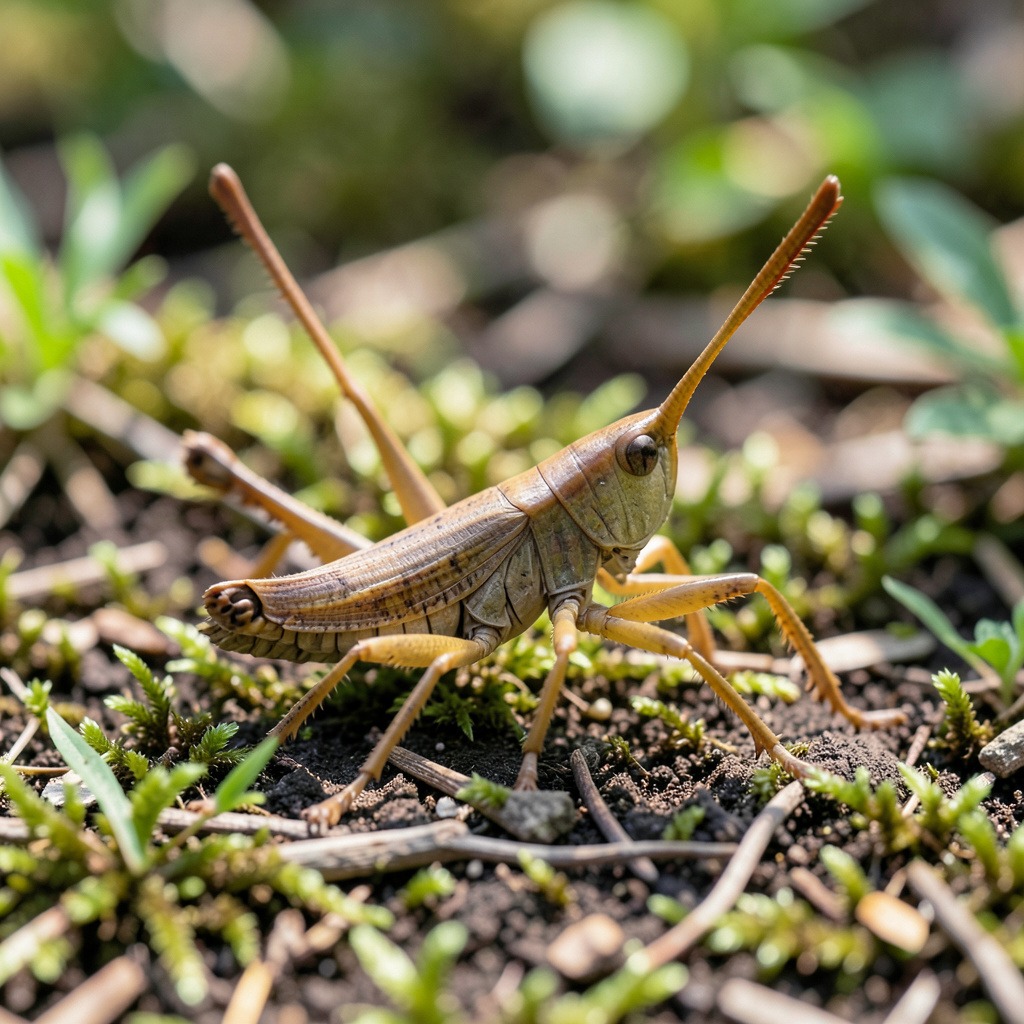
Grasshoppers carry rich spiritual meanings across various cultures. Their symbolism often revolves around luck, transformation, and new beginnings.
Native American Perspectives
In Native American culture, grasshoppers are seen as symbols of good fortune. They represent abundance and the promise of change. For instance, some tribes believe that encountering a grasshopper signifies that positive shifts are on the horizon. The grasshopper’s ability to leap also symbolizes taking bold steps in life.
- Good Luck: Many Native American tribes view grasshoppers as omens of prosperity.
- Transformation: Their jumping ability reflects the potential for personal growth and change.
Celtic Interpretations of Grasshoppers
Celtic traditions view grasshoppers as creatures of the sun. They embody joy and lightness, often linked to the celebration of life. In Celtic folklore, seeing a grasshopper can indicate a time to embrace spontaneity and freedom.
- Symbol of Joy: Grasshoppers encourage individuals to find happiness in the moment.
- Connection to Nature: Their presence invites a deeper appreciation of the natural world.
Grasshoppers in Asian Cultures
In various Asian cultures, grasshoppers symbolize good luck and prosperity. For example, in Chinese traditions, the sight of a grasshopper is often associated with wealth and success. They are considered auspicious, especially during harvest seasons.
- Good Fortune: In China, grasshoppers are believed to bring luck and bountiful harvests.
- Cultural Significance: Different regions attribute varying meanings to their presence, from symbols of resilience to heralds of joy.
Decision Framework for Interpreting Grasshopper Sightings
When encountering a grasshopper, consider these cultural interpretations to understand its potential significance:
1. Cultural Context: Identify your cultural background and its associated meanings.
2. Personal Reflection: Analyze your feelings during the sighting. Does it invoke happiness, curiosity, or anxiety?
3. Symbolic Associations: Relate the grasshopper’s traits, like agility and liveliness, to your current life situation.
By understanding these cultural nuances, individuals can gain insight into their personal experiences with grasshoppers and the messages these creatures may convey.
What Does It Mean If a Grasshopper Visits You?
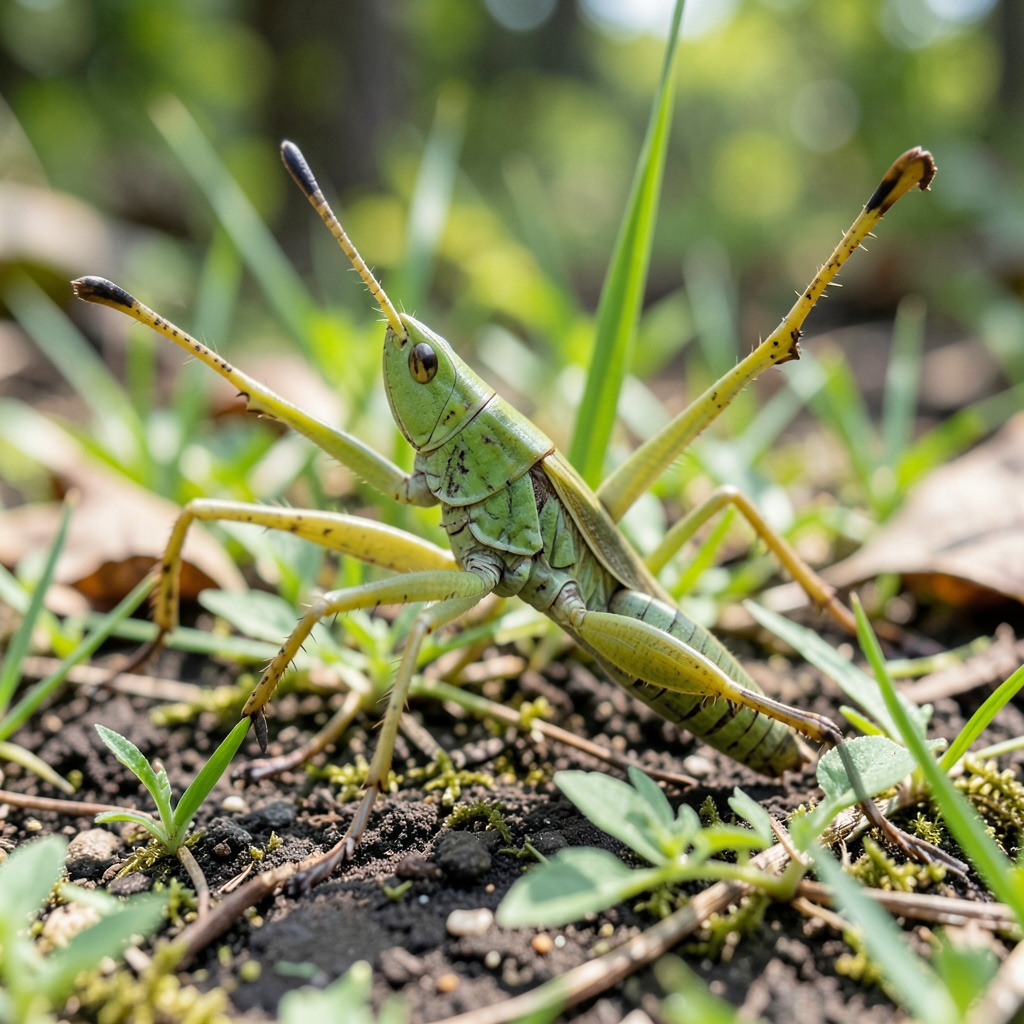
Encountering a grasshopper can carry significant implications for personal growth and decision-making. These encounters often symbolize opportunities and transformations, prompting reflection on your current life path.
Personal Growth and Transformation
Grasshoppers are often associated with change and renewal. When a grasshopper appears in your life, consider what areas are ripe for transformation. This may manifest as:
- New Opportunities: Grasshoppers encourage you to embrace new possibilities. If you feel stagnant, their presence might signal that it’s time to take a leap of faith.
- Adaptability: Grasshoppers thrive in diverse environments. Their visit may remind you to be flexible and adjust to life’s unexpected shifts.
For example, if you encounter a grasshopper during a period of uncertainty at work, it may suggest that you should explore new roles or projects that align better with your passions.
Taking Risks and Embracing Change
Grasshoppers symbolize the importance of taking risks. Their ability to leap great distances serves as a metaphor for stepping out of your comfort zone. Reflect on these points:
- Risk Assessment: Evaluate the potential rewards of a new venture against the fear of failure. Grasshoppers remind you that without risk, growth is limited.
- Courage to Change: If you hesitate to pursue a new career or relationship, consider what a grasshopper would do. They leap into the unknown with confidence.
A practical decision framework can help you interpret this symbolism:
1. Identify the Risk: What opportunity are you considering?
2. Evaluate Your Feelings: Do you feel excitement or fear?
3. Consider Past Experiences: Have similar risks led to growth in your life before?
By applying this framework, you can better understand the significance of a grasshopper sighting in your life.
The Importance of Grasshopper Colors in Superstitions
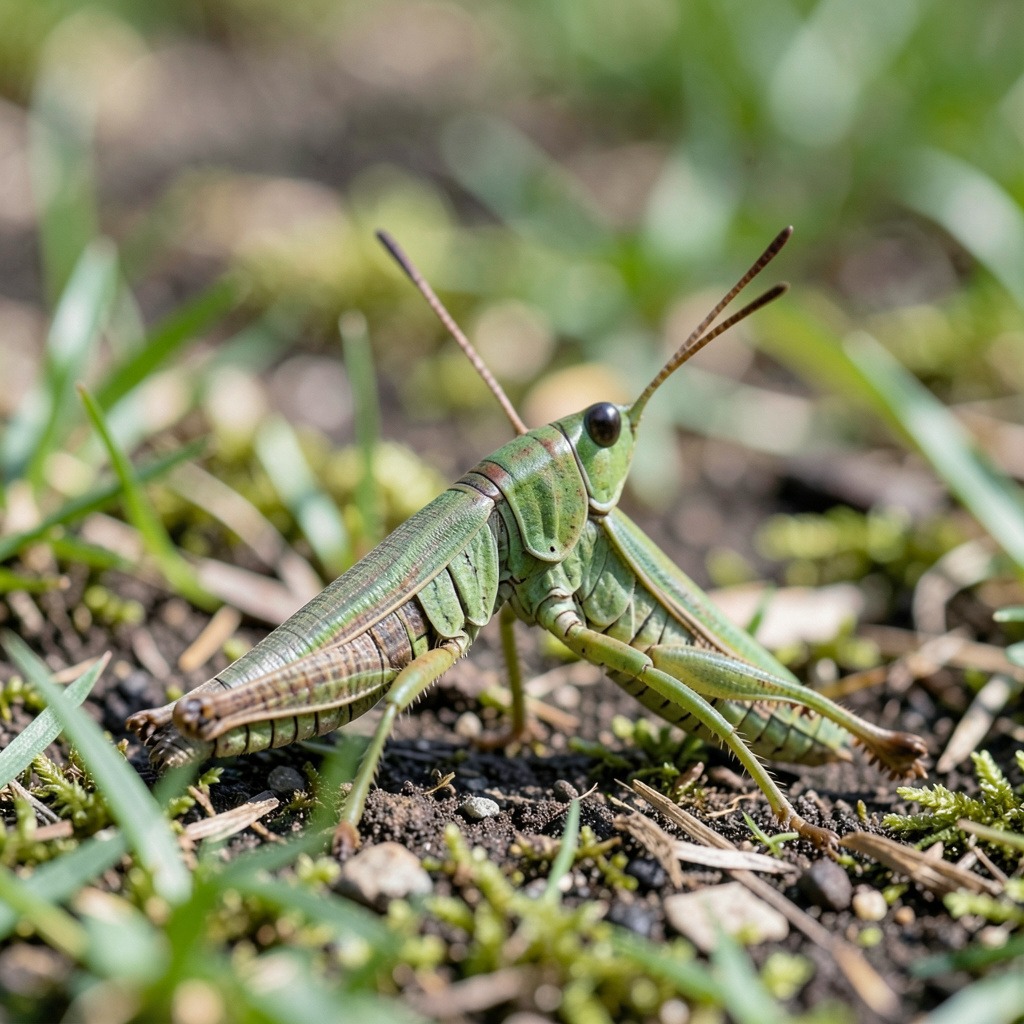
The colors of grasshoppers can significantly influence their spiritual meanings and interpretations. Each hue carries unique symbolism and can enhance the overall messages conveyed by these creatures.
Common Grasshopper Colors and Their Meanings
Grasshoppers can be found in various colors, each associated with different spiritual implications. Here’s a breakdown of common grasshopper colors:
| Color | Symbolism | Spiritual Meaning |
|---|---|---|
| Green | Growth and renewal | Represents abundance and harmony. |
| Brown | Stability and grounding | Signifies resilience and practicality. |
| Yellow | Joy and optimism | A symbol of new opportunities and happiness. |
| Black | Mystery and protection | Indicates introspection and potential challenges. |
| Red | Passion and action | Encourages boldness and taking risks. |
| Blue | Calm and tranquility | Suggests peace and emotional healing. |
Cultural Variations in Color Interpretations
Different cultures interpret grasshopper colors in unique ways. Understanding these variations can deepen your appreciation of their symbolism:
- Native American Cultures: Often view green grasshoppers as symbols of fertility and growth. They believe that sighting a green grasshopper can herald a prosperous season.
- African Traditions: In some African cultures, a yellow grasshopper represents good fortune and is seen as a herald of change.
- Asian Beliefs: In parts of Asia, black grasshoppers are often linked to protection against misfortune, embodying the idea of spiritual guardianship.
Decision Framework for Interpreting Grasshopper Colors
When encountering a grasshopper, consider the following decision framework to interpret its color and associated meaning:
1. Identify the Color: What color is the grasshopper?
2. Reflect on Your Current Situation: How does this color resonate with your life circumstances?
3. Consider Cultural Context: Are there cultural beliefs that align with your experiences?
By applying this framework, you can gain insights into how the grasshopper’s color may relate to your personal journey and spiritual growth.
Dream Interpretations Involving Grasshoppers
Dreaming about grasshoppers carries significant meanings that can reflect various aspects of your life. These dreams often symbolize growth, transformation, and the potential for new opportunities.
Common Themes in Grasshopper Dreams
1. New Beginnings: Grasshoppers frequently appear in dreams when you are on the brink of a new phase. This can signify a fresh start or an important life transition.
2. Opportunities: If a grasshopper jumps toward you in a dream, it may represent an approaching opportunity that requires your attention.
3. Freedom and Independence: Dreams featuring grasshoppers can also highlight your desire for freedom. They symbolize the ability to break away from constraints and embrace change.
4. Agility and Adaptability: The grasshopper’s leaping ability often reflects your need to adapt to changing circumstances in your waking life.
What Do Different Scenarios Suggest?
The context of your grasshopper dream can offer deeper insights. Here are some common scenarios and their interpretations:
- Grasshopper Jumping Away: This may indicate that you are missing out on an opportunity or that a goal is just beyond your reach. It suggests a need for introspection and self-improvement.
- Multiple Grasshoppers: Encountering several grasshoppers can symbolize abundance and prosperity. It may signal that good fortune is on the horizon.
- Grasshopper in a Cage: This scenario often represents feelings of restriction or confinement. It may suggest a need to reassess your current life situation and seek liberation.
- Grasshopper Flying: A flying grasshopper signifies elevated perspectives and new insights. This could be an encouragement to look at challenges from a different angle.
Practical Decision Framework for Dream Interpretation
When interpreting your grasshopper dream, consider these steps:
1. Identify the Grasshopper’s Action: What was the grasshopper doing? Jumping, flying, or sitting still?
2. Reflect on Your Feelings: How did you feel during the dream? Excited, anxious, or indifferent?
3. Connect to Your Current Life: What aspects of your life resonate with the dream’s themes? Are you facing any transitions or decisions?
By systematically analyzing these elements, you can uncover valuable insights into your personal growth and potential paths forward.
Practical Advice: What to Do When You See a Grasshopper
Encountering a grasshopper can be a moment filled with meaning. Many cultures view its presence as a sign of change, luck, or spiritual guidance. Here are practical steps to interpret and respond to this encounter.
Immediate Actions to Consider
1. Pause and Reflect: Take a moment to consider your current situation. Are you facing challenges or contemplating significant changes?
2. Observe the Grasshopper: Pay attention to its behavior. Is it jumping energetically or resting still? This can indicate the type of energy it brings into your life.
3. Consider Your Emotions: How do you feel about the grasshopper’s presence? Excitement may suggest positive change, while anxiety might indicate unresolved issues.
4. Identify the Color: Note the grasshopper’s color. Different colors can represent various meanings:
- Green: Growth and new beginnings.
- Brown: Grounding and stability.
- Black: Introspection and deep change.
Reflecting on Your Current Life Situation
- Change Is Coming: Many cultures interpret grasshopper sightings as a harbinger of change. Reflect on areas in your life where you seek transformation.
- Embrace Simplicity: The grasshopper symbolizes appreciating simple joys. Consider what small pleasures you might be neglecting.
- Seek Guidance: If you feel overwhelmed, the grasshopper could be a reminder to trust your instincts and intuition.
Checklist for Grasshopper Encounters
Use this checklist to engage with the symbolism of a grasshopper sighting:
- [ ] Pause and reflect on your current life situation.
- [ ] Observe the grasshopper’s actions.
- [ ] Identify your emotions during the encounter.
- [ ] Note the grasshopper’s color and its potential meanings.
- [ ] Consider how this sighting aligns with personal growth or changes you desire.
This decision framework helps you engage with the spiritual significance of grasshoppers, allowing you to interpret their presence meaningfully.
Why Do Grasshoppers Suddenly Appear?
Unexpected grasshopper sightings often carry symbolic weight across various cultures. Their sudden appearance can serve as a reminder to embrace change, take risks, and trust one’s intuition.
Environmental Factors and Grasshopper Behavior
Grasshoppers thrive in warm climates and are most active during spring and summer. Their behavior is influenced by environmental conditions, such as temperature and food availability. When grasshoppers appear unexpectedly, it may signal an abundance of resources or a favorable change in your surroundings.
- Increased Activity: Grasshoppers are more visible after rainfall, which encourages their mating and feeding behaviors. This can symbolize new beginnings or fresh opportunities.
- Migration Patterns: They may also migrate in search of food, which can represent a need for exploration or a change in your current situation.
Symbolism of Sudden Appearances
The sudden appearance of a grasshopper can have various interpretations. Here are some common symbolic meanings associated with their presence:
- Leap of Faith: Grasshoppers symbolize taking risks. Their ability to jump great distances encourages you to move forward in life, even if the path is unclear.
- Transformation: The appearance of a grasshopper may indicate a period of personal growth or transformation. It suggests that you may need to adapt to changes in your life.
- Good Luck and Abundance: In many cultures, grasshoppers are seen as harbingers of good fortune. Their sighting can signal that prosperity or success is on the horizon.
Practical Tips for Interpreting Grasshopper Sightings
When you encounter a grasshopper, consider these factors to interpret its significance:
- Location: Where did you see it? A grasshopper in your garden may symbolize fertility and growth in personal projects.
- Time of Day: Morning sightings might indicate new beginnings, while evening sightings could suggest reflection on the day’s events.
- Emotional Response: How did you feel during the encounter? Positive feelings may suggest encouragement, while negative emotions could indicate a need for change.
Understanding these elements can help you gain insight into what the grasshopper’s appearance may signify for your life at that moment.
Addressing Common Misconceptions About Grasshopper Superstitions
Grasshoppers evoke a range of beliefs across cultures. However, many misconceptions exist regarding their symbolism and implications. It’s essential to clarify these misunderstandings to appreciate their true significance.
Is a Grasshopper a Bad Omen?
In some cultures, grasshoppers are mistakenly viewed as bad omens. For instance, certain interpretations within Christianity suggest that grasshoppers are impure creatures, as mentioned in the Book of Leviticus. This belief may lead to the notion that their appearance signifies misfortune or the need for repentance.
Clarification:
- Grasshoppers often symbolize positivity and transformation in numerous cultures, particularly in African and Far Eastern traditions. They are regarded as harbingers of good luck and prosperity.
- The interpretation of grasshoppers as negative omens predominantly stems from selective readings of cultural texts rather than a universal belief.
Common Misinterpretations of Grasshopper Signs
Many individuals misinterpret or overemphasize the significance of grasshopper sightings. Below are common misconceptions:
| Misconception | Reality |
|---|---|
| Grasshoppers always signify misfortune. | They often symbolize good luck and new beginnings. |
| Seeing a grasshopper means you will face challenges. | It can indicate that positive change is on the horizon. |
| Grasshopper colors do not matter. | Different colors (e.g., green, yellow) can convey specific meanings. Green may signify growth, while yellow can represent caution. |
Practical Advice:
When encountering a grasshopper, consider the context:
- Reflect on your emotions during the sighting.
- Assess the environment where you saw it.
- Think about any changes you are currently facing or contemplating.
By applying this decision framework, you can decipher the grasshopper’s message more accurately. For example, if a grasshopper appears while you are contemplating a career change, it may encourage you to take that leap of faith toward new opportunities.
Understanding these distinctions can help dispel myths and allow you to embrace the positive symbolism associated with grasshoppers.
Comparing Grasshopper Symbolism with Other Insects
Grasshoppers symbolize transformation, good luck, and abundance, but how do these meanings contrast with those of other insects like crickets and ladybugs? Understanding these distinctions reveals cultural attitudes and spiritual interpretations associated with each insect.
Grasshoppers vs. Crickets
Both grasshoppers and crickets are often seen as omens, yet their symbolism diverges significantly.
- Grasshoppers: Generally viewed as symbols of good luck and change. They encourage taking leaps of faith and embracing new opportunities. Their presence often signifies a reminder to stay grounded and focused on the present.
- Crickets: These insects carry different connotations. In some cultures, crickets signify prosperity and protection. They are often associated with good fortune, but their presence can also suggest the need for caution or vigilance in one’s life. The sound of a cricket is often thought to be a reminder to listen to one’s intuition.
Grasshoppers vs. Ladybugs
Ladybugs are universally recognized as symbols of luck and protection, yet their interpretations contrast with grasshoppers significantly.
- Grasshoppers: Represent dynamic change and personal growth. They urge individuals to take risks and venture into the unknown. Grasshoppers are often linked to the idea of transformation, particularly in personal and professional realms.
- Ladybugs: Seen as protectors, often associated with love and harmony. They symbolize safety and the fulfillment of wishes. Encountering a ladybug can evoke feelings of reassurance and comfort, whereas grasshoppers prompt action and change.
Key Comparison Takeaways
| Insect | Primary Symbolism | Cultural Interpretation |
|---|---|---|
| Grasshopper | Transformation, good luck | Embrace change, take risks |
| Cricket | Prosperity, caution | Listen to intuition, remain vigilant |
| Ladybug | Protection, love | Safety, fulfillment of wishes |
This comparison highlights the distinct roles each insect plays in spiritual beliefs and superstitions. When interpreting encounters with these insects, consider their unique symbolism to better understand their messages in your life. For example, if a grasshopper appears during a time of uncertainty, it may encourage you to make bold decisions, while a ladybug sighting might signify comfort and security in your current situation.
User Experiences: Sharing Grasshopper Encounters
Grasshopper encounters can be transformative moments, leading individuals to reflect on their lives and beliefs. Sharing these experiences can deepen our understanding of grasshopper symbolism and its impact on personal growth.
Collecting Personal Stories
Many individuals have stories about grasshopper sightings that changed their perspectives. Here are some common themes:
- Encounters during transitions: People often report seeing grasshoppers when they face significant life changes, such as moving to a new city or starting a new job. These sightings can serve as reminders to embrace transformation.
- Moments of decision-making: A grasshopper appearing during a critical decision can inspire courage to take risks. This aligns with the belief that grasshoppers symbolize good luck and new opportunities.
- Signs of abundance: In cultures where grasshoppers are viewed as symbols of prosperity, sightings during times of financial uncertainty can evoke feelings of hope and reassurance.
How Encounters Influence Personal Perspectives
Grasshopper encounters can profoundly shape personal beliefs and actions. Here’s how they might influence you:
- Reflection and growth: Seeing a grasshopper may prompt you to reflect on what changes you need to embrace. How has this creature inspired you to take a leap of faith?
- Connection to nature: Many report feeling a deeper connection to the natural world after encountering a grasshopper. This connection can enhance mindfulness and appreciation for life’s simple pleasures.
- Cultural significance: Understanding the cultural interpretations of grasshoppers can provide context to your experiences. For instance, if you associate grasshoppers with luck, how does that shape your outlook on upcoming events?
Share Your Experience
We invite you to share your grasshopper stories. How have these encounters influenced your life? Did a grasshopper sighting lead to a significant change or decision? Your experiences can enrich our community’s understanding of grasshopper superstition and its spiritual meanings. Consider submitting your story through our form.
Final Thoughts on Grasshopper Superstitions
Grasshopper superstitions vary widely across cultures, embodying themes of luck, transformation, and spiritual guidance. Reflecting on these beliefs can deepen your understanding of their significance in your life.
Key Symbolisms of Grasshoppers
- Good Luck: In many cultures, grasshoppers are viewed as harbingers of prosperity and positive change.
- Transformation: They symbolize adaptability and the ability to navigate through life’s challenges.
- Cultural Variations: Different cultures interpret grasshopper appearances uniquely, often linking them to personal growth or warnings.
Personal Reflection Exercise
Consider the following questions to explore your beliefs about grasshoppers:
1. Have you ever encountered a grasshopper during a significant time in your life? What thoughts or feelings did it evoke?
2. How do you interpret the presence of a grasshopper? As a sign of good luck or something else?
3. Reflect on any changes in your life that coincided with a grasshopper sighting. What transformations occurred?
By contemplating these aspects, you can better understand the role grasshoppers play in your personal narrative and spiritual journey.
Frequently Asked Questions
These quick answers cover the most common questions about this topic, including key details, practical tips, and common concerns.
When is a grasshopper trying to tell you something?
A grasshopper often signifies a message about change or new opportunities. If you encounter one, consider what changes are happening in your life. Are you facing a decision that requires courage? Grasshoppers encourage you to take a leap of faith and embrace transformation.
What to do if a grasshopper is in your house?
If you find a grasshopper in your home, take a moment to observe it. Reflect on your current life situation and what changes you might need to embrace. Gently capture the grasshopper and release it outside, allowing it to continue its journey. This act can symbolize letting go of fears and welcoming new beginnings.
Is a grasshopper a bad omen?
No, grasshoppers are generally not considered bad omens. In many cultures, they symbolize good luck and positive change. While some interpretations may view them negatively, the prevailing belief is that grasshoppers herald opportunities and transformation. Focus on the positive aspects of their appearance.
Why do grasshoppers suddenly appear?
Grasshoppers may appear suddenly due to environmental factors like warmth and rain, which encourage their activity. Symbolically, their unexpected presence often indicates that change or new opportunities are on the horizon. This can serve as a reminder to be open to life’s possibilities.
Can grasshopper color impact its meaning?
Yes, the color of a grasshopper can influence its symbolic meaning. For example, green grasshoppers often represent growth and renewal, while brown ones symbolize stability. Yellow grasshoppers may signify joy and optimism, whereas black grasshoppers can indicate introspection. Pay attention to the color to gain deeper insights into its message.
What does a grasshopper in the house spiritually signify?
A grasshopper in your home can symbolize a need for change or transformation in your life. It may indicate that you should embrace new opportunities or take risks. Spiritually, it serves as a reminder to trust your instincts and adapt to your circumstances.
Superstitious belief: if a grasshopper visits your home, it will bring good luck and fortune. Is it true?
Yes, this belief is prevalent in many cultures. Grasshoppers are often seen as symbols of good luck and prosperity. Their presence can inspire hope and positivity, suggesting that favorable changes are on the way. Embrace this belief as a sign to remain optimistic about your future.