
Gifting a knife is often considered bad luck due to superstitions that claim it symbolizes severing relationships.
The act of gifting knives is steeped in superstition across various cultures, often viewed as a harbinger of bad luck. Understanding these beliefs, along with the traditions that aim to counteract them, can help navigate the complexities of gifting knives.
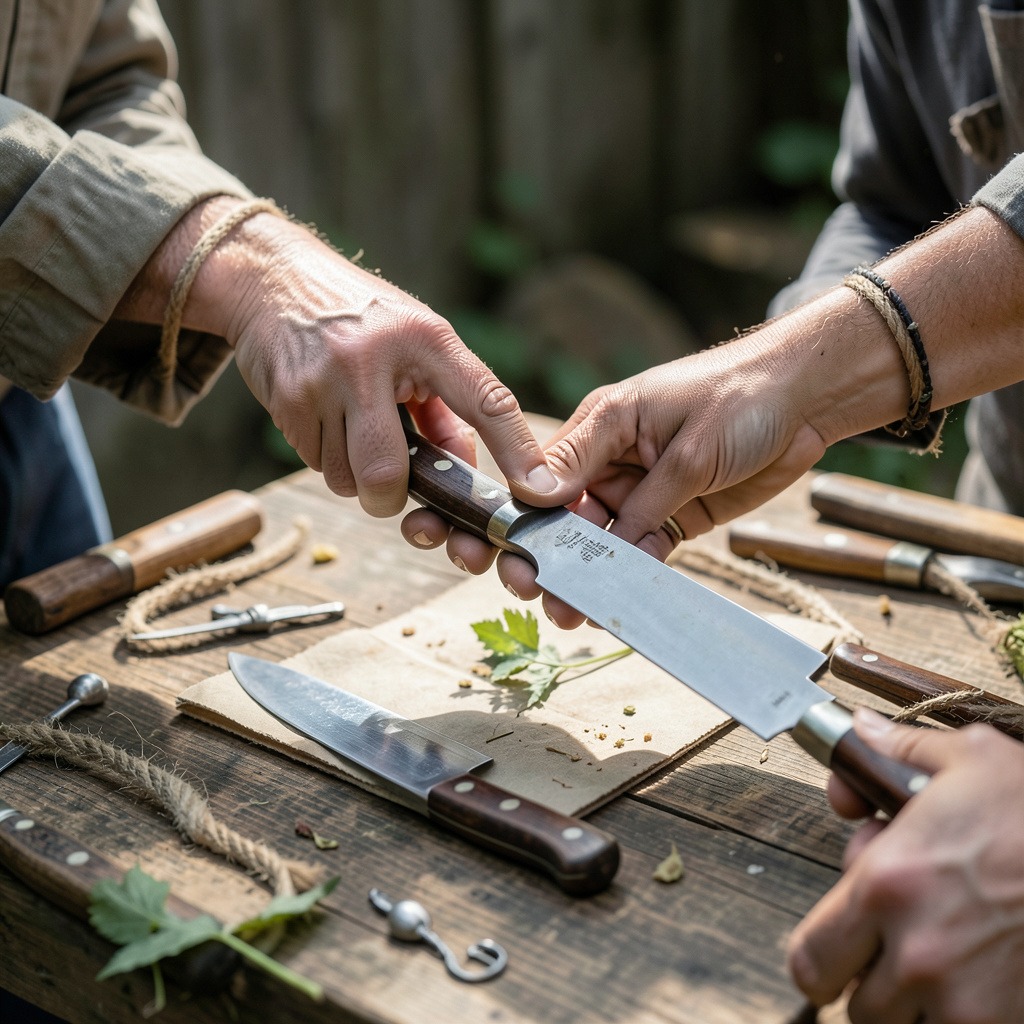
Understanding the Knife Gifting Superstition
The belief that gifting knives brings bad luck is pervasive across many cultures. This superstition is rooted in the idea that a knife symbolizes severing relationships, potentially leading to misfortune for the recipient.
The Origins of the Bad Luck Belief
Historically, the superstition surrounding knife gifting can be traced back to various cultural interpretations. The act of giving a sharp object, like a knife, is thought to represent the cutting of bonds. This belief is prevalent in many societies, including European and Asian cultures.
- Cultural Interpretations: In some traditions, gifting a knife is seen as a jinx. It is believed that the act could sever friendships or romantic ties.
- Folklore: In folklore, gifting a knife is often associated with bad omens, particularly at significant events like weddings.
Symbolism of Knives in Relationships
Knives carry deep symbolic meaning in relationships. While they can represent danger or conflict, they also hold value in certain cultural contexts.
- Respect and Trust: In Finland, for instance, gifting a puukko knife signifies respect. It represents a bond of trust and a commitment to help one another.
- Professional Significance: In Japan, chefs often receive their first knife from a mentor. This act symbolizes the passing of knowledge and skills, making the knife a cherished gift.
Coin Exchange Tradition
To mitigate the bad luck associated with knife gifting, many cultures practice a coin exchange. This tradition transforms the gifting act into a transaction, symbolically removing the negative implications.
- How It Works: When a knife is gifted, the recipient may give a coin back. This exchange signifies that the knife is not merely a present but a purchase, thus avoiding the superstition’s potential consequences.
- Global Practices: This coin exchange is found in various cultures, including some Asian and European traditions.
Understanding these cultural beliefs and practices can help individuals navigate the complexities of gifting knives while respecting the traditions that accompany such gifts.
Table of Contents
Cultural Interpretations of Knife Gifting
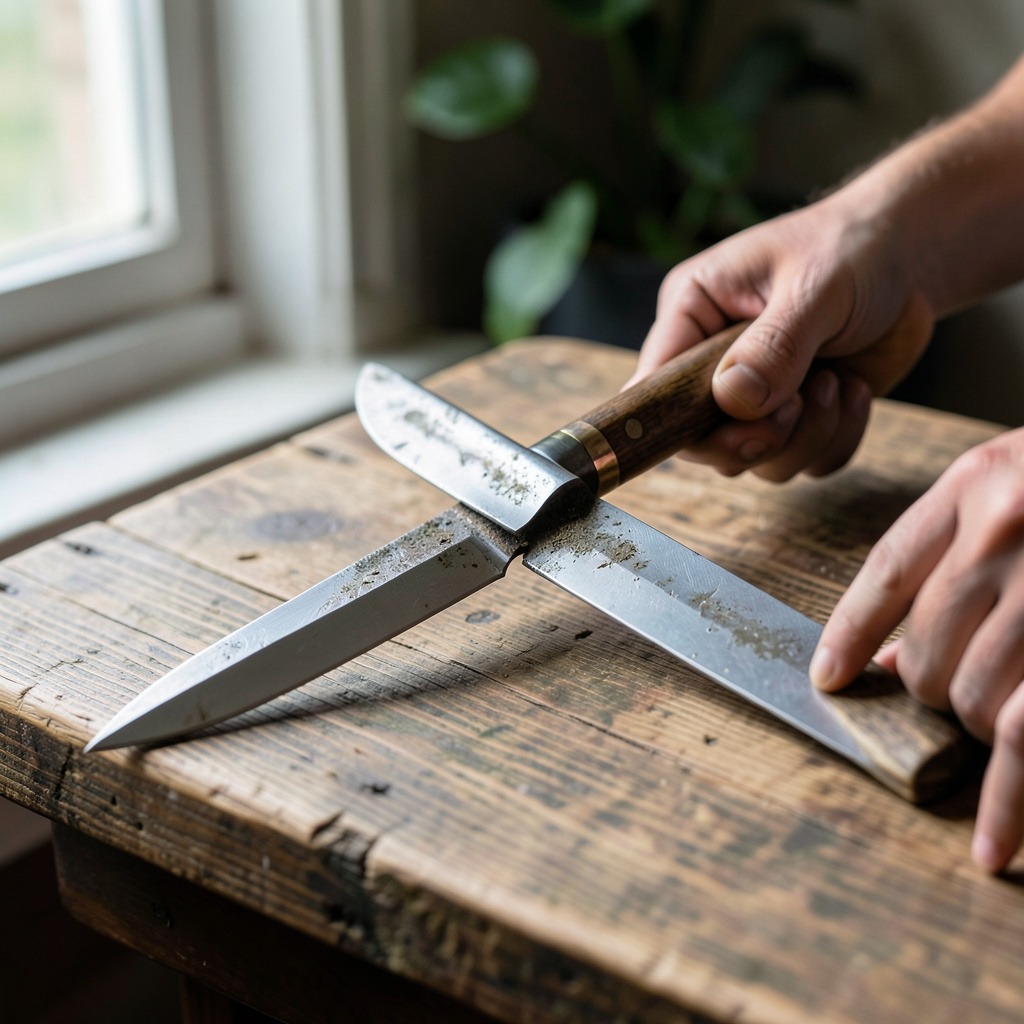
The gifting of knives carries distinct meanings across various cultures. Understanding these interpretations is essential for navigating the complexities of gift-giving in different contexts.
European Traditions
In many European cultures, gifting a knife is often viewed with caution due to superstitions surrounding its implications. For instance:
- Bad Luck Belief: In several European countries, giving a knife is thought to symbolize the severing of relationships. This belief suggests that the act of gifting a sharp object can lead to discord between the giver and receiver, particularly in intimate relationships.
- Coin Exchange Practice: To counteract this negative symbolism, many Europeans partake in the coin exchange tradition. By giving a coin back to the giver, the recipient effectively transforms the gift into a purchase, mitigating the potential bad luck associated with receiving a knife.
In contrast, certain regions, like Finland, hold a more positive view. Here, gifting a puukko knife is a sign of respect and trust, symbolizing a lifelong bond between the giver and the recipient.
Asian Customs
Asian cultures also exhibit a variety of beliefs regarding knife gifting:
- Japanese Perspective: In Japan, knives are essential tools, yet they are rarely given as gifts. Gifting a knife, especially at weddings, is seen as ominous. It symbolizes cutting ties, which may foreshadow marital discord. Instead, culinary knives are often passed down from mentors to apprentices as a sign of respect and knowledge transfer.
- Chinese Traditions: Similar to Japan, Chinese customs discourage gifting knives. The symbolism of severing relationships is prevalent, particularly in marriage contexts, where it is believed that a knife can “cut” the marital bond.
American Practices
In American culture, the views on knife gifting vary widely:
- Rite of Passage: In some American families, gifting a knife is seen as a rite of passage. Parents may gift a knife to their children to signify maturity and responsibility. This act often comes without the accompanying superstitions found in other cultures.
- Practical Gifts: Many Americans view knives as practical gifts rather than symbolic ones. As a result, the superstitions surrounding knife gifting are less influential in modern American practices compared to other cultures.
Comparison of Beliefs
| Culture | View on Knife Gifting | Common Practice |
|---|---|---|
| European | Generally viewed as bad luck | Coin exchange to mitigate superstition |
| Japanese | Symbolizes severing relationships | Rarely gifted, often passed down from mentors |
| Chinese | Associated with bad luck | Avoided, especially in weddings |
| American | Mixed beliefs, often practical | Gifting as a rite of passage |
Understanding these diverse cultural interpretations is crucial for anyone considering gifting a knife. The implications can vary significantly based on cultural context, and being aware of these nuances can help avoid misunderstandings.
The Coin Exchange Tradition
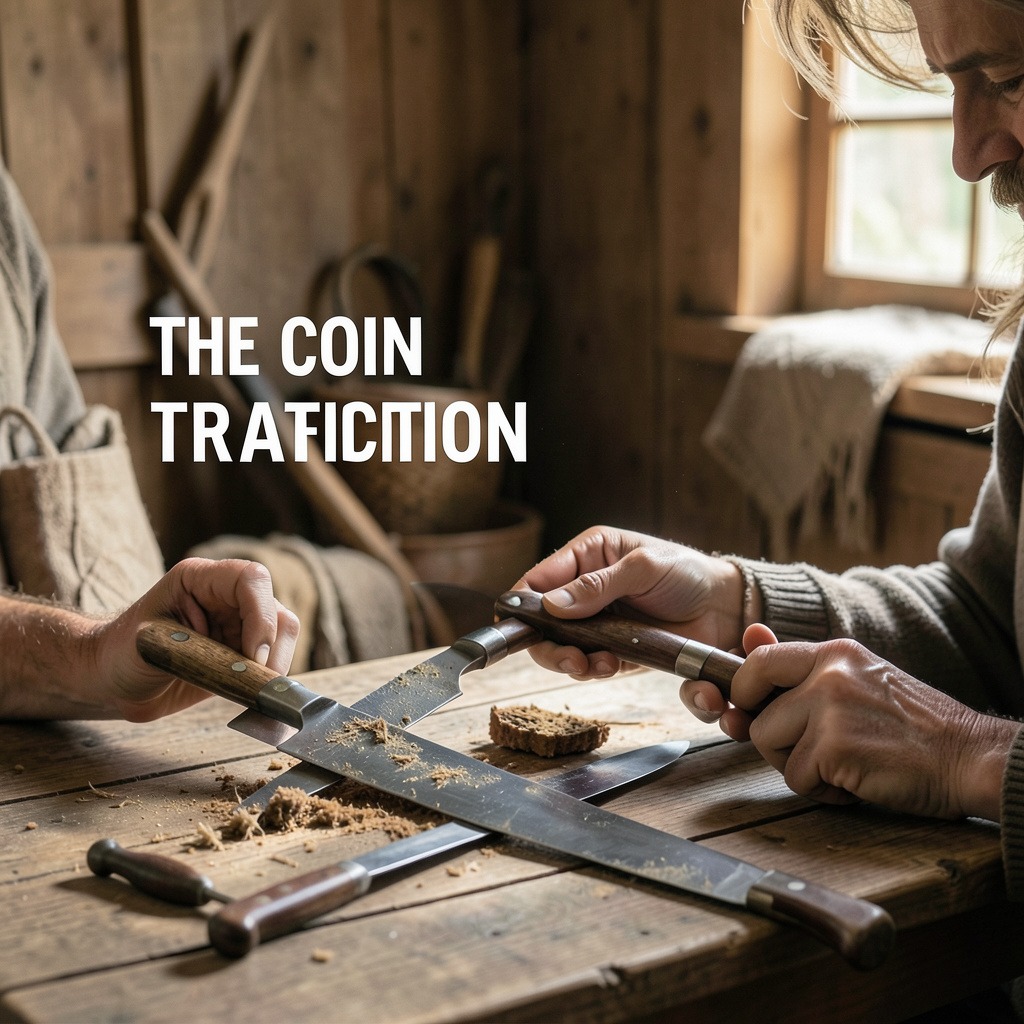
The tradition of including a coin when gifting a knife serves as a cultural countermeasure to the superstition surrounding bad luck. This practice is rooted in the belief that a knife symbolizes severance in relationships. By exchanging a coin, the act transforms from a gift into a transaction, potentially neutralizing any negative connotations.
How the Coin Exchange Works
When gifting a knife, the giver often includes a coin, which can be of any denomination. This act allows the recipient to “purchase” the knife, symbolically affirming their acceptance of the gift without the associated bad luck.
- Symbolic Transaction: The coin represents a purchase, thereby removing the notion of severance.
- Ceremonial Gesture: Both parties may exchange the knife and coin in a brief ceremony, emphasizing mutual respect.
- Emotional Significance: This exchange can deepen the bond between the giver and recipient, reinforcing the relationship despite the superstition.
Modern Adaptations of the Tradition
In contemporary settings, the coin exchange is often adapted to fit personal beliefs and relationships. While some may strictly adhere to traditional practices, others may choose to modify the ritual.
- Personalization: Some individuals opt for unique coins, such as commemorative tokens, to add a personal touch.
- Storytelling: Givers frequently share anecdotes about the significance of the knife and the coin, enriching the gifting experience.
- Cultural Variations: In cultures where knife gifting is less taboo, the coin exchange may be viewed simply as a fun custom rather than a necessity.
For instance, a Japanese chef might receive a knife from their mentor with a five-yen coin, symbolizing the passing of knowledge and respect. This practice illustrates how the coin exchange can adapt to various contexts while maintaining its core intention of mitigating bad luck.
When to Gift a Knife
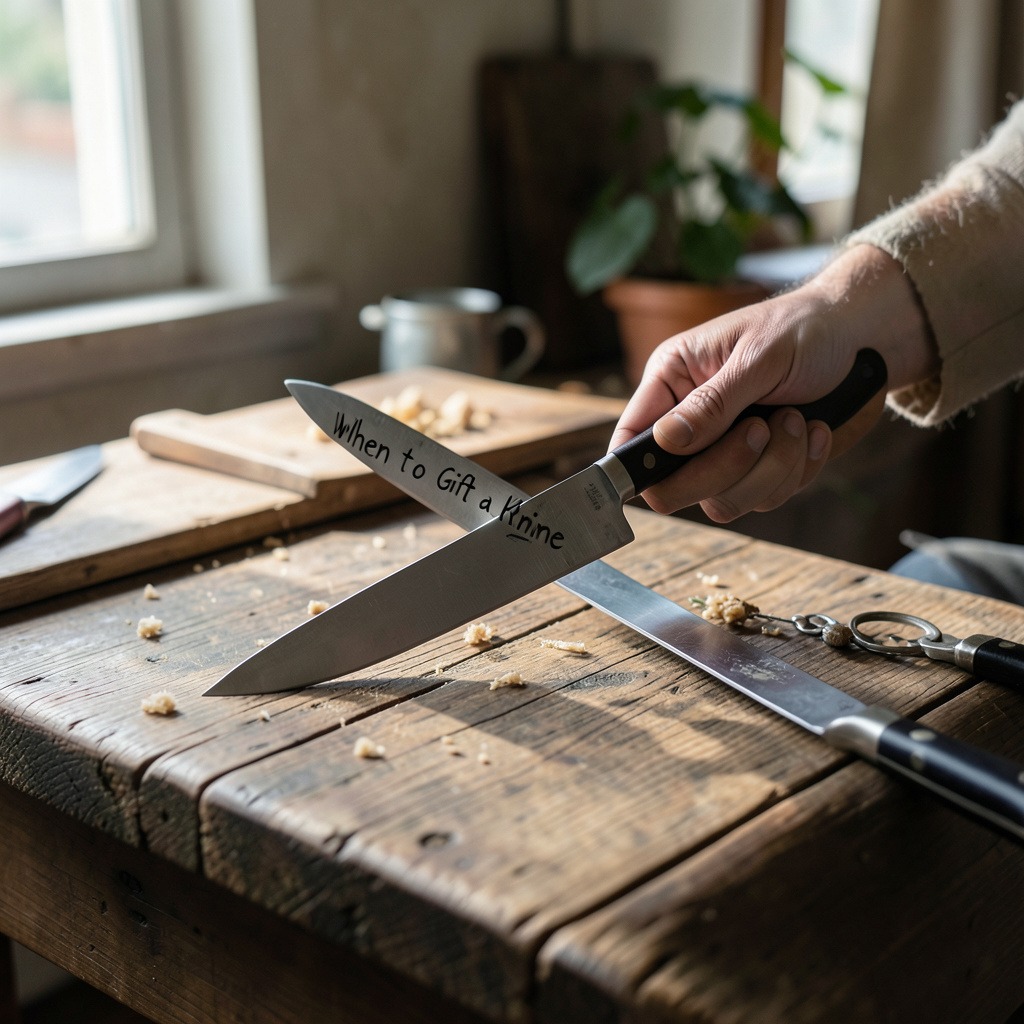
Gifting a knife can carry significant cultural implications. Understanding the appropriate occasions and potential pitfalls is crucial to navigate these traditions effectively.
Best Occasions for Knife Gifting
Certain events are more suitable for gifting knives than others. Here are some occasions where gifting a knife is generally well-received:
- Housewarming Parties: A knife signifies the start of a new chapter and the ability to create meals in a new home.
- Graduations: Gifting a high-quality knife can symbolize the recipient’s transition into independence, particularly in culinary fields.
- Anniversaries: For couples who enjoy cooking together, a knife can enhance shared experiences.
- Birthdays: A thoughtful, high-quality kitchen knife can be a cherished gift for someone who appreciates cooking.
What to Avoid
Certain scenarios require caution or avoidance altogether. Here are common pitfalls when gifting knives:
- Weddings: Many cultures view gifting knives at weddings as bad luck, potentially severing marital bonds. It’s advisable to skip this gift for such occasions.
- Symbolism Misunderstandings: If you are unsure about the recipient’s beliefs regarding knife gifting, avoid the gift altogether. Some may hold strong superstitions against it.
- Improper Presentation: Always present the knife thoughtfully. Avoid wrapping it in casual materials. A well-packaged knife reflects care and respect.
Checklist for Gifting Knives
- Know the Recipient’s Beliefs: Understand their cultural background and any superstitions they may hold.
- Include a Coin: If gifting a knife, consider including a coin to symbolize a purchase, which can mitigate bad luck.
- Choose the Right Type of Knife: Select a knife that aligns with the recipient’s interests, such as a chef’s knife for cooking enthusiasts.
By being mindful of these guidelines, you can navigate the complexities of gifting knives while respecting cultural beliefs and traditions.
Overcoming the Knife Gifting Superstition
Gifting a knife can evoke mixed feelings due to superstitions surrounding it. However, with thoughtful approaches, you can turn this potential negative into a cherished gesture.
Creating Positive Associations
To counteract negative perceptions, create positive associations with your gift. Here are some strategies:
- Personalize the Knife: Engrave a meaningful message or the recipient’s name. This adds sentimental value, making the knife feel special rather than ominous.
- Share a Story: Accompany the gift with a personal anecdote about why you chose this knife. Sharing your connection to the gift can foster appreciation.
- Highlight Utility: Emphasize the knife’s practical uses. Discuss how it can enhance cooking experiences, outdoor adventures, or other activities the recipient enjoys.
Using Humor and Lightheartedness
Lightening the mood around the superstition can help mitigate fears. Consider the following approaches:
- Joke about the Superstition: A light-hearted comment about the superstition can ease tension. For example, say, “Just think of this as a tool for slicing through bad luck!”
- Include a Coin: Present the knife with a coin. This gesture can humorously suggest that you’re “selling” the knife to counter any bad luck fears, aligning with cultural traditions.
Checklist for Gifting Knives
Follow this checklist to ensure a thoughtful gifting experience:
- Know the Recipient’s Beliefs: Research their cultural background and any relevant superstitions.
- Include a Coin: Always include a coin as a symbolic gesture to counteract bad luck.
- Choose the Right Type of Knife: Select a knife that fits the recipient’s hobbies or needs, such as a chef’s knife for cooking enthusiasts.
By employing these strategies, you can navigate the complexities of gifting knives while respecting cultural beliefs and traditions.
Alternatives to Gifting Knives
If you are hesitant to gift a knife due to the surrounding superstitions, there are numerous alternative gifts that convey similar sentiments of strength, friendship, and utility. These options can help you avoid cultural taboos while still providing meaningful presents.
Gifts Symbolizing Strength and Friendship
Consider gifts that embody the same themes as knives—strength, utility, and personal connection. Here are some alternatives:
- Multi-tools: Compact and versatile, they symbolize resourcefulness and practicality.
- Personalized tools: A custom engraved hammer or screwdriver can represent strength and craftsmanship.
- Friendship bracelets: These signify bonds and can be personalized to reflect the recipient’s style.
- Customized mugs: A mug with a meaningful quote or image can foster connection and shared experiences.
By choosing these gifts, you maintain the intention of your original idea without invoking the superstitions associated with knives.
Functional Gifts with Cultural Significance
Gifting items that hold cultural significance can also be a thoughtful alternative. Here are a few suggestions:
- Cooking utensils: Quality wooden spoons or spatulas can be meaningful for someone who enjoys cooking. In many cultures, cooking tools symbolize care and nurturing.
- Handcrafted items: Local artisans often create unique gifts that reflect cultural heritage, such as pottery or woven baskets. These gifts carry stories and connections to traditions.
- Books on cultural recipes or crafts: A book can provide knowledge and inspire creativity, making it a thoughtful gift that encourages learning.
When selecting these alternatives, consider the recipient’s interests and cultural background to enhance the gift’s significance. Engaging with their personal history can deepen the connection you aim to create.
Frequently Asked Questions
These quick answers cover the most common questions about this topic, including key details, practical tips, and common concerns.
What do you give someone if they give you a knife?
If someone gifts you a knife, it’s customary to give them a coin in return. This act transforms the gift into a transaction, which helps mitigate the superstition surrounding bad luck. The coin symbolizes that the knife is not merely a gift but a purchase, thus neutralizing any negative implications.
What is the symbolic meaning of giving a knife as a gift?
Gifting a knife often symbolizes severing relationships, which is why many cultures view it as bad luck. However, in some traditions, such as in Finland, a knife can represent respect and trust. The meaning can vary significantly based on cultural context, so it’s essential to understand the recipient’s background.
What should you do when giving a knife to another person?
When gifting a knife, consider including a coin to counteract any bad luck associated with the gift. Present the knife thoughtfully, perhaps in a nice box or wrapping. Additionally, it can be helpful to share a personal story or the significance of the knife to create a positive association.
Is it still considered bad luck to give a knife as a gift?
Yes, in many cultures, gifting a knife is still viewed as bad luck due to its association with severing bonds. However, practices like the coin exchange can help mitigate these beliefs. Understanding the recipient’s cultural background is crucial to avoid misunderstandings.
What is the superstition about giving knives as a gift?
The superstition surrounding knife gifting is rooted in the belief that it symbolizes the cutting of relationships. This belief is prevalent in various cultures, leading to the idea that gifting a knife can bring bad luck or discord between the giver and receiver.
How can I avoid bad luck when gifting a knife?
To avoid bad luck, include a coin with the knife gift. This practice transforms the gifting into a transaction, which can neutralize the negative connotations. Additionally, choose an appropriate occasion for the gift, such as a housewarming or graduation, to ensure it is well-received.
What should readers know about historical origins of the knife gifting superstition?
The knife gifting superstition has historical roots in various cultures, where sharp objects are often seen as symbols of severance. These beliefs have been passed down through generations, influencing modern practices. Understanding these origins can provide insight into why the superstition persists today.
What should readers know about specific cultural practices related to knife gifting?
Cultural practices vary widely regarding knife gifting. For example, in Japan, gifting a knife is generally avoided due to its ominous implications, while in Finland, it can symbolize respect. Knowing these cultural nuances can help navigate the complexities of gifting knives appropriately.