
Friday the 13th is considered an unlucky day in many Western cultures, stemming from historical, religious, and cultural beliefs surrounding the number 13 and Fridays, particularly linked to events like the Last Supper and the arrest of the Knights Templar.
Friday the 13th is a day steeped in superstition, often associated with bad luck. This article delves into its origins, cultural variations, psychological impacts, and practical insights, providing a comprehensive understanding of this intriguing phenomenon.

Understanding the Friday the 13th Superstition
Friday the 13th is often viewed as an ominous day associated with bad luck, particularly in Western cultures. This superstition has deep historical roots and notable psychological effects on individuals who believe in its significance.
The Concept of Bad Luck
The superstition surrounding Friday the 13th combines negative associations with both the number 13 and the day Friday. In Western traditions, the number 13 is often considered unlucky, while Friday has been labeled as a day of misfortune in various folklore. Together, they create a potent symbol of bad luck.
- Historical Events: Notable events, such as the arrest of the Knights Templar on Friday, October 13, 1307, are often cited as contributing to this belief.
- Cultural References: The Last Supper, which featured 13 individuals, is frequently referenced as a source of this superstition. Judas Iscariot, the betrayer of Jesus, is traditionally viewed as the 13th guest.
An Overview of Paraskevidekatriaphobia
Paraskevidekatriaphobia is the term for the intense fear of Friday the 13th. This fear can lead to significant psychological impacts and behavioral changes.
- Behavioral Modifications: Many individuals alter their plans on this day. They may choose to avoid travel, postpone medical procedures, or make significant decisions on other days.
- Psychological Effects: Research indicates that anxiety surrounding this day can result in decreased productivity and increased stress. For example, studies have shown that traffic volume decreases on Friday the 13th as people opt to stay home.
Practical Tips to Handle Fears Associated with the Day
- Acknowledge the Fear: Recognizing the fear can help mitigate its effects.
- Plan Ahead: Consider scheduling important activities on alternate days.
- Cognitive Techniques: Use mindfulness and relaxation techniques to manage anxiety linked to the superstition.
Understanding the origins and implications of the Friday the 13th superstition can empower individuals to confront their fears and make informed decisions, rather than succumbing to irrational anxieties.
Historical Origins of Friday the 13th
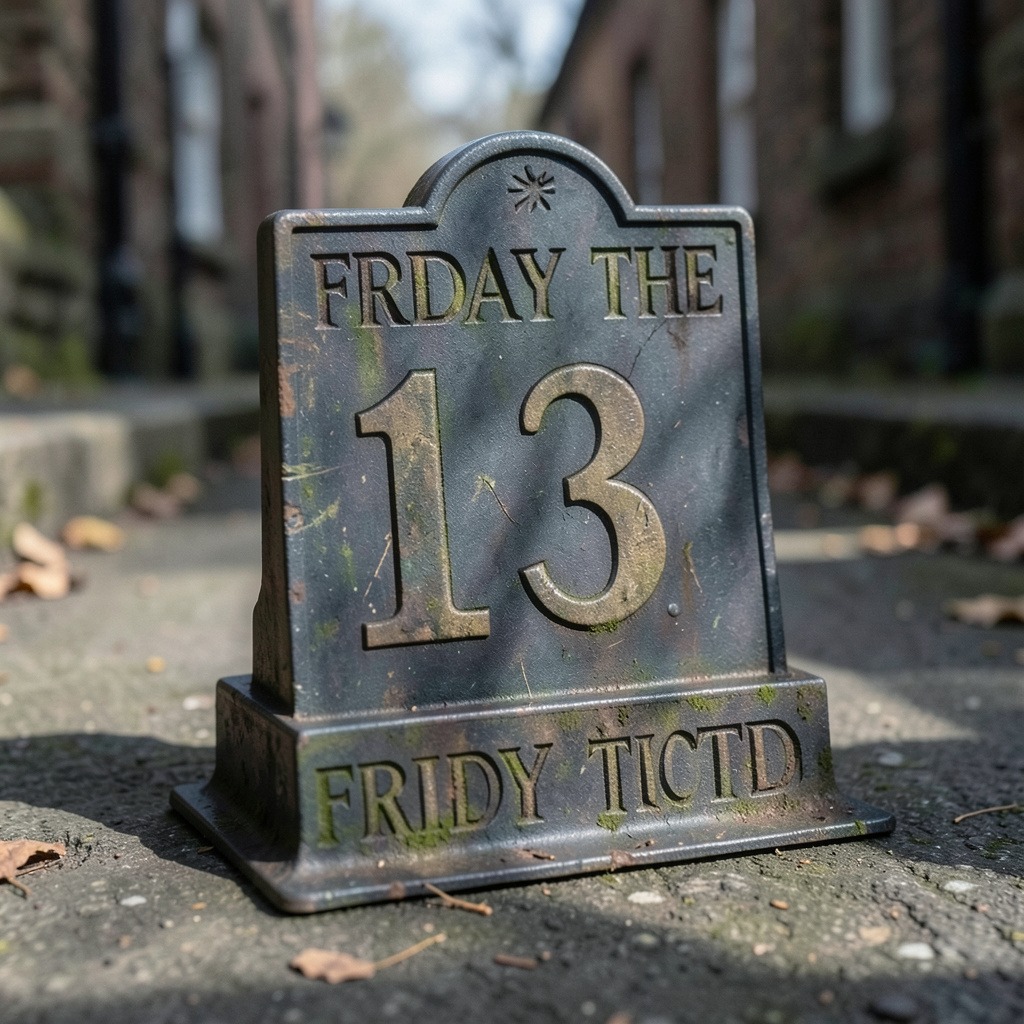
The superstition surrounding Friday the 13th has deep historical roots, tied to significant events and cultural narratives. Key elements include the Knights Templar’s arrest and the biblical Last Supper.
Table of Contents
The Knights Templar Arrest
On Friday, October 13, 1307, King Philip IV of France ordered the arrest of the Knights Templar. This military order had amassed considerable wealth and power, which Philip coveted. The arrests marked a dramatic moment in history, leading to the execution of many Templars and the dissolution of the order.
The ominous date quickly became associated with misfortune. The Templars’ downfall fostered a belief that Friday the 13th was cursed. This historical event is often cited as a primary source of the superstition.
The Last Supper Connection
Biblical narratives further deepen the superstition’s roots. In Christian tradition, the Last Supper features Judas Iscariot as the 13th guest. His betrayal of Jesus, which led to the crucifixion, is often linked to the date’s negative connotations. Fridays are also viewed as unlucky due to the belief that Jesus was crucified on a Friday.
These two historical events intertwine, reinforcing the idea that Friday the 13th is a day of ill fortune.
Timeline of Significant Events on Friday the 13th
Below is a timeline highlighting notable occurrences on Friday the 13th throughout history:
| Date | Event Description |
|---|---|
| October 13, 1307 | Arrest of the Knights Templar in France |
| November 13, 1970 | Cyclone Bhola strikes Bangladesh, killing thousands |
| October 13, 1989 | Wall Street mini-crash occurs, impacting markets |
| January 13, 2012 | Costa Concordia cruise ship disaster off Italy |
| September 13, 1940 | Buckingham Palace bombed during the London Blitz |
These events may solidify the perception of Friday the 13th as a day of bad luck. Understanding this timeline can help contextualize the superstition’s origins and its ongoing cultural significance.
Cultural Interpretations of Friday the 13th

Friday the 13th is often viewed as an unlucky day in many Western cultures. However, this superstition varies significantly across the globe, with different cultures attributing unique meanings to the number 13 and the day itself.
Friday the 17th in Italy
In Italy, Friday the 17th is considered particularly unlucky. The number 17 is associated with misfortune due to its Roman numeral representation, XVII, which can be rearranged to spell “VIXI,” meaning “I have lived,” implying death. Italians often avoid significant decisions or activities on this day. This highlights how cultural context shapes superstition, underscoring that the fear of certain numbers is not universal.
Tuesday the 13th in Hispanic Cultures
Conversely, in many Spanish-speaking countries, Tuesday the 13th holds the reputation of being unlucky instead of Friday. The phrase “En martes, ni te cases ni te inicies” translates to “On Tuesday, don’t get married or start a journey.” This shift illustrates the cultural differences in interpreting the number 13 and the day of the week. The emphasis on Tuesday over Friday reveals how beliefs about luck can diverge between societies.
Comparative Overview of Unlucky Days
Here’s a brief comparison of Friday the 13th with other culturally significant unlucky days:
| Culture | Unlucky Day | Reason |
|---|---|---|
| Western Cultures | Friday the 13th | Linked to biblical references and myths |
| Italy | Friday the 17th | Connection to death through numerology |
| Hispanic Cultures | Tuesday the 13th | Associated with marriage and journeys |
| China | None | Fears focus on the number 4 instead |
| Japan | None | Primarily fearful of the number 9 |
These variations highlight the rich tapestry of beliefs surrounding the number 13 across cultures. Understanding these differences enriches our appreciation of the superstition’s global significance.
Mythological Connections to Friday the 13th

The superstition surrounding Friday the 13th draws heavily on mythological narratives, particularly those involving the Norse god Loki. These stories not only illustrate the origins of the superstition but also reflect broader cultural beliefs about luck and misfortune.
The Norse Legend of Loki
In Norse mythology, Loki embodies chaos and mischief. One significant story involves a banquet in Valhalla, where twelve gods gather. Loki, the uninvited guest, becomes the thirteenth attendee. This act of intrusion leads to tragedy when he tricks the blind god Höd into killing his brother Balder, the god of light. This tale intertwines the number 13 with themes of betrayal and calamity, establishing a negative association with the number that persists in various cultures.
- Key Elements of the Story:
- Loki as the Thirteenth: His unexpected arrival signifies disorder.
- Betrayal of Balder: A direct link between the number and ill fate.
- Cultural Reflection: The story illustrates how myths shape societal views on luck.
The Significance of the Number 13
The number 13 has long been considered unlucky across many cultures. In addition to its association with Loki, it often appears in contexts that suggest misfortune.
- Cultural Beliefs:
- Biblical References: Judas Iscariot, the thirteenth guest at the Last Supper, betrays Jesus, reinforcing the negative connotation.
- Historical Events: Events like the arrest of the Knights Templar on Friday, October 13, 1307, contribute to the superstition’s narrative.
- Psychological Impact:
- Paraskevidekatriaphobia: The fear of Friday the 13th reflects how deeply embedded these beliefs are in collective consciousness.
- Response to Fear: Many people exhibit anxiety or take precautions on this day, illustrating the power of superstition in behavior.
Understanding these mythological connections enriches our grasp of the Friday the 13th superstition. It highlights how ancient narratives continue to shape modern perceptions of luck and misfortune.
Psychological Effects of Friday the 13th
The superstition surrounding Friday the 13th triggers notable psychological responses. Many individuals experience anxiety and fear, particularly those affected by paraskevidekatriaphobia. This fear can manifest in various ways, leading to significant behavioral changes.
Understanding Paraskevidekatriaphobia
Paraskevidekatriaphobia is the intense fear of Friday the 13th. This specific phobia can lead individuals to avoid normal activities or make cautious decisions on this date. Symptoms may include:
- Elevated heart rate
- Increased cortisol levels
- Heightened blood pressure
- Anxiety or panic attacks
For many, these physiological responses are similar to those seen in other anxiety disorders. The anticipation of Friday the 13th can trigger real distress.
Common Reactions and Anxieties
On Friday the 13th, individuals often alter their behavior. Common reactions include:
- Postponing medical appointments
- Avoiding travel plans
- Canceling significant events or purchases
- Skipping work or school
Research indicates that many Americans, estimated between 17 to 21 million, alter their daily routines due to this superstition. The economic impact is also notable, with businesses experiencing decreased productivity and significant financial losses on this day.
Therapeutic Approaches to Overcoming Fear
Addressing paraskevidekatriaphobia often involves therapeutic strategies. Cognitive Behavioral Therapy (CBT) is effective in reshaping negative thought patterns associated with the fear. This therapy helps individuals confront their anxieties and develop coping mechanisms.
Other approaches may include exposure therapy, which gradually desensitizes individuals to their fear triggers. Techniques like mindfulness and relaxation exercises can also provide relief.
By understanding these psychological effects and potential therapies, individuals can navigate their fears surrounding Friday the 13th more effectively.
Economic Impacts of Friday the 13th
The superstition surrounding Friday the 13th has tangible economic consequences. This date affects consumer behavior significantly, leading to substantial business losses.
Consumer Behavior on Friday the 13th
Many individuals exhibit avoidance behavior on Friday the 13th. Research indicates that approximately 17 to 21 million Americans actively refrain from conducting business on this day. Common actions include:
- Postponing surgeries or medical appointments
- Avoiding signing contracts
- Delaying major purchases
This behavior stems from the belief that the day is unlucky. As a result, businesses experience a noticeable drop in sales and customer engagement.
Business Impact and Productivity Loss
The economic ramifications extend to various sectors. Industries such as airlines and hospitality report significant downturns. For instance:
- Airlines may see a 10-15% decrease in bookings on Friday the 13th.
- Hotels face increased cancellations, particularly for weddings and events.
Overall, the American economy incurs losses estimated between $700 million and $900 million each time this date occurs. This figure illustrates the profound impact of superstition on economic activities.
Summary of Key Economic Effects
| Industry | Impact on Business |
|---|---|
| Airlines | 10-15% drop in bookings |
| Hospitality | Increased cancellations |
| Retail | Decreased sales volume |
| Stock Markets | Lower trading volumes |
Businesses often adapt to these fears by implementing strategies to mitigate losses. Some offer special promotions to attract customers who might otherwise avoid shopping or traveling. Understanding these economic effects helps businesses navigate the challenges posed by this superstition.
Common Myths Associated with Friday the 13th
Friday the 13th is steeped in myths and misconceptions that often blur the lines between folklore and reality. Understanding these myths can help demystify the superstition surrounding this day.
Myths That Persist Today
Numerous myths contribute to the belief that Friday the 13th is inherently unlucky. Here are some common misconceptions:
| Myth | Fact |
|---|---|
| Friday is the unluckiest day of the week. | Many cultures view Tuesday or Wednesday as unlucky instead. |
| The number 13 is universally unlucky. | In some cultures, 13 is considered a lucky number, such as in Italy. |
| Significant disasters always occur on this day. | While notable events have happened, many other Fridays have passed without incident. |
| People avoid travel and business on this day. | Studies show mixed results; some accidents decrease due to increased caution. |
| The superstition originated only from Christianity. | Roots trace back to Norse mythology and the Knights Templar, among other influences. |
Clarifying Misconceptions
Many individuals believe that personal experiences or cultural narratives confirm the bad luck associated with Friday the 13th. However, statistics tell a different story.
- Personal Experiences: Anecdotes of bad luck often arise from confirmation bias. Individuals remember negative events on this day, reinforcing the superstition.
- Cultural Interpretations: Different societies have varying beliefs about the number 13 and its significance. Some cultures celebrate it, while others fear it.
- Psychological Factors: The term “paraskevidekatriaphobia” describes the fear of Friday the 13th. This fear can lead to anxiety and avoidance behaviors, but it is not universally experienced.
By unpacking these myths and misconceptions, we can better understand the cultural significance of Friday the 13th.
Celebrating on Friday the 13th
Instead of fearing Friday the 13th, consider embracing it as a day for fun and creativity. Transforming the narrative can enhance your experience and boost positivity. Here are some engaging activities to celebrate the day.
Fun Activities to Do
1. Host a Themed Gathering: Invite friends over for a Friday the 13th party. Encourage spooky decorations, themed snacks, and games. Consider a horror movie marathon, but include light-hearted films to balance the mood.
2. Explore Local Superstitions: Research and share unique local superstitions about the number 13. This can be a fun conversation starter and provide insights into different cultures.
3. Creative Arts and Crafts: Engage in crafting activities. Create lucky charms or festive decorations. This can be a therapeutic way to channel any anxiety associated with the day.
4. Bake Something Special: Whip up a batch of ‘unlucky’ cookies decorated with the number 13. This playful take on the superstition can bring laughter and enjoyment.
5. Adventure Day: Plan an outing or adventure. Go for a hike, visit a museum, or try a new restaurant. Embrace the day as an opportunity for new experiences.
Embracing the Day Positively
- Mindfulness Practices: Start the day with mindfulness or meditation. Focus on gratitude and positivity. This can help reframe your mindset about the day.
- Share Stories: Encourage friends to share their own experiences with Friday the 13th. Personal anecdotes can demystify the day and promote a sense of community.
- Create a Luck Jar: Fill a jar with positive affirmations or memories. Open it each Friday the 13th to reflect on the good things in life.
- Charity Work: Use the day to give back. Volunteer for a local charity or organize a community clean-up. Making a positive impact can shift focus from superstition to good deeds.
By engaging in these activities, you can redefine Friday the 13th, turning it into a day of celebration rather than fear.
Practical Tips for Overcoming Fear of Friday the 13th
Many people experience anxiety or fear related to Friday the 13th, often linked to deep-rooted superstitions. Addressing these feelings can empower individuals to reclaim the day. Here are effective strategies to manage this fear.
Coping Mechanisms
1. Acknowledge Your Feelings: Recognize that fear is a common response. Naming your feelings can reduce their power.
2. Educate Yourself: Learn about the origins of Friday the 13th. Understanding its historical context can demystify the superstition.
3. Mindfulness Practices: Engage in mindfulness activities such as deep breathing or meditation. These practices can help ground you when anxiety arises.
4. Positive Affirmations: Create a list of affirmations to repeat on this day. Phrases like “Today is just a day like any other” can shift your mindset.
5. Limit Exposure to Negative Media: Avoid horror movies or sensational news on this day. Instead, choose uplifting content that promotes positivity.
Therapeutic Approaches
1. Cognitive Behavioral Therapy (CBT): This therapy can help reframe negative thoughts associated with Friday the 13th. A therapist can guide you in identifying and challenging irrational beliefs.
2. Exposure Therapy: Gradually facing fears in a controlled environment can reduce anxiety. Start by engaging in normal activities on Friday the 13th, even if it’s uncomfortable.
3. Journaling: Write down your thoughts and fears. This reflective practice can help clarify emotions and reduce anxiety.
4. Support Groups: Sharing experiences with others who feel similarly can provide comfort. Consider joining a local or online group focused on overcoming phobias.
Checklist for Managing Anxiety on Friday the 13th
- [ ] Acknowledge and name your fear
- [ ] Research the historical context
- [ ] Practice mindfulness or meditation
- [ ] Create and repeat positive affirmations
- [ ] Limit negative media consumption
- [ ] Seek therapy if needed
- [ ] Connect with support groups
By actively engaging in these coping mechanisms and therapeutic approaches, individuals can mitigate their fear and reframe Friday the 13th as just another day.
When is the Next Friday the 13th?
Friday the 13th occurs regularly throughout the calendar year, creating opportunities for superstition-related discussions and cultural observations. Below is a brief overview of upcoming dates and the frequency of this intriguing phenomenon.
Upcoming Dates
The next occurrences of Friday the 13th are as follows:
- January 13, 2023
- October 13, 2023
- September 13, 2024
- December 13, 2024
- March 13, 2026
- November 13, 2026
Frequency of Occurrence
Every calendar year contains at least one Friday the 13th. Depending on the year, there can be up to three occurrences. For example, 2015 had three instances. The pattern follows that any month starting on a Sunday will include a Friday the 13th. This cyclical nature adds to the intrigue surrounding the date and its associated superstitions.
Understanding the frequency and upcoming dates can help demystify the fear surrounding Friday the 13th and allow individuals to approach it with a more rational mindset.
Conclusion: The Duality of Friday the 13th
Friday the 13th evokes strong emotions, often steeped in fear and superstition. Yet, it also presents an opportunity to reflect and reconsider these beliefs.
Reflection on Cultural Beliefs
Cultural interpretations of Friday the 13th vary significantly across societies. In Western cultures, it is predominantly viewed as an unlucky day, tied to historical events and religious narratives. Notably, the association with the Last Supper and the betrayal of Judas, combined with the Knights Templar’s mass arrests, solidifies its negative reputation.
Conversely, some cultures perceive Friday the 13th differently. For instance, in Italy, the number 13 is considered lucky, while Fridays are sometimes viewed as a day of fortune. This dichotomy encourages individuals to reflect on their own beliefs and the origins of these superstitions.
Final Thoughts on the Superstition
Understanding Friday the 13th involves recognizing its psychological effects. Many people experience heightened anxiety or fear, a condition known as paraskevidekatriaphobia. This fear can lead to significant economic impacts, with estimates suggesting billions in lost revenue due to avoidance behaviors.
To manage these fears, individuals can adopt practical strategies:
- Acknowledge the Fear: Understand what triggers anxiety on this day.
- Educate Yourself: Learn about the origins and cultural variations of the superstition.
- Engage in Positive Activities: Plan enjoyable events to shift focus away from fear.
- Connect with Others: Share experiences and stories to diminish feelings of isolation.
By exploring both the negative associations and potential positive interpretations of Friday the 13th, individuals can navigate this day with a more balanced perspective.
Frequently Asked Questions
These quick answers cover the most common questions about this topic, including key details, practical tips, and common concerns.
What is the real story of Friday the 13th?
The superstition of Friday the 13th is rooted in historical and cultural narratives. One significant event is the arrest of the Knights Templar on Friday, October 13, 1307, ordered by King Philip IV of France. This event marked a turning point, leading to the dissolution of the Templars and solidifying the date’s association with misfortune.
Additionally, the number 13 is linked to the Last Supper, where Judas Iscariot, the betrayer of Jesus, was the 13th guest. These historical connections contribute to the widespread belief that Friday the 13th is an unlucky day.
What not to do during Friday the 13th?
Many people believe in avoiding significant activities on Friday the 13th due to its superstition. Common recommendations include not making major purchases, avoiding travel, and postponing important decisions or medical procedures.
Instead of engaging in high-stakes activities, consider treating the day like any other. Focus on routine tasks and plan enjoyable activities that steer clear of traditional superstitions.
Why is 13th considered unlucky?
The number 13 is often viewed as unlucky due to various historical and cultural associations. In Western traditions, it is linked to the Last Supper, where Judas Iscariot was the 13th guest. Additionally, many cultures have myths that portray the number as a harbinger of misfortune.
In Norse mythology, the tale of Loki, who crashed a banquet of 12 gods as the 13th guest, also reinforces this negative perception. The combination of these narratives has led to a pervasive belief in the unluckiness of the number 13.
When did Friday the 13th become a bad omen?
The association of Friday the 13th with bad luck likely solidified in the late Middle Ages, particularly after the arrest of the Knights Templar in 1307. This event, along with the religious implications of the number 13, contributed to the superstition’s growth in Western cultures.
The combination of historical events and religious narratives over the centuries has reinforced the idea that this day is particularly unlucky, making it a persistent cultural belief.
Why Friday the 13th Is Famous? Unlucky or MYTH?
Friday the 13th is famous primarily due to its deep-rooted superstition and cultural references in literature and film. Many people view it as an unlucky day, perpetuated by stories and myths that highlight its ominous nature.
However, the belief varies globally, with some cultures even viewing the number 13 as lucky. This duality adds complexity to its fame, as it reflects both fear and fascination across different societies.
When will the next Friday the 13th occur?
The next occurrences of Friday the 13th are on January 13, 2023, and October 13, 2023. After that, the following Fridays that fall on the 13th will be in September 2024 and December 2024.
Every year typically includes at least one Friday the 13th, and some years may have multiple occurrences. This regularity keeps the superstition alive in popular culture.
How to overcome fear of Friday the 13th?
To overcome fear of Friday the 13th, start by acknowledging your feelings and educating yourself about the origins of the superstition. Engaging in mindfulness practices, such as meditation or deep breathing, can also help manage anxiety.
Consider seeking support through cognitive behavioral therapy (CBT) to address irrational fears. Gradually exposing yourself to the day by planning enjoyable activities can help shift your mindset from fear to positivity.