
The superstition surrounding the fourth floor, known as tetraphobia, arises from the phonetic similarity between the word for ‘four’ and ‘death’ in several East Asian languages, leading to avoidance in architecture and daily practices.
Tetraphobia, the fear of the number four, significantly shapes cultural practices across East Asia. This guide explores the origins, implications, and manifestations of the fourth floor superstition in countries like China, Japan, and Korea, uncovering its impact on daily life and architecture.

Understanding Tetraphobia: The Fourth Floor Superstition
Tetraphobia, the irrational fear of the number four, significantly influences cultural practices in East Asia. This superstition stems from the phonetic similarities between the word for four and the word for death in several East Asian languages.
The Origins of Tetraphobia
Tetraphobia has deep historical roots. In Mandarin, the number four (四, sì) closely resembles the word for death (死, sǐ). Similarly, in Korean, the word for four (사, sa) is phonetically identical to the word for death. This linguistic connection fosters an aversion to the number four across various contexts.
- Cultural Roots: The fear of four extends beyond mere superstition. It reflects broader societal beliefs about luck and misfortune.
- Historical Anecdotes: In ancient China, buildings often omitted the fourth floor to avoid invoking bad luck. This practice has persisted into modern architecture.
Cultural Beliefs Surrounding the Number Four
Tetraphobia manifests in various cultural practices and architectural designs. Many buildings in East Asia skip the fourth floor entirely or label it as “3A.” Hospitals frequently avoid room numbers containing four, opting for alternatives to reduce patient anxiety.
- Architectural Implications:
- Omission of Floors: High-rise buildings commonly bypass the fourth floor in their numbering systems.
- Real Estate Impact: Properties with the number four in their addresses often experience diminished value due to the associated stigma.
Examples of Tetraphobia in Action
1. China: Many hotels and residential complexes do not have a fourth floor listed on elevators.
2. Korea: The national railway system, Korail, avoids using locomotive numbers that include four, demonstrating the superstition’s reach.
Table of Contents
3. Japan: In some hospitals, room number four is replaced with “3B” to mitigate concerns among patients and families.
Understanding tetraphobia enhances our grasp of cultural beliefs that shape everyday behaviors. This superstition serves as a reminder of how language and tradition intertwine, influencing choices in architecture and lifestyle across East Asia.
The Linguistic Connection: Four and Death
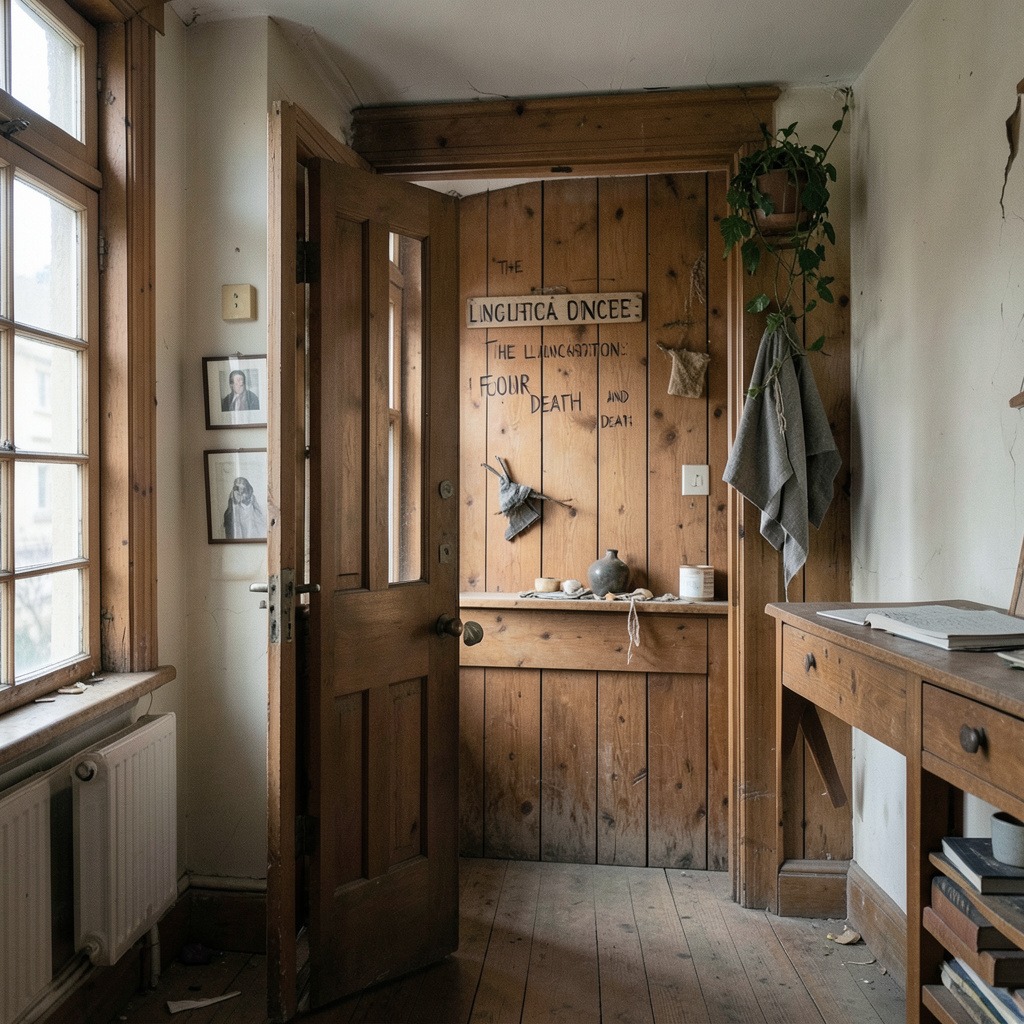
In East Asian cultures, the phonetic resemblance between the words for “four” and “death” profoundly influences societal beliefs and behaviors. This connection fosters a fear known as tetraphobia, shaping practices in daily life and architecture.
Phonetic Similarities Across Languages
The words for “four” and “death” in several East Asian languages share striking phonetic similarities:
- Chinese:
- Four: 四 (sì)
- Death: 死 (sǐ)
- Japanese:
- Four: 四 (shi)
- Death: 死 (shi)
- Korean:
- Four: 사 (sa)
- Death: 사 (sa)
- Vietnamese:
- Four: tứ/tư
- Death: tử
These similarities cause discomfort, leading to cultural practices that avoid the number four. For instance, in hotels and hospitals, the number four is often omitted to prevent negative associations.
Historical Context of Language Influence
The historical roots of this linguistic connection date back to ancient linguistic exchanges across East Asia. The Sino influence on languages like Japanese and Korean led to borrowed terms, which retained similar pronunciations.
Cultural practices influenced by this connection include:
- Skipping the fourth floor in buildings.
- Avoiding the number four in significant life events, such as weddings and gift-giving.
- Preferences for phone numbers and license plates that exclude the number four.
Contemporary examples illustrate how these linguistic roots impact perceptions of tetraphobia. For instance, younger generations in South Korea may embrace Western influences, yet many still avoid the number four in significant decisions, highlighting the ongoing relevance of these beliefs.
Understanding these phonetic and cultural ties enhances our comprehension of tetraphobia and its pervasive role in East Asian societies.
Cultural Practices: Avoidance of the Number Four

Tetraphobia, the fear of the number four, significantly influences daily life in East Asian cultures. This superstition manifests through various customs, architectural practices, and social behaviors that aim to circumvent the negative connotations associated with the number.
Architectural Avoidance of the Fourth Floor
Many buildings in East Asia omit the fourth floor entirely. This practice is rooted in the phonetic similarity between the word for “four” and the word for “death.”
- Hospitals often skip room number four to alleviate patient anxiety.
- Hotels frequently avoid assigning the number four to guest rooms.
- Public transportation systems may exclude seat number four to cater to sensitive passengers.
This architectural avoidance is not merely superstition; it reflects a deep cultural acknowledgment of the number’s negative symbolism. For example, in South Korea, the fourth floor is sometimes labeled as “3A” to sidestep the direct reference to the number four.
Gift-Giving Customs and Their Implications
Gift-giving in East Asian cultures is also affected by tetraphobia. The number four is often avoided to maintain positive energy and protect the occasion from bad luck.
- Sets of gifts: Presenting gifts in sets of four is considered a bad omen. Instead, people prefer sets of three or five.
- Ceremonial practices: During weddings and funerals, the number four is carefully avoided in arrangements and packaging.
- Everyday items: Products and marketing strategies often exclude the number four to prevent customer discomfort.
These customs illustrate how deeply ingrained tetraphobia is in societal norms, influencing not only personal choices but also broader market trends.
Checklist of Common Practices Avoiding the Number Four
- Skip the fourth floor in buildings.
- Avoid room or seat number four in hospitals and public transport.
- Present gifts in sets other than four.
- Exclude the number four from phone numbers and license plates.
- Use alternative labeling for the number four in commercial settings.
Understanding these practices enhances our awareness of how tetraphobia shapes daily life and cultural interactions in East Asian societies.
Architectural Implications: Skipping the Fourth Floor

Tetraphobia significantly shapes architectural practices in East Asia. The avoidance of the number four influences the design of buildings and impacts real estate markets.
Case Studies of Buildings Without a Fourth Floor
Many buildings across East Asia skip the fourth floor entirely. Instead of labeling it “4,” they might use “3A” or simply jump from the third floor to the fifth. For example, in major cities like Shanghai and Seoul, this practice is prevalent in residential complexes and commercial buildings.
- Shanghai, China: Many high-rise apartments omit the fourth floor from their numbering. This decision aligns with cultural beliefs, enhancing marketability among superstitious buyers.
- Seoul, South Korea: Commercial buildings often designate the fourth level as “F” in elevators, subtly avoiding direct reference to the number four.
These case studies illustrate how deeply entrenched tetraphobia is in building design. Developers prioritize the preferences of potential tenants, resulting in architectural choices that reflect cultural sensitivity.
Economic Impact on Real Estate
Tetraphobia affects property values and sales strategies in East Asia. Research shows that buildings without a fourth floor often command higher prices. Buyers are willing to pay a premium for properties that align with their cultural beliefs.
- Price Comparisons: Properties that skip the fourth floor can see up to a 10% increase in value compared to those that do not.
- Market Strategies: Developers often advertise the absence of the fourth floor as a selling point, tapping into local superstitions to attract buyers.
This economic impact highlights the intersection of culture and real estate, demonstrating that traditional beliefs can shape modern market dynamics. Understanding these architectural implications provides insight into how deeply rooted superstitions influence everyday decisions in East Asian societies.
Modern Perspectives: Tetraphobia Among Younger Generations
Perceptions of tetraphobia are evolving, especially among younger individuals in East Asian societies. While traditional beliefs about the number four remain influential, a shift is occurring in how these beliefs are interpreted and acted upon.
Shifts in Beliefs and Practices
Younger generations often view tetraphobia with a mix of respect and skepticism. They may acknowledge the traditional fears associated with the number four but often see them as outdated or overly cautious.
- Cultural Quirk: Many younger people embrace the number four ironically. They use it in art, branding, and social media, challenging traditional associations while recognizing their significance.
- Subconscious Awareness: Despite a more relaxed stance, younger individuals often carry a subconscious awareness of the negative connotations tied to the number four. This duality reflects a complex relationship with cultural heritage.
Cultural Adaptation and Modernization
Modernity influences how tetraphobia manifests in everyday life. While older generations may strictly avoid the fourth floor, younger populations exhibit a more adaptive approach.
- Architectural Choices: Some buildings in urban areas still skip the fourth floor due to market demands. However, in less traditional settings, developers may choose to include it, signaling a shift in consumer attitudes.
- Survey Insights: Recent surveys indicate that approximately 40% of younger adults view the number four as a cultural artifact rather than a serious superstition. This contrasts sharply with older generations, where the percentage climbs to over 70% who maintain strong beliefs about its unluckiness.
This evolving perspective highlights a cultural adaptation that balances respect for tradition with a modern worldview, illustrating how superstitions like tetraphobia continue to shape societal dynamics.
Comparing Tetraphobia with Western Superstitions
Tetraphobia, the fear of the number four, shares interesting contrasts with Western superstitions, particularly triskaidekaphobia, the fear of the number 13. Both superstitions influence cultural practices and architectural decisions, yet they arise from different linguistic and historical contexts.
Similarities and Differences
| Aspect | Tetraphobia (East Asia) | Triskaidekaphobia (Western) |
|---|---|---|
| Origin | Phonetic similarity to the word for death | Historical and biblical associations |
| Cultural Impact | Skipping the fourth floor in buildings | Skipping the 13th floor in hotels |
| Property Value Effects | Lower rents for properties with the number four | Some buildings omit the 13th floor |
| Generational Views | Younger generations view it as a cultural relic | Similar generational shifts on number 13 |
| Frequency of Avoidance | Common in China, Japan, and Korea | Less common outside specific contexts |
Cultural Contexts of Superstitions
Tetraphobia profoundly affects cultural practices in East Asia. For instance, in Japan and China, the avoidance of the number four extends to healthcare and real estate. Hospitals often skip room numbers containing four. In contrast, Western cultures generally do not share this phonetic connection. Triskaidekaphobia manifests primarily in architectural choices, such as omitting the 13th floor, yet lacks the comprehensive societal avoidance seen with tetraphobia.
Consider a practical example: A hotel in Japan may label its floors as 1, 2, 3, 5, 6, etc., to avoid the number four entirely. Conversely, a Western hotel might simply skip the 13th floor but would not typically alter the numbering of other floors.
The comparison illustrates how cultural contexts shape superstitions. In East Asia, the fear of death drives avoidance, while in the West, historical events and folklore underpin the superstition around the number 13. Understanding these differences enriches our appreciation of how numbers influence behavior and architectural design across cultures.
Frequently Asked Questions
These quick answers cover the most common questions about this topic, including key details, practical tips, and common concerns.
Why is the number 4 banned in Japan?
In Japan, the number four is often avoided due to its phonetic similarity to the word for death (死, shi). This cultural belief leads to practices where the number is omitted in various contexts, such as hospital room numbers and building floors. Many hotels and residential complexes skip the fourth floor altogether to prevent negative associations.
Why is floor 4 skipped?
Floor 4 is commonly skipped in East Asian buildings to avoid the bad luck associated with the number four. Architects and developers often label it as “3A” or jump directly from the third to the fifth floor. This practice aims to cater to cultural sensitivities and enhance the appeal of properties among superstitious buyers.
Why is 4 bad luck in Korean?
In Korean culture, the word for four (사, sa) sounds identical to the word for death (사, sa). This phonetic connection fosters a widespread belief that the number four is unlucky. As a result, many people avoid using the number in significant life events, such as weddings, and in everyday situations, like selecting phone numbers or license plates.
What is the fourth floor meaning?
The term “fourth floor” in East Asian contexts often carries negative connotations due to its association with death. Many buildings skip this floor in their numbering systems to alleviate fears and create a more favorable environment. In essence, the fourth floor symbolizes bad luck and is avoided in architectural practices.
Why do some cultures believe the number four is unlucky?
The belief that the number four is unlucky stems from its phonetic similarity to the word for death in several East Asian languages, including Chinese, Japanese, and Korean. This linguistic connection has led to cultural practices that shun the number in various aspects of life, from architecture to gift-giving, as a way to ward off misfortune.
What is tetraphobia?
Tetraphobia is the irrational fear of the number four, prevalent in East Asian cultures. It manifests in various ways, such as skipping the fourth floor in buildings, avoiding room numbers containing four, and steering clear of the number in important life events. The superstition reflects deeper societal beliefs about luck and death.
Would you like to know how this compares to Western superstitions like skipping the 13th floor, or explore other numerical taboos in East Asian cultures?
Tetraphobia contrasts sharply with Western superstitions like triskaidekaphobia, which is the fear of the number 13. While both involve avoidance of certain numbers, tetraphobia is rooted in linguistic associations with death, whereas triskaidekaphobia has historical and cultural origins. Understanding these differences highlights how numbers shape societal behaviors across cultures.
When did tetraphobia become prevalent in these cultures?
Tetraphobia has deep historical roots in East Asian cultures, likely dating back centuries. The fear of the number four became more pronounced with the spread of linguistic connections between the word for four and death. This cultural practice has persisted into modern times, influencing architecture and daily life.