
The four-leaf clover is widely regarded as a symbol of good luck, with each leaf representing hope, faith, love, and luck.
The four-leaf clover, a rare variant of the common clover, has long been associated with good fortune and magical properties. This guide explores the superstition surrounding the four-leaf clover, its symbolism, historical roots, and practical tips for finding one.
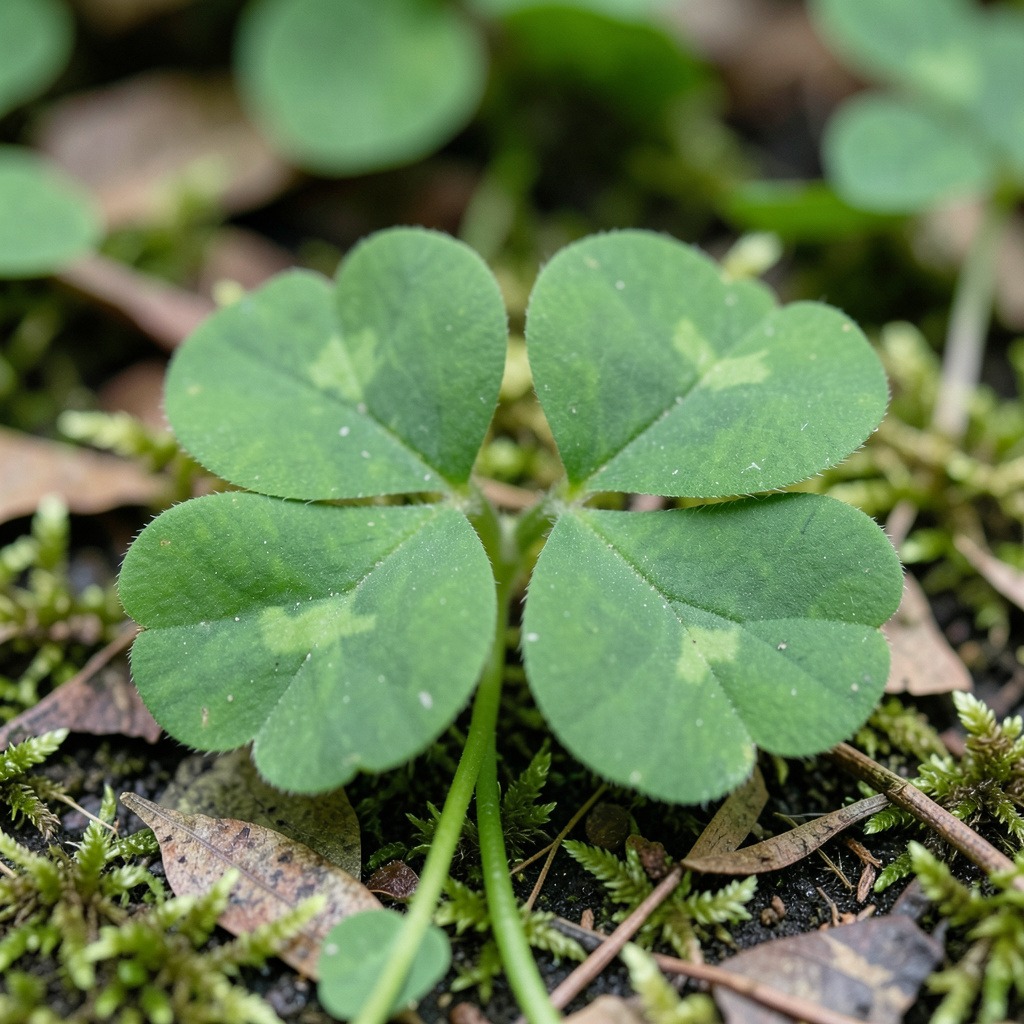
Understanding the Four-Leaf Clover: A Symbol of Luck
The four-leaf clover is not just a botanical rarity; it embodies a rich tapestry of symbolism and cultural beliefs. Each leaf represents distinct qualities, and its significance varies across different societies.
The Significance of Each Leaf
Each leaf of the four-leaf clover is believed to symbolize a specific attribute:
- First Leaf: Represents faith. It serves as a reminder to hold onto one’s beliefs, especially in challenging times.
- Second Leaf: Stands for hope. This leaf encourages individuals to remain optimistic about the future.
- Third Leaf: Symbolizes love. It highlights the importance of love in personal relationships and connections.
- Fourth Leaf: Represents luck. This leaf is the most sought after, embodying the idea of fortune and serendipity.
These interpretations are consistent across many cultures, but nuances exist depending on regional beliefs.
Cultural Interpretations of Luck
The four-leaf clover holds different meanings in various cultures:
- Celtic Mythology: Druids believed that finding a four-leaf clover granted protection from evil spirits. It was considered a charm for good luck and a guide to the future.
- Christian Symbolism: In Christian tradition, the four leaves are often linked to the Garden of Eden and symbolize the blessings of paradise. The clover is seen as a protective emblem against misfortune.
- Japanese and Chinese Beliefs: In Japan, the four-leaf clover signifies luck and romantic intentions, while in China, each leaf represents true love, health, honor, and wealth.
These cultural interpretations enhance the four-leaf clover’s status as a universal symbol of good fortune.
Table of Contents
Common Misconceptions About Four-Leaf Clovers
Several misconceptions surround the four-leaf clover, often leading to confusion about its symbolism:
- Myth of Rarity: While it’s true that four-leaf clovers are rare, their existence is not as mythical as some believe. The chances of finding one are about 1 in 5,000.
- Luck Guarantee: Many people believe that simply possessing a four-leaf clover guarantees good luck. In reality, it serves as a symbol of hope and positivity rather than a magical talisman.
- Comparison with Three-Leaf Clovers: Not all clovers are created equal. The three-leaf clover, or shamrock, typically symbolizes faith, hope, and love, but lacks the additional qualities associated with the fourth leaf.
Understanding these misconceptions can deepen one’s appreciation for the four-leaf clover’s true cultural significance and enhance the experience of finding one.
The Historical Roots of Four-Leaf Clover Superstitions
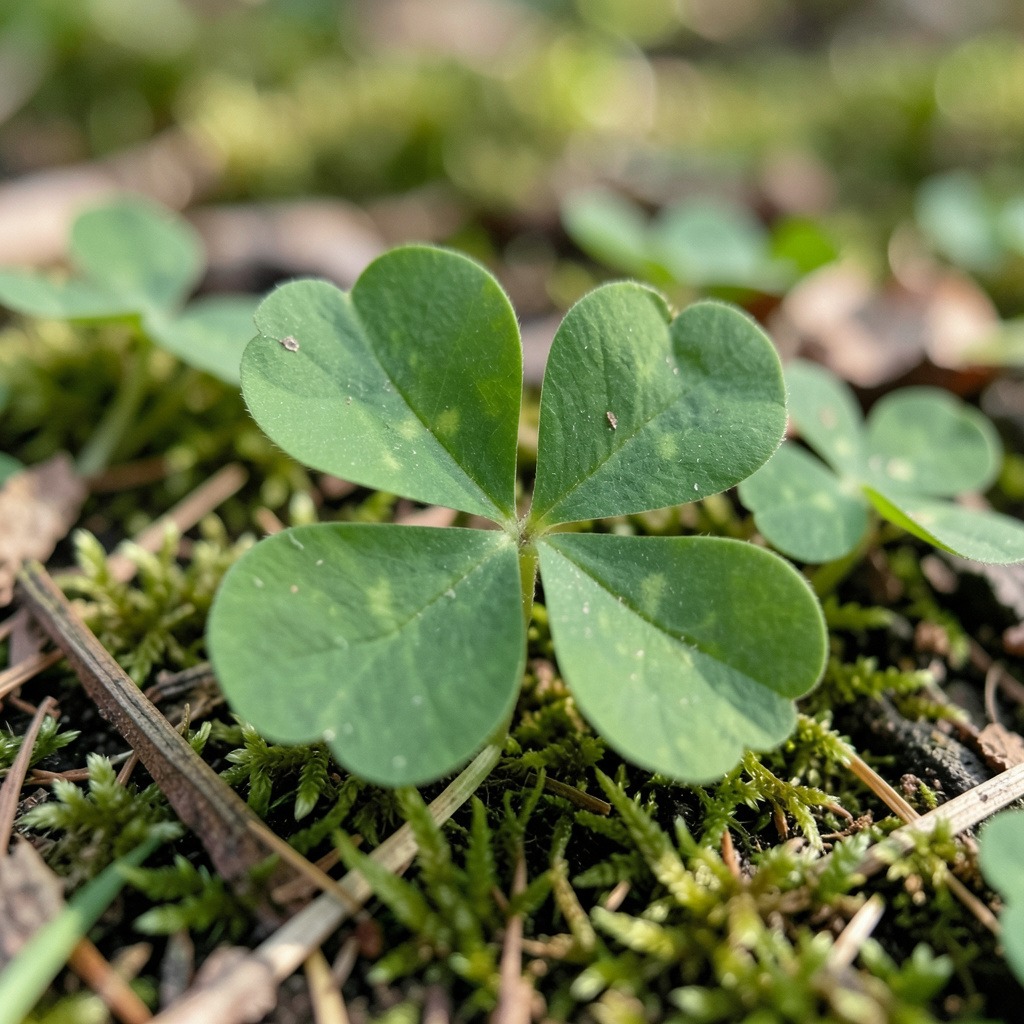
The four-leaf clover carries rich historical roots and symbolism, particularly in Celtic and Christian traditions. Understanding its origins enhances appreciation for its cultural significance.
Celtic Beliefs and Druid Practices
In Celtic mythology, the four-leaf clover was revered as a sacred plant. The Celts believed that finding one could provide access to the spiritual realm. Druids, the ancient priests of the Celts, considered the clover a powerful charm. They believed it could ward off evil spirits and protect warriors in battle.
- Protection: The four leaves were thought to safeguard against misfortune.
- Spiritual Connection: It was believed to aid in communication with the spirit world.
- Rarity: With a probability of 1 in 5,000 to find one, it was seen as a mark of divine favor.
Christian Legends and the Garden of Eden
Christian symbolism also intertwines with the four-leaf clover’s lore. Some legends suggest that the four leaves represent the four virtues: faith, hope, love, and luck.
- Eve’s Gift: According to some beliefs, Eve carried a four-leaf clover from the Garden of Eden, embodying good fortune and divine blessings.
- Holy Symbol: The four leaves are sometimes linked to the blessings of Paradise, reinforcing the idea that they are gifts from a higher power.
Evolution of Superstitions Over Time
The superstition surrounding four-leaf clovers has evolved, spreading across cultures and adapting to various beliefs.
- Celtic to Modern: Initially tied to Celtic traditions, its meanings shifted as it spread to Christianity and beyond.
- Cultural Variations: Different cultures ascribe distinct meanings to each leaf:
- First Leaf: Hope
- Second Leaf: Faith
- Third Leaf: Love
- Fourth Leaf: Luck
This evolution illustrates how the four-leaf clover has transcended its botanical identity, becoming a universal symbol of hope and protection.
Personal Anecdote: Many individuals recount the joy of discovering a four-leaf clover. A common sentiment is that finding one brings a sense of connection to history and tradition, reinforcing the belief in its luck-bringing properties.
In summary, the historical roots of four-leaf clover superstitions weave through Celtic beliefs, Christian legends, and evolving cultural interpretations, enriching its status as a symbol of good fortune.
Practical Tips for Finding Four-Leaf Clovers
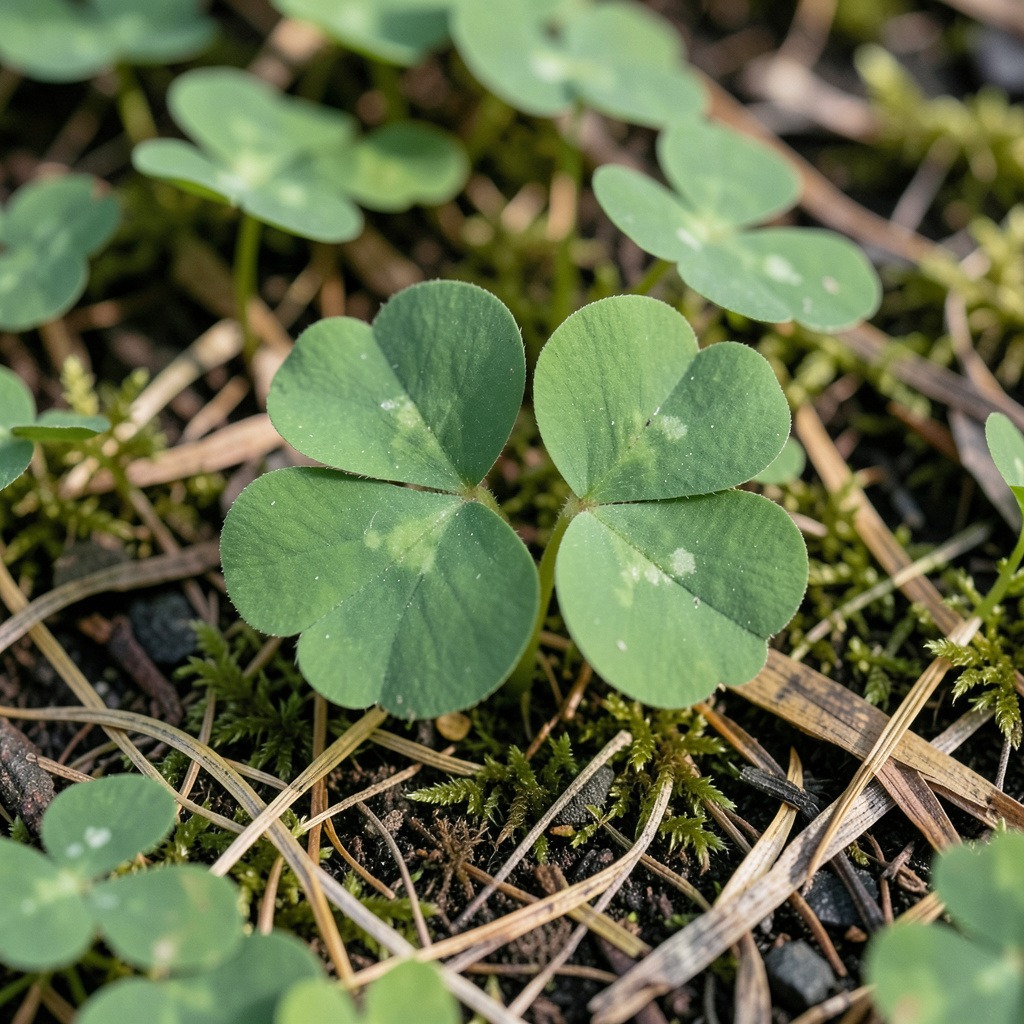
Finding a four-leaf clover can be a rewarding experience, steeped in superstition and cultural significance. Here are effective strategies to enhance your chances of discovery.
Best Locations to Search
Choosing the right environment is crucial. Four-leaf clovers thrive in specific areas:
- Grassy Fields: Look for untouched meadows or lawn patches.
- Woodland Edges: Clovers often grow in the shady areas near trees.
- Gardens: Check out well-maintained gardens or flower beds.
- Near Water: Clovers flourish in moist soil near streams or ponds.
Seasonal Considerations for Clover Hunting
Timing your search can significantly impact your success. The best times to search for four-leaf clovers include:
- Spring: From March to May, when clovers are blooming.
- Summer: Early summer is ideal, particularly in June before they begin to wilt.
Consider the climate in your area to optimize your search during these peak seasons.
Effective Searching Techniques
Utilize these techniques to increase your chances of finding a four-leaf clover:
1. Patience and Focus: Scan the ground slowly. Four-leaf clovers are often hidden among their three-leaf relatives.
2. Look for Variations: Notice differences in leaf shape or color. Unusual variations may indicate a four-leaf clover.
3. Use a Grid Method: Divide your search area into sections. Methodically check each section to ensure thoroughness.
4. Check the Soil: Healthy, rich soil promotes clover growth. Areas with nutrient-rich soil are more likely to yield success.
Quick Reference Checklist
| Technique | Description |
|---|---|
| Location | Grassy fields, woodland edges, gardens |
| Best Seasons | Spring (March-May), Early Summer (June) |
| Search Method | Slow scanning, look for variations, grid method |
By following these practical tips, you enhance your likelihood of finding a four-leaf clover, connecting with its rich tapestry of luck and superstition.
Comparing Three-Leaf and Four-Leaf Clovers: What’s the Difference?
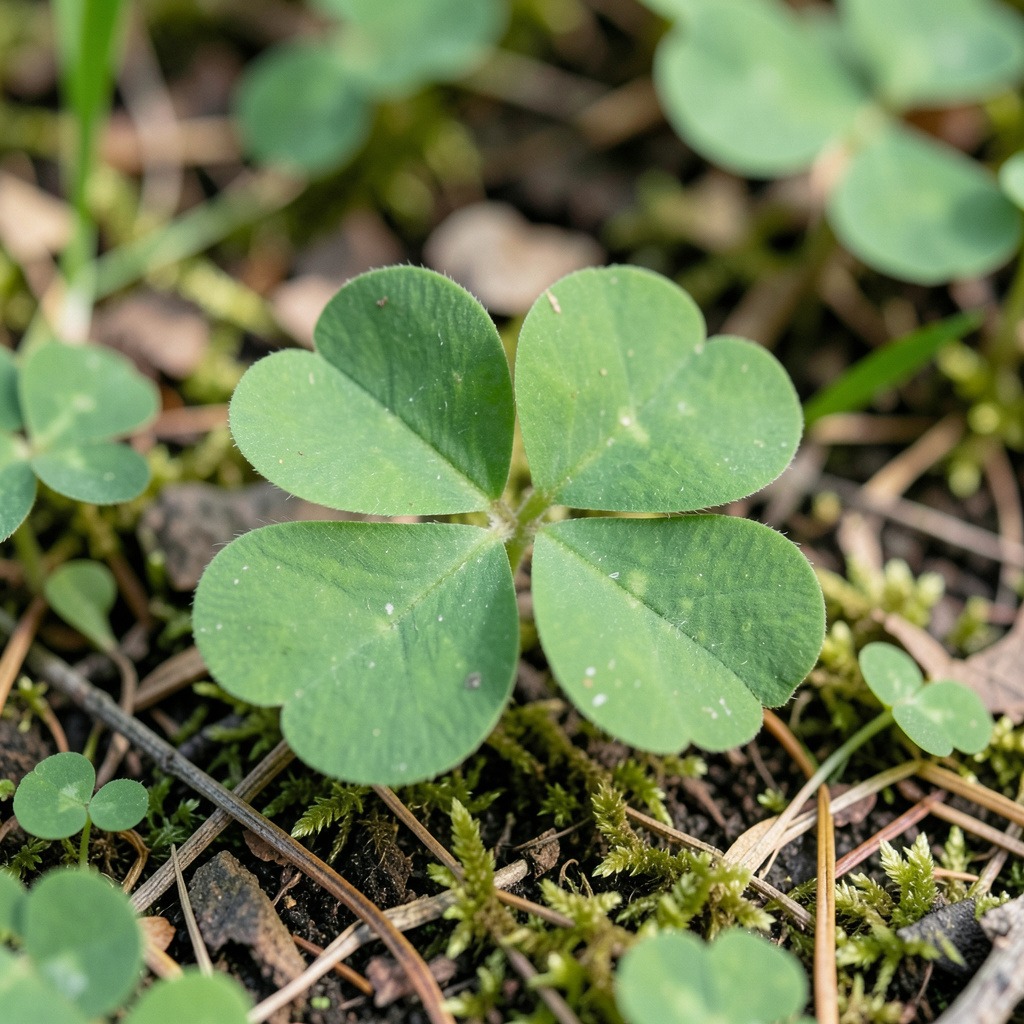
The three-leaf and four-leaf clovers are distinct in both their appearance and symbolic meanings. Understanding these differences enriches the appreciation of the four-leaf clover superstition and its cultural significance.
Symbolism of the Three-Leaf Clover
The three-leaf clover, commonly known as a shamrock, is a symbol of hope, faith, and love. Each leaf represents a different quality:
- First Leaf: Faith
- Second Leaf: Hope
- Third Leaf: Love
In Irish culture, the shamrock is associated with St. Patrick, who used it to explain the Holy Trinity. It symbolizes a connection to one’s heritage and is often worn on St. Patrick’s Day.
Why Four-Leaf Clovers Are More Special
In contrast, the four-leaf clover is a rare variation that is believed to bring extraordinary luck. Each leaf has its own specific meaning:
- First Leaf: Faith
- Second Leaf: Hope
- Third Leaf: Love
- Fourth Leaf: Luck
The rarity of the four-leaf clover—estimated at one in 5,000—adds to its mystique. Finding one is considered a sign of good fortune, potentially offering protection against evil spirits and attracting prosperity.
Common Myths About Clover Types
Several myths surround the differences between three-leaf and four-leaf clovers. Some common misconceptions include:
- Myth: All clovers bring luck.
- Fact: Only the four-leaf variety is specifically tied to luck, while three-leaf clovers symbolize spiritual qualities.
- Myth: Four-leaf clovers are easy to find.
- Fact: Their rarity makes them a sought-after treasure, often leading to elaborate searches.
- Myth: The number of leaves doesn’t matter.
- Fact: Each leaf in both types has distinct meanings, influencing their cultural significance.
Comparison Chart of Clover Types
| Clover Type | Symbolism | Cultural Significance |
|---|---|---|
| Three-Leaf Clover | Faith, Hope, Love | Associated with St. Patrick and Irish culture |
| Four-Leaf Clover | Faith, Hope, Love, Luck | Represents extraordinary luck and protection from evil |
Understanding these distinctions enhances the appreciation of the four-leaf clover as more than just a botanical curiosity; it serves as a powerful symbol of hope and fortune across various cultures.
Incorporating Four-Leaf Clovers into Everyday Life
Integrating four-leaf clovers into daily life can enhance personal beliefs in luck and fortune. These practices can serve not only as rituals but also as meaningful connections to nature and cultural traditions.
Personal Rituals and Beliefs
Many individuals adopt personal rituals involving four-leaf clovers. Common practices include:
- Carrying a Clover: Keep a preserved four-leaf clover in your wallet or purse as a talisman of luck.
- Creating Charms: Craft jewelry or keychains using clover motifs to symbolize good fortune.
- Daily Affirmations: Incorporate the significance of the clover into daily affirmations, such as stating, “I attract luck and positivity.”
These rituals reinforce the belief that luck can be cultivated through intention and mindfulness.
Creative Uses for Four-Leaf Clovers
Consider incorporating four-leaf clovers creatively into your life:
- Home Decor: Frame dried four-leaf clovers and hang them in your living space to invite luck and positivity.
- Art Projects: Use clover prints in art or scrapbooking to symbolize hope and good fortune.
- Gift Giving: Include a four-leaf clover in gifts to friends or family, symbolizing your wish for their happiness and success.
These creative expressions not only celebrate the clover’s symbolism but also allow you to share its magic with others.
Sharing Your Luck: Community Practices
Participating in community practices can deepen your connection to the four-leaf clover superstition:
- Clover Hunts: Organize or join local nature walks focused on finding four-leaf clovers. Share stories of your discoveries with others to amplify the experience.
- Ritual Celebrations: Engage in group rituals on occasions like St. Patrick’s Day, where four-leaf clovers are prominently featured. Activities might include lighting candles or sharing good fortune stories.
- Social Media Sharing: Use platforms to share photos and anecdotes about your four-leaf clover finds, fostering a sense of community among believers.
These communal activities enhance the shared understanding of luck and build connections among individuals who cherish the symbolism of the four-leaf clover.
Frequently Asked Questions
These quick answers cover the most common questions about this topic, including key details, practical tips, and common concerns.
Which is luckier, a 3 or 4-leaf clover?
The four-leaf clover is considered luckier than the three-leaf clover. Each leaf of the four-leaf clover symbolizes faith, hope, love, and luck, with the fourth leaf representing extraordinary fortune. In contrast, the three-leaf clover, or shamrock, symbolizes only faith, hope, and love, making it less auspicious in terms of luck.
Is a four-leaf clover considered bad luck?
Generally, a four-leaf clover is not considered bad luck. In most cultures, it is a symbol of good fortune and protection. However, some superstitions exist in specific cultures where finding a four-leaf clover could be seen as a harbinger of misfortune. These beliefs are not widely held and vary by region.
What is the luckiest clover to find?
The luckiest clover to find is the four-leaf clover. Its rarity—about 1 in 5,000—adds to its reputation as a powerful symbol of luck. Each leaf represents different virtues, with the fourth leaf specifically associated with bringing good fortune.
How many leaf clover is lucky?
A four-leaf clover is considered lucky. While three-leaf clovers symbolize faith, hope, and love, the additional fourth leaf of the four-leaf clover is what distinguishes it as a symbol of luck. Finding one is often seen as a sign of positive outcomes in various aspects of life.
Why are four-leaf clovers considered good luck?
Four-leaf clovers are considered good luck due to their rarity and the positive qualities each leaf represents. The belief dates back to ancient traditions, including Celtic and Christian symbolism, where the clover was thought to protect against evil and bring blessings. This cultural significance has solidified its status as a universal symbol of good fortune.
What are some tips to spot a four-leaf clover?
To spot a four-leaf clover, look in grassy areas, especially in fields or gardens. Focus on searching during spring or early summer when clovers are in bloom. Use a grid method to systematically check sections of grass, and look for variations in leaf shape or color that might indicate a four-leaf clover.
Can four-leaf clovers bring bad luck?
While four-leaf clovers are predominantly seen as symbols of good luck, some cultures hold the belief that finding one could bring bad luck. These views are not common and are overshadowed by the widespread perception of the four-leaf clover as a charm for protection and positive fortune.