
Dropping a fork is traditionally believed to signal an impending visit from a male guest, while dropping a spoon indicates a female visitor.
Fork dropping superstitions offer fascinating insights into cultural beliefs surrounding social interactions. Many people believe that the act of dropping utensils can predict future visitors or signify changes in fortune, reflecting deeper societal values and traditions.
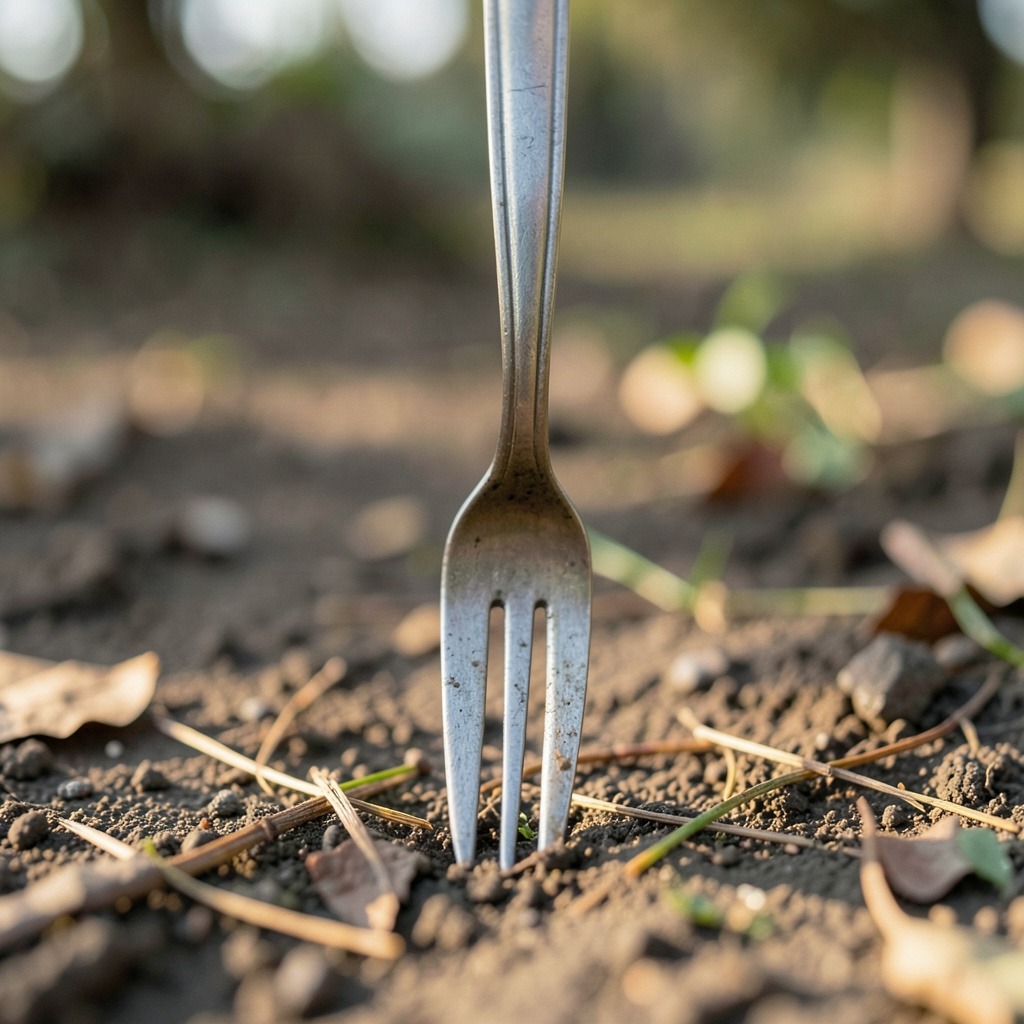
The Meaning Behind Fork Dropping Superstitions
The superstition surrounding dropping a fork often indicates an impending visit from a male guest. This belief varies across cultures and reflects deeper societal traditions.
Cultural Interpretations of Dropping a Fork
In many cultures, the act of dropping a fork holds significant meaning. It is commonly believed that a dropped fork foreshadows the arrival of a male visitor. This interpretation stems from traditional notions of hospitality and social gatherings.
Here are some cultural interpretations of this superstition:
- Western Cultures: In the United States and Europe, dropping a fork is often seen as a sign that a male friend or family member is expected. This belief may be rooted in the historical significance of male visitors in social contexts.
- Latin American Cultures: Some Latin American countries interpret a dropped fork as a signal of potential financial issues or disputes. This reflects the connection between social interactions and economic stability.
- Asian Cultures: In certain Asian traditions, a dropped fork may indicate that someone is thinking about you or longing for your presence. This highlights the emotional ties associated with social gatherings.
The Significance of Male Visitors
The belief that dropping a fork signifies an impending visit from a male guest can be traced back to historical practices. In many societies, male visitors were often associated with important social interactions. Therefore, the superstition emphasizes the anticipation and significance of these encounters.
For example, in a household with a tradition of inviting friends over for dinner, dropping a fork might prompt a family member to prepare for an unexpected but welcomed guest. This practical application of the superstition illustrates its relevance in everyday life.
Table of Contents
In summary, the superstition surrounding dropping a fork serves as a reminder of social connections and the cultural importance of hospitality. Understanding these interpretations enriches our appreciation of how everyday occurrences can be steeped in meaning.
Fork vs. Spoon: What Each Drop Means
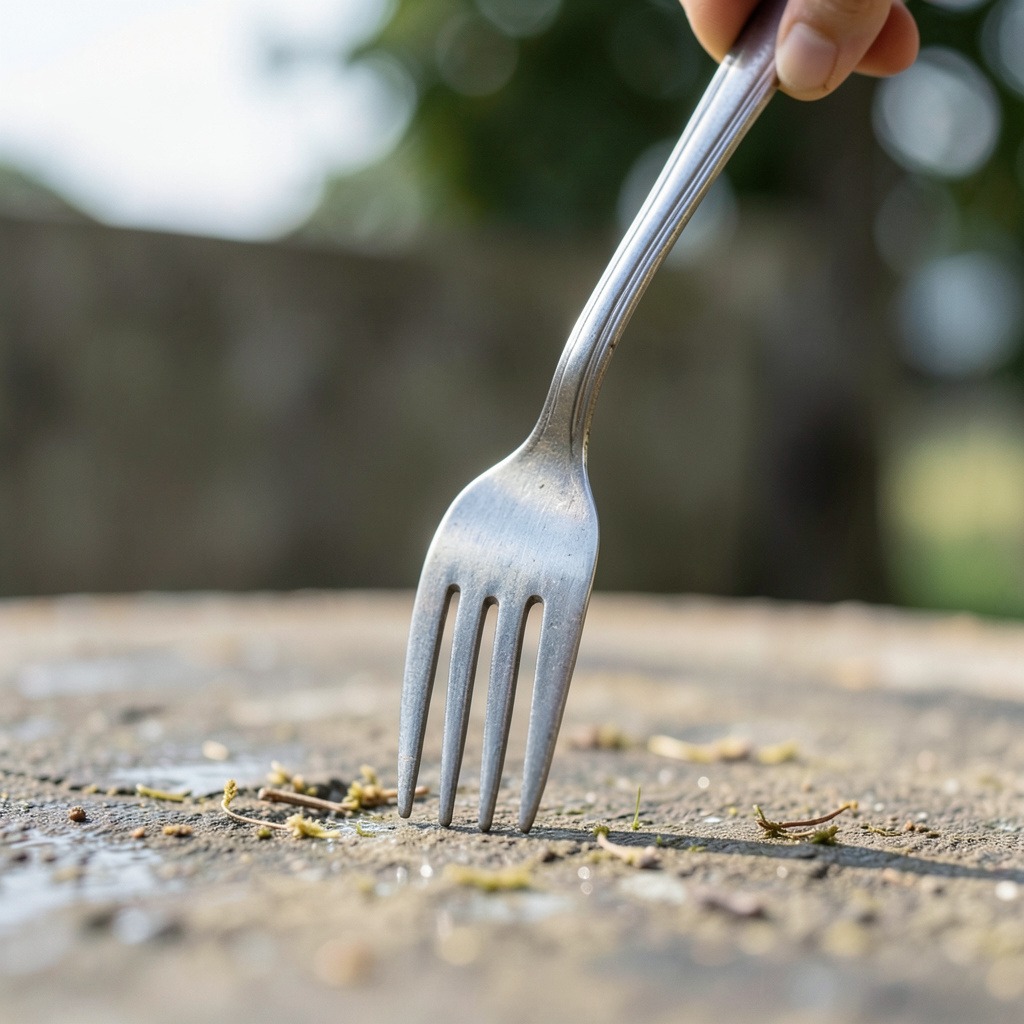
Dropping a fork or a spoon can evoke different interpretations based on cultural beliefs. Each utensil carries its own significance, impacting how people perceive such incidents.
What a Dropped Fork Signifies
In many cultures, a dropped fork is often associated with the arrival of a male visitor. This belief stems from the idea that unexpected occurrences signal important social interactions. Here are some interpretations:
- Male Visitor: A dropped fork typically indicates that a man will soon visit.
- Disputes: In some traditions, it may symbolize upcoming arguments or financial troubles.
- Unexpected News: Some interpret it as a sign of receiving surprising information, whether positive or negative.
The Implications of Dropping a Spoon
Conversely, dropping a spoon is frequently linked to different meanings. Here’s how it compares to dropping a fork:
- Female Visitor: A spoon drop often suggests that a woman will be visiting.
- Good News: It is commonly interpreted as a signal of pleasant news or happy events.
- Social Gatherings: In various cultures, it may indicate an upcoming social occasion or celebration.
Comparative Interpretations Table
| Utensil | Common Belief | Cultural Interpretation |
|---|---|---|
| Fork | Male visitor | Anticipation of important social interaction or disputes |
| Spoon | Female visitor | Expectation of good news or social gatherings |
Understanding these distinctions enriches the appreciation of cultural beliefs surrounding everyday actions. The next time a utensil drops, consider the potential significance tied to your cultural background.
Historical Context of Fork Dropping Superstitions

The superstition surrounding dropped forks has deep historical roots. Various cultures have interpreted this common occurrence as an omen, often linking it to social interactions or shifts in fortune.
Origins of the Superstition
Historically, utensils like forks and spoons were seen as extensions of the self. Dropping one was believed to signify something significant. For instance:
- Medieval Europe: Forks were relatively new and considered valuable. A dropped fork might signal an unexpected visitor, particularly a male one, highlighting the importance of hospitality.
- Native American Beliefs: Some tribes viewed dropped utensils as a warning sign, indicating the presence of spirits or the need for caution in social settings.
These interpretations emphasize the social value placed on food and dining rituals. Each incident of dropping a utensil was not merely an accident but a moment to reflect on one’s social environment.
Evolution of Cultural Beliefs
Over time, the meanings associated with dropping a fork have evolved, influenced by cultural shifts and modernization:
- Contemporary Interpretations: In modern contexts, dropping a fork may still be viewed as a sign of an impending social encounter. However, it is often seen through a psychological lens. Some psychologists suggest that such incidents might reflect subconscious stress or distraction.
- Cultural Variations: Different regions have unique interpretations. In some cultures, a dropped fork can predict financial troubles or conflicts, while in others, it may still suggest the arrival of a guest.
This evolution of beliefs illustrates how cultural perceptions adapt over time while still retaining elements of their original significance.
Real-Life Anecdotes
Personal stories often illustrate these superstitions in action. For example, one individual recounted that every time they dropped a fork during family dinners, a close relative would unexpectedly visit later that week. Such anecdotes reinforce the belief in the superstition and its relevance in daily life.
Understanding the historical context and evolution of fork dropping superstitions enriches our appreciation of cultural beliefs. The next time a utensil falls, consider its potential significance tied to your cultural background.
How to React When You Drop a Fork

Dropping a fork can evoke various responses based on cultural superstitions. Understanding these reactions can enhance your awareness of the situation’s significance.
Suggested Reactions to Dropping a Fork
When a fork falls, consider the following actions:
- Pause and Acknowledge: Take a moment to recognize the incident. This acknowledgment can help you reflect on its potential meaning.
- Check Your Surroundings: Assess the atmosphere around you. Is there someone nearby who may be affected by this event?
- Smile or Laugh: Lightening the mood can dissipate any tension associated with the superstition.
- Pick It Up with Care: As you retrieve the fork, do so with intention. This act can symbolize your readiness to accept what the incident might foretell.
Common Rituals and Beliefs
Different cultures have unique interpretations and rituals associated with dropping a fork:
- Expecting a Visitor: In some traditions, a fallen fork indicates an imminent visit from a male guest.
- Financial Insights: Others believe it may signify upcoming financial disputes or challenges.
- Superstition Diary: Keeping a record of when utensils drop can reveal patterns over time, enhancing personal understanding of the superstition.
Checklist of Recommended Actions
To navigate the situation smoothly, consider this checklist:
- [ ] Acknowledge the drop with a positive remark.
- [ ] Look around for any signs of incoming guests.
- [ ] Reflect on any recent financial matters.
- [ ] Keep a lighthearted attitude to ease any unease.
- [ ] Document the event in a superstition diary for future reference.
Understanding these responses and rituals can provide clarity and context to the seemingly mundane act of dropping a fork.
Psychological Perspectives on Superstitions
Superstitions, including the belief surrounding fork dropping, often stem from deep psychological factors and cultural influences. These beliefs can shape behaviors and perceptions in various ways.
Cognitive Biases and Superstitions
Cognitive biases play a significant role in the maintenance of superstitions. For instance, confirmation bias leads individuals to notice and remember instances that support their beliefs while ignoring those that contradict them. This phenomenon explains why many people might recall a fork drop predicting a visitor but forget the many times it had no significance.
- Self-fulfilling Prophecy: When someone believes a dropped fork indicates a visitor, they may subconsciously act in ways that make this belief come true, such as preparing for guests.
- Pattern Recognition: Human brains are wired to seek patterns. This inclination can lead to the belief that random events, like dropping a fork, are connected to future occurrences.
The Role of Cultural Context
Cultural context influences how superstitions are formed and interpreted. In some cultures, dropping a fork is associated with the arrival of a male visitor, while in others, it might signal bad luck or financial issues. These interpretations can vary widely, reflecting societal norms and values.
- Cultural Variations:
- In Western cultures, a fork drop might suggest conflict or tension.
- In many Asian cultures, it can indicate impending news or guests.
Understanding these cultural meanings can enhance the appreciation of how superstitions function within a community. They serve not only as personal beliefs but also as shared narratives that foster social connections.
Psychological Insights into Belief in Superstitions
Superstitions persist across generations due to their psychological and social benefits. They offer comfort in uncertain situations and provide a sense of control.
- Coping Mechanism: Engaging in superstitious behavior can alleviate anxiety. For example, if someone drops a fork, attributing meaning to it allows them to mentally prepare for potential outcomes.
- Social Bonding: Sharing superstitions can strengthen relationships. Families often pass down these beliefs through anecdotes, reinforcing cultural ties.
In essence, understanding the psychological underpinnings of superstitions like fork dropping reveals their complex role in human behavior. By recognizing these factors, individuals can better navigate their own beliefs and the cultural narratives surrounding them.
Personal Anecdotes: Fork Dropping in Everyday Life
Many individuals have encountered the peculiar phenomenon of dropping a fork, often attributing deeper meanings to these moments. These personal stories illustrate how such superstitions impact social interactions and family traditions.
Family Traditions and Beliefs
In a small family gathering, a fork fell from the table as they prepared for dinner. The grandmother quickly remarked, “That’s a sign that a male visitor is on the way!” This belief, passed down through generations, sparked laughter and conversation. The family members began sharing stories about unexpected guests that had coincidentally followed similar occurrences.
- Personal Testimonial: A young woman recalled a time when her family hosted a dinner party. As the meal began, a fork slipped from her brother’s hand. Everyone paused, and her mother playfully said, “Get ready for some news!” Shortly after, a friend arrived with exciting news about a job offer. This incident reinforced their belief that dropping a fork is a harbinger of good or surprising tidings.
Modern-Day Relevance
In contemporary settings, the superstition surrounding fork dropping continues to resonate. Friends often share anecdotes about their experiences, blending humor with cultural wisdom.
- Example: A college student described a study session where her group was discussing their future plans. Suddenly, a fork fell off the table. One friend jokingly announced, “Someone’s about to get a surprise!” Moments later, another group member received a text about an unexpected scholarship opportunity. This incident underscored how such beliefs can create a sense of anticipation and excitement in everyday life.
Impact on Social Interactions
These fork dropping superstitions foster connection and engagement among friends and family. They serve as conversation starters and help establish a shared cultural narrative.
- Scenario: During a holiday dinner, a fork dropped while family members were discussing their resolutions for the year. The host laughed and said, “This must mean it’s time for change!” This light-hearted comment encouraged everyone to share their hopes and dreams, transforming a simple moment into a bonding experience.
Through these personal anecdotes, the superstition surrounding fork dropping illustrates its enduring significance in social contexts.
Frequently Asked Questions
These quick answers cover the most common questions about this topic, including key details, practical tips, and common concerns.
What does dropping a fork mean spiritually?
Dropping a fork is often seen as a spiritual sign that a male visitor is expected soon. This belief reflects cultural values around hospitality and social connections. Many view it as an omen of change or an upcoming social interaction, suggesting that the act of dropping the fork holds deeper significance beyond a mere accident.
What does a fallen fork mean?
A fallen fork typically indicates the potential arrival of a male guest, according to various cultural interpretations. In some traditions, it may also symbolize disputes or financial troubles. This dual meaning highlights how the significance of a dropped fork can vary based on cultural context and personal beliefs.
Why do I keep dropping my fork?
Repeatedly dropping a fork may be linked to distraction, anxiety, or subconscious stress. Psychologically, this behavior can reflect a person’s mental state or the environment around them. It’s essential to consider the context; if it happens frequently, it might be worth assessing your focus or the dynamics of the situation.
What is the superstition about dropping silverware?
The superstition surrounding dropping silverware, particularly forks, often suggests an impending visit or news related to male guests. In contrast, dropping a spoon is typically associated with female visitors and good news. These distinctions illuminate the cultural significance attached to different utensils and their meanings.
Are there cultural variations in fork dropping superstitions?
Yes, various cultures interpret fork dropping differently. For example, while Western cultures often see it as a sign of a male visitor, some Latin American traditions may associate it with financial issues. In certain Asian cultures, a dropped fork could indicate that someone is thinking about you. These variations reflect diverse societal values and beliefs.
How should one react if they drop a fork?
When dropping a fork, it’s common to pause and acknowledge the incident. Many people may smile or laugh to lighten the mood, followed by picking up the fork with intention. This reaction not only addresses the superstition but also helps maintain a positive atmosphere during social gatherings.
What do old superstitions say about dropping utensils?
Old superstitions suggest that dropping utensils like forks or spoons can predict social interactions or changes in fortune. For instance, a dropped fork may mean a male visitor will arrive, while a dropped spoon might indicate good news or a female visitor. These beliefs often stem from historical practices related to hospitality and social customs.
What happens when a knife or fork falls on the floor folklore?
Folklore surrounding a dropped knife or fork varies, but it often carries ominous meanings. A dropped knife might signify conflict or arguments ahead, while a fork generally suggests a male visitor. Understanding these interpretations can help individuals navigate social situations with awareness of cultural beliefs.