
Feng shui superstition refers to beliefs and practices within feng shui that are rooted in cultural myths and perceptions of luck, often leading to misconceptions about its principles and applications in design and daily life.
Feng shui superstition encompasses the beliefs and practices surrounding feng shui that blur the lines between cultural tradition and unfounded myths. This article delves into these superstitions, exploring their origins, significance, and practical implications in modern contexts.

Understanding Feng Shui and Its Origins
Feng shui is a complex practice rooted in ancient Chinese philosophy, focusing on harmonizing individuals with their environment. It emphasizes the flow of energy, or chi, to enhance well-being and prosperity.
Historical Development of Feng Shui
Feng shui originated over 3,000 years ago in China. Initially, it served practical purposes, guiding the placement of homes and graves to optimize energy flow. Early practitioners observed natural patterns and how they influenced human life. This connection to the environment laid the foundation for feng shui principles.
Key Historical Points:
- Ancient Origins: Developed from observations of nature and its effects on communities.
- Cultural Integration: Feng shui became intertwined with Chinese beliefs, influencing architecture and urban planning.
- Evolution Over Time: Adapted through dynasties, reflecting changes in societal values and environmental consciousness.
Key Principles of Feng Shui
The core principles of feng shui revolve around the movement and balance of chi. Understanding these principles helps decipher the often-misunderstood aspects of feng shui superstition.
Core Principles Include:
Table of Contents
- Chi Flow: The unobstructed movement of energy is vital for health and prosperity.
- Yin and Yang: Represents balance; spaces should harmonize these opposing forces.
- Five Elements: Wood, Fire, Earth, Metal, and Water interact to influence energy dynamics.
Cultural Relevance in Modern Society
Today, feng shui extends beyond traditional practices. It influences interior design, urban planning, and personal well-being. Despite skepticism about its superstitious elements, many find value in its holistic approach.
Modern Applications:
- Home Design: Individuals apply feng shui principles to create harmonious living spaces.
- Corporate Environment: Businesses use feng shui to enhance productivity and employee satisfaction.
- Self-Improvement: Many practitioners incorporate feng shui concepts in their daily lives to promote positivity.
Incorporating feng shui involves practical steps, such as decluttering spaces, positioning furniture mindfully, and integrating natural elements. These actions not only reflect ancient beliefs but also resonate with contemporary desires for balance and well-being.
The Cultural Significance of Feng Shui Superstitions
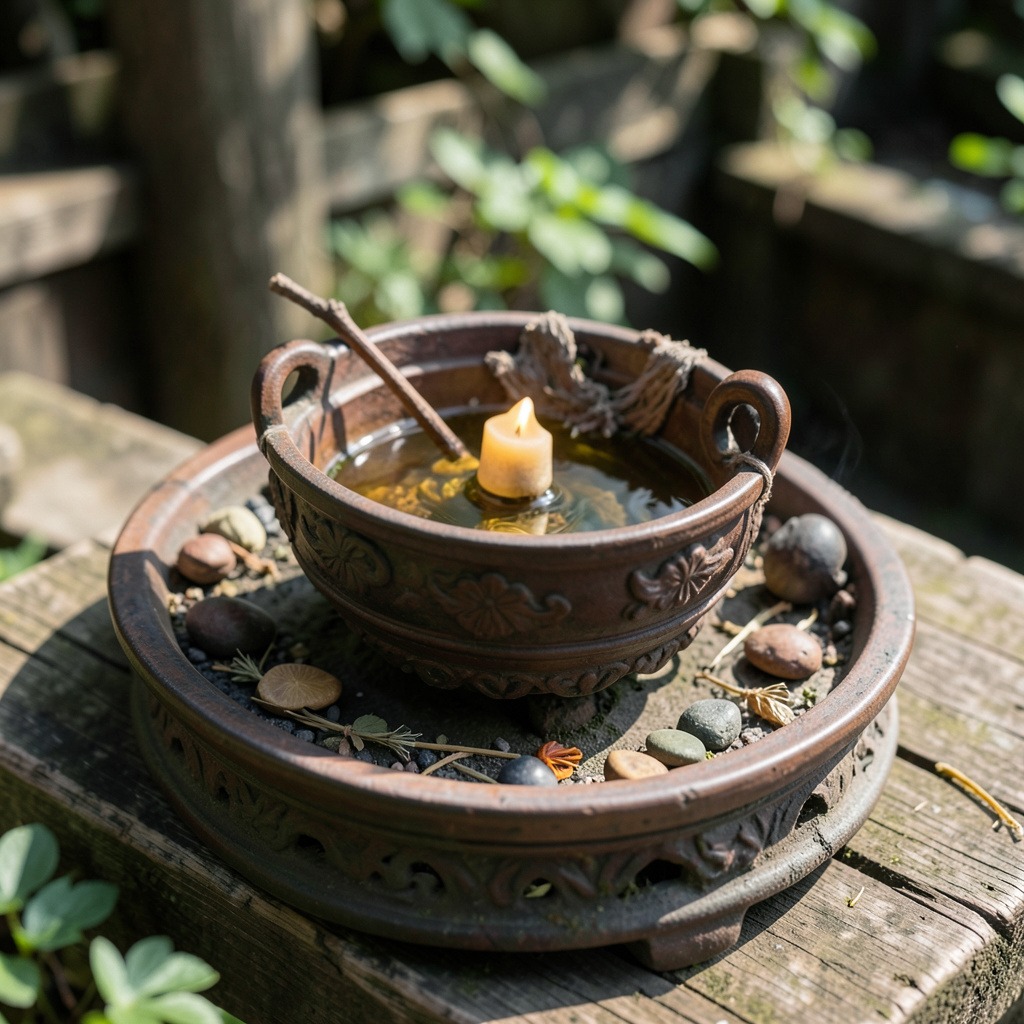
Feng shui embodies a rich tapestry of beliefs that intertwine with cultural practices, shaping perceptions and actions in daily life. While often viewed through the lens of superstition, its significance extends far beyond mere myth.
Cultural Practices and Beliefs
Feng shui plays a vital role in various cultural practices. It influences significant life events, such as weddings, business openings, and home purchases. In many Asian cultures, choosing auspicious dates and locations is rooted in feng shui principles. For instance, couples may select wedding dates based on favorable feng shui timings to ensure a harmonious union. Similarly, businesses often consult feng shui experts when opening new ventures to attract prosperity.
- Weddings: Couples consult feng shui to select dates and venues that promote harmony.
- Business Openings: Many entrepreneurs rely on feng shui to optimize their success.
- Home Purchases: Homebuyers consider feng shui factors to enhance positive energy flow.
Influence of Feng Shui on Decision-Making
Feng shui heavily influences decision-making in various aspects of life. The belief in chi—the life force that feng shui aims to balance—drives individuals to make choices that align with positive energy. This belief system can dictate how spaces are arranged and how personal and professional decisions are made.
For example, a business owner might choose an office layout that encourages open communication and collaboration, believing it will enhance productivity. Such decisions are not made lightly; they stem from a cultural understanding of feng shui’s impact on success and harmony.
Feng Shui in Different Cultures
Feng shui’s principles extend beyond Chinese culture. Many cultures incorporate similar concepts, albeit under different names. For instance, traditional Japanese architecture emphasizes harmony with nature, akin to feng shui’s focus on energy flow. Similarly, in Western design, principles of balance and proportion reflect feng shui influences, showcasing its universal appeal.
- Japanese Architecture: Emphasizes natural harmony, mirroring feng shui concepts.
- Western Design: Incorporates balance and proportion, akin to feng shui principles.
Understanding these cultural contexts helps demystify the perception of feng shui as mere superstition. Instead, it reveals a deep-rooted belief system that informs choices and lifestyles across various cultures.
Common Myths About Feng Shui Superstitions
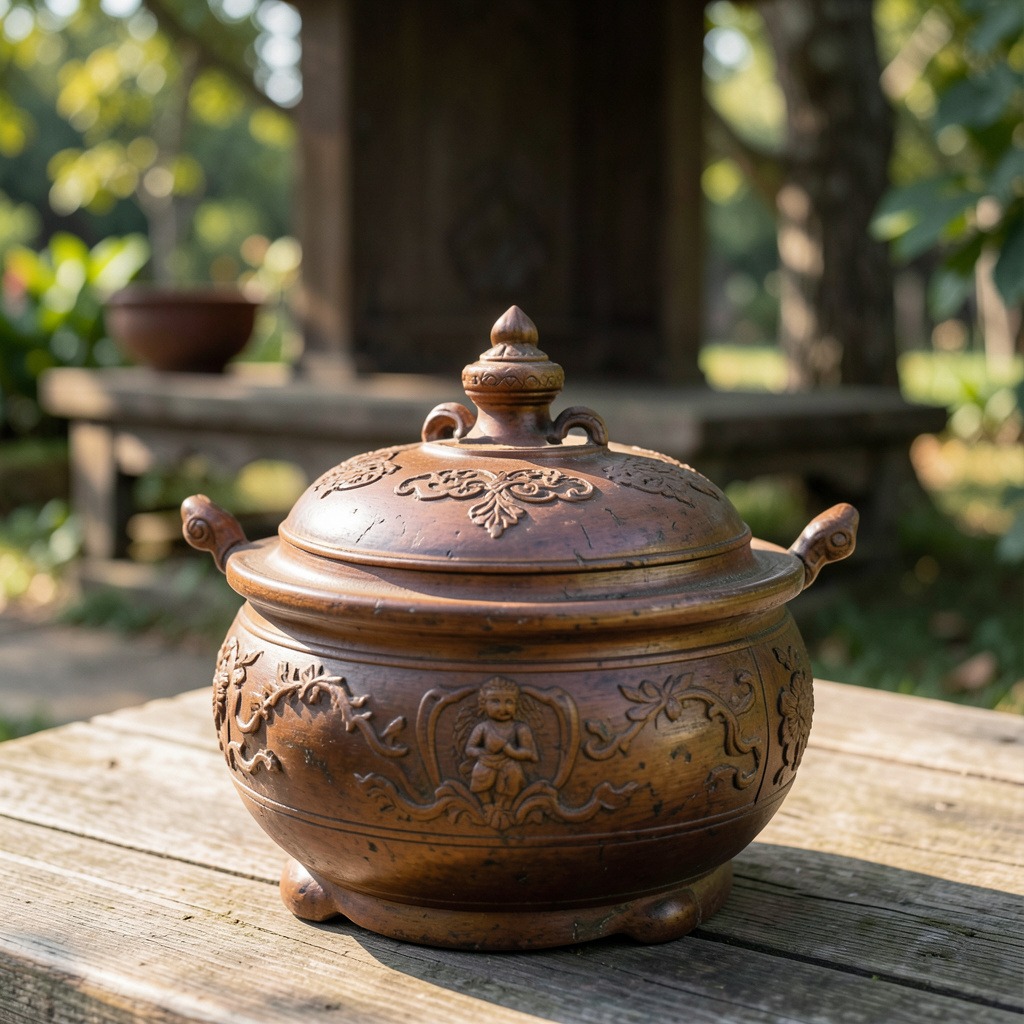
Feng shui is often misunderstood, leading to a proliferation of myths and superstitions. These misconceptions can obscure its practical applications and cultural significance. Here, we will clarify some of the most common myths surrounding feng shui.
Myth 1: Feng Shui is Only About Wealth
Many believe feng shui solely focuses on attracting wealth and prosperity. While financial gain is one aspect, feng shui encompasses a broader goal: enhancing overall well-being and harmony in one’s environment. It emphasizes balance, health, and relationships alongside financial stability.
Fact: Feng shui principles aim to optimize the flow of chi, which affects all areas of life, not just financial success.
Myth 2: Feng Shui Requires Specific Rituals
Another common belief is that feng shui demands elaborate rituals or ceremonies. In reality, effective feng shui can be achieved through simple adjustments in your living space. Rearranging furniture, choosing colors wisely, and decluttering are practical actions anyone can take.
Fact: Feng shui can be adapted to suit individual preferences and lifestyles. Rituals are not mandatory for achieving positive energy flow.
Myth 3: Feng Shui is a Religion
Some may view feng shui as a religious practice, associating it with superstition. However, feng shui is rooted in ancient Chinese philosophy and environmental awareness rather than religious doctrine. It is a practical framework for designing spaces that promote harmony and balance.
Fact: Feng shui operates as a design philosophy, not a belief system. Its principles can be applied regardless of one’s religious background.
Practical Takeaway
To navigate the myths surrounding feng shui, consider these decision rules:
- Assess Your Goals: Determine if you seek financial, emotional, or physical improvements.
- Simplify Your Approach: Focus on practical adjustments instead of elaborate rituals for effective results.
- Understand the Philosophy: Recognize feng shui as a tool for enhancing your living environment, not as a religious practice.
By clarifying these myths, individuals can better appreciate the genuine benefits of feng shui in their lives and homes.
Scientific Perspectives on Feng Shui
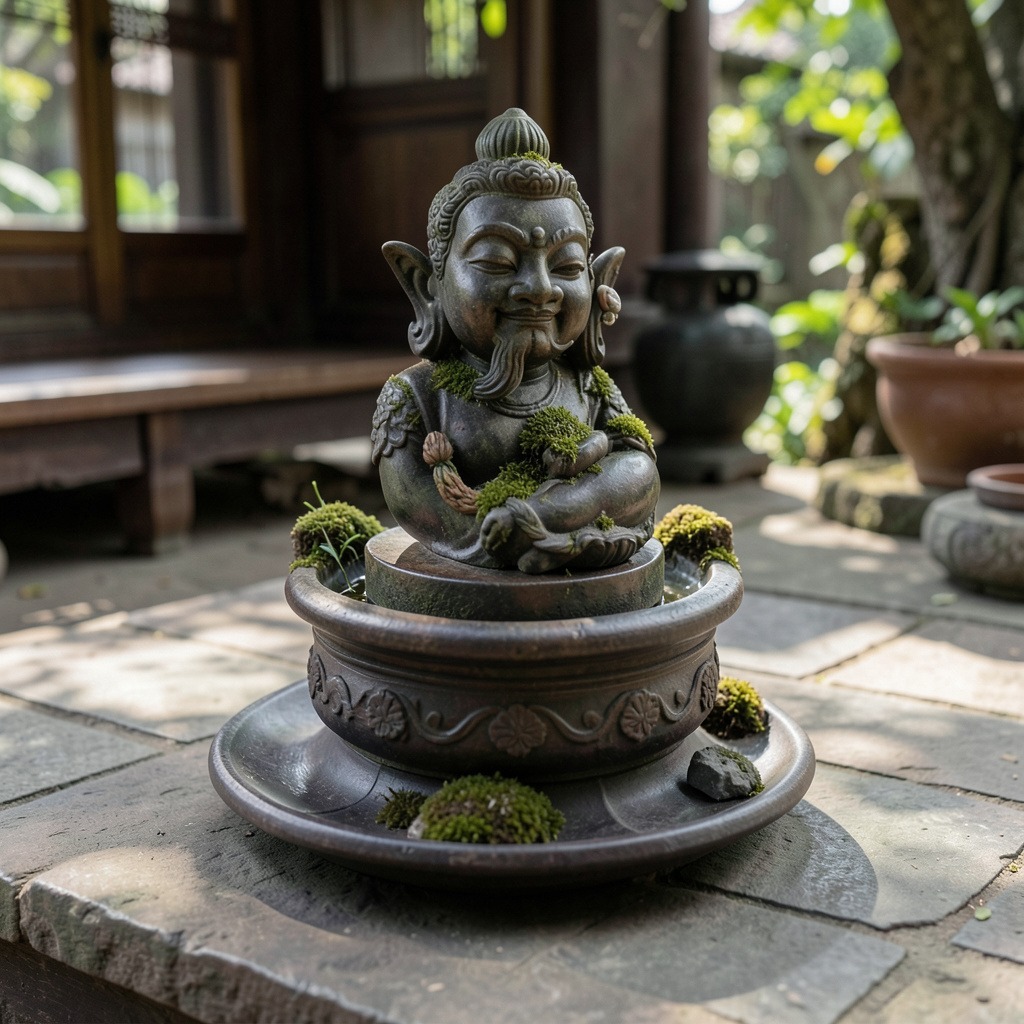
The relationship between feng shui and superstition often invites skepticism from the scientific community. Critics argue that many feng shui principles lack empirical support, labeling them as superstitions rooted in cultural myths. However, a deeper examination reveals complex interactions between feng shui practices and human psychology.
Critiques from the Scientific Community
Many scientists view feng shui as a pseudoscience. They point out that its principles are not derived from rigorous scientific methods. Critics often emphasize:
- Lack of Empirical Evidence: Many feng shui claims, such as the positioning of furniture to optimize chi, do not hold up under scientific scrutiny.
- Causation vs. Correlation: Some argue that positive outcomes associated with feng shui adjustments are coincidental, not causal.
- Cultural Bias: Critics suggest that the cultural context of feng shui clouds objective evaluation, leading to misunderstandings about its value.
Research Studies on Feng Shui
Despite criticisms, some studies explore the psychological impact of feng shui on individuals. These studies often focus on environmental design and its effects on well-being. For example:
- Psychological Comfort: Research has shown that well-organized spaces can enhance mood and productivity. Feng shui principles encourage such organization.
- Aesthetic Appeal: Spaces designed with feng shui may foster a sense of harmony, contributing to mental well-being.
These findings challenge the notion that feng shui is purely superstition, suggesting that its effects may be rooted in psychological responses to environment.
The Placebo Effect and Feng Shui
The placebo effect plays a significant role in the practice of feng shui. When individuals believe in the efficacy of feng shui adjustments, they may experience genuine improvements in their lives. This effect can manifest in several ways:
- Increased Motivation: Belief in feng shui can motivate individuals to make positive changes in their environments.
- Enhanced Focus: A well-organized space, even if arranged according to feng shui, can lead to improved focus and productivity.
To leverage this effect, consider the following scenarios:
- Decluttering Your Space: Even a simple act of decluttering can enhance your perception of your environment, aligning with feng shui principles.
- Creating Comfortable Zones: Designate areas in your home for relaxation or work based on feng shui guidelines. This can foster a positive mindset.
Understanding these psychological dimensions offers a nuanced view of feng shui, recognizing its potential benefits while acknowledging the ongoing debate about its scientific validity.
Practical Applications of Feng Shui in Home Design
Implementing feng shui principles in home design can enhance energy flow, or chi, while minimizing superstition-related concerns. Here are practical strategies to align your space with these principles.
Key Feng Shui Principles for Home Design
1. Clear Pathways: Ensure clear and unobstructed pathways in your home. This promotes the smooth flow of chi.
2. Balanced Elements: Integrate the five elements—wood, fire, earth, metal, and water—into your design. Each element contributes to harmony.
3. Natural Light: Maximize natural light in your living spaces. Bright rooms foster positive energy.
4. Decluttering: Regularly declutter your home. A clean environment reduces stagnation and enhances well-being.
Practical Tips for Enhancing Chi Flow
- Furniture Arrangement: Position furniture to facilitate conversation and connection. Avoid placing furniture in a way that blocks entrances.
- Color Choices: Use colors that resonate with specific areas of your life. For example, greens and blues foster tranquility, while reds energize.
- Plants and Nature: Incorporate plants to bring life and vitality into your home. They purify the air and enhance the energy around them.
Common Mistakes to Avoid in Feng Shui
- Ignoring Space Layout: Ensure each room serves its intended purpose. Avoid multifunctional spaces that create confusion.
- Overemphasis on Superstitions: Don’t let myths dictate your design. For instance, the belief that bathrooms are negative spaces can be mitigated through proper placement and decor.
- Neglecting Maintenance: Regularly maintain and clean your home. Neglect leads to stagnant energy and diminishes the benefits of feng shui.
By actively applying these principles, you can effectively navigate the complexities of feng shui, focusing on enhancing your environment rather than succumbing to superstition.
Personal Experiences and Anecdotes in Feng Shui
Feng shui often evokes strong reactions, ranging from belief to skepticism. Personal stories from practitioners and skeptics alike illustrate the diverse impacts of feng shui on individual lives and beliefs.
Positive Experiences from Practitioners
Many feng shui practitioners report transformative experiences. They share how adjusting their surroundings led to improved well-being. For instance, a practitioner named Lisa rearranged her home office according to feng shui principles. After implementing these changes, she noticed a significant boost in her productivity and creativity. This experience deepened her belief in the practice.
- Case Study: John, a small business owner, adopted feng shui methods to enhance customer flow. He relocated his cash register and added plants near the entrance. His sales increased by 30% within three months, reinforcing his faith in feng shui.
Skeptics’ Viewpoints and Experiences
Not everyone is convinced by feng shui. Skeptics often attribute changes in their lives to coincidence rather than feng shui principles. For example, Mark rearranged his living space out of frustration. He reported feeling better but dismissed the changes as mere psychological effects rather than any supernatural influence.
- Key Observations:
- Many skeptics believe that positive outcomes stem from intention and mindfulness rather than feng shui itself.
- Some express concern that reliance on feng shui could lead to neglecting practical solutions.
Cultural Anecdotes Reflecting Feng Shui Beliefs
Cultural narratives amplify feng shui’s significance. In Chinese communities, feng shui is often intertwined with traditional beliefs. For example, families might consult feng shui experts when constructing a new home. They believe specific orientations can attract prosperity and harmony.
- Cultural Insights:
- Feng shui practices often reflect a deep connection to ancestors and lineage.
- Stories of family homes designed with feng shui principles are common, showcasing its enduring impact on cultural identity.
These diverse perspectives highlight the complex relationship between feng shui and superstition. While some view feng shui as a legitimate practice, others remain skeptical, attributing changes to personal agency rather than mystical forces.
Comparisons: Feng Shui vs. Other Design Philosophies
Feng shui often faces misconceptions, especially regarding its association with superstition. Understanding its principles in comparison to other design philosophies can clarify its practical applications and cultural significance.
Feng Shui vs. Minimalism
Minimalism emphasizes simplicity and functionality. It prioritizes open spaces and a clutter-free environment. Feng shui, while also valuing space, focuses on the flow of chi, or energy, to create harmony within a space.
- Purpose: Minimalism aims for aesthetic appeal and practicality. Feng shui seeks to enhance well-being and prosperity through spatial arrangement.
- Approach: Minimalism often forgoes decorative elements. Feng shui incorporates meaningful objects that enhance energy flow.
Example: A minimalist home may feature bare walls and minimal furniture. In contrast, a feng shui-designed space might include strategically placed plants and mirrors to promote positive energy.
Feng Shui vs. Western Interior Design
Western interior design often emphasizes aesthetics and personal style. Feng shui, however, integrates cultural beliefs and energy flow into its framework.
- Design Focus: Western design may prioritize trends, while feng shui emphasizes balance and alignment with nature.
- Cultural Context: Western styles can vary widely based on individual preferences. Feng shui adheres to specific principles that connect with cultural heritage and ancestral respect.
Scenario: An office designed with feng shui might position desks to face the entrance, promoting a sense of security and authority. A conventional Western design might simply arrange furniture based on convenience or style.
Feng Shui vs. Other Cultural Practices
Feng shui shares similarities with other cultural design philosophies, such as Vastu Shastra from India and indigenous architectural practices.
- Underlying Principles: Both feng shui and Vastu Shastra focus on energy flow and harmony with nature, albeit through different cultural lenses.
- Practical Applications: While feng shui uses the Bagua map to analyze space, Vastu Shastra employs directional alignments to enhance energy.
Takeaway: Recognizing these parallels can help dispel myths surrounding feng shui as mere superstition. The focus on energy and balance is a common thread in many cultural practices, illustrating a universal quest for harmony in the built environment.
Addressing Common Feng Shui Superstitions
Feng shui is often shrouded in superstitions that can confuse practitioners and newcomers alike. Understanding these misconceptions can empower users to apply feng shui principles effectively in their lives.
Superstitions Related to Numbers and Directions
Certain numbers and directions hold significant meanings in feng shui, leading to widespread superstitions. For example:
- Number 4: Often associated with death in Chinese culture, many avoid using it in house numbers or addresses.
- Number 8: Conversely, this number symbolizes prosperity and is favored in various aspects of life, including business and personal endeavors.
- Directions: Specific orientations, such as facing south or east, are thought to enhance positive energy. However, these beliefs can lead to irrational choices, such as refusing to live in a home facing a ‘bad’ direction.
Cultural Misunderstandings of Feng Shui
Cultural biases often distort the understanding of feng shui, framing it as mere superstition rather than a holistic approach to living spaces. For instance:
- Historical Context: Feng shui has roots in ancient Chinese philosophy, emphasizing harmony with the environment. Misinterpretations can lead to dismissing it as outdated or irrelevant.
- Practical Applications: Many misbelieve that feng shui solely relies on rituals. In reality, it incorporates practical design principles that enhance well-being and functionality.
Practical Solutions to Overcome Superstitions
To effectively navigate feng shui superstitions, consider these practical approaches:
1. Educate Yourself: Understand the historical and cultural context of feng shui. Knowledge reduces fear and promotes informed decision-making.
2. Focus on Functionality: Prioritize practical design changes over superstitious beliefs. For example, if a bathroom is centrally located, focus on cleanliness and organization rather than relocating it.
3. Evaluate Impact: Assess how changes influence your well-being. Instead of adhering to superstitions, ask yourself if a space feels comfortable and supportive.
By applying these strategies, you can utilize feng shui effectively while sidestepping unfounded superstitions that may hinder your experience.
The Role of Chi in Feng Shui
Chi, or “life force,” is central to feng shui. It represents the energy that flows through all living things and environments. Understanding chi helps separate the practical applications of feng shui from superstitious beliefs.
What is Chi?
Chi is the vital energy that influences our surroundings. In feng shui, it is believed that the flow of chi can be harnessed to promote harmony and balance. The concept is not merely spiritual; it reflects a holistic view of how energy interacts within spaces.
How Chi Affects Our Environment
Chi flows through spaces, affecting their energy and ambiance. Proper arrangement of furniture and decor can enhance this flow. For example, placing a desk in a commanding position allows for better energy circulation, promoting productivity and focus.
Key factors influencing chi:
- Clutter: Reduces the flow of chi. A clean space fosters positive energy.
- Light: Natural light enhances chi. Use windows and mirrors to reflect light.
- Color: Different colors can evoke various emotions. Warm colors energize, while cool colors calm.
Chi in Daily Life and Feng Shui Practices
Incorporating chi into daily life can lead to improved well-being. Here are practical tips to enhance chi in your environment:
1. Declutter Regularly: Keep spaces tidy to allow chi to flow freely.
2. Use Plants: Live plants introduce vibrant chi and improve air quality.
3. Mindful Arrangement: Position furniture to encourage conversation and interaction.
By focusing on the principles of chi, you can create spaces that support your goals and enhance your quality of life, free from the constraints of superstition.
Common Feng Shui Practices to Enhance Well-being
Feng shui offers a range of practical applications that can enhance well-being without relying on superstition. By understanding and applying these principles, individuals can create harmonious environments that promote mental and physical health.
Creating a Balanced Environment
A balanced environment fosters a sense of tranquility and well-being. Here are key practices to achieve this:
- Declutter Your Space: Remove unnecessary items to allow energy, or chi, to flow freely. Clutter can block positive energy and create stress.
- Use Soft Lighting: Incorporate natural light and soft lighting to create a warm atmosphere. This helps in reducing anxiety and enhancing mood.
- Mindful Furniture Arrangement: Position furniture to encourage flow and interaction. For example, arrange seating in a circular formation to promote conversation and connection.
Using Colors and Shapes in Feng Shui
Colors and shapes significantly influence mood and energy levels. Consider the following tips:
- Choose Color Wisely: Use colors that resonate with your intended energy. For instance, blue promotes calmness, while yellow encourages creativity.
- Incorporate Geometric Shapes: Use circular and rounded furniture to create a sense of harmony. Sharp edges can create tension; soft shapes encourage relaxation.
- Create Zones: Define specific areas for activities, such as work, relaxation, and socializing. This helps in organizing energy flow and enhances focus.
Incorporating Nature into Your Space
Nature plays a crucial role in feng shui. Connecting with the natural world can bring balance and vitality. Here’s how to do it:
- Add Indoor Plants: Choose plants that are easy to care for and purify the air. Consider options like peace lilies or snake plants, which can improve air quality and introduce positive energy.
- Utilize Natural Materials: Incorporate wood, stone, and water elements in your decor. These materials establish a connection to nature and promote grounding.
- Create Outdoor Spaces: If possible, design outdoor areas that invite relaxation and rejuvenation. A small garden or balcony with plants can serve as a peaceful retreat.
By applying these feng shui practices, individuals can create environments that enhance well-being, emphasizing the practical benefits rather than superstitions.
Feng Shui Superstitions in Modern Society
Feng shui superstitions continue to influence contemporary design and lifestyle choices. They persist not only due to cultural heritage but also through modern interpretations and the power of social media.
Feng Shui in Popular Culture
Feng shui has woven itself into various aspects of popular culture. Movies, television shows, and lifestyle blogs often reference feng shui. These portrayals can reinforce both positive and negative stereotypes about feng shui practices.
For example, a film might highlight a character’s success attributed to feng shui adjustments in their home. This can lead viewers to embrace or dismiss feng shui based on entertainment rather than informed understanding.
Influence of Social Media on Feng Shui Practices
Social media platforms play a pivotal role in the spread of feng shui superstitions today. Influencers share tips and tricks that often blend traditional wisdom with modern aesthetics. However, this can lead to misconceptions.
- Visual Appeal: Posts often focus on the visual aspects of feng shui, such as color schemes and furniture arrangements, rather than the underlying principles.
- Simplified Advice: Quick tips may oversimplify complex ideas, leading to misunderstandings about energy flow and chi.
This blend of aesthetics and superstition can create a superficial understanding of feng shui, where followers may prioritize style over substance.
Evolving Perceptions of Feng Shui Superstitions
The perception of feng shui superstitions is evolving, particularly among younger generations. Many now view feng shui as a design philosophy rather than a rigid belief system.
- Modern Interpretations: Individuals are adapting feng shui principles to meet contemporary needs. For instance, using the Bagua map to enhance home office productivity has gained traction.
- Cultural Shift: As traditional beliefs wane, younger practitioners focus on the practical benefits of feng shui. They often disregard superstitions, emphasizing well-being and environmental harmony.
By distinguishing between superstition and practical application, individuals can harness feng shui to create balanced, supportive environments, free from unfounded fears.
Practical Tips for Debunking Feng Shui Superstitions
Understanding the difference between valid feng shui practices and superstitions is essential for anyone interested in this ancient art. Here are strategies to help you discern fact from fiction.
Evaluate Sources of Feng Shui Information
Not all feng shui advice is created equal. Assess the credibility of the sources you consult. Consider the following:
- Professional Credentials: Check if the author has formal training or certification in feng shui.
- Experience: Look for practitioners with a proven track record and client testimonials.
- Balanced Perspectives: Favor sources that address both the cultural significance and practical applications of feng shui, rather than solely promoting superstitions.
Seek Expert Opinions on Feng Shui
Engaging with knowledgeable practitioners can clarify misconceptions. Here’s how to find reliable insights:
- Consult Certified Experts: Choose professionals recognized by established feng shui organizations.
- Ask Specific Questions: Inquire about common myths and their origins. Understanding historical context can provide clarity.
- Participate in Workshops: Attend seminars or workshops that focus on practical feng shui applications, not just traditional beliefs.
Trust Your Own Experience and Intuition
Personal experience plays a vital role in understanding feng shui. Use these strategies to navigate your journey:
- Experiment with Changes: Make small adjustments in your space and observe any changes in mood or energy. For example, rearranging furniture may create a more open and inviting atmosphere.
- Reflect on Your Feelings: Trust your intuition when implementing feng shui principles. If a space feels off, consider what might be contributing to that discomfort.
- Keep a Journal: Document your feng shui practices and their effects on your environment. This can help identify what works for you.
Checklist for Evaluating Feng Shui Practices
- Source Credibility: Is the information from a recognized expert?
- Cultural Relevance: Does it consider historical and cultural contexts?
- Personal Experience: How does the change make you feel?
- Scientific Basis: Are there studies or evidence supporting the practice?
By following these strategies, you can navigate the complexities of feng shui, distinguishing beneficial practices from unfounded superstitions.
Conclusion: The Balance Between Feng Shui and Superstition
Feng shui embodies a rich cultural heritage while also grappling with the shadows of superstition. Understanding this balance is crucial for anyone exploring its principles.
Distinguishing Practical Feng Shui from Superstition
Feng shui, meaning “wind and water,” involves the flow of chi, or energy. This concept underpins its practices, which aim to create harmony in living environments. However, many associate feng shui with superstitions rooted in cultural myths. Here’s how to differentiate between the two:
- Practical Applications: Feng shui can enhance well-being through thoughtful design choices. For example, positioning furniture to promote flow can improve energy and productivity.
- Superstitions: Myths, such as avoiding certain colors or shapes, often stem from unfounded beliefs rather than practical evidence. These can lead to unnecessary anxiety.
Common Myths Surrounding Feng Shui
Several misconceptions persist in discussions about feng shui. Recognizing these can help clarify its true intent:
- Myth: Feng shui is purely about luck.
- Fact: It focuses on creating balance and positive energy, not merely fortune.
- Myth: Only certain practitioners can apply feng shui.
- Fact: Anyone can incorporate basic feng shui principles into their home or office.
Practical Insights for Implementing Feng Shui
To effectively harness feng shui, consider these actionable insights:
- Use the Bagua Map: This tool helps identify areas of your home related to different life aspects, such as career and health.
- Declutter Regularly: A clean space promotes better energy flow.
- Incorporate Natural Elements: Integrating plants can enhance your environment and improve air quality.
By focusing on the essence of feng shui, individuals can create spaces that foster well-being while avoiding the pitfalls of superstition.
Frequently Asked Questions
These quick answers cover the most common questions about this topic, including key details, practical tips, and common concerns.
What are common Chinese superstitions?
Common Chinese superstitions include beliefs surrounding numbers, colors, and specific practices. For instance, the number 4 is often avoided because it sounds like the word for “death.” In contrast, the number 8 is favored for its association with prosperity. Other superstitions involve avoiding certain actions on specific days or using particular colors to attract good luck.
What is the unluckiest number in Feng Shui?
In Feng Shui, the unluckiest number is typically considered to be 4. This number is associated with bad luck and death due to its phonetic similarity to the word for “death” in Chinese. Many individuals avoid using it in addresses, phone numbers, and even dates for significant events.
What things should I avoid in my house according to Feng Shui?
To promote positive energy flow in your home, avoid clutter, sharp corners, and dark colors in key areas. Clutter obstructs the flow of chi, while sharp corners can create negative energy. Additionally, placing mirrors directly facing doors can be disruptive, as they may reflect energy away from your living space.
Is Feng Shui superstitious?
Feng Shui can be perceived as superstitious due to its association with luck and specific rituals. However, it is fundamentally a design philosophy focused on creating harmony and balance in environments. While some practices may seem superstitious, many principles are based on practical considerations of space and energy flow.
Why do people believe in Feng Shui?
People believe in Feng Shui for various reasons, including cultural heritage, personal experiences, and the desire for improved well-being. Many find that applying Feng Shui principles leads to a more harmonious living environment, which can positively impact their mood and productivity. Additionally, the belief in chi, or life energy, encourages individuals to create spaces that resonate with positivity.
How can I apply Feng Shui principles in my home?
To apply Feng Shui principles, start by decluttering your space to allow for better energy flow. Use the Bagua map to identify areas of your home related to different aspects of life, such as health and career. Arrange furniture to encourage conversation and connection, and incorporate natural elements like plants to enhance vitality and balance.
How does Feng Shui differ from other design philosophies?
Feng Shui differs from other design philosophies, such as minimalism or Western interior design, by emphasizing energy flow and harmony with nature. While minimalism focuses on simplicity and functionality, Feng Shui considers the emotional and energetic impacts of space arrangement. Similarly, Western design often prioritizes aesthetics over the energetic balance that Feng Shui seeks to achieve.
What are alternatives to Feng Shui for home design?
Alternatives to Feng Shui include design philosophies like Vastu Shastra, which originates from India and focuses on energy flow and spatial orientation. Other approaches, such as biophilic design, emphasize the connection to nature and well-being through natural elements and light. Each of these philosophies offers unique insights into creating harmonious living spaces without relying on Feng Shui principles.