
Fairy eggs, also known as yolkless or wind eggs, are small eggs laid by hens, often linked to superstitions about luck and magic.
Fairy egg superstition encompasses a rich tapestry of folklore and biological phenomena surrounding yolkless eggs laid by hens. Often seen as omens of good luck or magic, these peculiar eggs raise questions about their origins, meanings, and implications for chicken owners.
What Are Fairy Eggs?
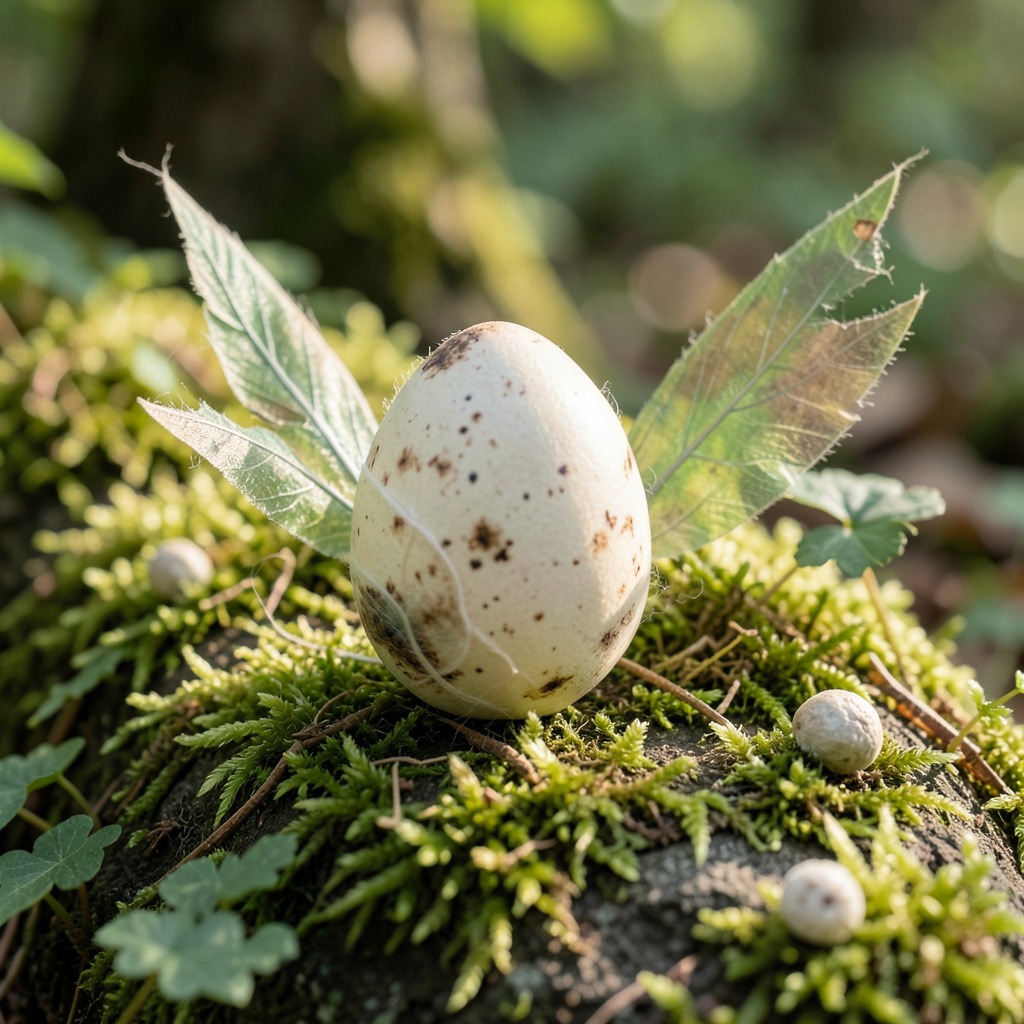
Fairy eggs are small, yolkless eggs laid by hens, often considered a curiosity in the world of poultry. Their unique characteristics and the folklore surrounding them make them intriguing to chicken owners and enthusiasts alike.
Characteristics of Fairy Eggs
Fairy eggs are typically much smaller than standard chicken eggs. They generally measure about 1 to 2 inches in length, compared to regular eggs, which average around 2.5 to 3 inches. Here are some key characteristics:
- Size: Fairy eggs are notably tiny. A standard egg weighs about 50 grams, while a fairy egg may weigh as little as 10 grams.
- Contents: These eggs usually contain only egg white, with no yolk present. This absence is due to the hen’s reproductive system still maturing.
- Shell Quality: Fairy eggs can have a normal or soft shell. In some cases, they may appear fragile.
Types of Yolkless Eggs
Fairy eggs fall under various terms, often used interchangeably. Here are the notable types:
- Yolkless Eggs: These are precisely what fairy eggs are, emphasizing the absence of a yolk.
- Wind Eggs: This term can refer to eggs that are shell-less or soft-shelled. Though sometimes confused with fairy eggs, wind eggs are not always yolkless.
- Cock Eggs: This is another colloquial term for fairy eggs, though it may lead to confusion, as cock eggs are not laid by roosters.
Fairy eggs often symbolize new beginnings in folklore. Many chicken owners view finding one as a sign that their hen is transitioning into regular egg production.
How Are Fairy Eggs Formed?
Fairy eggs are a fascinating occurrence in the world of poultry. Understanding their formation provides insight into both the biological processes of chickens and the superstitions surrounding these unique eggs.
Table of Contents
Factors Affecting Egg Production
The formation of fairy eggs primarily happens when young hens, or pullets, begin laying eggs. Several factors contribute to this process:
- Hormonal Fluctuations: As pullets mature, their hormonal levels fluctuate. These hormones regulate the reproductive cycle, and an imbalance can lead to the production of fairy eggs.
- Reproductive System Development: A pullet’s reproductive system is still maturing. Sometimes, a small piece of reproductive tissue detaches, misleading the hen’s body into thinking it is producing a yolk. As a result, only egg white is added, forming a yolkless egg.
- Age of the Hen: Younger hens are more likely to lay fairy eggs. As they gain experience in egg production, the occurrence of fairy eggs typically decreases.
Health Implications for Hens
While finding fairy eggs can be intriguing, they are generally not a cause for concern. Here are key health considerations:
- Indicator of Maturity: The presence of fairy eggs is often a normal part of a hen’s development, signaling that her reproductive system is learning to function correctly.
- No Dietary Changes Needed: The appearance of fairy eggs does not indicate nutritional deficiencies. Maintaining a balanced diet will support overall health and egg production.
Visual Representation of Egg Production Process
Here’s a simplified flowchart of the hen’s egg production process, highlighting where fairy eggs fit in:
“`
Hen Maturity
↓
Hormonal Changes
↓
Reproductive System Activity
↓
Egg Formation Process
├── Normal Egg (with yolk)
└── Fairy Egg (yolkless)
“`
Understanding this biological framework helps demystify fairy eggs and their place in poultry folklore.
Folklore and Cultural Significance of Fairy Eggs
Fairy eggs have captured the imagination of many cultures, intertwining biological phenomena with folklore. These tiny, yolkless eggs are often viewed as symbols of luck, mystery, and even magic across different civilizations.
Historical Beliefs About Fairy Eggs
Historically, fairy eggs were believed to possess supernatural properties. Many cultures regarded their discovery as a sign of good fortune or impending prosperity. For example, in some European traditions, finding a fairy egg was thought to bring wealth to the household. This belief likely stems from the egg’s rarity and peculiar nature, emphasizing its mystical allure.
- Symbol of Good Luck: In various cultures, these eggs are seen as omens of fortune.
- Mystical Connections: Many believe that fairy eggs connect humans to the fairy realm or otherworldly beings.
- Ritual Importance: Some communities incorporate fairy eggs into rituals intended to bless farms or ensure bountiful harvests.
Regional Variations in Superstitions
Superstitions surrounding fairy eggs vary significantly across cultures. Below is a comparison of beliefs from different regions:
| Region | Belief About Fairy Eggs |
|---|---|
| Europe | Considered harbingers of wealth and prosperity. |
| Asia | Seen as gifts from spirits, bringing harmony to households. |
| North America | Often associated with fertility and good harvests. |
| Africa | Believed to signify blessings from ancestors. |
Such regional beliefs highlight the rich tapestry of folklore surrounding fairy eggs. They illustrate how a simple biological occurrence can take on profound cultural significance, shaping rituals and traditions across the globe.
Superstitions Associated with Fairy Eggs
Fairy eggs, often considered mystical, carry various superstitions across cultures. These beliefs typically revolve around luck, fertility, and protective properties.
The Belief in Good Luck
Many cultures view the discovery of a fairy egg as a sign of good fortune. For instance:
- Europe: Fairy eggs symbolize wealth and prosperity. Finding one is believed to bring financial blessings.
- North America: They are often associated with fertility, suggesting that their presence can lead to bountiful harvests.
- Asia: In some traditions, these eggs are seen as gifts from spirits, promoting harmony and positive energy within the household.
These beliefs emphasize the notion that the mere presence of a fairy egg can invite positive changes into one’s life. Anecdotes from chicken owners often reflect this sentiment; many report feeling a sense of joy and anticipation upon finding a fairy egg, treating it as a token of good luck.
Protective Properties of Fairy Eggs
In addition to bringing good fortune, fairy eggs are also thought to possess protective qualities. Various superstitions suggest that:
- Warding Off Illness: Some believe that keeping a fairy egg in the home can protect family members from sickness and misfortune.
- Relationship Fortunes: In certain cultures, finding a fairy egg is thought to signal the arrival of new love or the strengthening of existing relationships.
These protective beliefs underscore the importance of fairy eggs in rituals and practices aimed at safeguarding individuals and their loved ones.
Cultural Variations and Anecdotes
Across regions, the interpretation of fairy eggs varies widely. For example, in some African cultures, fairy eggs are seen as blessings from ancestors, embodying wisdom and guidance. Personal stories from chicken owners often highlight how these beliefs manifest in daily life.
- Scenario: A farmer in Europe found a fairy egg and decided to keep it on display in their kitchen. They reported an unexpected increase in sales at their market stall, attributing this good fortune to the fairy egg’s presence.
- Decision Rule: When discovering a fairy egg, consider placing it in a prominent location, such as the kitchen or living room, to enhance its perceived protective and lucky properties.
Such anecdotes not only illustrate the cultural significance of fairy eggs but also encourage a deeper connection between individuals and their beliefs surrounding these unique biological phenomena.
What to Do If You Find a Fairy Egg
Discovering a fairy egg can be an enchanting moment, but it also raises questions about hen health and care. Here’s how to handle the situation responsibly.
Health Concerns to Consider
Fairy eggs, while fascinating, can indicate that your hen is still adjusting to the egg-laying process. Here are key health considerations:
- Monitor Behavior: Observe your hen’s overall behavior. Is she active and eating well?
- Check for Symptoms: Look for signs of distress, such as lethargy or changes in appetite.
- Evaluate Egg Production: Note how often your hen lays fairy eggs. A few are normal; frequent occurrences may require attention.
- Assess Diet: Ensure your hen receives a balanced diet to support her reproductive health.
Care Tips for Your Hens
Caring for hens that lay fairy eggs involves a few practical steps:
- Maintain a Balanced Diet: Ensure your flock has access to high-quality feed and fresh water.
- Provide Stress-Free Environment: Reduce stressors in the coop. A calm environment promotes healthy egg-laying.
- Check for Health Issues: If fairy eggs persist, consult a veterinarian for any underlying health concerns.
- Encourage Natural Behavior: Allow hens to engage in natural behaviors, such as foraging and nesting, to enhance their wellbeing.
Checklist for Assessing Hen Health
Use this checklist to evaluate the health of hens that lay fairy eggs:
- [ ] Is the hen active and alert?
- [ ] Are there any noticeable changes in appetite?
- [ ] How frequently are fairy eggs produced?
- [ ] Is the hen’s diet balanced and nutritious?
- [ ] Are there any signs of distress or illness?
By closely monitoring your hens and providing proper care, you can ensure their health while enjoying the magic of fairy eggs.
Comparisons: Fairy Eggs vs. Other Yolkless Eggs
Fairy eggs are a unique phenomenon in the world of poultry, distinct from other yolkless eggs. Understanding their differences and similarities can enhance our appreciation of these fascinating occurrences.
Key Differences
- Origin:
- Fairy eggs are typically laid by young hens (pullets) as they mature and learn to lay eggs.
- Other yolkless eggs, like wind eggs, can occur due to stress or health issues in adult hens.
- Composition:
- Fairy eggs usually contain only egg white (albumen) and are often smaller in size.
- Other yolkless eggs may sometimes contain tissue fragments or blood clots.
- Frequency:
- Fairy eggs are common during a hen’s initial laying phase.
- Other yolkless eggs can be sporadic, often indicating a health concern.
Similarities in Formation
Both fairy eggs and other yolkless eggs arise from irregularities in the hen’s reproductive process. They often share characteristics such as:
- Yolkless Nature: Both types lack a yolk, which means they cannot develop into chicks.
- Fragility: They are generally more delicate than regular eggs, making them prone to breakage.
- Edibility: While not typically used for cooking, both types are technically edible, containing primarily egg whites.
Comparison Takeaway
When comparing fairy eggs with other yolkless eggs, it’s essential to consider their context and formation. Fairy eggs represent the early stages of a hen’s reproductive journey, while other yolkless eggs may signal underlying health issues. Recognizing these distinctions can help chicken owners better understand their flock’s health and behaviors.
Frequently Asked Questions
These quick answers cover the most common questions about this topic, including key details, practical tips, and common concerns.
Are fairy eggs good luck?
Yes, many cultures believe that finding a fairy egg is a sign of good luck. In various traditions, these small, yolkless eggs are seen as omens of prosperity and new beginnings. The rarity of fairy eggs contributes to their mystical reputation, making them symbols of fortune in households.
What does it mean when you get a fairy egg?
Receiving a fairy egg often indicates that your hen is still adjusting to laying eggs. It can symbolize the hen’s transition into regular egg production. Additionally, many people view it as a positive omen, suggesting that good fortune may be on the horizon for the household.
How rare is a fairy egg?
Fairy eggs are relatively uncommon but not unheard of. They are more frequently laid by young hens, or pullets, as they begin their egg-laying journey. While it’s not unusual to find one occasionally, a flock producing fairy eggs regularly might indicate underlying health issues or stress in the hens.
What to do with a fairy egg?
If you find a fairy egg, you can keep it as a curiosity or display it as a symbol of good luck. However, if you choose to eat it, ensure that it is clean and fresh. Monitor your hen’s health and behavior, and consult a veterinarian if you notice frequent occurrences of fairy eggs.
Why do hens lay fairy eggs?
Hens lay fairy eggs due to hormonal fluctuations and the maturation of their reproductive systems. Young hens, in particular, may produce these yolkless eggs as their bodies learn to regulate egg production. Stress or health issues can also contribute to the occurrence of fairy eggs in older hens.
What are the other names for fairy eggs?
Fairy eggs are also known as yolkless eggs, wind eggs, or cock eggs. While these terms are often used interchangeably, it’s important to note that not all wind eggs are yolkless, and “cock eggs” can cause confusion as they are not laid by roosters.
Can fairy eggs be eaten?
Yes, fairy eggs can technically be eaten since they contain egg white. However, they are usually quite small and may not be practical for cooking. If you do choose to consume a fairy egg, ensure it is clean and from a healthy hen. It’s advisable to monitor your hen’s health if fairy eggs become a regular occurrence.