
The evil eye superstition is a belief that a malevolent glare, often stemming from envy, can cause harm or misfortune to individuals.
The evil eye superstition has persisted for millennia, rooted in the fear of envy and malevolent gazes that can inflict harm. This guide explores its rich history, cultural significance, and protective measures employed across the globe.
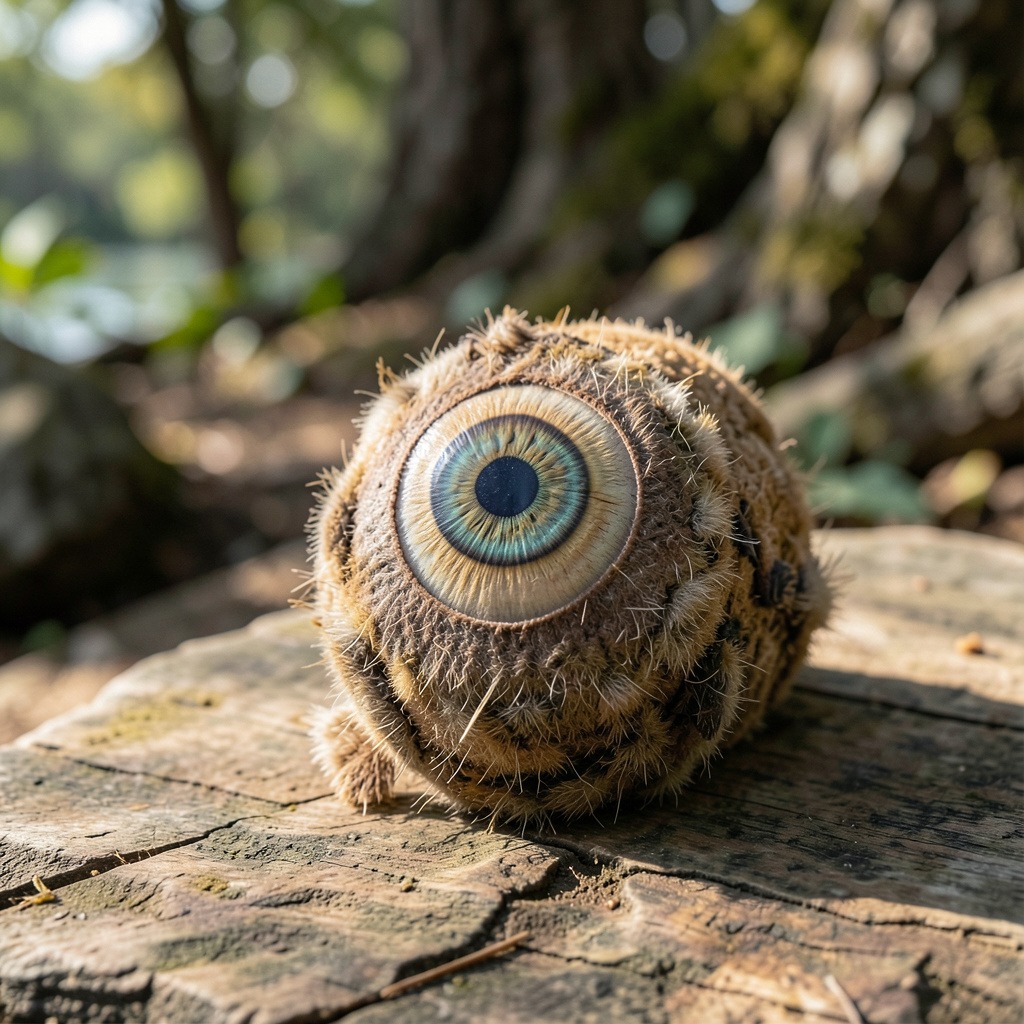
What is the Evil Eye Superstition?
The evil eye superstition is a belief that a malevolent glare can cause harm or misfortune to the person being observed. This notion spans cultures and centuries, rooted in the psychology of envy and admiration.
Definition and Meaning
The term “evil eye” refers to the harmful effects attributed to a person’s gaze, often driven by jealousy. Many cultures believe that someone can unintentionally cast the evil eye simply by admiring another’s success or beauty. This idea suggests that envy can manifest into a tangible threat, leading to negative outcomes for the recipient.
Cultural Context and Symbolism
The evil eye is recognized across diverse cultures, each with unique interpretations and protective measures. Here are some examples:
- Mediterranean Cultures: The nazar amulet, commonly seen as a blue eye, symbolizes protection against negative energy.
- Middle Eastern Traditions: The phrase “masha’Allah,” meaning “God has willed it,” is often spoken to ward off the evil eye.
- South Asian Beliefs: In Pakistan, the concept of “Nazar” is prevalent, where readings from the Quran are used to protect against the evil eye.
These cultural practices highlight the shared belief in the protective power of amulets and rituals to counteract potential harm from envy or admiration.
Historical Perspectives
Historically, the evil eye has been documented as far back as ancient civilizations. Texts from Mesopotamia include incantations aimed at warding off the evil eye, illustrating its deep-rooted presence in human society. The Eye of Horus in ancient Egypt served similar protective purposes, symbolizing safety and health.
Table of Contents
Modern interpretations of the evil eye often blend ancient beliefs with contemporary practices. Today, many people still wear protective amulets, such as the Evil Eye Nazar Amulet, to safeguard themselves against the perceived dangers of envy. Check Price on Amazon.
Understanding the evil eye superstition reveals not only the significance of protective symbols but also illustrates the universal human experience of dealing with jealousy and admiration across cultures and time.
Historical Origins of the Evil Eye Belief

The evil eye superstition has deep historical roots, spanning various civilizations and cultures throughout time. This belief centers on the idea that a malevolent gaze can inflict harm or misfortune, often driven by envy or jealousy.
Ancient Civilizations and Texts
The origins of the evil eye can be traced back to ancient civilizations. In Mesopotamia, as early as 3,300 BC, “Eye Idols” were created as protective talismans. These artifacts illustrate the belief that an evil look could lead to harm. Similarly, ancient Egyptian culture revered the Eye of Horus, a symbol of protection against malevolence.
- Mesopotamia: Eye Idols as early protective symbols.
- Egypt: The Eye of Horus representing safety.
- Greece: Texts from notable authors like Hesiod and Plato reference the evil eye, indicating its widespread recognition.
Evolution Through the Ages
Throughout history, the concept of the evil eye evolved. In ancient Rome, the belief varied in intensity. While some regions feared the evil eye more than others, it was often associated with specific tribes, such as those from Pontus and Scythia, believed to possess this malevolent power.
- Roman Empire: Varied intensity of belief across regions.
- Cultural Practices: Different amulets and gestures emerged as protective measures against the evil eye.
Historical Figures and References
Numerous historical figures contributed to the understanding of the evil eye. Greek philosophers frequently discussed its implications, suggesting a blend of cultural beliefs and psychological insights. For instance, Pliny the Elder noted the connection between envy and the evil eye, linking it to human emotions.
- Pliny the Elder: Explored envy’s role in the evil eye.
- Literary References: Over one hundred works mention the evil eye in classical antiquity, underscoring its cultural significance.
The enduring belief in the evil eye across cultures highlights a shared human experience of dealing with envy and the desire for protection. Today, talismans like the Evil Eye Nazar Amulet continue to serve as vital symbols of defense against perceived threats.
Cultural Practices Surrounding the Evil Eye

The evil eye superstition manifests uniquely across various cultures. Each tradition has developed distinct rituals and protective measures to counteract its perceived threats.
Mediterranean and Middle Eastern Beliefs
In Mediterranean and Middle Eastern cultures, the evil eye is often linked to envy. Various protective symbols and practices are employed:
- Nazar Amulet: A blue-and-white eye symbol, popular in Turkey and Greece, believed to ward off negative energy. Check Price on Amazon.
- Hamsa Hand: A hand-shaped amulet prevalent in North African and Middle Eastern cultures, symbolizing protection.
- Spitting: In Greece, saying “φτου να μη σε ματιάξω!” (“I spit so that I won’t give you the evil eye”) is a common practice to deflect envy.
These measures illustrate a cultural emphasis on communal well-being and the psychological impact of envy.
South Asian Traditions
In South Asia, the evil eye, known as “Nazar,” is deeply ingrained in cultural practices:
- Reading Quranic Verses: Many believe reciting Surah Ikhlas, Surah Al-Falaq, and Surah Al-Nas can protect against the evil eye.
- Lemon and Chili Amulets: Hanging a lemon and green chilies at entrances is a common practice in India to ward off curses.
- Black Cloth: Truck owners often hang a small black cloth on the vehicle’s bumper, believed to shield against negative gazes.
These rituals reflect a blend of spiritual beliefs and practical measures against unseen threats.
Latin American Practices
In Latin America, beliefs surrounding the evil eye vary significantly:
- Herb Burning: In some cultures, burning herbs like rue is thought to cleanse an area of negative energy.
- Protective Charms: Amulets made from specific stones or symbols are worn for added protection.
- Salt Rituals: Sprinkling salt around one’s home is believed to repel bad luck and envy.
These practices showcase the region’s rich tapestry of folklore and community-driven approaches to protection.
By understanding these diverse cultural practices, one gains insight into the universal human desire for safety against perceived malevolence.
Protective Measures Against the Evil Eye

Various cultures have developed protective measures against the evil eye, a superstition rooted in the belief that an envious gaze can inflict harm or misfortune. Understanding these practices provides insight into the significance of the evil eye across different societies.
Common Protective Amulets
Amulets play a vital role in protecting individuals from the evil eye. Some of the most recognized include:
- Nazar: A blue and white eye-shaped amulet, widely used in Middle Eastern and Mediterranean cultures. It symbolizes protection against envy.
- Hamsa: A hand-shaped amulet also known as the Hand of Fatima, used predominantly in Islamic and Jewish traditions. It represents divine protection.
- Cornicello: An Italian horn-shaped charm, believed to ward off negative energy and bring good luck.
These amulets serve as physical reminders of protection and are often worn as jewelry or displayed in homes.
Hand Gestures and Rituals
In addition to amulets, specific gestures and rituals are employed globally to fend off the evil eye:
- Sign of the Horns: A common gesture in Mediterranean cultures, this hand sign is thought to counteract negative energy.
- Spitting: In Greek culture, saying “I spit to ward off the evil eye” serves as a verbal charm against envy.
- Clove Rituals: Some cultures, such as Greek and Albanian, use cloves in a ritual to detect and dispel the evil eye. For instance, burning a clove while focusing on a person suspected of casting the evil eye can reveal the presence of negative energy.
These practices demonstrate how physical actions can embody the desire for protection and security.
Cultural Adaptations of Protection
Different cultures have unique adaptations for protection against the evil eye, reflecting their beliefs and traditions:
- Islamic Practices: In Pakistan, reciting specific verses from the Quran, such as Sura Ikhlas, is a common method to shield oneself from the evil eye.
- Latin American Customs: In some regions, rituals involving herb burning or sprinkling salt around the home are used to create a protective barrier against negative influences.
- Mediterranean Traditions: Various rituals, such as burning grass or using olive oil tests, are employed to confirm the presence of the evil eye and cleanse one’s environment.
Practical Tips for Creating Personalized Protective Amulets
1. Select Symbols: Choose symbols that resonate personally, such as the Nazar or Hamsa.
2. Incorporate Color: Use colors believed to offer protection, like blue or white.
3. Craft with Intention: While making your amulet, focus on your intention for protection. This personal connection enhances its significance.
By integrating these elements, individuals can personalize their protective measures against the evil eye, reflecting their cultural understanding and personal beliefs.
Psychological Effects of the Evil Eye Belief
The belief in the evil eye has profound psychological implications. It shapes societal behaviors and influences individual mental health, often leading to anxiety and mistrust.
Envy and Its Consequences
Envy plays a central role in the evil eye superstition. Individuals may believe that admiration can turn malevolent. This perspective fosters a culture of suspicion. People often become overly cautious about sharing good news or successes, fearing that they may attract envy. For example, a person who receives a promotion might avoid discussing it, worried that colleagues may wish them harm.
Effects on Vulnerable Groups
Certain demographics are particularly affected by the belief in the evil eye. Pregnant women, children, and those experiencing good fortune are considered especially vulnerable. This belief can lead to heightened anxiety in these groups. For instance, a pregnant woman might feel compelled to take extra precautions, such as wearing protective amulets or avoiding certain social interactions. This behavior can lead to isolation and increased stress, impacting mental well-being.
Coping Mechanisms and Cultural Responses
Coping mechanisms vary across cultures. Many people turn to traditional rituals or protective amulets to counteract the fear of the evil eye. Common responses include:
- Wearing Amulets: Items like the nazar or hamsa are believed to ward off negative energy.
- Reciting Prayers: In cultures like the Middle Eastern, reciting specific verses from religious texts is common.
- Community Rituals: Engaging in communal practices, such as cleansing ceremonies, helps reinforce social bonds and alleviate fear.
These practices not only provide a sense of control but also foster community support. For example, families may gather to perform a cleansing ritual, reinforcing their collective belief and mutual protection.
Understanding these psychological effects can help individuals navigate their beliefs about the evil eye. Recognizing the potential for anxiety and implementing culturally relevant coping strategies may mitigate the impact on mental health.
Modern Interpretations and Adaptations of the Evil Eye
The evil eye superstition has evolved significantly in contemporary culture. Its symbolism is now prevalent in fashion, media, and social interactions, reflecting both a connection to tradition and a modern reinterpretation of its protective qualities.
The Evil Eye in Fashion and Media
The evil eye has become a popular motif in fashion. Designers incorporate the symbol into jewelry, clothing, and accessories. This trend often emphasizes both style and the belief in protection against negativity. For example:
- Jewelry: Necklaces and bracelets featuring the nazar amulet are widely available. These items serve as fashionable talismans.
- Clothing: Patterns featuring the evil eye appear in various collections, appealing to consumers interested in cultural symbolism.
This fusion of tradition and modern style highlights the ongoing relevance of the evil eye in personal expression.
Social Media Representations
Social media platforms amplify the visibility of the evil eye. Users share posts about its significance, often coupled with personal stories. The symbol serves as a conversation starter, fostering community discussions about protection and spirituality. Popular hashtags, such as #EvilEye or #ProtectiveAmulet, allow individuals to connect over shared beliefs.
Celebrity Endorsements and Trends
Celebrities have also popularized the evil eye through endorsements. High-profile figures often sport jewelry featuring the symbol, elevating its status in mainstream culture. Their influence can lead to increased interest in protective practices. For instance:
- Celebrity Jewelry Lines: Many stars launch collections that include evil eye pieces, promoting awareness of its protective qualities.
- Social Media Campaigns: Celebrities use their platforms to discuss the symbolism behind the evil eye, further integrating it into popular culture.
This dynamic connection between celebrity culture and the evil eye underscores its adaptability and enduring significance.
Frequently Asked Questions
These quick answers cover the most common questions about this topic, including key details, practical tips, and common concerns.
What is the Evil Eye?
The evil eye is a superstition that suggests a malevolent glare can cause harm or misfortune to the person being observed. This belief is rooted in the idea that envy can manifest into tangible threats. Many cultures have developed protective symbols and rituals to ward off the negative effects attributed to the evil eye.
Why shouldn’t we wear the evil eye?
Some believe that wearing the evil eye can attract unwanted attention or negative energy. In certain cultures, it is thought that the protective amulet may become ineffective if worn too frequently or inappropriately. Therefore, it’s essential to understand the cultural context and personal beliefs surrounding its use.
What does the Bible say about the evil eye?
In biblical texts, the term “evil eye” often refers to envy and greed. Proverbs 28:22 mentions that a man with an evil eye hastens after riches, emphasizing the negative connotations associated with envy. While the Bible does not provide extensive commentary on the superstition itself, it highlights the moral implications of envy.
How can I protect myself from the evil eye?
To protect yourself from the evil eye, consider wearing protective amulets such as the nazar or hamsa. Engaging in rituals like reciting specific prayers or using gestures, such as the sign of the horns, can also help. Additionally, being mindful of your surroundings and avoiding excessive bragging can minimize the risk of attracting envy.
How do different cultures interpret the evil eye?
Interpretations of the evil eye vary widely among cultures. For example, Mediterranean cultures often use the nazar amulet, while South Asian traditions may rely on Quranic recitations for protection. In Latin America, rituals like herb burning and salt sprinkling are common. Despite these differences, the core belief in the harmful effects of envy remains consistent.
What are the rules of wearing the evil eye?
When wearing an evil eye amulet, it’s important to choose one that resonates with you personally. Many believe that the amulet should be gifted rather than self-purchased to enhance its protective qualities. Additionally, it’s advised to avoid wearing the amulet in situations where it might attract undue attention, as this could diminish its effectiveness.
When should one be cautious of the evil eye?
Be particularly cautious of the evil eye during moments of success or good fortune, as these are times when envy may be most prevalent. Celebrations, promotions, or personal achievements can attract negative gazes. Practicing protective rituals during these times can help safeguard against potential harm.
What are the most common protective symbols against the evil eye?
Common protective symbols include the nazar (blue eye), hamsa (hand symbol), and cornicello (horn-shaped charm). Each symbol has unique cultural significance and is believed to offer protection against envy and malevolent gazes. Incorporating these symbols into jewelry or home decor can enhance their protective qualities.