The eighth floor superstition often relates to cultural beliefs about luck and fortune, particularly in Eastern traditions where the number 8 symbolizes prosperity.
The superstition surrounding the eighth floor is deeply rooted in cultural beliefs, particularly in Asian societies where the number 8 is seen as auspicious. Understanding these beliefs can help buyers navigate real estate choices and avoid potential pitfalls related to superstitions.
The Cultural Significance of the Eighth Floor
The eighth floor holds a unique place in cultural beliefs, especially within Eastern traditions. It symbolizes wealth, prosperity, and good fortune. Understanding its significance can illuminate the superstitions that affect real estate decisions.
The Number 8 in Eastern Cultures
In many Asian cultures, the number 8 is considered exceptionally lucky. This is largely due to its phonetic similarity to the word for wealth or fortune. The following points highlight its cultural importance:
- Wealth Association: In Chinese, the word for eight (八, bā) sounds like 發 (fā), meaning to prosper or generate wealth.
- Real Estate Demand: Properties located on the eighth floor often command higher prices due to this auspicious belief.
- Cultural Celebrations: Important events, such as weddings, often favor the number 8 for dates and venues to invoke luck.
How Cultural Beliefs Shape Superstitions
Cultural beliefs significantly shape superstitions related to building floors. The eighth floor is no exception. This belief impacts real estate in several ways:
- Buyer Preferences: Many buyers actively seek properties on the eighth floor, believing it will bring them prosperity.
- Market Trends: Real estate agents often highlight the eighth floor’s positive attributes to attract potential buyers.
- Comparative Superstitions: In contrast, numbers like 4 and 13 are viewed negatively in various cultures, affecting property values differently.
Historical Context of the Eighth Floor Belief
The superstition surrounding the eighth floor has historical roots that enhance its significance:
- Cultural Narratives: Historical anecdotes depict the number 8 as a harbinger of success, influencing societal views over centuries.
- Real Estate Case Studies: Transactions in regions like Hong Kong show a marked preference for properties on the eighth floor, reflecting cultural values in modern real estate practices.
- Expert Insights: Real estate professionals note that properties with an eighth-floor designation often sell faster and at higher prices, demonstrating the belief’s tangible impact.
Understanding the cultural significance of the eighth floor equips buyers with the knowledge to make informed real estate decisions. The interplay of tradition and modern market dynamics continues to shape perceptions and choices surrounding this auspicious number.
Table of Contents
Real Estate Implications of the Eighth Floor Superstition
The belief in the eighth floor significantly influences real estate decisions across various cultures. This superstition, particularly prevalent in East Asia, shapes buyer preferences and property values, making it a critical factor for real estate professionals.
Buyer Preferences and Superstitions
Cultural beliefs about the eighth floor directly impact buyer choices. In Chinese culture, the number 8 is associated with wealth and prosperity. As a result, buyers often prefer properties located on the eighth floor over other levels. This preference manifests in various ways:
- Higher Demand: Properties on the eighth floor command greater interest from potential buyers.
- Price Premiums: Listings for eighth-floor units may see increased pricing due to their perceived value.
- Faster Sales: Real estate agents often report quicker sales for eighth-floor properties compared to those on floors with less favorable associations.
Impact on Property Sales
The eighth floor superstition can lead to tangible effects on property sales. For instance, a study in Hong Kong revealed that apartments on the eighth floor sold for up to 10% more than those on adjacent floors. Such price differences highlight how deeply ingrained cultural beliefs can influence market dynamics.
- Case Study Example: In a recent real estate transaction, a developer marketed a new condominium complex with several units on the eighth floor. These units sold out within weeks, while those on the seventh and ninth floors remained available for months. The developer attributed this to the cultural significance of the number 8.
Navigating Superstitions in Real Estate
Real estate professionals must navigate these cultural beliefs effectively. Here are strategies to consider when dealing with properties affected by the eighth floor superstition:
- Educate Clients: Provide information on cultural beliefs and their impact on property values.
- Highlight Benefits: Emphasize the advantages of eighth-floor units, such as views and accessibility.
- Market Accordingly: Use culturally relevant marketing strategies to appeal to potential buyers.
By understanding the implications of the eighth floor superstition, real estate professionals can guide clients more effectively and optimize sales strategies.
Comparisons with Other Floor Superstitions
Understanding how the eighth floor superstition compares with others, such as tetraphobia (the fear of the number 4) and triskaidekaphobia (the fear of the number 13), reveals significant cultural differences in beliefs. These superstitions influence real estate perceptions and decisions globally.
Understanding Tetraphobia and Triskaidekaphobia
Tetraphobia, prevalent in East Asian cultures, stems from the belief that the number 4 sounds like the word for “death.” Consequently, many buildings skip the fourth floor entirely, moving from the third to the fifth. In contrast, triskaidekaphobia affects Western cultures, where the number 13 is often deemed unlucky, leading to the omission of the 13th floor in many buildings.
| Superstition | Cultural Context | Impact on Real Estate |
|---|---|---|
| Eighth Floor | Various cultures; mixed beliefs | Often overlooked; may deter some buyers |
| Tetraphobia | East Asian cultures | Skipping the 4th floor is common |
| Triskaidekaphobia | Western cultures | Frequently omitting the 13th floor is standard |
Cultural Differences in Floor Number Perception
The perception of the eighth floor varies significantly between cultures. In some traditions, the number 8 is considered auspicious, symbolizing wealth and prosperity. This contrasts sharply with cultures that view the eighth floor as unlucky, affected by the superstition surrounding the number 4 or 13.
For instance:
- In Chinese culture, the number 8 is highly regarded. Properties on the eighth floor may be marketed as premium.
- In Western cultures, the eighth floor may not provoke strong feelings but can be overshadowed by the fears surrounding the 13th floor.
The Broader Impact of Superstitions on Real Estate
Superstitions like these can significantly impact property values and sales strategies. Real estate professionals must consider these beliefs when marketing properties. Here are actionable insights:
- Educate Buyers: Help them understand cultural beliefs and their implications for property value.
- Highlight Positive Features: Focus on benefits of eighth-floor units, such as views and reduced noise.
- Tailor Marketing: Use culturally relevant strategies to appeal to diverse buyers.
In real estate transactions, understanding these superstitions can help professionals navigate potential buyer hesitations and optimize market appeal.
Practical Tips for Buyers Navigating Superstitions
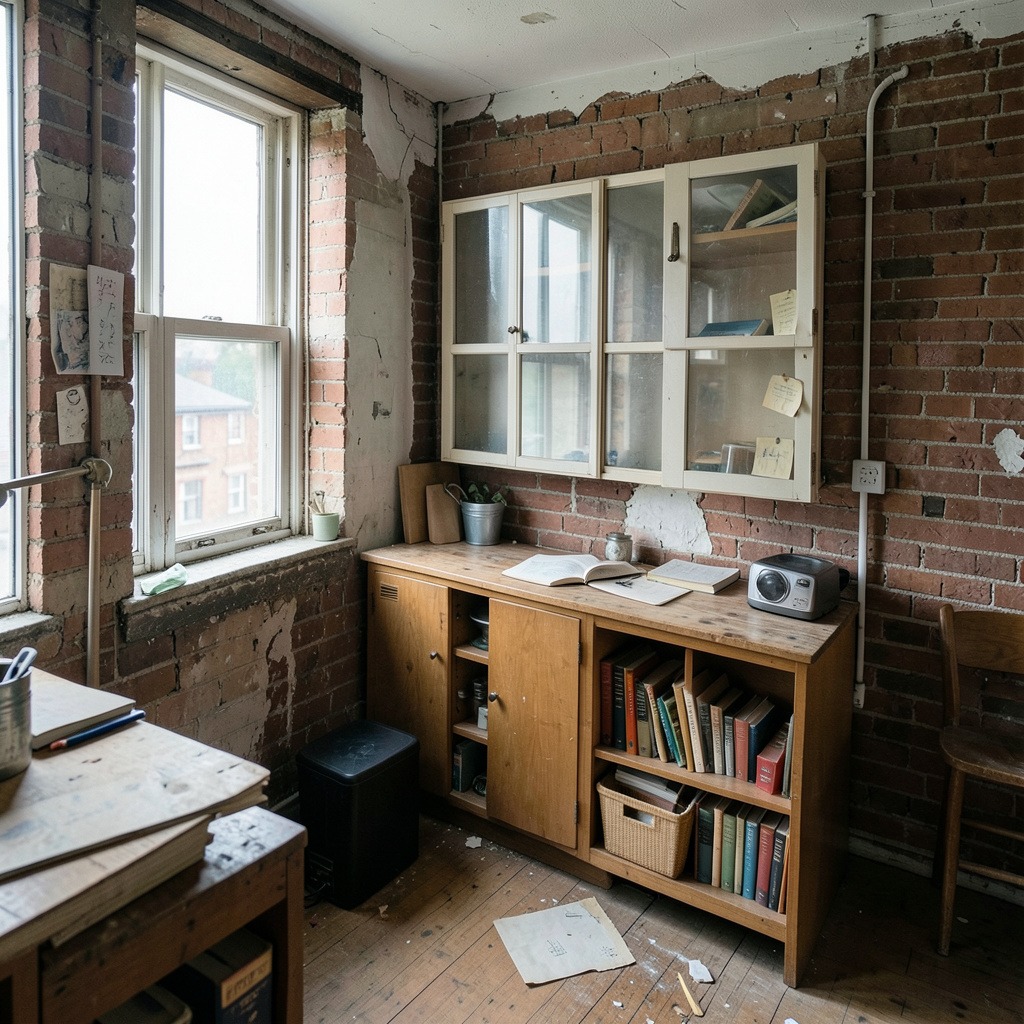
Understanding cultural beliefs about the eighth floor can significantly influence real estate decisions. Buyers should approach these properties with a nuanced perspective. Here are practical tips to help navigate superstitions effectively.
Assessing Cultural Beliefs
1. Research Local Superstitions: Investigate how the eighth floor is perceived in the local culture. In some regions, it may be regarded as lucky, while in others, it could be viewed with skepticism.
2. Engage with Local Experts: Consult real estate professionals familiar with cultural beliefs. They can provide valuable insights into how these beliefs affect property values and buyer preferences.
3. Consider Historical Context: Understand the origins of specific superstitions. For example, in East Asian cultures, the number 8 is often associated with prosperity, which could increase demand for eighth-floor units.
Evaluating Property Value vs. Superstition
1. Analyze Market Trends: Review property sales data to see if eighth-floor units sell at a premium or a discount compared to other floors. This can reveal how powerful these superstitions are in influencing buyer behavior.
2. Assess Comparable Properties: Compare properties on the eighth floor with those on other floors. Are there significant differences in price or time on the market? This analysis can help gauge the impact of superstition on property desirability.
3. Focus on Unique Selling Points: If considering an eighth-floor property, highlight its advantages. Features such as panoramic views and reduced street noise can appeal to buyers who may be hesitant due to superstitions.
Avoiding Common Pitfalls in Real Estate Transactions
1. Create a Decision Matrix: Develop a checklist to evaluate the property. Include factors like cultural significance, resale potential, and personal comfort. This structured approach can mitigate emotional biases influenced by superstition.
2. Seek Diverse Perspectives: Engage family and friends in discussions about the property. Their viewpoints can provide clarity and help counteract any superstitious fears.
3. Be Cautious of Overemphasis: While superstitions are important, avoid letting them dictate your decision entirely. Base your choice on practical needs and long-term value rather than solely on cultural beliefs.
By applying these strategies, buyers can navigate the complexities of superstitions, making informed decisions regarding eighth-floor properties.
Frequently Asked Questions
These quick answers cover the most common questions about this topic, including key details, practical tips, and common concerns.
What cultural beliefs surround the eighth floor?
The eighth floor is often viewed positively in many Eastern cultures, particularly in Chinese tradition. The number 8 is associated with wealth and prosperity, as its pronunciation is similar to the word for “prosper.” This belief leads many to prefer properties on the eighth floor, believing they will bring good fortune.
In contrast, some cultures may have differing views about the eighth floor, influenced by other superstitions. For example, cultures that emphasize the number 4 may see the eighth floor as unlucky due to its proximity to the fourth floor, which is often avoided.
How does the eighth floor superstition affect property values?
The superstition surrounding the eighth floor can significantly elevate property values. In markets like Hong Kong, apartments on the eighth floor can sell for up to 10% more than those on adjacent floors. This price premium reflects the cultural significance attributed to the number 8.
Real estate agents often highlight this aspect when marketing properties. The demand for eighth-floor units can lead to quicker sales and higher competition among buyers, further boosting their market value.
Are there specific examples of buildings impacted by this superstition?
Yes, numerous buildings in East Asia have been influenced by the eighth floor superstition. For instance, many high-rise apartments in Hong Kong feature units on the eighth floor that are marketed as premium offerings. In one notable case, a developer’s condominium complex sold all its eighth-floor units within weeks, while units on adjacent floors remained unsold for months.
These examples illustrate how deeply ingrained cultural beliefs can shape real estate trends and buyer behavior.
How can buyers navigate the eighth floor superstition in real estate?
Buyers can navigate the eighth floor superstition by educating themselves about local cultural beliefs. Understanding the significance of the number 8 in the local context can help inform their decisions. Engaging with local real estate professionals can provide valuable insights into how these beliefs affect property values.
Additionally, buyers should evaluate the unique selling points of eighth-floor properties, such as views and reduced noise, to counteract any superstitious hesitations. A balanced approach can help them make informed choices.
What other floor numbers are considered unlucky or lucky?
In addition to the eighth floor, several other floor numbers carry cultural significance. The number 4 is often viewed negatively in East Asian cultures due to its association with death, leading to the common practice of skipping the fourth floor in buildings. Conversely, the number 7 is sometimes considered lucky in various cultures, while the number 13 is widely seen as unlucky in Western traditions, resulting in the omission of the 13th floor in many buildings.
Understanding these superstitions can help buyers make informed decisions about property choices based on floor numbers.
How do cultural beliefs shape architectural design choices?
Cultural beliefs significantly influence architectural design, particularly in regions with strong superstitions. For example, buildings in East Asia may omit certain floors, such as the fourth, to align with local beliefs about luck. Additionally, developers might design properties with auspicious numbers in mind, such as including the eighth floor as a selling point.
These choices reflect a broader understanding of how cultural perceptions can impact not just property values but also the architectural landscape itself.
What is the significance of the number 8 in different cultures?
The number 8 holds various meanings across cultures, but it is predominantly seen as a symbol of prosperity and wealth in East Asian societies. In Chinese culture, the word for eight sounds similar to the word for “prosper,” making it particularly auspicious. This leads to a strong preference for the number in important events, such as weddings and business openings.
In contrast, other cultures may not share the same reverence for the number 8, viewing it neutrally or even negatively depending on local beliefs and superstitions. Understanding these differences is crucial for buyers and investors in real estate.