
No, spirituality does not go against Christianity as they can coexist and complement each other. In Christianity, spirituality is an essential part of the faith, encouraging individuals to cultivate a deep connection with God through prayer, meditation, and a personal relationship with Jesus Christ.
It involves seeking divine guidance, finding inner peace, and discovering the purpose of life. On the other hand, spirituality is a broad concept that encompasses various belief systems and practices aimed at connecting with a higher power or higher self.
While Christianity provides a specific framework and beliefs, spirituality allows for personal exploration and interpretation of faith. Ultimately, both spirituality and Christianity share the fundamental goal of seeking a meaningful relationship with a higher power and living a purposeful life.
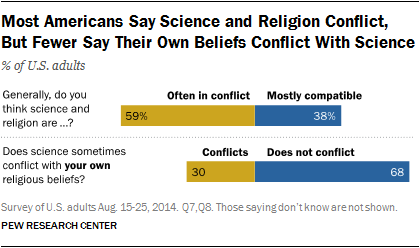
Credit: www.pewresearch.org
Understanding Spirituality And Christianity
Defining Spirituality
Spirituality refers to the depth of connection an individual has with something beyond oneself.
It often involves seeking meaning, purpose, and inner peace through personal experiences and beliefs.
Core Tenets Of Christianity
Christianity is centered around the belief in Jesus Christ as the Son of God and the Savior of humanity.
It emphasizes love, forgiveness, compassion, and the teachings of the Bible as the foundation of faith.

Credit: www.theosthinktank.co.uk
Historical Context
Spirituality has a complex relationship with Christianity, influenced by historical contexts and interpretations. While some view them as intertwined, others argue they conflict in certain aspects. Understanding these historical backgrounds sheds light on the diverse perspectives on this topic.
The question of whether spirituality goes against Christianity is a complex one that requires us to examine the historical context in which these two concepts have developed. By understanding the origins of Christianity and the evolution of spiritual beliefs, we can gain a deeper insight into this ongoing debate.
Origins Of Christianity
The origins of Christianity can be traced back to the first century CE in the region of Palestine. It emerged as a religious movement within Judaism, following the teachings of Jesus Christ and his disciples. Jesus preached about love, compassion, and the Kingdom of God, challenging the traditional religious authority of the time.
Christianity gained traction and began spreading throughout the Roman Empire, attracting followers from diverse backgrounds. Over time, it developed its own distinct rituals, doctrines, and practices, becoming an organized religion.
Evolution Of Spiritual Beliefs
While Christianity was establishing itself, spiritual beliefs also continued to evolve. Various cultures and civilizations held their own unique spiritual traditions, worshipping different deities and engaging in distinct practices.
As societies interconnected through trade and exploration, spiritual beliefs began to influence one another. This led to the emergence of syncretic movements, where different religious ideas blended together. These syncretic beliefs incorporated elements from various spiritual traditions, creating a diverse landscape of spiritual beliefs.
Throughout history, spiritual practices have taken different forms, such as shamanism, animism, polytheism, and pantheism, among others. These practices vary in their rituals, concepts of the divine, and ideas about the afterlife.
It is within this backdrop of evolving spiritual beliefs that Christianity developed. The encounter between Christianity and other spiritual traditions has shaped the way some perceive the compatibility between spirituality and Christianity. While some argue that Christianity encompasses all aspects of spirituality, others raise concerns about potential conflicts between Christian teachings and certain spiritual practices.
As we delve deeper into the discussion of whether spirituality goes against Christianity, it is crucial to examine the historical context to understand how these two concepts have intersected and shaped each other over time.
Intersections And Divergence
When exploring the relationship between spirituality and Christianity, it is important to consider the common themes and conflicting principles that underpin these belief systems. While there are intersections where the two align, there are also points of divergence that lead to differing interpretations and practices.
Common Themes
Shared values and principles
In both spirituality and Christianity, there are common themes such as compassion, forgiveness, and the pursuit of inner peace. Both emphasize the importance of love, kindness, and service to others as central tenets of their belief systems.
Connection to the divine
Spirituality and Christianity both focus on the relationship with a higher power. Whether it’s through prayer, meditation, or rituals, individuals in both traditions seek to connect with the divine and seek guidance and strength from a higher source.
Conflicting Principles
Scriptural authority
A key point of divergence lies in the interpretation and authority of religious texts. While Christianity often relies on the Bible as the ultimate authority, spirituality values a more personal interpretation of spiritual teachings and is open to diverse sources of wisdom.
Salvation
Christianity places emphasis on salvation through faith in Jesus Christ, whereas spirituality often emphasizes the individual’s personal journey towards enlightenment and self-realization, moving away from the idea of an external savior.
Spiritual Practices In Christianity
Spiritual practices are an integral part of Christianity, providing believers with a means to deepen their connection with God and experience personal growth. These practices are designed to nurture the soul, cultivate a sense of peace, and facilitate a closer relationship with the divine. While some may argue that spirituality goes against Christianity, it is essential to understand that spiritual practices in Christianity are deeply rooted in the faith and play a crucial role in the lives of believers.
Prayer And Meditation
Prayer is a foundational spiritual practice in Christianity, offering believers a direct line of communication with God. It serves as a way to express gratitude, seek guidance, and find comfort in times of need. Meditation allows individuals to quiet their minds, focus on scripture, and open themselves to spiritual insights. Both prayer and meditation are essential tools for strengthening one’s faith and fostering a deeper spiritual connection.
Sacraments And Rituals
Sacraments such as baptism, communion, and confession hold significant spiritual meaning in Christianity. These rituals symbolize the believer’s recommitment to their faith, the forgiveness of sins, and the spiritual nourishment received through the body and blood of Jesus Christ. Rituals like the Eucharist and the sacrament of reconciliation are essential components of spiritual growth and renewal in the Christian faith.
Contemporary Perspectives
Contemporary perspectives on spirituality and Christianity consider whether the two are in conflict. Some believe spirituality complements Christianity, while others argue it contradicts fundamental beliefs. The debate continues as individuals navigate personal faith journeys.
In today’s world, the interplay between spirituality and Christianity has become an intriguing topic of discussion. As society evolves, so do individuals’ interpretations and understandings of spirituality within the context of their Christian faith.Within contemporary perspectives, there are two notable subtopics that arise: modern interpretations and the relationship between secularization and spiritualism. Let’s delve deeper into these aspects to gain a better understanding of how spirituality can be viewed within the framework of Christianity.
Modern Interpretations
Within Christianity, modern interpretations of spirituality have emerged, challenging traditional notions. These interpretations often emphasize a more personal and experiential aspect of faith, focusing on establishing a deep connection with God through spiritual practices and mindfulness. Such approaches encourage believers to explore various spiritual disciplines, including meditation, contemplation, and self-reflection, as pathways to spiritual growth and a closer relationship with God. By embracing these practices, individuals seek to tap into the spiritual realm and experience a sense of peace, purpose, and oneness with the divine.Secularization And Spiritualism
In the face of growing secularization, spirituality has gained traction as an alternative means of seeking a connection with the divine. Secularization, which refers to the diminishing influence of religious beliefs and practices within society, has led some individuals to explore spirituality outside traditional religious contexts. Spiritualism, as a response to this shift, places emphasis on personal experiences, intuition, and individual truths rather than organized religion or dogma. While this approach may resonate with some individuals looking for a more fluid and personalized spiritual path, others argue that it contradicts the foundational principles of Christianity. Within the realm of contemporary perspectives, it is important to recognize the diverse ways individuals grapple with the relationship between spirituality and Christianity. While some view spirituality as a complementary aspect, enhancing their understanding and practice of their faith, others find tension between the two. Ultimately, the path to spiritual fulfillment is highly personal and varies from person to person within the wider Christian community. By exploring these perspectives, we can gain insight into the evolving landscape of spirituality within Christianity and foster a more inclusive and empathetic dialogue in our world today.Debunking Myths
Misconceptions About Spirituality
Spirituality is often mistaken as being separate from Christianity.
It is believed that spirituality goes against Christian beliefs.
Misunderstandings Of Christianity
Some misunderstand that Christianity only focuses on religious rituals.
Others think that Christianity is not compatible with personal spiritual growth.
Role Of Scriptures
Sacred texts play a pivotal role in shaping religious beliefs and practices
Each major religion has its own scripture, which is considered divine and authoritative
Comparing Sacred Texts
Comparing sacred texts reveals similarities and differences in teachings
Understanding different scriptures helps in fostering interfaith dialogue
Interpretations Of Teachings
Interpretations of teachings vary among different religious denominations
Interpreting scriptures requires contextual understanding and cultural sensitivity
Impact On Worldviews
When it comes to spirituality and its relationship with Christianity, one of the key areas of consideration is the impact on worldviews. Spirituality, with its diverse beliefs and practices, can have a profound effect on how individuals perceive and interpret the world around them.
Influence On Ethics
Spirituality has a significant influence on ethics, shaping how individuals navigate moral dilemmas and make decisions in their daily lives. It goes beyond the traditional Christian teachings and may encompass a wide range of beliefs
and practices, such as mindfulness, meditation, and alternative healing methods. These practices can provide individuals with a sense of inner peace and guidance, helping them establish their own moral compass based on personal experiences and beliefs.
People who integrate spirituality into their Christian beliefs might emphasize compassion, tolerance, and environmental stewardship, as they see the interconnectedness of all living beings and the need for personal responsibility in caring for the earth. This holistic approach to ethics can lead to a more inclusive and compassionate worldview, fostering a sense of unity and interconnectedness with others and the natural world.
Shaping Belief Systems
Spirituality can also impact belief systems in Christianity. While Christianity is rooted in specific doctrines and teachings, spirituality offers a broader and more experiential understanding of faith. Spirituality promotes a personal and subjective connection with the divine, allowing individuals to explore their own spiritual journey and find meaning in ways that resonate with them personally.
This may result in a more individualized set of beliefs within Christianity, with individuals embracing spiritual practices from various sources that enhance their personal relationship with God. This integration of spirituality into Christianity can lead to a more dynamic and diverse expression of faith, as individuals incorporate spiritual practices, such as prayer, meditation, or rituals, to deepen their connection with the divine.
However, it is important to note that spirituality should not be confused with syncretism, which involves blending multiple religious traditions into one. Instead, spirituality in Christianity emphasizes the personal aspect of faith while still honoring the core beliefs and teachings of Christianity.
Challenges And Resolutions
Addressing Religious Tensions
In today’s world, there exist tensions and conflicts between spirituality and Christianity, causing believers to question the compatibility of the two. Spirituality often emphasizes personal growth and seeking meaning beyond traditional religious structures, which seems to challenge the more organized doctrines of Christianity. It’s essential to acknowledge and address these tensions to find common ground and promote understanding.
Finding Common Ground
Despite the apparent contrasts, it’s possible to bridge the gap between spirituality and Christianity by recognizing shared values and principles. Both emphasize the importance of faith, love, and compassion, offering a common foundation for believers to build upon. By focusing on shared ideals rather than differences, individuals from different spiritual backgrounds can come together in mutual respect and understanding.

Credit: www.amazon.com
Personal Faith Journeys
Spirituality and Christianity often intersect in individuals’ personal faith journeys. These journeys are unique to each person, shaped by experiences, beliefs, and encounters with the divine. Understanding how individual experiences impact one’s spiritual path is crucial when considering the relationship between spirituality and Christianity.
Individual Experiences
Each person’s spiritual journey is influenced by their individual experiences. These experiences can range from transformative moments to ongoing spiritual practices, all of which contribute to an individual’s faith development.
Reconciling Spiritual Paths
Reconciling spiritual paths can be a deeply personal and complex process. Many individuals find themselves navigating the intersection of spirituality and Christianity as they seek to incorporate diverse beliefs and practices into their faith. Seeking harmony between these paths requires reflection and an open heart.
Contemplating Unity
Spirituality and Christianity can coexist harmoniously, with spirituality serving as a complement to one’s faith. While some aspects of spirituality may differ from traditional Christian beliefs, it does not necessarily go against Christianity. Unity can be found in the shared goal of seeking a deeper connection with a higher power.
Potential For Harmony
When exploring the relationship between spirituality and Christianity, one might question whether these two concepts can coexist harmoniously. After all, spirituality often centers around personal beliefs and experiences, while Christianity has a traditional structure and set of teachings. However, it is essential to recognize the potential for harmony between the two.
The essence of spirituality lies in connecting with something greater than oneself, seeking meaning and purpose in life. This aligns with the fundamental principles of Christianity, which emphasizes a personal relationship with God and finding fulfillment through faith. Though they may differ in language and practices, both spirituality and Christianity share a common goal of awakening the spiritual potential within individuals.
Moreover, both spirituality and Christianity acknowledge the importance of compassion, love, and kindness towards others. They teach individuals to value and respect all forms of life and to seek unity and understanding amidst the diversity of beliefs and traditions.
Unity In Diversity
One notable aspect of spirituality is its inclusivity, accepting and embracing various spiritual paths and practices. Similarly, Christianity acknowledges the unique journeys of individuals and encourages diversity within its own faith community. This recognition of unity in diversity brings forth the potential for an enriching interplay between spirituality and Christianity.
By contemplating unity within the context of spirituality and Christianity, we can embrace the commonalities they share. Both teach us to transcend the barriers of ego, judgment, and separation, fostering a sense of interconnectedness among all beings. It is in this recognition of unity that we can find the true essence of spirituality and Christianity, going beyond the surface-level differences.
Through embracing unity in diversity, we can create a space where individuals can explore their spirituality while staying true to their Christian faith. This allows for personal growth, the deepening of faith, and the development of a greater understanding of oneself and others.
Frequently Asked Questions On Does Spirituality Go Against Christianity
Can Spirituality And Christianity Coexist?
Yes, spirituality and Christianity can coexist harmoniously, as many Christians draw spiritual guidance from their faith.
Does Spirituality Conflict With Christian Beliefs?
Spirituality can align with Christian beliefs when it focuses on a personal relationship with God and living by biblical principles.
Is Spirituality Compatible With The Teachings Of Jesus?
The teachings of Jesus often emphasize spiritual connection and living in accordance with divine principles, aligning with spirituality.
How Does Spirituality Complement Christian Faith?
Spirituality can enhance Christian faith by deepening personal connections with God and cultivating a deeper understanding of biblical principles.
Can Christians Practice Spirituality Alongside Their Faith?
Many Christians integrate spirituality into their faith through prayer, meditation, and seeking a deeper connection with God in their daily lives.
Are There Spiritual Practices That Conflict With Christianity?
Some spiritual practices may conflict with Christian beliefs, so discernment is crucial when integrating spirituality into one’s faith.
Does Spirituality Enhance Or Detract From Christian Values?
When approached with discernment, spirituality can enhance Christian values by deepening faith and fostering a stronger connection with God.
Conclusion
Spirituality and Christianity can coexist harmoniously, as long as individuals approach spiritual practices with an understanding of their compatibility with Christian beliefs and teachings. By seeking guidance from the Bible and the Church, Christians can navigate the realm of spirituality in a way that aligns with their faith.
Embracing spirituality can deepen one’s connection with God and enhance their spiritual journey within the framework of Christianity.