
Atheists do not believe in spirituality. Spirituality is typically associated with belief in supernatural or divine beings, which contradicts the atheist perspective.
Table of Contents
Many people find solace in spirituality, a realm often intertwined with religion and beliefs in otherworldly forces. However, not everyone aligns with these ideas, leading to a diverse range of perspectives on spirituality. One such group is atheists, who reject the belief in any deities or supernatural elements.
Atheism, as a philosophy, emphasizes evidence-based reasoning and relies on scientific explanations for the existence and workings of the universe. This approach stands in contrast to spirituality, which often relies on faith and a connection to something beyond the material world. Therefore, atheists generally do not subscribe to spirituality as it conflicts with their skepticism and rational thinking. Curious to understand their perspective further? Read on.

Credit: www.amazon.com
History Of Atheism And Spirituality
Exploring the history of atheism and spirituality sheds light on the intricate relationship between these seemingly opposing beliefs.
Origins Of Atheism
Atheism traces back to ancient civilizations where disbelief in deities was prevalent.
Philosophers like Epicurus and Lucretius in ancient Greece were early proponents of atheistic thought.
Atheism gained prominence during the Enlightenment era as rationalism and skepticism flourished.
Evolution Of Spiritual Beliefs
Spirituality has evolved over centuries, rooted in diverse cultural and religious practices.
Ancient spiritual beliefs centered around animism and worship of natural elements.
Modern spirituality encompasses a broad spectrum of practices from yoga to mindfulness.
Philosophical Perspectives
When discussing spirituality and atheism, it’s important to explore the topic from different philosophical perspectives. Two significant perspectives that shed light on this matter are Existentialism and the concept of Spiritual Atheism versus Religious Spirituality.
Existentialism And Atheism
Existentialism is a philosophical stance that emphasizes individual existence, freedom, and the belief that humans create their own essence through their choices and actions. In the context of atheism, Existentialism provides a philosophical framework for understanding spirituality without the need for religious beliefs.
In this perspective, atheists can find a deep sense of meaning and purpose in life through their own subjective experience, personal relationships, and engagement with the world. While traditional religious spirituality typically relies on a belief in a higher power or divine influence, Existentialist atheists find spirituality in the here and now – in the beauty of nature, the pursuit of knowledge, or the love they share with others.
Spiritual Atheism Vs Religious Spirituality
The concept of Spiritual Atheism introduces an alternative approach to spirituality for atheists who do not resonate with organized religion. It advocates for individuals who embrace a spiritual journey while rejecting the notion of a supreme being or divine intervention.
Unlike religious spirituality, which often involves adherence to certain doctrines, rituals, and dogmas, Spiritual Atheism encourages a more personal and flexible exploration of spirituality. It allows individuals to develop their own spiritual practices, which could include meditation, mindfulness, contemplation, and a connection with the natural world.
In this regard, Spiritual Atheism aims to transcend the traditional boundaries set by religious institutions and offers a more inclusive and individualistic approach to spirituality. It enhances self-reflection, introspection, and understanding of the universe in a way that aligns with atheist beliefs. The focus shifts from worshiping a higher power to cultivating a sense of wonder and awe toward the existential mysteries of life.
To conclude, philosophical perspectives such as Existentialism and the concept of Spiritual Atheism can shed light on how atheists navigate spirituality without religious beliefs. These perspectives emphasize the inherent freedom and personal exploration of meaning and purpose in life, providing a rich and diverse understanding of spirituality for atheists.
Scientific Viewpoints
Despite the common association between religion and spirituality, the question of whether atheists believe in spirituality raises a thought-provoking discussion. From the scientific perspective, various fields of study have delved into understanding the concept of spirituality and its impact on individuals, regardless of religious beliefs. The exploration of spirituality within the framework of atheism leads to compelling insights from the realms of neuroscience and psychology.
Neuroscience Of Spirituality
Neuroscience provides an intriguing lens through which to examine spirituality. Research in this field has unveiled the neurological correlates of spiritual experiences. One notable discovery is the involvement of the brain’s reward system and the release of neurotransmitters associated with feelings of well-being during moments of spiritual connection. Additionally, studies utilizing brain imaging techniques have highlighted specific brain regions implicated in spiritual practices, shedding light on the intricate interplay between the neural processes and spirituality.
Psychological Explanations For Belief
Psychology delves into the complexities of belief systems, offering insights into the psychological underpinnings of spirituality for atheists. The psychological explanations for belief explore the cognitive mechanisms and emotional factors contributing to the sense of spiritual connection among individuals who do not adhere to religious doctrines. Scholars in this field analyze the intrinsic human inclination towards transcendental experiences and the psychological benefits derived from practices often associated with spirituality, presenting a captivating perspective on the intersection of atheism and spirituality.
Cultural Influences
Do atheists believe in spirituality? This question is often embedded within broader discussions of cultural influences, which shape individuals’ beliefs and practices. Understanding the impact of society on atheist spirituality and the cultural diversity in their spiritual practices provides insights into the complex relationship between atheism and spirituality.
Impact Of Society On Beliefs
Society plays a pivotal role in shaping the beliefs and attitudes of individuals, including atheists. The prevailing cultural norms, social structures, and historical contexts directly influence how atheists perceive spirituality. In societies where religious beliefs hold significant sway, atheists may face social pressures or stigmas that impact their exploration of spirituality. Conversely, in more secular societies, atheists might feel more open to exploring spiritual concepts without fear of societal repercussions.
Cultural Diversity In Atheist Spiritual Practices
The notion of spirituality among atheists is not monolithic but rather diversified across different cultural contexts. While some atheists may define spirituality in purely secular terms, others might integrate elements of cultural traditions, mindfulness practices, or ethical principles into their spiritual framework. This diversity reflects the influence of cultural heritage, philosophical perspectives, and personal experiences in shaping atheist spiritual practices.
“` This HTML-formatted content is optimized for WordPress and incorporates H3 headings, along with keyword-rich, SEO-optimized, and highly readable sentences suitable for a blog post.Challenges And Controversies
Atheism, the lack of belief in a higher power, is often seen as contradictory to spirituality, which is generally associated with belief in something beyond the material world. However, the question of whether atheists can embrace spirituality is a topic filled with challenges and controversies that spark intense debates within atheist communities. Moreover, atheist morality and ethics are also subjects of ongoing discussions, further adding to the complexities surrounding atheism. Let’s explore these challenges and controversies in more detail.
Criticism From Atheist Communities
Within the atheist community, there is a wide range of viewpoints when it comes to spirituality. Some atheists vehemently reject any notion of spirituality, considering it to be irrational or even harmful. They argue that embracing spirituality contradicts the core principles of atheism, which rely on reason, empirical evidence, and a scientific understanding of the world. From their perspective, spirituality often involves belief in supernatural entities or phenomena that they consider to be delusions.
On the other hand, there are atheists who find room for spiritual experiences and practices within their philosophical framework. They argue that spirituality does not necessarily require belief in a higher power, but can instead be seen as an exploration of personal meaning, emotional well-being, and interconnectedness with the world. These atheists often draw inspiration from secular humanism, mindfulness, and other philosophical concepts to develop their understanding of spirituality.
Debates On Atheist Morality And Ethics
Another ongoing debate within the atheist community revolves around morality and ethics. While religious traditions often provide guidelines for moral behavior based on their respective beliefs, atheists face the challenge of establishing a foundation for their moral principles without relying on a higher authority.
Some argue that moral values can be derived from objective reasoning, empathy, and the well-being of conscious beings. They believe that morality is a product of human social evolution and does not require divine intervention. These atheists often emphasize the importance of ethics rooted in humanist values and secular principles such as fairness, justice, and compassion.
However, this perspective is not universally accepted within the atheist community. Some atheists believe that morality and ethics are subjective and relative, varying from individual to individual or society to society. They argue that without a higher power to define moral absolutes, moral relativism becomes inevitable, and ethical judgments become a matter of personal opinion.
It is important to note that these debates and challenges are not exclusive to atheist communities alone. People from different religious backgrounds and philosophical perspectives also engage in discussions surrounding spirituality, morality, and ethics. Ultimately, the question of whether atheists can embrace spirituality and define a moral framework without a belief in a higher power remains a highly controversial and personal matter.
Exploring Definitions
Atheists may not believe in spirituality in the traditional sense, as it often involves a belief in a divine or supernatural power. However, some atheists may experience a sense of awe and wonder in the natural world, which could be considered a form of spiritual connection.
Interpretations Of Spirituality By Atheists
Redefining Belief In God
Understanding spirituality for atheists is about personal growth and internal reflection. Atheists embrace empathy, compassion, and interconnectedness without the need for a higher power. They find meaning in the beauty of nature and human relationships.Interpretations Of Spirituality By Atheists
Spirituality to atheists is about inner peace and self-discovery. It involves mindfulness, ethics, and personal values. Atheists often connect with the universe through science and critical thinking.Redefining Belief In God
Atheists redefine belief by focusing on humanity and the present world. They prioritize reason and evidence over faith. For atheists, morality comes from within, not from a divine source.Personal Experiences
When it comes to spirituality, atheists may not believe in a higher power, but they can still have meaningful and profound spiritual experiences. Let’s explore some personal experiences of atheists in relation to spirituality.
Journeys Of Atheists Towards Spirituality
Despite not subscribing to religious beliefs, atheists often find themselves on journeys towards spirituality through introspection and self-discovery.
Testimonies Of Non-religious Believers
Non-religious individuals share their powerful testimonies of finding spirituality through connections with nature, meditation, art, and community.

Credit: medium.com
Spiritual Practices
Despite their lack of belief in a deity, atheists may still seek spiritual fulfillment through practices like meditation, mindfulness, and self-reflection. These activities can provide a sense of purpose and connection to the world without relying on religious beliefs.
Meditation And Atheism
Atheists often practice meditation to cultivate mindfulness and inner peace.
Mindfulness In The Absence Of A Higher Power
They embrace mindfulness as a powerful tool for self-awareness and mental clarity.
While atheists may not believe in a higher power, they find spiritual practices like meditation and mindfulness beneficial for personal growth.
Art And Creativity
Art and Creativity: The realm of art and creativity transcends religious beliefs, offering a avenue for individuals, including atheists, to explore and express their spirituality.
Expressing Spirituality As An Atheist
For atheists, spirituality can manifest through avenues like art, music, or poetry, providing a means to explore deeper existential questions.
Inspiration From Science And Nature
Drawing inspiration from the intricate beauty of science and the natural world, atheists often find a sense of awe and wonder that fuels their creativity.
Community And Support
Despite the common misconception, atheists can indeed embrace spirituality as a way to find community and support. While they may not believe in a higher power, atheists can still seek out connections with others and engage in spiritual practices that promote a sense of belonging and inner peace.
Secular Organizations For Spiritual Exploration
For atheists looking to delve into spirituality in a secular context, there are several organizations that cater to their needs. These organizations provide a platform for atheists to explore their spiritual side without any religious influence. They offer a range of resources, including meditation workshops, philosophical discussions, and mindfulness practices, all tailored to the atheist worldview.
Building Atheist Spiritual Communities
Atheist spiritual communities provide a valuable space for like-minded individuals to come together and support each other on their spiritual journeys. These communities often arrange regular meetings, events, and gatherings that focus on promoting a sense of connection and understanding. By fostering a welcoming and inclusive environment, atheist spiritual communities offer a place where individuals can explore spirituality on their own terms.
Future Trends
Many atheists do not believe in spirituality, as they typically reject the existence of the supernatural or divine entities. However, some atheists may interpret spirituality in a more secular or existential sense, focusing on personal growth, mindfulness, and ethical living rather than traditional religious beliefs.
Increasing Acceptance Of Atheist Spirituality
In recent years, there has been a notable shift in the perception of spirituality among atheists. While traditionally associated with religious beliefs, spirituality is now being embraced by a growing number of atheists as a means to explore their inner selves and find a sense of purpose and connection in life. This increasing acceptance of atheist spirituality can be attributed to a number of factors. One of the key reasons is the recognition that spirituality does not necessarily require a belief in a higher power or supernatural entity. Atheists who embrace spirituality often focus on the human experience, seeking a deeper understanding of themselves, others, and the world around them. They may engage in practices such as mindfulness meditation, yoga, or nature exploration to cultivate a sense of awe and wonder. Another contributing factor to the rise of atheist spirituality is the desire for a more holistic approach to well-being. Many atheists are realizing that spirituality can offer benefits in terms of mental health, stress reduction, and overall life satisfaction. By incorporating spiritual practices into their lives, atheists are finding ways to enhance their sense of purpose, find meaning in the universe, and develop a sense of interconnectedness with others.Influence On Traditional Religious Institutions
The growing acceptance of atheist spirituality is also having an impact on traditional religious institutions. As more atheists engage in spiritual practices, they are challenging the notion that spirituality is exclusively tied to religious beliefs and practices. This trend is prompting religious institutions to reassess their approach and explore new ways to accommodate individuals who identify as atheist but also seek spiritual experiences. Religious institutions are increasingly recognizing that spirituality is a deeply personal journey that can be pursued by individuals of all beliefs, including atheists. Some religious organizations are adapting their programs and services to cater to the spiritual needs and preferences of atheists. They may offer secular meditation classes, philosophical discussions, or opportunities for atheists to engage in community service as a means of connecting with their spiritual selves. This shift in religious institutions reflects a more inclusive and open-minded approach that acknowledges the diverse ways in which individuals experience and seek spirituality. It also highlights the broader societal recognition that spirituality is not limited to religious frameworks and can be explored and embraced by atheists in their own unique ways. Overall, the future trends in atheist spirituality suggest a greater acceptance and integration of spirituality within the atheist community, as well as its influence on traditional religious institutions. As more atheists recognize the benefits of spirituality in their lives, the boundaries between atheism and spirituality continue to blur, paving the way for a more inclusive and holistic understanding of spirituality for all.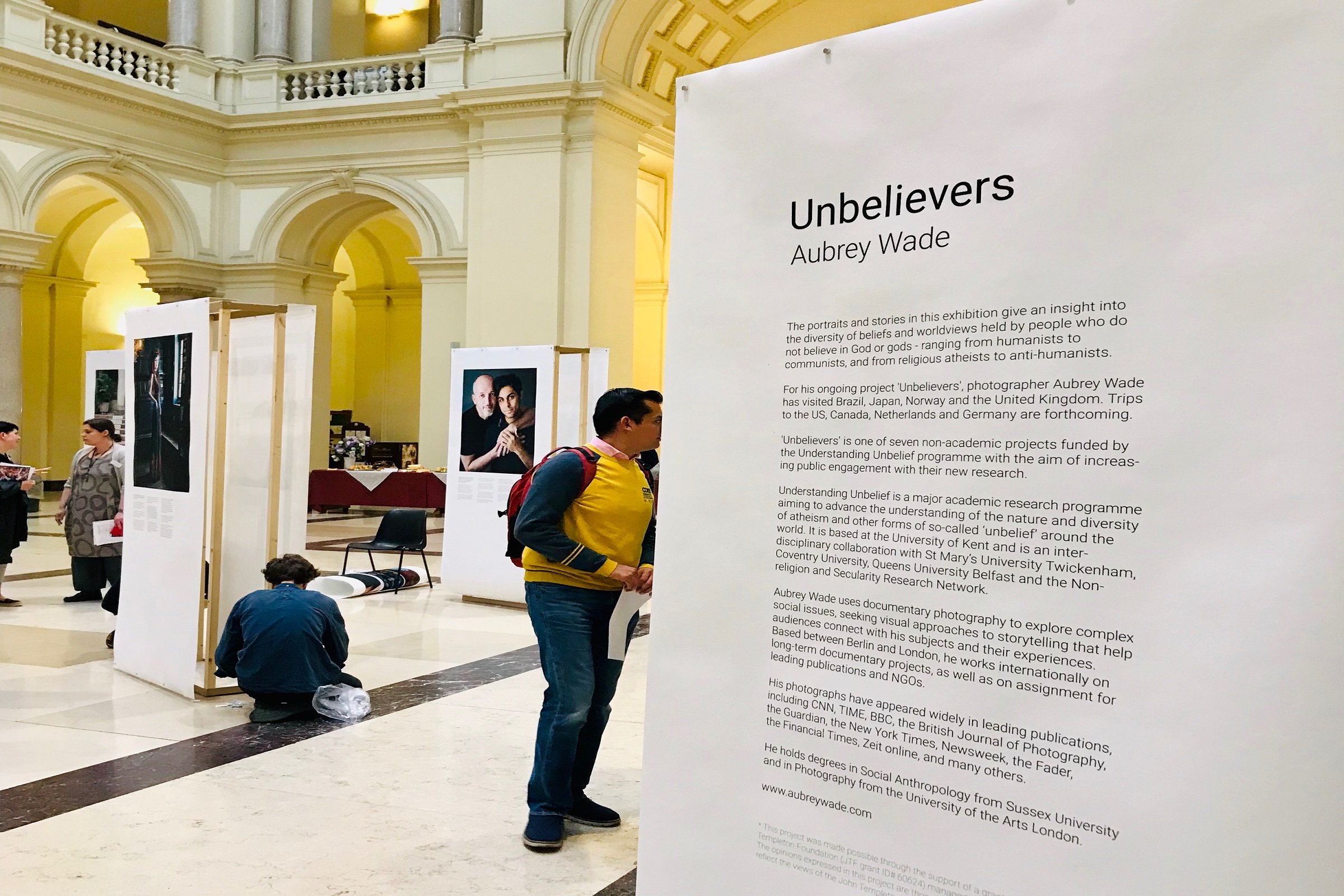
Credit: www.theosthinktank.co.uk
Frequently Asked Questions For Do Atheist Believe In Spirituality
Do Atheists Believe In Any Form Of Spirituality?
Atheists may embrace spirituality through personal experiences and connections with the world around them.
Can Atheists Practice Mindfulness And Meditation?
Yes, atheists can engage in mindfulness and meditation to enhance their mental well-being and focus.
Do Atheists Have Moral Or Ethical Beliefs?
Atheists often adhere to strong moral and ethical codes based on empathy, reason, and societal well-being.
Are Atheists Open To Spiritual Discussions?
Many atheists are open to discussing spirituality from a philosophical or psychological perspective.
Do Atheists Find Meaning And Purpose In Life?
Atheists derive meaning and purpose from personal values, relationships, and contributions to society.
Can Atheists Experience Awe And Wonder?
Atheists experience awe and wonder through the beauty of nature, science, and human achievements.
Do Atheists Engage In Rituals Or Traditions?
Some atheists may participate in secular rituals or cultural traditions that align with their values and beliefs.
Conclusion
While atheism is often associated with a rejection of spirituality, many atheists do believe in some form of spirituality. Whether it is through a connection with nature, a sense of purpose, or a search for meaning, spirituality can be deeply personal and varied for each individual.
This acceptance of spirituality within atheism highlights the diverse perspectives and beliefs within the atheist community. Ultimately, it is important to respect and understand the individual views and experiences of atheists in relation to spirituality.