
Zeus, the king of the Greek gods, is considered immortal in mythology. However, various myths raise intriguing questions about his potential death. This article explores the nuanced stories surrounding Zeus’s immortality and the cultural interpretations of his fate.
Understanding Zeus’s Immortality
Immortality is a central theme in Greek mythology, and it shapes our understanding of Zeus. As the king of the gods, Zeus embodies this concept, but the stories around him sometimes blur the lines.
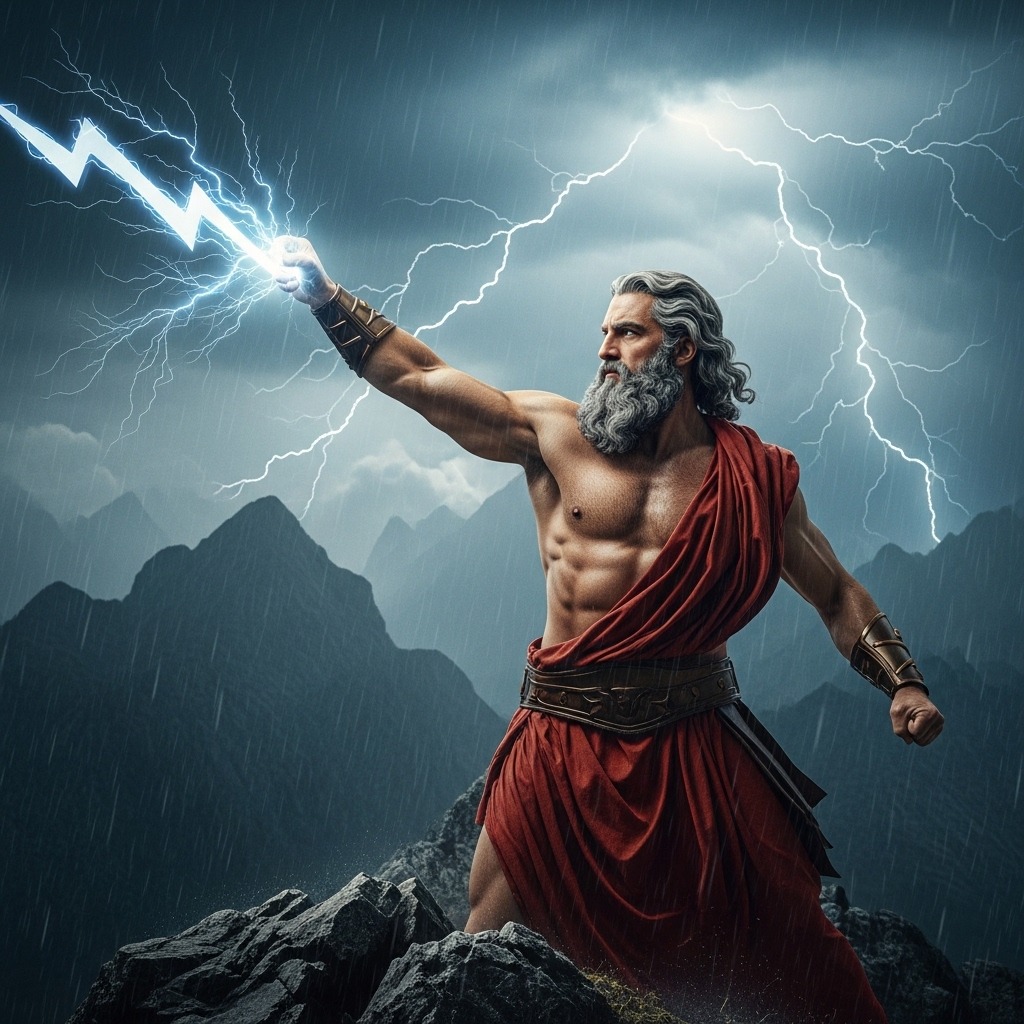
The Nature of Immortality in Greek Mythology
In Greek mythology, immortality means living forever and never facing death. Gods like Zeus, Hera, and Poseidon are considered immortal. They do not age or succumb to death as mortals do. Instead, they have divine powers that keep them alive across the ages.
Here are some key points about immortality in this context:
- Eternal Life: Immortal beings exist beyond time.
- Divine Powers: They possess abilities that surpass human limitations.
- Cultural Reverence: Immortal gods were worshipped for their eternal nature.
Other immortal figures include Asclepius, the god of medicine, and Pan, the god of the wild. They, too, showcase the idea that immortality is a defining trait of the divine.
Why Zeus is Considered Immortal
Zeus is firmly placed in the realm of immortality. Unlike many heroes and demigods who face death, Zeus remains untouched by it. He overthrew his father, Cronus, and defeated the Titans, solidifying his position as the supreme deity.
There are no myths that depict Zeus’s death in the traditional sense. Instead, he faces adversaries like Typhon, a monstrous serpent. In these myths, he emerges victorious, showcasing both his strength and his immortality.
Table of Contents
To illustrate this further, consider these comparisons:
- Zeus vs. Mortals: Mortals like Achilles face death, but Zeus never does.
- Zeus vs. Other Gods: While gods like Ares and Dionysus have their conflicts, Zeus remains the ultimate ruler, always rising above threats.
In essence, Zeus’s immortality is reinforced by his continual victories and his role as the king of Olympus. This is not just a narrative but a reflection of how ancient Greeks viewed their gods—eternal, powerful, and beyond mortal struggles.
Myths Suggesting Zeus’s Death

While Zeus is often celebrated for his immortality, some myths hint at moments when he faced death. These stories can be intriguing, showcasing different interpretations of his power and resilience. Let’s dive into a couple of key myths that suggest Zeus might have met his end.
The Cretan Myth: Zeus’s Alleged Death
One of the most fascinating tales comes from Crete. According to local legends, Zeus was said to have died and been reborn in a cave. This myth paints a unique picture of the king of the gods. In this narrative, Zeus’s death symbolizes a cycle of renewal rather than a permanent end.
- Cave of Dictae: The cave is believed to be where Zeus was hidden as a baby. Some versions suggest that he faced death here, only to be revived, emphasizing his connection to rebirth.
- Rituals: The Cretans held rituals that honored Zeus’s return to life, celebrating his immortality through the story of his death. This reflects ancient beliefs about death and resurrection.
These tales highlight how local cultures incorporated myths about Zeus’s mortality, bending traditional narratives to fit their own beliefs.
Other Gods and Their Death Myths
Comparing Zeus to other gods can shed light on his unique status. In many mythologies, gods face death or challenges that threaten their existence. For example:
- Asclepius: He was known for his healing powers but met a tragic end when Zeus struck him down to maintain the balance of life and death.
- Pan: This god of the wild reportedly faced death, prompting the idea of his return in times of distress.
Zeus, however, remains steadfast. His stories often illustrate victory over death. Unlike Asclepius or Pan, Zeus encounters threats but always emerges unscathed.
Summary of Key Points
| Myth | Zeus’s Death | Significance |
|---|---|---|
| Cretan Myth | Alleged death | Symbolizes rebirth and local cultural beliefs |
| Asclepius | Faced death | Highlights the balance of life and mortality |
| Pan | Faced death | Emphasizes the theme of return in mythology |
These comparisons reinforce Zeus’s identity as the eternal god, set apart from others who experience death, even if just in myth.
The Role of Zeus in Greek Mythology
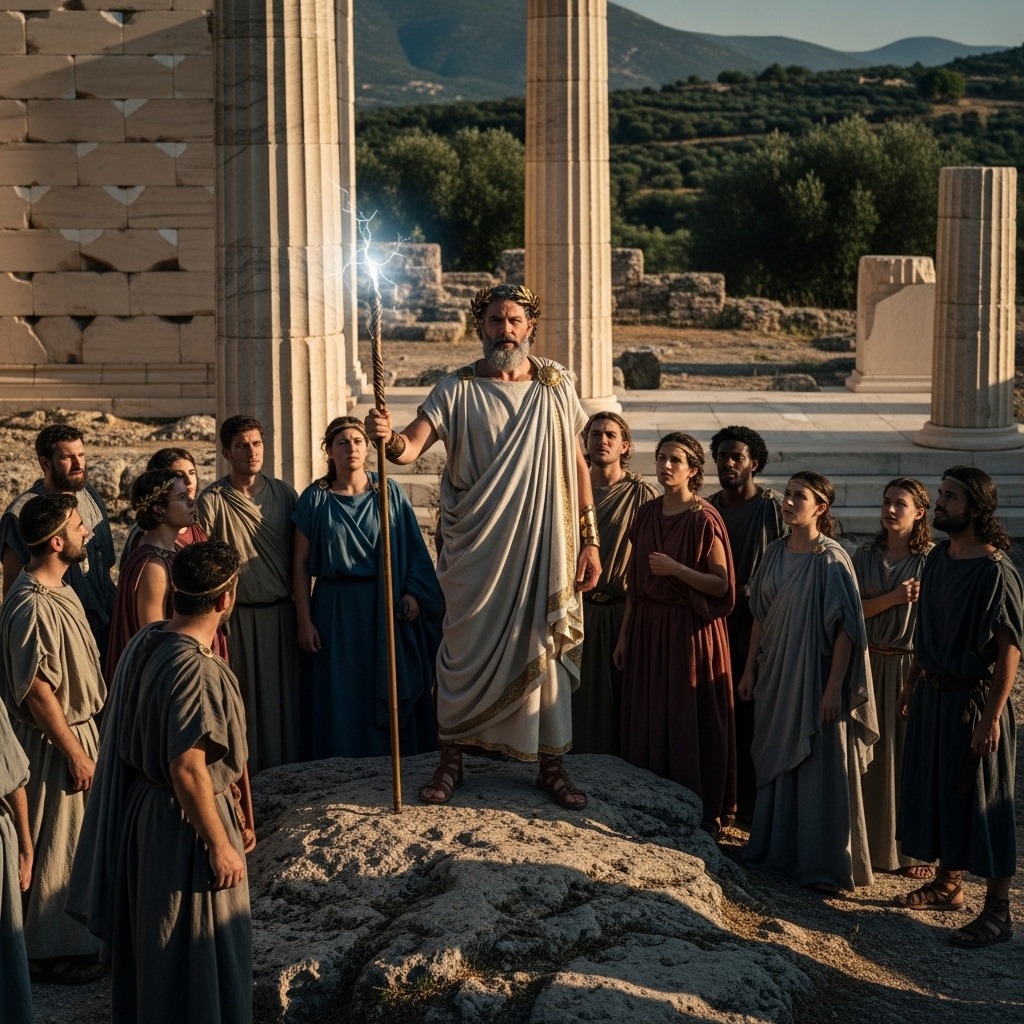
Zeus holds a central position in Greek mythology. He is not just a powerful god but also a pivotal figure whose relationships shape many myths and cultural practices.
Zeus’s Family and Relationships
Zeus’s family ties are complex and significant. He is the son of Cronus, who feared being overthrown by his children. To prevent this, Cronus swallowed his offspring. However, Zeus escaped and eventually defeated his father. Here’s a quick look at his key relationships:
- Hera: Zeus’s sister and wife. Their relationship is tumultuous, marked by jealousy and power struggles. Hera often challenges Zeus’s authority.
- Titans: Zeus fought against the Titans, including Cronus, to establish his rule. This battle symbolizes the transition from old to new power.
- Olympus: As king of the gods, Zeus resides on Mount Olympus. He oversees not only the other gods but also mortals.
These relationships illustrate the dynamics of power and influence among the gods.
Zeus’s Influence on Greek Culture
Zeus’s presence in Greek culture is immense. He was worshiped as the god of sky and thunder, symbolizing authority and justice. Temples like the one at Olympia were dedicated to him, showcasing his importance.
His stories also shaped cultural practices:
- Festivals: The Olympic Games were held in his honor, emphasizing athleticism and competition.
- Art and Literature: Zeus appears in countless works, influencing themes of power, justice, and morality.
Zeus’s relationships and influence highlight the values of ancient Greek society, where the interactions between gods mirrored human experiences.
In summary, Zeus’s immortality and unyielding nature set him apart from other gods who faced death. His connections and cultural significance continue to resonate today, reinforcing his status as the eternal king of the gods.
Misconceptions About Zeus’s Death

Many people wonder if Zeus, the mighty king of the gods, ever faced death. This question usually stems from misunderstandings about the nature of immortality in Greek mythology. Let’s clear the air!
Common Myths and Misunderstandings
1. Zeus Was Overthrown: Some myths suggest that Zeus could be overthrown, but none state he dies. Instead, he remains immortal.
2. The Battle with Typhon: In some tales, Zeus battles the giant Typhon. While this was a fierce fight, it didn’t lead to his death. He ultimately triumphed, reinforcing his eternal status.
3. Comparisons with Other Gods: Unlike Asclepius, who faced a tragic end, Zeus’s story doesn’t involve mortality. Asclepius was killed but later became a god. Zeus, however, never faced such a fate.
4. Cultural Misinterpretations: In modern stories, Zeus sometimes appears vulnerable. However, in authentic myths, he’s always victorious and eternal.
The Reality of Immortal Deities
In Greek mythology, gods are typically portrayed as immortal. Here’s a quick checklist to clarify:
- Zeus’s Immortality: Zeus does not die; he rules forever.
- Other Gods: Unlike Pan, who has legends about his adventures and transformations, Zeus remains unchanged in his immortal form.
- Cultural Impact: The myths around Zeus shape our understanding of power and divinity. They show that the gods, including Zeus, are beyond the mortal experience of death.
Understanding these elements helps us appreciate the true nature of Zeus. He stands as an eternal figure in mythology, unyielding and powerful.
Comparative Analysis: Zeus and Other Mythological Gods
When we think about Zeus, the king of the Greek gods, immortality is a key theme. But how does he stack up against gods from other cultures? Let’s dive into the fascinating world of mythology and explore!
Mortality in Greek vs. Norse Mythology
In Greek mythology, Zeus is immortal and untouchable. He faces challenges, but he never meets death. In contrast, Norse mythology presents a different story. Take Odin, for example. He’s a powerful god, but he’s not invincible. In the myth of Ragnarok, the end of the world, Odin faces death at the hands of the wolf Fenrir.
- Zeus: Immortal, never dies, rules over Olympus.
- Odin: Powerful, faces death during Ragnarok, embodies the cycle of life and death.
This highlights a major difference: Greek gods maintain their power indefinitely, while Norse gods grapple with mortality and fate.
The Roman Adaptation of Zeus: Jupiter
When the Romans encountered Greek mythology, they adapted Zeus into Jupiter. While Jupiter shares many traits with Zeus, he has different cultural nuances. Romans viewed their gods as protectors of the state, making Jupiter a symbol of authority.
- Zeus: Focused on personal power and relationships among gods.
- Jupiter: Embodies state power and governance.
Unlike Zeus, who remains largely unchallenged in his myths, Jupiter experiences more complex narratives, often involving political intrigue.
Key Takeaways
- Immortality: Zeus is eternally powerful, while some gods like Odin face death.
- Cultural Roles: Zeus represents personal divinity; Jupiter symbolizes state authority.
- Narrative Focus: Greek myths often center on individual stories, whereas Norse tales include themes of fate and mortality.
By comparing Zeus with gods from other mythologies, we see how cultural perspectives shape their stories. Zeus’s immortality stands out, making him a unique figure in the vast tapestry of world mythology.
Frequently Asked Questions
These quick answers cover the most common questions about this topic, including key details, practical tips, and common concerns.
Did Zeus Ever Die?
In Greek mythology, Zeus is considered immortal and does not die. He rules from Mount Olympus and remains eternal, immune to mortal death. While myths depict him facing challenges, they never portray his demise.
Has Zeus Ever Been Killed?
There are no myths that directly state Zeus was killed. Some local legends, like certain Cretan stories, suggest he faced death or rebirth, but these are symbolic or ritualistic rather than literal. Overall, Zeus is consistently depicted as immortal.
Did Zeus Have 100 Kids?
According to myth, Zeus fathered many children—some accounts list over 100 offspring, including gods, heroes, and mortals. His children include Athena, Apollo, Artemis, Hermes, and Perseus, among others. These stories highlight his prolific and complex family.
What Happened to Zeus at the End?
Mythology does not specify an end for Zeus. He remains the king of the gods and continues to preside over Olympus. Unlike mortal heroes, he is not expected to die or be replaced. His role is eternal in Greek myth.
Where Is God Zeus Now?
In myth, Zeus resides on Mount Olympus, the divine realm. In modern culture, he is often portrayed symbolically or in art, but as a mythological figure, he is considered to be beyond physical location—an eternal deity representing divine authority.
What Are the Myths Surrounding Zeus’s Death?
Some local legends, especially from Crete, suggest Zeus died and was reborn, symbolizing renewal. However, these are cultural stories rather than core mythological truths. Mainstream Greek myths emphasize his immortality and victory over threats.
Why Is Zeus Considered Immortal?
Zeus’s immortality is a fundamental trait of Greek gods. They are depicted as eternal beings who do not age or die. Zeus’s divine powers and victories over enemies reinforce his status as an everlasting ruler of Olympus.
How Is Zeus Depicted in Modern Culture?
Today, Zeus is often depicted as a powerful, bearded god wielding thunderbolts. He appears in movies, art, and literature as a symbol of authority, strength, and justice. His mythological stories continue to influence popular culture.