
Cutting nails at night is often considered bad luck due to various cultural superstitions that associate it with negative energies, misfortune, and disrespect towards spiritual beliefs.
While cutting nails is a routine grooming task, many cultures hold superstitions against doing it at night. This guide explores nine compelling reasons related to cultural beliefs and practical implications behind the superstition of nighttime nail cutting.
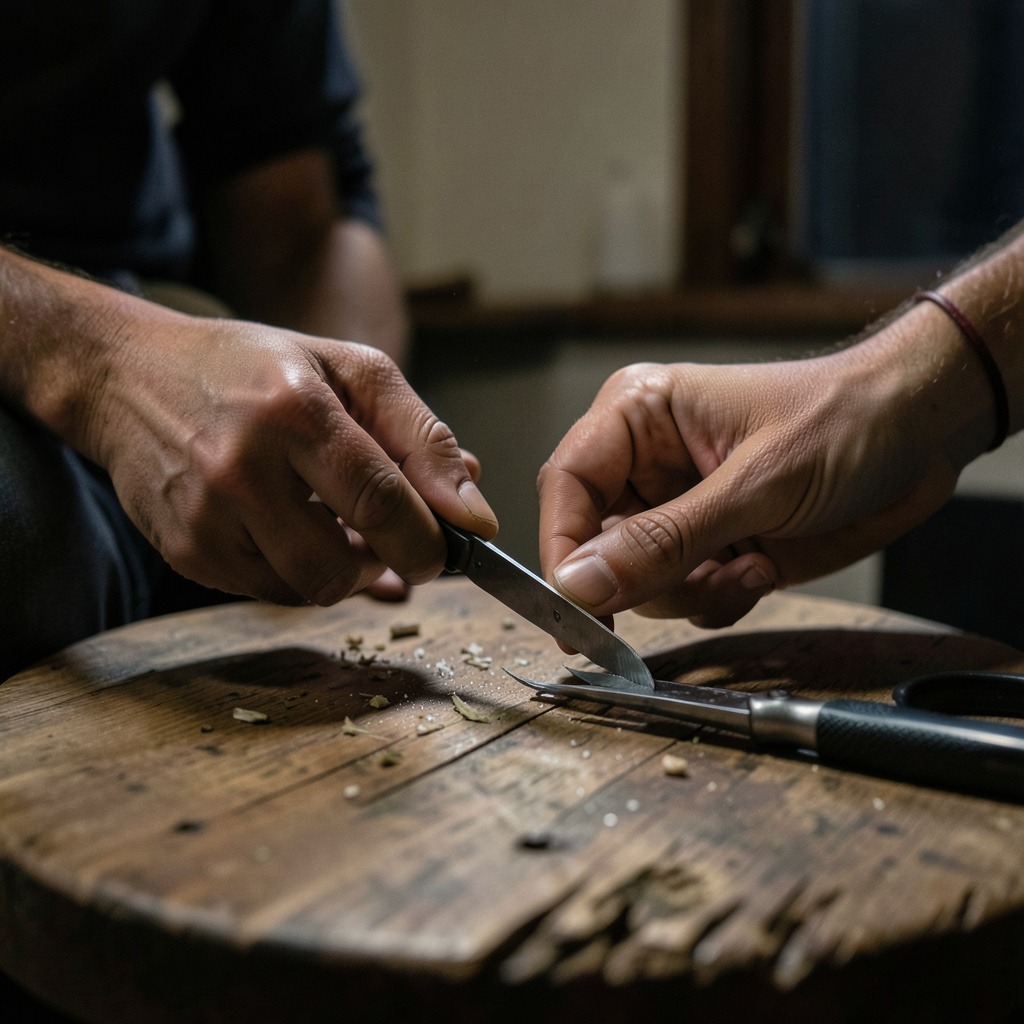
Understanding the Superstition: Why Cutting Nails at Night is Avoided
Cutting nails at night is steeped in superstition across various cultures. The beliefs often intertwine with historical contexts and spiritual implications, creating a rich tapestry of reasons for this avoidance.
Historical Context of the Superstition
Many cultures attribute significant meaning to the act of nail cutting. In Hindu tradition, the avoidance stems from a belief linked to the goddess Lakshmi, who represents wealth and prosperity. Cutting nails at night is thought to invite negative energy, potentially disrupting harmony and fortune. In Japan, a similar superstition exists, where cutting nails at night is believed to foreshadow misfortune. The linguistic connection between nail cutting and the phrase about shortening life reinforces this idea.
Common Fears and Beliefs
Across cultures, several fears underpin the superstition surrounding nighttime nail cutting:
- Spiritual Disruption: Many believe that cutting nails at night disturbs ancestral spirits. This belief is prominent in Thai culture, where it is thought to sever ties with family lineage.
- Bad Luck and Misfortune: In Korean culture, the act is said to invite bad luck, especially related to familial bonds.
- Health Concerns: Some cultures believe that the darkness of night can conceal dirt and bacteria, leading to uncleanliness around the home.
The Role of Spirituality in Nail Cutting
Spiritual beliefs often shape practical actions. The avoidance of cutting nails at night reflects a deeper respect for spiritual rituals and connections.
- Energetic Balance: In many Asian cultures, nails are seen as extensions of one’s energy. Cutting them at night can disrupt this balance, attracting negativity.
- Ritualistic Timing: Some cultures have designated times for grooming activities, emphasizing the importance of performing these tasks during daylight for positive outcomes.
Overall, the superstition of cutting nails at night highlights the intersection of cultural beliefs, historical narratives, and spiritual practices. Understanding these dimensions can provide valuable insights into the traditions that shape our daily lives.
Table of Contents
Cultural Variations: How Different Societies Perceive Nail Cutting at Night

The superstition surrounding cutting nails at night varies significantly across cultures. Each society imbues this act with unique meanings and consequences. Below are some notable beliefs from Hinduism, Japanese folklore, Korean traditions, and Chinese customs.
Hindu Beliefs and the Goddess Lakshmi
In Hindu culture, cutting nails at night is viewed as highly inauspicious. It is believed that the night harbors negative energies, particularly from malefic celestial bodies like Saturn (Shani) and Rahu. The act of cutting nails, which is seen as removing a part of the body, is considered to invite these negative influences.
- Connection to Lakshmi: Many Hindus believe that the goddess of prosperity, Lakshmi, visits homes at night. An untidy environment, which may result from cutting nails after sunset, could lead her to bypass the household, impacting financial well-being.
- Cultural Practices: Families often schedule grooming activities during the day. This practice aligns with the notion that sunlight neutralizes any potential negative effects associated with such acts.
Japanese Superstitions about Death
In Japan, cutting nails at night is also frowned upon, with deep-rooted beliefs tied to fate and familial bonds.
- Linguistic Connection: A common saying warns that trimming nails at night could “shorten one’s life.” This phrase links nail cutting to death, suggesting that doing so could foreshadow one’s absence during critical family moments, such as a parent’s final hours.
- Spiritual Vulnerability: Folklore suggests that nighttime is when malevolent spirits become more active. Cutting nails at this time is thought to expose individuals to these spirits, potentially inviting misfortune.
Korean Folklore and Rats
Korean culture presents a unique perspective on the superstition surrounding nighttime nail cutting.
- Rats and Misfortune: A prevalent belief holds that cutting nails at night can attract rats. This stems from the idea that the act signals vulnerability to misfortune, as rats are often associated with bad luck and chaos.
- Cultural Implications: Many Koreans prefer to groom during the day, ensuring that their actions do not invite unfortunate events.
Chinese Traditions and Nightmares
Chinese customs also warn against nighttime nail cutting, associating it with spiritual repercussions.
- Nightmare Connection: It is believed that cutting nails at night can lead to nightmares, as spirits take advantage of the fresh cuts. This belief reinforces a sense of caution around personal grooming after dark.
- Spiritual Practices: Many Chinese families adhere to the practice of cutting nails during daylight hours to avoid disturbing the spiritual realm.
Summary of Cultural Beliefs
| Culture | Belief about Nighttime Nail Cutting |
|---|---|
| Hinduism | Attracts negative energies, disrupts Lakshmi’s visit |
| Japan | Linked to shortening life and inviting bad spirits |
| Korea | Attracts rats, symbolizes vulnerability to misfortune |
| China | Leads to nightmares and spiritual disturbances |
These cultural variations highlight the deep-seated beliefs and rituals associated with cutting nails at night. Understanding these perspectives can provide insight into the behaviors and practices observed in different societies.
Practical Implications: Safety and Hygiene Considerations

Understanding the practical reasons behind avoiding nail cutting at night can help clarify the cultural superstitions. Safety concerns and hygiene practices play a crucial role in this belief.
Safety Risks of Nighttime Grooming
Cutting nails at night poses several safety risks. Limited visibility can lead to accidents. Using sharp tools in dim light increases the chance of injury. Additionally, the risk of improper cuts may lead to infections.
Here are key safety considerations:
- Use Adequate Lighting: Ensure your space is well-lit to avoid accidents.
- Choose Safe Tools: Opt for nail clippers instead of sharp knives.
- Avoid Distractions: Focus fully on the task to prevent mishaps.
Hygiene Practices to Follow
Maintaining hygiene while respecting cultural beliefs is essential. Here are practices to consider:
- Cut Nails During the Day: Align with cultural beliefs by scheduling nail care in daylight.
- Clean Tools Regularly: Sanitize clippers and scissors to prevent infections.
- Dispose of Clippings Properly: Avoid leaving clippings on the ground, as this is believed to invite misfortune in some cultures.
How to Cut Nails Safely During the Day
Cutting nails safely during the day can help mitigate superstitions and align with practical hygiene. Follow these steps:
1. Select a Comfortable Location: Choose a clean, well-lit area.
2. Prepare Tools: Gather clippers, a file, and antiseptic wipes.
3. Trim Nails Carefully: Cut straight across to avoid ingrown nails.
4. File Edges Smoothly: This reduces snags and maintains nail aesthetics.
By adhering to these practices, one can maintain hygiene and respect cultural beliefs surrounding nail cutting at night.
The Role of Spirituality: Energy and Timing in Nail Cutting

Cutting nails at night carries significant spiritual implications across various cultures. Many believe that this act disrupts the flow of spiritual energy, which can attract negative forces. Understanding the concepts of energy flow and auspicious timing is crucial to grasping these beliefs.
Understanding Spiritual Energy and Nail Cutting
Spiritual energy is believed to fluctuate throughout the day. During daylight hours, this energy is thought to be vibrant and protective, safeguarding individuals from potential harm. In contrast, nighttime is associated with a natural contraction of this energy, making individuals more vulnerable.
- Day vs. Night: Cutting nails during the day is seen as safe because the presence of sunlight strengthens the body’s energy field. At night, however, when spiritual energies are deemed weaker, cutting nails can create openings for negative influences to enter.
For example, in Hinduism, the act of cutting nails at night is often linked to the energy of deities and cosmic forces. It is believed that such an action may inadvertently disturb spiritual harmony, attracting misfortune.
Auspicious Times for Grooming
Timing plays a vital role in many cultural beliefs surrounding nail cutting. Certain periods are deemed more auspicious than others.
- Brahma Muhurat: In Hinduism, the ninety-six minutes before sunrise is a sacred time for any activity, including grooming. This period is considered highly auspicious due to the purity of energy present.
- Inauspicious Periods: Conversely, the time after sunset until midnight is generally viewed as inauspicious for activities related to personal grooming. This belief is rooted in the idea that activities involving bodily waste should be avoided during these hours.
Balance Between Tradition and Modernity
Navigating these superstitions requires a balance between respect for tradition and modern hygiene practices. Here are practical tips to consider:
- Choose Daylight Hours: Whenever possible, schedule nail care during the day.
- Respect Cultural Practices: If you must cut nails at night, do so with awareness of the cultural beliefs. Consider performing a cleansing ritual or using protective incantations to align with spiritual customs.
- Use Proper Tools: Ensure tools are clean and well-maintained. This respects both hygiene and traditional beliefs about cleanliness.
By understanding the spiritual dimensions of nail cutting, individuals can make informed choices that honor both their cultural traditions and personal well-being.
Comparing Superstitions: Similar Beliefs Across Cultures
Cutting nails at night is steeped in cultural significance. Various societies share similar superstitions surrounding grooming practices that reflect broader values and beliefs.
Grooming and Spiritual Beliefs
Many cultures link grooming practices, including nail cutting, to spiritual implications. For instance, in Hinduism, cutting nails at night is thought to attract negative energy from planetary influences, specifically Saturn. This belief highlights a connection between physical care and spiritual well-being. Similarly, in Thai culture, the act is believed to sever ties with one’s ancestors, suggesting a deeper respect for familial bonds.
Superstitions Surrounding Hair and Other Grooming Practices
Grooming superstitions extend beyond nails. In Japan, cutting hair during certain lunar phases is considered unlucky. This reflects a common theme: personal care rituals are often imbued with spiritual dimensions. Many cultures believe that negative energies can be attracted through these acts, paralleling the nail cutting superstition.
Here are additional examples of grooming-related superstitions:
- Hair Cutting: In several cultures, cutting hair at night is avoided to prevent misfortune.
- Shaving: Some communities believe shaving on specific days brings bad luck.
- Facial Hair: Certain beliefs dictate that trimming must occur during daylight to avoid attracting evil spirits.
Cultural Reflections on Personal Care
The shared taboos against nighttime grooming practices reveal societal values around respect and caution. Cultures often emphasize the importance of maintaining harmony with spiritual forces.
Practical implications include:
- Awareness of Timing: Many cultures advise scheduling grooming during daylight to align with positive energy.
- Ritual Cleansing: Some suggest performing rituals or prayers before grooming to mitigate any negative effects.
By considering these comparisons, one can appreciate the broader context of personal grooming practices and their significance across cultures.
Alternatives to Nighttime Nail Cutting: Respecting Traditions
Exploring alternatives to cutting nails at night helps honor cultural beliefs while ensuring personal hygiene. By following specific practices, individuals can maintain their grooming routines without inviting superstition-related concerns.
Best Practices for Nail Care
1. Schedule Nail Care During Daylight: Align your grooming with daylight hours. This practice resonates with various cultural beliefs that associate nighttime activities with negative energies.
2. Utilize Natural Light: If possible, trim nails near windows or in well-lit areas. Natural light enhances visibility, allowing for safer and more precise cutting.
3. Incorporate Rituals: Some cultures recommend performing a brief ritual, such as lighting a candle or saying a prayer, before nail care to ward off any perceived negativity.
Cultural Respect in Grooming Routines
1. Understand Cultural Contexts: Familiarize yourself with the specific beliefs surrounding nail cutting in your culture. For example, in Hinduism, cutting nails on certain days is discouraged due to spiritual implications.
2. Significance of Timing: Emphasize the importance of timing in your grooming routine. Avoid trimming nails on days considered inauspicious, such as Tuesdays or Saturdays in certain traditions.
3. Nail Care as a Family Activity: Engage family members in nail care during the day. This practice not only fosters bonding but also reinforces the cultural significance of grooming together.
When to Cut Nails for Good Luck
1. Optimal Days: Research and observe days deemed favorable for nail cutting in your cultural context. For instance, some cultures suggest that cutting nails on a Sunday brings good luck.
2. Astrological Considerations: Consult astrological calendars that may indicate auspicious times for grooming. Aligning your nail care with favorable planetary positions can enhance the spiritual aspect of the routine.
3. Personal Reflection: Create a habit of reflecting on your own beliefs and values regarding nail care. This personal connection can help you establish a grooming routine that feels right for you while respecting broader cultural traditions.
Insights from Experts: Cultural Historians and Psychologists Weigh In
Cultural historians and psychologists provide valuable perspectives on the superstition surrounding cutting nails at night. Their insights illuminate the psychological impact of these beliefs and their enduring relevance in modern society.
Understanding the Psychological Impact of Superstitions
Superstitions often stem from a deep psychological need for control in an unpredictable world. According to Dr. Emma R. Thompson, a cultural psychologist, “People gravitate towards superstitions as a way to mitigate anxiety. They offer a sense of predictability and comfort.” This sentiment is echoed in the belief that cutting nails at night invites misfortune.
- Anxiety Reduction: Engaging in or avoiding specific rituals can ease anxiety.
- Cultural Identity: Superstitions reinforce cultural identity, providing a shared set of beliefs and practices.
Why People Adhere to Cultural Beliefs
Individuals may adhere to superstitions like the one regarding nighttime nail cutting for various reasons:
- Cultural Transmission: Families pass down beliefs through generations, embedding them in social norms.
- Fear of Consequences: The potential negative outcomes, such as bad luck or disrespecting deities, create a compelling reason to comply.
Dr. Samuel L. Green, a cultural historian, notes, “These rituals often reflect deeper values within a culture. In Hinduism, for example, the belief connects to reverence for Lakshmi, the goddess of wealth.” The fear of offending such spiritual entities reinforces adherence to the superstition.
Modern Perspectives on Age-Old Traditions
In today’s fast-paced world, many still observe the superstition against cutting nails at night, albeit with varying degrees of commitment. Some individuals may do so out of tradition, while others might question its relevance.
Key Considerations:
- Cultural Sensitivity: Recognizing and respecting these beliefs can enhance social harmony.
- Practical Solutions: For those adhering to the superstition, scheduling nail care during the day can maintain both hygiene and cultural respect.
By examining the psychological and cultural roots of superstitions, we can better understand their resilience and impact on contemporary practices surrounding nail care.
Conclusion: Balancing Superstitions with Modern Practices
As we navigate the complex relationship between cultural beliefs and modern hygiene, it’s vital to understand the superstition surrounding cutting nails at night. This tradition persists across various cultures, rooted in historical and spiritual significance.
Understanding Cultural Beliefs
Different cultures have unique interpretations of the superstition against cutting nails at night. For instance:
- Hinduism: Cutting nails at night is often seen as inviting negative energy, associated with the planet Saturn.
- Japanese Culture: It is believed that cutting nails at night may lead to misfortune or an early death.
- Western Beliefs: Some view it as a simple act that can disturb peace or invite bad luck.
Recognizing these beliefs fosters respect and understanding in diverse social contexts.
Practical Implications for Nail Care
While respecting cultural beliefs, it is essential to maintain good hygiene. Here are practical tips for nail care:
- Schedule Nail Care During Daylight: Prioritize nail trimming during daylight hours to honor cultural beliefs and ensure safety.
- Use Proper Tools: If night-time trimming is unavoidable, use well-lit areas and clean clippers to minimize risks.
- Stay Informed: Understand the specific cultural context surrounding nail care practices to navigate social expectations effectively.
Finding the Right Balance
To honor tradition while ensuring hygiene, consider the following approach:
- Evaluate Your Beliefs: Reflect on the significance of these superstitions in your life. Are they a source of comfort or merely habit?
- Adapt Practices: If you must cut nails at night, implement rituals that respect the tradition, such as lighting a candle or saying a prayer to invoke positive energy.
- Engage with Experts: Consult cultural or spiritual advisors for personalized insights on how to balance these beliefs with modern practices.
By consciously navigating the intersection of cultural beliefs and practical hygiene, individuals can maintain both respect for tradition and the necessity of modern grooming.
Frequently Asked Questions
These quick answers cover the most common questions about this topic, including key details, practical tips, and common concerns.
Why should we not cut our nails at night?
Cutting nails at night is considered bad luck in many cultures due to beliefs in attracting negative energies. For instance, in Hinduism, it’s thought to disrupt the blessings of the goddess Lakshmi, who embodies wealth and prosperity. Similarly, in Japanese culture, there are warnings that cutting nails at night may foreshadow misfortune or even death.
Additionally, practical reasons also support this superstition. Poor visibility at night can lead to accidents or improper cuts, increasing the risk of injury and potential infections.
What do nails represent in witchcraft?
In witchcraft, nails are often viewed as extensions of personal energy and power. They can symbolize one’s vitality and connection to the physical body. Cutting nails is believed to release energy, which can be harnessed for various purposes, both positive and negative.
Some practitioners believe that improperly disposing of nail clippings can invite unwanted energies or spirits into one’s life. Therefore, many advise treating nails with respect and caution, especially when cutting them.
Can we cut nails after 6pm?
While some cultures may allow nail cutting after 6pm, many still advise against it due to the associated superstitions. For example, in Hindu tradition, any grooming after sunset is often viewed as inauspicious, as it is believed to attract negative energies.
If you must cut your nails in the evening, ensure you do so in a well-lit area and consider performing a protective ritual to mitigate any perceived negative consequences.
When should I cut my nails for good luck?
To ensure good luck, many cultures recommend cutting nails during daylight hours. In Hinduism, the early morning hours, particularly during Brahma Muhurat (around 4:00 AM to 6:00 AM), are considered auspicious for personal grooming.
Additionally, some cultures suggest specific days for nail cutting, such as Sundays or Wednesdays, which are deemed favorable. Always check your cultural beliefs for the best timing.
What are some common superstitions related to grooming?
Grooming superstitions extend beyond nail cutting. For example, in many cultures, cutting hair during certain lunar phases is considered unlucky. Similarly, shaving on specific days can also be seen as inviting bad luck.
These beliefs often reflect deeper societal values about maintaining harmony with spiritual forces. Understanding these superstitions can help you navigate personal care practices while respecting cultural traditions.
Is cutting nails at night bad luck?
Yes, cutting nails at night is often perceived as bad luck in various cultures. This belief stems from fears of attracting negative energies or disrupting spiritual harmony.
In Hinduism, for example, it is believed that cutting nails at night can invite misfortune, particularly from malefic celestial bodies like Saturn. Such beliefs highlight the importance of timing and the spiritual implications associated with personal grooming.
How to cut nails safely while respecting cultural beliefs?
To cut nails safely while respecting cultural beliefs, aim to do so during daylight hours. Ensure your workspace is well-lit to avoid accidents. Use proper tools, like nail clippers, and avoid distractions while trimming.
If you must cut nails at night, consider performing a cleansing ritual or saying a prayer beforehand. This can help align your actions with cultural beliefs and mitigate any perceived negative consequences.