
Cutting hair while pregnant is generally considered safe, despite various superstitions claiming it brings bad luck or harms the baby.
Pregnancy often brings a myriad of superstitions, especially regarding personal grooming like haircuts. Many cultures warn against cutting hair during this time due to fears of bad luck or negative impacts on the unborn child, despite the lack of scientific backing.

The Origins of Hair Cutting Superstitions During Pregnancy
Superstitions surrounding hair cutting during pregnancy have deep historical and cultural roots. These beliefs often reflect the values and fears of communities regarding the well-being of both the mother and the unborn child.
Common Cultural Beliefs About Hair Cutting
Across cultures, hair symbolizes strength, vitality, and beauty. Many believe that cutting hair during pregnancy can disrupt this energy and lead to misfortunes. Here are some notable beliefs:
- Hinduism: In Hindu culture, it is commonly believed that cutting hair during pregnancy can bring bad luck to the unborn child. Hair is seen as a symbol of life, and its removal may harm the child’s health. Some families consult religious leaders to determine the appropriateness of hair cutting during this period.
- Western Cultures: Many in Western societies also hold superstitions about cutting hair while pregnant. An example is the belief that cutting hair may result in a child born with less hair or even baldness. This reflects a broader concern about the connection between maternal health and the baby’s well-being.
- African Traditions: In various African cultures, pregnant women may avoid hair cutting to protect themselves and their unborn child from negative spirits. Hair is often viewed as a protective covering, and cutting it is believed to expose the mother to harmful influences.
These beliefs can influence decisions about hair grooming during pregnancy, often leading women to refrain from cutting their hair despite scientific evidence suggesting no harm.
Historical Context of Hair Superstitions
The origin of hair cutting superstitions can be traced back to ancient civilizations. Historically, hair has held significant symbolic value across cultures:
- Ancient Egypt: Hair was associated with divine protection. Shaving the head was often reserved for mourning, while maintaining long hair was linked to health and vitality.
- Greco-Roman Beliefs: In ancient Greece and Rome, hair was seen as a source of strength. Cutting it was thought to diminish one’s power and, by extension, that of their offspring.
- Medieval Europe: During medieval times, women believed that long hair contributed to fertility and health. Cutting hair was often associated with bad omens, especially for pregnant women.
These historical interpretations have shaped modern superstitions, creating a legacy of caution around hair cutting during pregnancy. Women often navigate these beliefs in tandem with their personal experiences and the advice of healthcare professionals.
Table of Contents
Debunking the Myths: Scientific Perspectives on Hair Cutting

The belief that cutting hair during pregnancy can harm the unborn child is widespread but largely unfounded. Scientific evidence does not support these superstitions, allowing expectant mothers to make informed choices about hair care.
The Myths Surrounding Hair and Pregnancy
Several myths persist about cutting hair while pregnant:
- Bad Luck: Many believe cutting hair leads to misfortune for the child. This notion links hair with life force, suggesting cutting it may harm the fetus.
- Hair Transfer: Another common myth claims that cutting hair causes the child to be born bald or with less hair. This idea stems from the belief that the mother’s hair directly influences the child’s hair growth.
- Negative Energy: Some suggest that cutting hair can disrupt the maternal energy balance, causing negative effects on the baby’s development.
What Science Says About Hair Cutting
Research and expert opinions clarify the safety of hair cutting during pregnancy:
- Hair Composition: Hair is made of keratin, a protein that is not connected to bodily functions during pregnancy. Cutting hair does not affect hormonal changes or fetal development.
- Expert Insights: Dermatologists affirm that hair cutting poses no health risks to pregnant women. In fact, maintaining hair can contribute to a mother’s well-being by promoting self-care and hygiene.
- Cultural Variations: While some cultures have specific beliefs about hair cutting, these practices lack scientific backing. Modern interpretations suggest that hair care can be beneficial for mental health during pregnancy.
Key Takeaways
- Cutting hair does not impact the health of the mother or baby.
- Hair health during pregnancy can be managed safely.
- Cultural beliefs may influence personal decisions but lack scientific evidence.
By understanding the myths versus facts surrounding hair cutting during pregnancy, expectant mothers can prioritize their health and comfort without fear.
Practical Safety Tips for Haircuts During Pregnancy
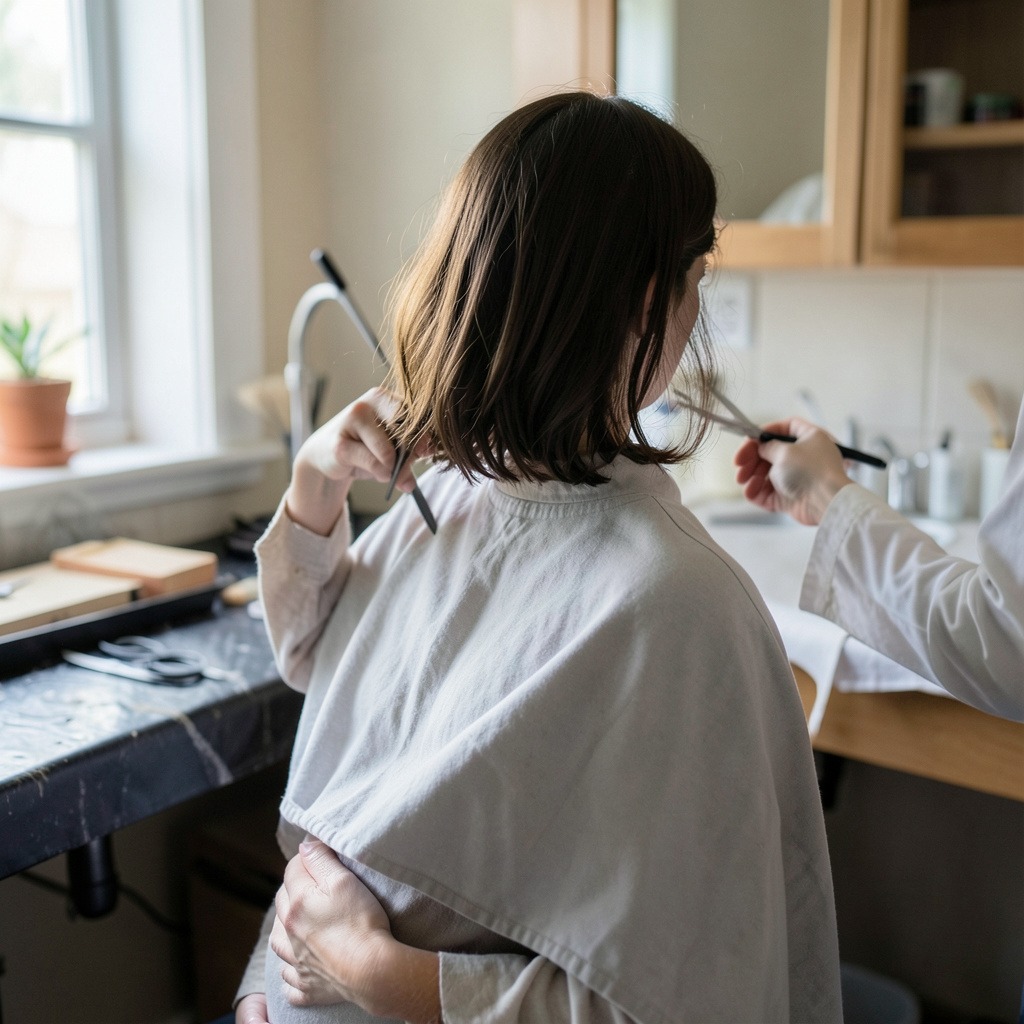
Expecting mothers can enjoy haircuts while prioritizing safety and comfort. Here are important precautions to consider to ensure a positive salon experience.
Choosing the Right Salon
Selecting a safe salon is crucial. Here are key factors to evaluate:
- Cleanliness: Look for salons that maintain high hygiene standards.
- Crowd Size: Opt for appointments during off-peak hours to minimize exposure to germs.
- Ventilation: Choose a well-ventilated space to reduce inhalation of chemical fumes from products.
- Professionalism: Ensure that the staff is trained and experienced in handling pregnant clients.
What to Discuss with Your Hairdresser
Communication is vital when getting a haircut during pregnancy. Discuss the following points with your hairdresser:
- Product Safety: Ask about the ingredients in hair products. Opt for ammonia-free dyes and avoid harsh chemicals.
- Technique: Discuss gentle hair cutting techniques to minimize discomfort.
- Health Concerns: Share any specific health concerns or sensitivities you may have during pregnancy.
Safety Checklist for Hair Cutting During Pregnancy
Use this checklist to ensure a safe haircut experience:
- [ ] Confirm salon cleanliness and hygiene practices.
- [ ] Schedule appointments during quieter times.
- [ ] Choose non-toxic hair products.
- [ ] Inform the stylist of your pregnancy and any health concerns.
- [ ] Ensure proper ventilation in the salon.
- [ ] Avoid chemical treatments such as perms or relaxers.
By following these guidelines, pregnant women can enjoy haircuts while minimizing risks and addressing cultural superstitions surrounding hair cutting.
Personal Experiences: Voices from Pregnant Women
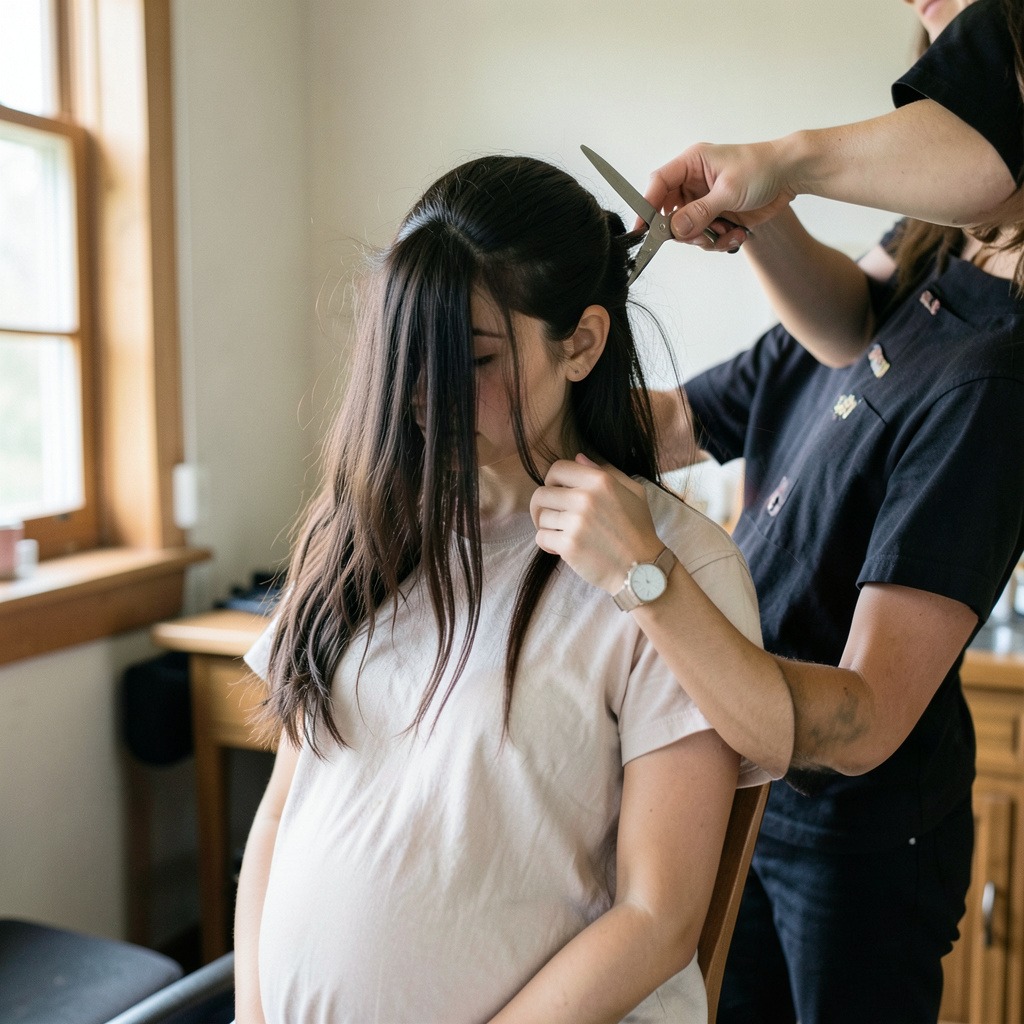
Many pregnant women grapple with cultural beliefs and superstitions regarding hair cutting. Their experiences vary widely, reflecting personal choices and societal influences.
Anecdotes on Cutting Hair
Pregnant women often share stories influenced by their cultural backgrounds. Here are a few personal anecdotes:
- Aditi’s Relief: Aditi, a Hindu mother, felt excessive heat during her pregnancy. She decided to cut her hair to alleviate discomfort. “I believed it would help regulate my body temperature,” she explained. After cutting her hair, she felt a sense of relief and comfort.
- Priya’s Tradition: In contrast, Priya chose not to cut her hair. She adhered to family traditions that warned against it. “Cutting hair during pregnancy is seen as bad luck,” she mentioned. Priya respected this belief, viewing her hair as a protective symbol for her child.
- Sofia’s Mixed Feelings: Sofia faced pressure from both sides. “My friends said it was fine, but my family insisted it was wrong,” she recounted. Ultimately, she opted for a trim, believing it would not affect her baby’s health while keeping some family traditions intact.
Overcoming Superstitions
Navigating cultural superstitions can be challenging for pregnant women. Here are strategies they use to overcome fears related to hair cutting:
- Seeking Professional Advice: Many women consult healthcare professionals for guidance. Dr. Langsam emphasizes that cutting hair poses no physical harm. Women often feel reassured after understanding that health and well-being should take precedence over superstitions.
- Personal Empowerment: Pregnant women are increasingly asserting their choices. They prioritize comfort and health over traditional beliefs. By sharing their stories, they encourage others to consider individual needs and preferences.
- Community Support: Online forums and support groups allow women to share their experiences and advice. This sense of community helps dispel myths and encourages informed decisions regarding hair care during pregnancy.
Through these personal experiences, it is evident that beliefs about hair cutting during pregnancy are diverse and deeply personal. Women’s choices reflect a blend of cultural respect, personal comfort, and professional advice.
Conclusion: Navigating Hair Cutting Myths During Pregnancy
Cutting hair during pregnancy often raises questions due to cultural superstitions. However, it is essential to differentiate between myths and facts to make informed decisions.
Understanding Superstitions and Their Origins
Many cultures, particularly within Hinduism, hold beliefs that cutting hair during pregnancy can bring bad luck or negatively impact the unborn child. These superstitions often stem from the idea that hair symbolizes vitality and cutting it may harm the child’s health. Yet, no scientific evidence supports these claims.
Safety Considerations for Hair Cutting
When considering hair cutting during pregnancy, safety remains paramount. Pregnant women should:
- Consult with a professional stylist experienced in working with pregnant clients.
- Opt for haircuts that do not involve harsh chemicals, which could pose health risks.
- Ensure the salon environment is clean and safe to minimize exposure to potential contaminants.
Empowering Choices Amidst Cultural Beliefs
Despite traditional beliefs, many pregnant women choose to cut their hair for comfort and personal care. Personal anecdotes reveal that some find relief from heat and discomfort by maintaining their hair length.
Here are some empowering takeaways:
- Prioritize comfort and health over superstitions.
- Engage with professionals for personalized advice on hair care during pregnancy.
- Respect cultural beliefs while making choices that align with personal needs.
By understanding the interplay of superstitions and safety, pregnant women can confidently approach hair cutting, ensuring both their well-being and that of their unborn child.
Frequently Asked Questions
These quick answers cover the most common questions about this topic, including key details, practical tips, and common concerns.
What are some superstitions about pregnancy?
Pregnancy is surrounded by numerous superstitions across different cultures. Common beliefs include avoiding certain foods, not participating in specific activities, and refraining from cutting hair. Many cultures believe that these actions can bring bad luck or harm the unborn child. For example, in some traditions, it’s thought that cutting hair during pregnancy can lead to misfortune for both the mother and the baby.
What is the superstition about cutting hair?
The superstition about cutting hair during pregnancy often revolves around the belief that it can bring bad luck or negatively impact the baby’s health. Some cultures view hair as a source of vitality and strength. Cutting it is believed to disrupt this energy, potentially leading to misfortunes or health issues for the unborn child.
Is it safe to cut your hair while pregnant?
Yes, cutting hair during pregnancy is generally safe. Scientific evidence shows that hair cutting does not affect maternal health or fetal development. Hair is made of keratin, which is not connected to bodily functions during pregnancy. Therefore, expectant mothers can feel free to maintain their hair without concern for their baby’s well-being.
What precautions should be taken when getting a haircut while pregnant?
When getting a haircut during pregnancy, consider the following precautions:
- Choose a clean salon: Ensure the salon maintains high hygiene standards.
- Avoid harsh chemicals: Opt for ammonia-free dyes and avoid chemical treatments if possible.
- Communicate with your stylist: Inform them of your pregnancy and any health concerns to ensure a comfortable experience.
- Schedule during quieter times: This helps reduce exposure to germs and ensures a more relaxed environment.
How do hormonal changes affect hair during pregnancy?
Hormonal changes during pregnancy can significantly affect hair health. Many women experience thicker, more vibrant hair due to increased levels of hormones like estrogen. However, some may also face issues like hair loss after childbirth due to hormonal fluctuations. Understanding these changes can help women manage their hair care effectively during and after pregnancy.
Are there any cultural practices related to hair cutting during pregnancy?
Yes, various cultures have specific practices regarding hair cutting during pregnancy. For instance, in Hindu culture, cutting hair is often avoided to prevent bad luck for the unborn child. In some African traditions, hair is seen as a protective covering, and cutting it may expose the mother to negative spirits. These practices reflect deep-rooted beliefs about the connection between hair and maternal health.
What are some common superstitions about cutting hair during pregnancy?
Common superstitions about cutting hair during pregnancy include beliefs that it can lead to bad luck, cause the baby to be born bald, or disrupt the mother’s energy balance. These myths often stem from cultural interpretations of hair as a symbol of vitality and strength. While these beliefs persist, they lack scientific backing, allowing women to make informed choices about their hair care.
Is it safe to dye hair while pregnant?
Dyeing hair during pregnancy is generally considered safe, but caution is advised. It’s best to wait until the second trimester, as this is when the risk of exposure to chemicals is lower. Opt for products that are ammonia-free and avoid harsh chemical treatments. Always consult with a healthcare provider if you have concerns about specific products.