
Crow superstitions often associate these birds with omens of death, messages from the spirit world, and symbols of transformation or change, varying significantly across cultures and contexts.
Crows have long been steeped in superstition, often viewed as harbingers of death or messengers from the spiritual realm. This guide explores eight notable crow superstitions, their meanings, and the cultural interpretations that shape our understanding of these intriguing birds.

Understanding the Cultural Significance of Crows
Crows hold a unique position across various cultures, often embodying complex symbols in mythology and superstition. Their intelligence and behavior have led to diverse interpretations of their presence.
Crows in Western Mythology
In Western cultures, crows are frequently associated with death and the supernatural. They appear as omens in literature and folklore, often signaling bad luck.
- Single Crow: Traditionally seen as a negative omen.
- Two Crows: Viewed as a sign of good fortune.
- Three Crows: Associated with health and vitality.
- Four Crows: Linked to wealth and prosperity.
- Five Crows: Often portends illness.
- Six Crows: Considered a harbinger of death.
These interpretations stem from ancient beliefs and have evolved through time. For instance, in many European stories, crows are depicted as guides for souls in transition.
Crows in Eastern Traditions
Eastern cultures offer a broader spectrum of meanings. In some Asian traditions, crows are seen as messengers of the divine. They are often revered for their intelligence and adaptability.
- Japan: Crows are considered protectors and symbols of family loyalty, often appearing in Shinto mythology.
- China: The crow is linked to creation myths and is seen as a bringer of good fortune.
These perspectives highlight the duality of crows as both omens and protectors. For example, a crow’s call might be interpreted as a warning or a sign of impending success.
Table of Contents
Crows and Indigenous Folklore
Indigenous cultures often view crows as sacred beings. They play significant roles in creation stories and moral teachings.
- Native American Beliefs: Crows are seen as tricksters and teachers. They symbolize transformation and change. Their ability to adapt is a lesson on resilience.
- Celtic Traditions: Crows are associated with the goddess Morrigan, representing fate and prophecy.
In these contexts, crows embody wisdom and serve as reminders of the interconnectedness of life. They are often invoked in rituals for guidance and clarity.
Practical Tips for Observing Crow Behavior
Understanding crow behavior can enhance your interpretation of their presence. Here are a few practical insights:
- Watch Their Numbers: Keep a record of how many crows you see together. This can indicate varying omens.
- Note Their Calls: Different calls may convey different messages. A loud caw might signal a warning, while softer sounds could indicate comfort.
- Observe Their Interactions: Crows are social birds. Their behavior towards each other can indicate their mood and intentions.
By recognizing these patterns, you can gain deeper insights into the significance of crows in your environment. This knowledge enriches your connection to these remarkable birds and their storied place in superstition and culture.
The Spiritual Meanings Associated with Crows

Crows hold significant spiritual meanings across various cultures. Their presence often signals profound messages or transformations in one’s life. Understanding these interpretations can deepen our connection to these intelligent birds.
Messages from the Spirit World
Crows are often viewed as messengers from the spirit realm. In many traditions, their appearances are believed to convey important messages.
- Single Crow: A lone crow may indicate bad news or signify a warning. Many cultures interpret this as a call to reflect on one’s current situation.
- Multiple Crows: The number of crows seen can alter the message. For instance, two crows might suggest good fortune, while three often symbolize health and vitality.
These interpretations can vary based on personal experiences. For example, someone might see a crow during a pivotal moment, interpreting it as a sign to make a significant life decision.
Crows as Symbols of Transformation
In various mythologies, crows are associated with change and transformation. Their ability to adapt and thrive in different environments resonates with many individuals seeking personal growth.
- Cultural Beliefs: In some Native American traditions, crows are seen as symbols of creation and change. They embody the cycle of life and death, reminding us of the necessity of transformation.
- Personal Experiences: Many individuals report transformative experiences linked to crows. For instance, a person experiencing grief might encounter a crow that prompts them to reflect on their emotions and seek healing.
Personal Experiences with Crows
Real-life encounters with crows can provide profound insights into their spiritual significance. These experiences often leave lasting impressions.
- Anecdote: One individual shared how a crow appeared at a moment of personal crisis. This sighting inspired them to reconsider their life choices, leading to a positive change in their career path.
- Interpretive Tips: When encountering a crow, take a moment to reflect on your current life circumstances. Ask yourself what message or guidance the crow might be conveying.
By paying attention to these experiences, you can unlock deeper meanings associated with crow sightings and their role in your personal spiritual journey.
Common Superstitions About Crows and Their Meanings

Crows have long inspired a plethora of superstitions across cultures. These beliefs often reflect the dual nature of crows, seen both as ominous harbingers and symbols of good fortune. Understanding these interpretations requires examining specific cultural contexts and the behaviors associated with these intelligent birds.
Crows as Omens of Death
Many cultures view crows as messengers of death. This belief stems from their frequent association with battlefields and graveyards. Crows are often seen circling over such locations, leading to interpretations of their presence as a sign of impending doom.
- Single Crow: In various traditions, spotting a single crow is considered a bad omen.
- Multiple Crows: Conversely, the sighting of multiple crows can alter the meaning. For example, three crows may symbolize health, while four suggest wealth. This duality reflects the complexity of their symbolism.
Crows and Good Fortune
Despite their ominous reputation, crows can also signify positive outcomes. Many cultures celebrate their intelligence and adaptability.
- Two Crows: Finding two crows is often seen as a sign of good luck or a positive change in one’s life.
- Crows in Folklore: In some Native American traditions, crows are viewed as tricksters. Their cleverness can lead to unexpected blessings for those who respect their presence.
Misunderstood Symbols of Fear
Crows are often misunderstood, primarily due to their dark plumage and association with death. However, they symbolize transformation and change.
- Personal Experiences: Many individuals report positive changes in their lives after a significant encounter with a crow. For example, a person might see a crow during a moment of self-reflection, prompting them to reconsider their life choices.
- Behavioral Observations: Pay attention to the behavior of crows. If they appear in groups, they may be signaling that a significant change is on the horizon.
Practical Tips for Interpreting Crow Sightings
Understanding crow behavior can provide insights into their meanings. Here are some practical tips:
- Reflect on Context: Consider your current life situation when you encounter a crow. What questions or concerns are on your mind?
- Observe Patterns: Note how many crows you see and their behavior. This can help you interpret the significance of their presence.
- Embrace the Message: Whether positive or negative, be open to the messages crows may bring. They can serve as valuable guides in your journey.
The Significance of Counting Crows
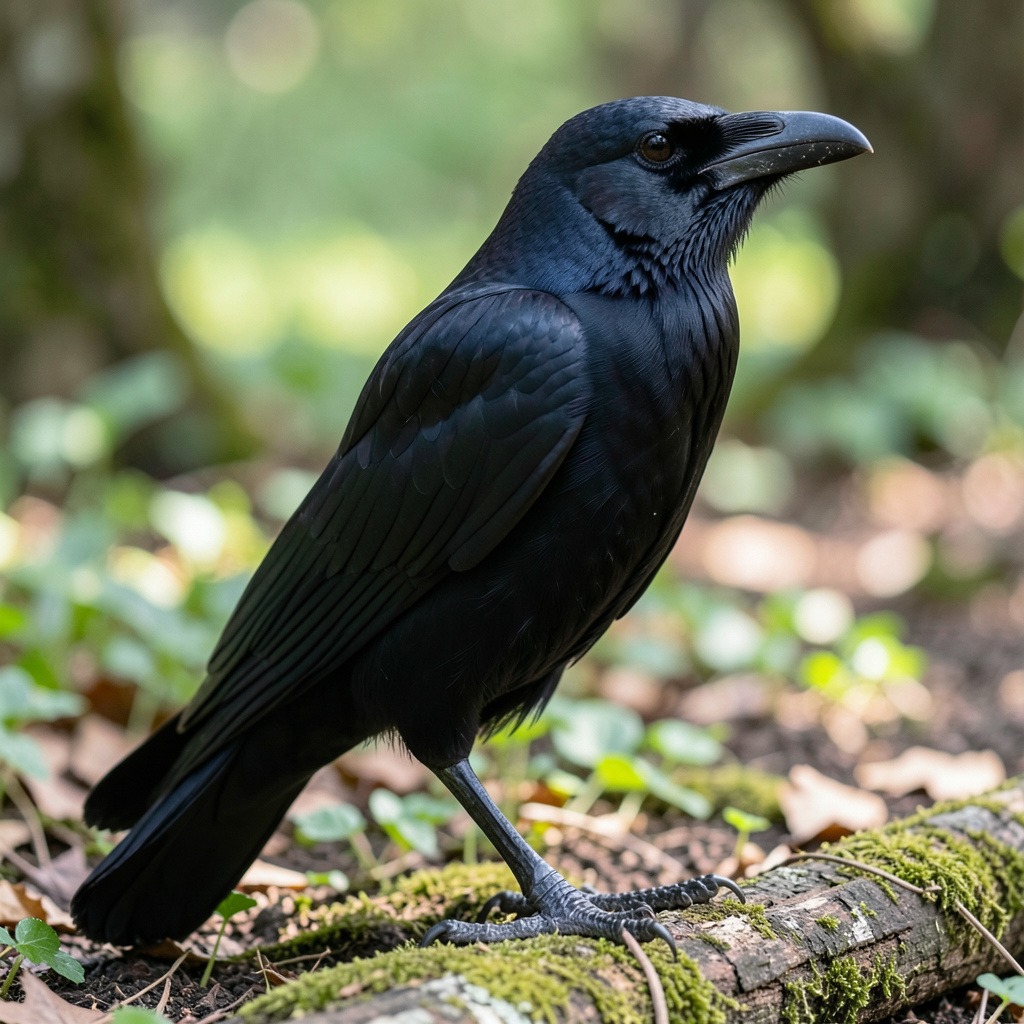
The traditional rhyme associated with counting crows reflects deep cultural beliefs. This rhyme, often recited in various forms, offers insights into the symbolic meanings attributed to these birds across different societies.
The Traditional Rhyme Explained
The popular counting rhyme goes:
> One for sorrow,
> Two for joy,
> Three for a girl,
> Four for a boy,
> Five for silver,
> Six for gold,
> Seven for a secret never to be told.
Each number corresponds to a specific omen or message. For instance, seeing one crow often signals sorrow or misfortune, while two crows indicate joy. This rhyme illustrates how communities have historically linked the presence of crows to significant life events.
Cultural Variations in Counting Crows
Different cultures interpret the rhyme uniquely. In some Native American traditions, the number of crows seen can predict weather changes or even personal fortune. For example:
- Three Crows: Often associated with health and well-being.
- Four Crows: Linked to prosperity and wealth.
- Five Crows: Considered a warning of illness.
- Six Crows: Seen as a foreboding sign of death.
These variations highlight the diverse beliefs that shape the understanding of crows in local folklore.
Practical Application of Crow Counting
Understanding the meanings behind counting crows can help in interpreting personal experiences. Here are some practical tips:
- Reflect on Emotional State: When you see crows, assess your feelings. Are you anxious, hopeful, or confused?
- Note the Number: Keep track of how many crows you see. This can provide insights into your current life situation.
- Connect with Nature: Spend time observing crows in their natural habitat. This can deepen your understanding of their behavior and messages.
By applying these insights, you can cultivate a more meaningful connection to the symbolism of crows and their role in your life.
Crows in Modern Spiritual Practices
Crows have regained prominence in contemporary spiritual practices. Their symbolism extends beyond traditional superstitions, reflecting deeper meanings in personal and collective spiritual journeys.
Crows as Spirit Animals
In many spiritual traditions, crows are seen as powerful spirit animals. They symbolize transformation, intelligence, and the ability to see beyond the ordinary. When individuals identify with a crow as a spirit animal, they often embrace the following attributes:
- Intuition: Crows encourage self-reflection and heightened awareness.
- Adaptability: They thrive in various environments, symbolizing resilience.
- Connection: Crows are believed to bridge the gap between the physical and spiritual realms.
Crows in Rituals and Ceremonies
Modern spirituality frequently incorporates crows into rituals and ceremonies. Their presence is believed to enhance the spiritual experience. Common practices include:
- Meditation: Individuals may meditate near crows to absorb their energy and wisdom.
- Invocation: Some rituals involve calling upon crow energy to guide personal transformation.
- Symbolic Offerings: People may offer items like black feathers or seeds to honor crows during ceremonies.
These practices highlight the resurgence of crow symbolism and its relevance in personal spiritual development.
Modern Interpretations of Crow Sightings
Today, the interpretation of crow sightings often varies based on personal beliefs and experiences. Here are common interpretations:
- Single Crow: Typically seen as a warning or sign of change.
- Two Crows: Indicate balance and partnership.
- Three Crows: Associated with health and well-being.
- Four Crows: Symbolize prosperity or wealth.
To deepen understanding, consider keeping a journal of crow encounters. Documenting feelings, circumstances, and the number of crows can reveal patterns and insights. This practice enhances the connection to crows and their spiritual significance in daily life.
Misconceptions About Crows and Their Behavior
Crows often face negative stereotypes due to their appearance and behavior. These misconceptions can lead to misunderstandings about their true nature. In this section, we will clarify some of the most common myths surrounding crows and highlight their fascinating behavioral traits.
Why Crows Are Misunderstood
Many people associate crows with bad luck or death. This stems from their scavenging habits. However, crows are intelligent birds with complex social structures. They can recognize human faces and remember them for years. This ability has contributed to the myth that they are ominous creatures.
Behavioral Traits of Crows
Crows exhibit several notable behaviors that demonstrate their intelligence:
- Tool Use: Crows have been observed using sticks to extract insects from tree bark. This shows their problem-solving skills.
- Social Learning: Young crows learn from older ones. They imitate behaviors, which aids in their survival.
- Complex Communication: Crows communicate through various calls and gestures. They can convey specific messages to their peers about danger or food sources.
Debunking Crow Myths
Here are some common myths about crows, along with the truths:
- Myth: Crows are harbingers of death.
Truth: While they are often seen near dead animals, this is due to their role as scavengers, not because they predict death.
- Myth: Crows are aggressive and dangerous.
Truth: Crows are protective of their territory but will not attack unless threatened. They can even be friendly to humans who feed them.
- Myth: Seeing a single crow always means bad luck.
Truth: Interpretations of crow sightings vary. A single crow can symbolize a warning, but it can also represent new beginnings in some cultures.
Understanding these traits and debunking myths helps cultivate a more accurate perception of crows. Observing their behavior can reveal their complex social dynamics and intelligence. For instance, if you spot a crow doing something unusual, consider it a unique opportunity to learn more about their capabilities rather than a sign of misfortune.
Crow Superstitions Compared Across Cultures
Crows feature prominently in the folklore of many cultures, embodying a range of superstitions that reflect human perceptions of their behavior and symbolism. This section explores the contrasting beliefs surrounding crows in different cultural contexts.
Western vs. Eastern Crow Folklore
In Western cultures, crows often symbolize death and misfortune. A single crow sighting may predict bad luck or serve as a harbinger of death. Conversely, in many Eastern cultures, crows are viewed more favorably. For instance, in some parts of Asia, crows are seen as messengers of good fortune, carrying messages from the spiritual realm.
- Western Beliefs:
- Single Crow: Bad omen or bad luck.
- Murder of Crows: Associated with death and gloom.
- Eastern Beliefs:
- Single Crow: Can symbolize good fortune or a spiritual message.
- Group of Crows: Viewed as protectors or bearers of wisdom.
Indigenous Perspectives on Crows
Indigenous cultures often embrace more nuanced views of crows. For many Native American tribes, crows are seen as clever and resourceful creatures, embodying intelligence and adaptability. They are sometimes regarded as spiritual guides or symbols of transformation.
- Common Themes:
- Wisdom and Knowledge: Crows are often viewed as wise counselors.
- Transformation: Seen as symbols of change and adaptability.
Global Variations in Crow Beliefs
Crows are perceived differently around the world, with beliefs varying widely based on cultural narratives and local customs. Below is a comparative table summarizing some key superstitions across cultures.
| Culture | Crow Belief | Interpretation |
|---|---|---|
| Western Europe | Single crow = bad luck | Often seen as a sign of impending misfortune. |
| Japan | Crows as bearers of good news | Viewed as messengers between worlds. |
| Native American | Symbol of wisdom and transformation | Represents intelligence and adaptability. |
| India | Crows as ancestors’ messengers | Considered to carry messages from deceased relatives. |
| African Cultures | Crows signify change | Associated with important life transitions. |
Understanding these diverse beliefs highlights the complex relationship humans have with crows. Cultural narratives shape how we interpret their behaviors and sightings, revealing both fear and reverence. As you observe crows, consider these cultural lenses to enrich your understanding of their significance.
Practical Tips for Observing Crows and Their Behavior
Understanding crow behavior can enhance your interpretation of their symbolism and superstitions. Here are practical tips to help you observe crows more effectively.
Best Times to Observe Crows
Timing your observations can significantly affect your experience. Crows are most active during specific times of the day:
- Early Morning: Watch for crows at dawn as they forage for food and communicate.
- Late Afternoon: Crows often gather in groups before roosting for the night. This is an ideal time to witness their social behaviors.
- Post-Rain: After rain, crows are often more visible as they search for worms and other food.
Interpreting Crow Behavior
Crows exhibit various behaviors that can indicate different meanings. Here’s how to interpret some common actions:
- Cawing: Loud cawing can signal alarm or a warning. It may indicate potential danger nearby.
- Mobbing: When crows aggressively harass a potential threat, it shows their protective nature. This behavior often involves multiple crows working together.
- Sentry Positioning: Crows will often post a “sentry” to watch for danger while others feed. This signifies their intelligence and social structure.
Keeping a Crow Journal
Documenting your observations can deepen your understanding of crows. Consider maintaining a crow journal with the following structure:
1. Date and Time: Record when you observe crows.
2. Location: Note where you spot them; different areas may yield different behaviors.
3. Number of Crows: Count the crows and note any patterns. For example, seeing one crow may signify bad luck, while two could indicate good fortune.
4. Behavior Observed: Describe what the crows are doing. Are they feeding, cawing, or interacting with each other?
5. Personal Reflections: Reflect on how their behavior aligns with cultural beliefs or your own experiences.
By observing and documenting these interactions, you can create a personalized guide to understanding crow omens in your life.
Frequently Asked Questions
These quick answers cover the most common questions about this topic, including key details, practical tips, and common concerns.
What is the superstition of seeing a crow?
Seeing a crow often evokes various superstitions, primarily tied to omens of death or change. A single crow is frequently viewed as a bad omen, suggesting misfortune or a warning. In contrast, multiple crows can signify different outcomes; for example, two crows might indicate good luck, while three often symbolize health and vitality.
Are crows a warning?
Yes, crows are often seen as warnings. Their presence can indicate that something significant is about to happen in your life. For example, a loud caw from a crow could signal danger or alertness to a nearby threat. Observing their behavior can provide insights into what they might be warning you about.
Is a single black crow bad luck?
Traditionally, a single black crow is considered a bad omen in many cultures. It may symbolize sorrow or signify a warning about upcoming challenges. However, interpretations can vary. In some traditions, a single crow might also indicate the need for self-reflection or a call to pay attention to your surroundings.
What is a crow trying to tell me?
Crows can convey different messages depending on their behavior and the context of your encounter. If you see a crow cawing loudly, it may be alerting you to potential danger. Conversely, if a crow appears calmly, it might symbolize a message of change or transformation. Reflecting on your current life situation when encountering a crow can help you interpret its message more clearly.
What’s behind the crow superstition rhyme?
The traditional rhyme about counting crows connects specific numbers to various omens. For instance, “One for sorrow, two for joy” illustrates how the presence of crows can symbolize different emotional states or events in life. Each number corresponds to a specific interpretation, reflecting deep cultural beliefs about the significance of these birds.
What is the superstition about a crow trying to attack you?
If a crow appears aggressive or attempts to attack, it may be defending its territory or young. This behavior is typically not a bad omen but rather a natural instinct. It can also signify that you are encroaching on its space, prompting a warning. Observing this behavior reminds us to respect wildlife boundaries and understand their protective nature.
Can crows be considered good luck?
Yes, in various cultures, crows can symbolize good luck, especially when seen in pairs. Two crows are often interpreted as a sign of positive change or fortune. Additionally, their intelligence and adaptability are celebrated traits that can lead to unexpected blessings for those who respect and observe them closely.