
According to superstition, breaking a mirror results in seven years of bad luck due to the belief that mirrors reflect our souls, and breaking one damages that reflection.
The superstition surrounding broken mirrors is steeped in history and cultural beliefs, often associated with the idea of seven years of bad luck. Explore the origins, remedies, and psychological effects of this intriguing belief as we delve deeper into its significance.
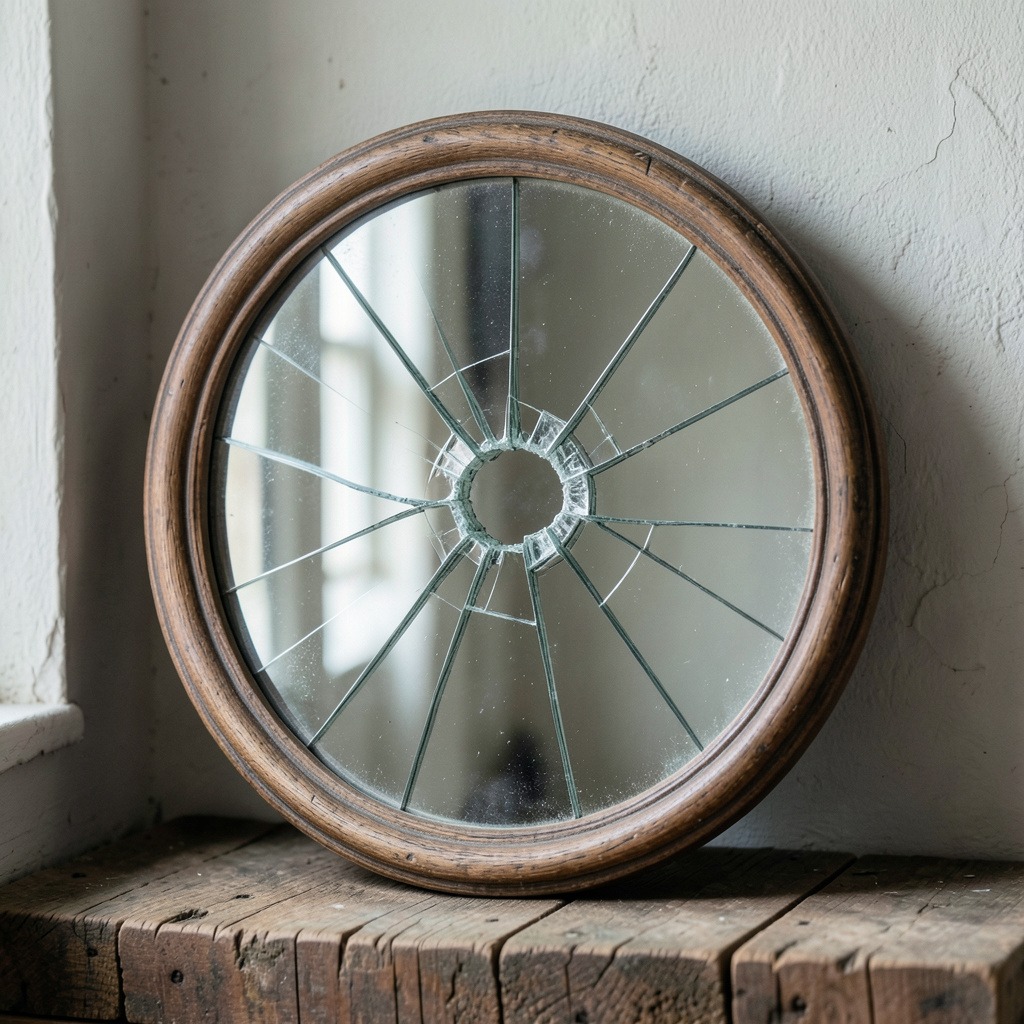
Understanding the Broken Mirror Superstition
The belief that breaking a mirror brings seven years of bad luck is deeply rooted in history and cultural interpretations. This superstition has endured through generations, with various societies attributing different meanings to the act of shattering reflective surfaces.
The Origins of the Bad Luck Belief
The superstition surrounding broken mirrors dates back to ancient Rome. Romans believed that mirrors held fragments of the soul. Thus, breaking a mirror was seen as damaging that part of oneself. The number seven is significant in this context, as Romans thought the soul renewed itself every seven years. Consequently, breaking a mirror meant enduring seven years of misfortune as a penalty for harming one’s soul.
- Key Historical Points:
- Ancient Romans: Linked mirrors to the soul.
- Renewal Cycle: Seven years represented the soul’s renewal.
- Cultural Spread: This belief transitioned into various Western cultures over the centuries.
Cultural Significance of Mirrors in Ancient Times
Mirrors have been more than mere reflections; they were considered powerful objects with spiritual implications across different cultures. In many societies, mirrors symbolized clarity, truth, and self-perception. The act of breaking a mirror often signified a disruption in one’s life or misalignment with one’s true self.
- Cultural Interpretations:
- Western Cultures: Primarily associate broken mirrors with bad luck.
- Eastern Beliefs: Some cultures view broken mirrors as a sign of bad energy entering the home.
- African Traditions: Certain African societies believe that breaking a mirror can attract malevolent spirits.
Psychological Effects and Coping Mechanisms
The psychological impact of the broken mirror superstition can be profound. Many individuals report feeling anxious or fearful after breaking a mirror, attributing any subsequent misfortunes to this incident. This belief can lead to a self-fulfilling prophecy, where the mere expectation of bad luck creates negative outcomes.
- Coping Strategies:
- Rituals for Reversal: Some people perform specific rituals, such as throwing salt over their left shoulder or collecting the shards for safe disposal.
- Mindset Shift: Understanding that the superstition is rooted in folklore can help mitigate anxiety.
- Personal Anecdotes: Stories abound of individuals who felt their lives took a downturn after breaking a mirror, demonstrating the power of belief.
In summary, the broken mirror superstition intertwines historical origins, cultural significance, and psychological effects, making it a fascinating topic for exploration.
Table of Contents
Cultural Interpretations of Broken Mirrors
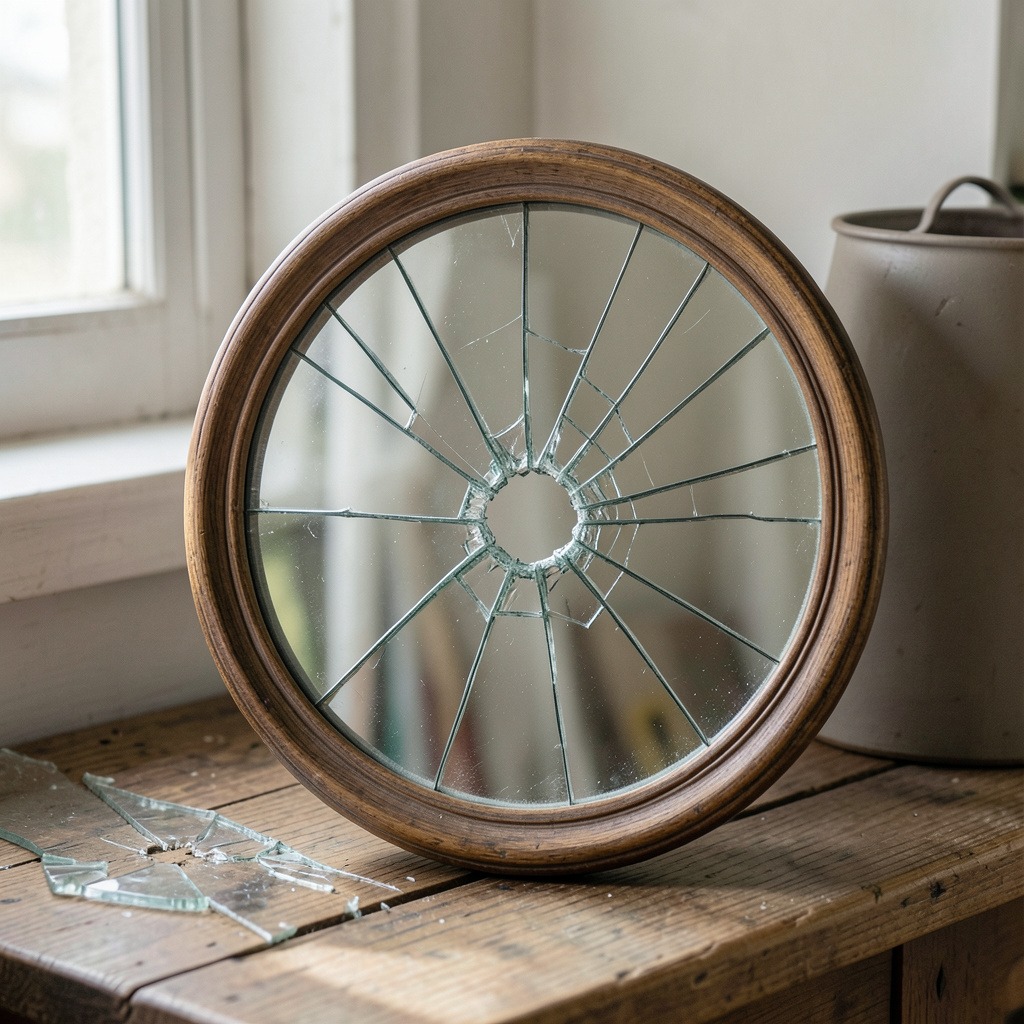
The superstition surrounding broken mirrors varies widely across cultures, each attributing unique meanings and consequences to the act of breaking a mirror. Understanding these diverse perspectives enhances our appreciation of this longstanding belief.
Eastern Traditions and Their Views
In Eastern cultures, the perception of broken mirrors often involves spiritual implications. Here are key interpretations:
- China: Breaking a mirror is believed to release evil spirits, leading to bad luck. It is thought to disrupt familial harmony and invite misfortune.
- Japan: Mirrors symbolize purity and truth in Shinto beliefs. Breaking a mirror is seen as a sign of disrespect, potentially inviting negative energy and consequences.
- India: A broken mirror represents a bad omen. Many individuals refrain from keeping broken mirrors in their homes to avoid attracting misfortune.
These cultural views highlight a common thread: mirrors are not merely reflective objects; they are imbued with spiritual significance.
Western Beliefs and Superstitions
Western cultures predominantly link broken mirrors to the notion of bad luck, often encapsulated in the phrase, “seven years of bad luck.” This belief has historical roots:
- Ancient Rome: Romans believed that mirrors contained a fragment of the soul. Breaking one damaged that fragment, resulting in misfortune. The number seven was significant, as they thought the soul underwent renewal every seven years.
- Common Rituals: To counteract the supposed bad luck, people often perform specific rituals, such as throwing salt over their left shoulder or carefully collecting the shards for safe disposal.
This juxtaposition of beliefs reveals how the superstition has evolved yet remains deeply ingrained in societal norms.
Comparative Insights
Despite the variance in interpretations, a few commonalities emerge across cultures:
- Spiritual Significance: Many cultures view mirrors as gateways to the spiritual world. Breaking one can disrupt this connection.
- Rituals and Remedies: Across the globe, individuals engage in similar rituals to mitigate the effects of breaking a mirror, showcasing a shared desire to counteract perceived misfortune.
These insights illustrate the cultural richness surrounding the broken mirror superstition, reinforcing its status as a global phenomenon.
Psychological Perspectives on Superstitions
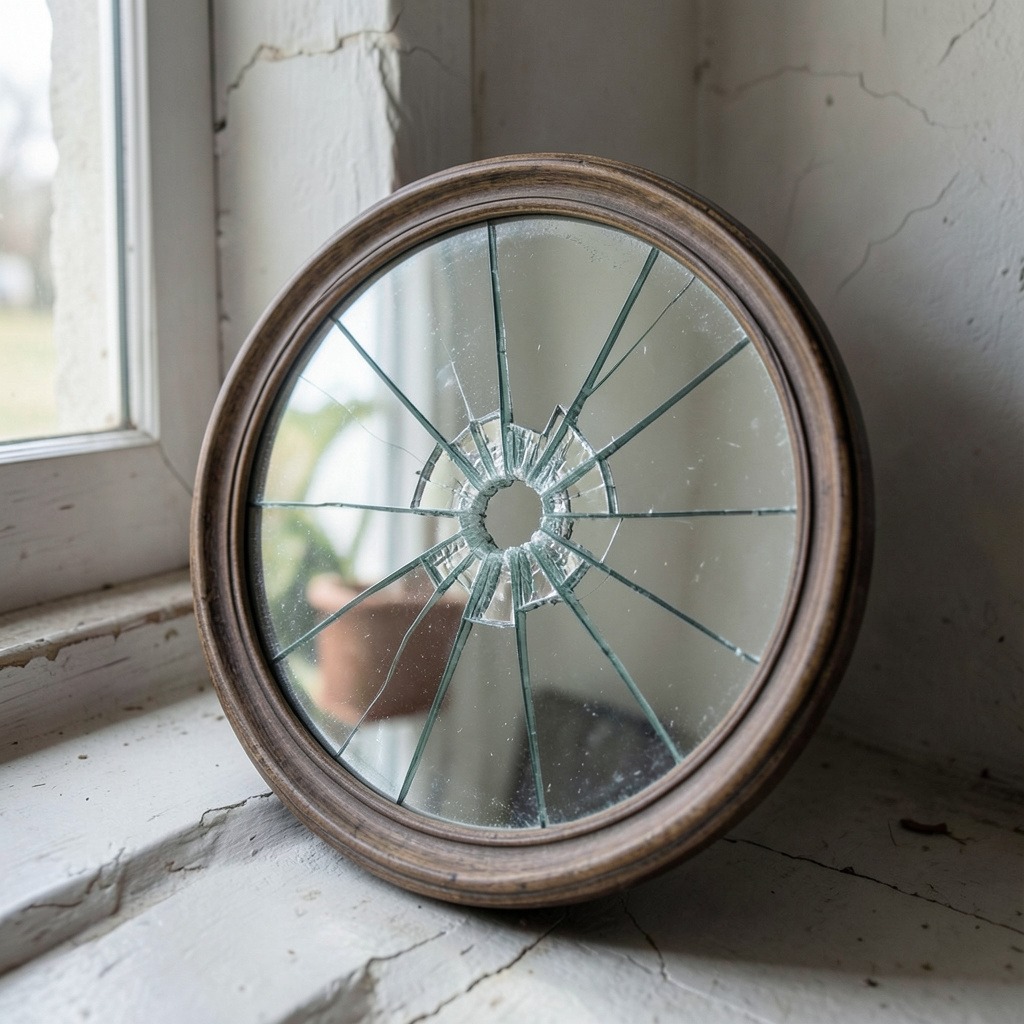
Believing in superstitions, such as the broken mirror myth, can significantly impact individuals’ psychological states. These beliefs shape behaviors and emotional responses, often leading to anxiety and stress.
The Role of Superstitions in Anxiety Management
Superstitions serve as coping mechanisms for many individuals. When faced with uncertainty, rituals associated with these beliefs can provide a sense of control. For instance, the act of covering a broken mirror may help alleviate fears of misfortune.
- Coping Mechanism: Engaging in rituals can reduce anxiety by creating a predictable response to unpredictable events.
- Sense of Control: Superstitions can empower individuals to feel they can influence outcomes.
Cognitive Patterns Behind Superstitious Beliefs
Superstitions often arise from cognitive biases. People tend to associate unrelated events, creating false connections. This leads to the belief that breaking a mirror directly causes bad luck.
- Confirmation Bias: Individuals remember instances where bad luck followed a broken mirror while ignoring cases where it did not.
- Pattern Recognition: The human brain naturally seeks patterns, leading to the belief in causation where none exists.
Practical Insights
Understanding the psychology behind superstitions can help individuals manage their responses. Here are practical strategies:
- Awareness: Recognize when anxiety is tied to superstitious beliefs.
- Challenge Beliefs: Evaluate the evidence supporting these beliefs and assess their validity.
- Ritual Engagement: If rituals provide comfort, continue them as a personal coping strategy, but remain mindful of their psychological roots.
These insights highlight how the broken mirror superstition impacts mental well-being. By exploring the psychological foundations, individuals can gain clarity on their beliefs and responses.
Remedies for Bad Luck from Broken Mirrors
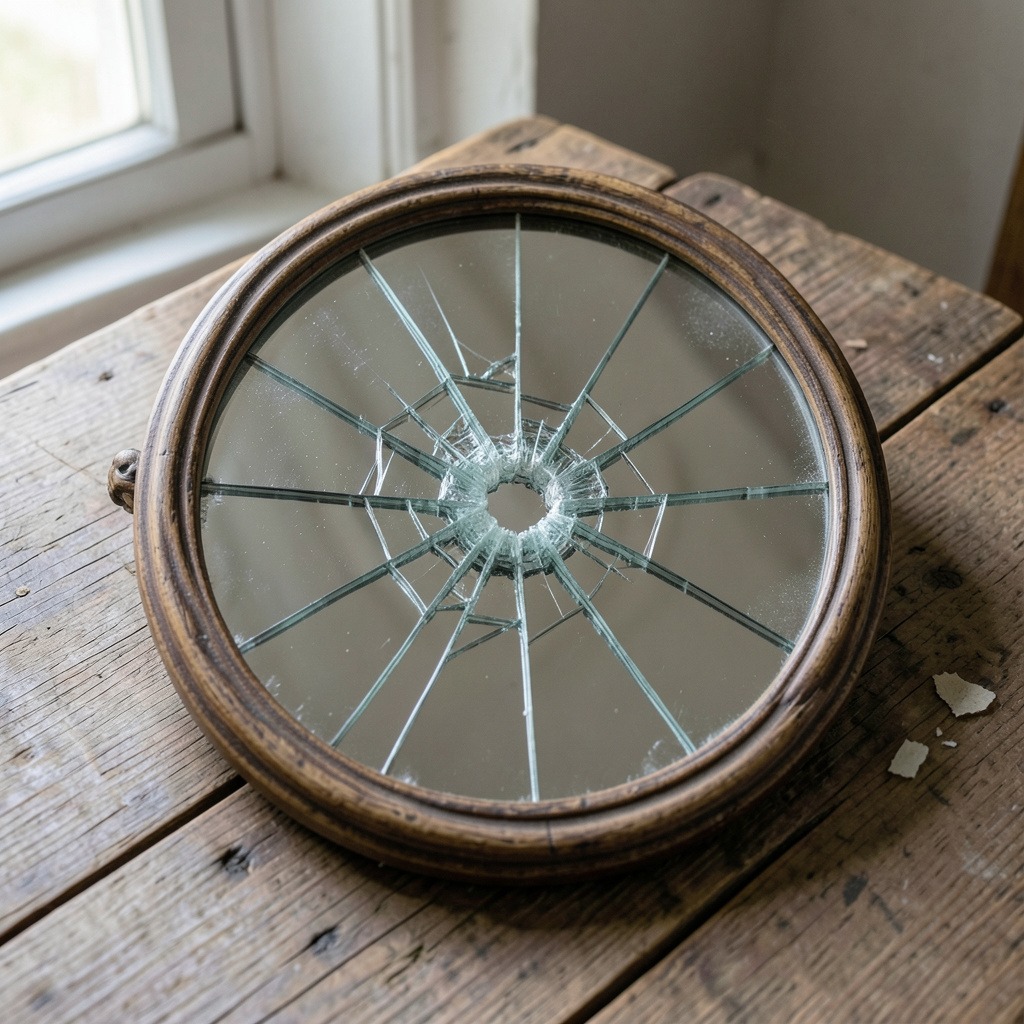
Many individuals believe that breaking a mirror invites bad luck. Fortunately, various remedies exist to counteract this superstition, ranging from traditional rituals to modern mindset shifts. Below, we explore both approaches.
Traditional Remedies: Burying and Salt Rituals
1. Burying the Shards:
- After breaking a mirror, collect the pieces carefully. Bury them in the ground, preferably beneath a tree. This act symbolizes returning negative energy to the earth.
2. Salt Rituals:
- Salt is often viewed as a purifying agent. Sprinkle salt around the area where the mirror broke. Some also recommend placing a small bowl of salt in the home to absorb any lingering negativity.
3. Crossing Water:
- Another traditional remedy involves crossing running water, such as a river. This act is believed to cleanse one of bad luck. Walk over the water while mentally releasing any negative feelings associated with the broken mirror.
Modern Approaches: Mindset Changes and Positive Thinking
1. Mindset Shift:
- Reframe your thoughts about the incident. Acknowledge that the superstition holds no scientific basis. Focus on positive affirmations and remind yourself that luck is a state of mind.
2. Engage in Positive Activities:
- Replace negative energy with positive experiences. Spend time doing activities that uplift your spirits, such as hobbies, exercise, or social gatherings. This approach can help to shift your focus away from the superstition.
3. Gratitude Practice:
- Maintain a gratitude journal. Write down things you’re thankful for daily. This practice encourages a positive outlook and helps mitigate feelings of anxiety related to the superstition.
Quick Reference Checklist
| Remedy Type | Specific Remedies |
|---|---|
| Traditional | Burying shards, Salt rituals, Crossing water |
| Modern | Mindset shift, Engage in positive activities, Gratitude practice |
By employing these remedies, individuals can navigate the fears associated with breaking a mirror and promote a more positive outlook on life.
What Happens When a Mirror Breaks?
When a mirror breaks, it can trigger immediate feelings of dread due to the superstition surrounding bad luck. Understanding the safety measures and emotional responses can help mitigate these concerns.
Cleaning Up Safely: Tips and Precautions
Handling broken glass requires caution. Here are essential safety tips:
- Wear gloves: Protect your hands from sharp edges.
- Use a broom and dustpan: Avoid using your hands to collect shards. Sweep carefully to gather all pieces.
- Dispose of shards properly: Place them in a sturdy container to prevent injury.
- Vacuum the area: Use a vacuum cleaner to pick up small fragments. Be thorough to ensure no pieces remain.
- Inspect for injuries: Check yourself and others for cuts or scratches after cleaning.
Emotional Response: What to Expect
Breaking a mirror can evoke anxiety or fear due to its associations with bad luck. Here’s how to cope:
- Acknowledge your feelings: It’s normal to feel uneasy. Recognizing this can help you process the emotions.
- Talk it out: Share your concerns with someone you trust. This can provide reassurance and perspective.
- Engage in calming activities: Consider mindfulness practices such as deep breathing or meditation to alleviate stress.
- Reframe the superstition: Consider the belief as simply a cultural narrative rather than a definitive truth. This can reduce its psychological impact.
By addressing both safety and emotional responses, you can navigate the situation effectively and diminish the fear associated with the broken mirror superstition.
Spiritual Meaning Behind Broken Mirrors
Mirrors hold significant spiritual meaning across various cultures. Their breakage often symbolizes deeper emotional or spiritual disruptions. Understanding these interpretations can provide insight into the beliefs surrounding broken mirrors.
Mirrors as Reflectors of the Soul
Many cultures believe mirrors reflect not just physical appearances but also the soul. For instance, in ancient Egypt, mirrors were seen as tools to reveal one’s true essence. The belief was that a broken mirror disrupts this connection, leading to misfortune or emotional upheaval.
- Spiritual Reflection: A broken mirror may signify a fractured self-image or unresolved emotional issues.
- Cleansing Symbolism: In some traditions, breaking a mirror can symbolize the need for spiritual cleansing.
Superstitions Related to Spiritual Cleansing
Different cultures have their unique interpretations of broken mirrors and their connection to spiritual practices. Here are a few notable beliefs:
- Chinese Culture: In China, a broken mirror is thought to release evil spirits. This act can bring chaos and bad luck into one’s life. Hence, it is crucial to dispose of broken mirrors carefully to prevent misfortune.
- Japanese Beliefs: In Japan, mirrors are sacred in Shintoism. A broken mirror disrespects the purity and truth that mirrors symbolize, inviting negative energies.
- Indian Traditions: In India, broken mirrors are considered bad omens. They are often associated with broken relationships or conflict within families.
Insights from Spiritual Practitioners
Spiritual practitioners emphasize the importance of addressing the emotional implications of a broken mirror. For example, a practitioner might suggest rituals to restore harmony after a mirror breaks. These rituals can include:
- Cleansing Rituals: Using sage or incense to cleanse the space where the mirror shattered.
- Healing Affirmations: Reciting affirmations to restore balance and invite positive energy back into one’s life.
By understanding these spiritual dimensions, individuals can navigate the emotional aftermath of a broken mirror with greater awareness and intention.
Is it Good to Keep a Broken Mirror at Home?
Keeping a broken mirror in your home can have significant implications, both culturally and psychologically. Many believe it brings bad luck, while others view it through the lens of safety and aesthetics.
Cultural Beliefs About Keeping Broken Mirrors
Different cultures interpret the presence of a broken mirror in unique ways. Here are some prevalent beliefs:
- Bad Luck: Across various societies, a broken mirror is often seen as a harbinger of misfortune. This belief stems from the idea that the mirror reflects not just physical appearance but also personal energy and fate.
- Negative Energy: Many cultures warn that a broken mirror invites negative energy into a home. The lingering remnants of a shattered reflection may symbolize fractured self-worth or unresolved issues.
- Spiritual Consequences: In spiritual practices, a broken mirror is perceived as a sign of imbalance. It may indicate a need for emotional healing or a disruption in family harmony.
Practical Considerations: Safety and Aesthetics
When contemplating whether to keep a broken mirror, consider both safety and aesthetic factors:
- Safety Risks: A broken mirror poses a physical danger. Sharp edges can lead to injuries, particularly in homes with children or pets. Always prioritize safety when deciding to keep or discard a broken mirror.
- Aesthetic Impact: A broken mirror detracts from the overall aesthetic of a space. It may convey neglect or disrepair, affecting the ambiance of your home.
- Decision Rule: If a mirror is broken, assess whether the damage is reparable. If not, consider replacing it to maintain a safe and visually appealing environment.
Coping with Psychological Effects
The psychological implications of a broken mirror can be profound:
- Self-Perception: A broken mirror may affect how individuals perceive themselves. It can reinforce negative feelings or insecurities, particularly if the mirror is frequently viewed.
- Coping Mechanisms: Some people find solace in rituals to counteract the believed bad luck. These can include:
- Disposal Rituals: Properly discarding the mirror can symbolize letting go of negativity.
- Cleansing Practices: Engaging in cleansing rituals, such as burning sage, can help restore a sense of balance and positivity in the home.
By weighing these cultural beliefs and practical considerations, individuals can make informed decisions about keeping or discarding broken mirrors in their homes.
Comparisons with Other Superstitions
The broken mirror superstition shares common threads with various other beliefs rooted in cultural traditions. Understanding these similarities and differences provides insight into human psychology and social behaviors.
Common Household Superstitions: A Brief Overview
Many household superstitions reflect cultural anxieties and attempts to control fate. Here are a few notable examples:
- Black Cats: In Western cultures, encountering a black cat is often considered bad luck. Conversely, in some cultures, they are seen as good omens.
- Knocking on Wood: This act is believed to prevent bad luck after making a hopeful statement. It connects to ancient beliefs about spirits residing in trees.
- Spilling Salt: This superstition suggests that spilling salt brings misfortune. To reverse the bad luck, one must toss a pinch over their left shoulder.
- Friday the 13th: Many consider this day unlucky, with origins linked to both Norse and Christian traditions.
Similarities and Differences with Other Beliefs
The broken mirror superstition aligns with other beliefs in several ways:
- Cultural Impact: Like many superstitions, breaking a mirror is seen as a violation of balance or harmony. This mirrors the belief surrounding the spilling of salt, where both involve a disruption that requires a corrective action.
- Duration of Consequences: The idea of seven years of bad luck from a broken mirror echoes the belief that certain actions, like encountering a black cat or having a bad Friday the 13th, can lead to extended periods of misfortune.
- Rituals and Remedies: Both the broken mirror and spilling salt include rituals to mitigate bad luck. For broken mirrors, practices might include cleansing rituals or proper disposal, akin to tossing salt over the shoulder.
Example Scenario
Imagine a household where a mirror is broken. The family may feel an immediate sense of anxiety, fearing the onset of bad luck. To counter this, they might engage in a cleansing ritual, similar to how one would react to spilling salt. This shows how deeply ingrained these beliefs are in everyday life, illustrating the human tendency to seek control over perceived misfortunes.
By comparing the broken mirror superstition with other household beliefs, we gain a clearer perspective on the cultural narratives that shape our understanding of luck and misfortune.
Conclusion: Understanding and Navigating Superstitions
The broken mirror superstition is rich in cultural significance and psychological implications. Understanding its origins and interpretations can help individuals navigate their reactions to this common belief.
Final Thoughts on Superstitions
Superstitions like the broken mirror belief have deep historical roots. Many cultures link a broken mirror to bad luck, often suggesting a period of seven years of misfortune. This notion stems from ancient Roman beliefs that mirrors contained fragments of the soul. The fear of bad luck creates a shared experience, prompting individuals to engage in rituals to counteract perceived misfortune.
- Cultural Interpretations: Different societies have unique adaptations of the broken mirror superstition. For instance:
- In some cultures, breaking a mirror is seen as a negative omen tied to divine punishment.
- Others believe that cleansing the mirror in running water can reverse the bad luck.
- Psychological Effects: Engaging in superstitious rituals can provide a sense of control and help manage anxiety. People often feel empowered by taking action, even if the belief lacks scientific validation.
Navigating Cultural Beliefs in Modern Life
To navigate the broken mirror superstition effectively, consider the following practical advice:
- Acknowledge the Belief: Recognize that superstitions exist in many cultures as a way to explain the unexplainable.
- Engage in Rituals: If it brings comfort, perform a cleansing ritual after breaking a mirror.
- Educate Yourself: Understanding the origins and variations of the superstition can reduce anxiety and foster a rational perspective.
- Discuss with Others: Sharing experiences can provide support and diminish the fear surrounding breaking a mirror.
By addressing both the cultural significance and psychological aspects, individuals can approach the broken mirror superstition with a balanced mindset.
Frequently Asked Questions
These quick answers cover the most common questions about this topic, including key details, practical tips, and common concerns.
What should you do if your mirror breaks?
If your mirror breaks, prioritize safety first. Wear gloves to protect your hands from sharp shards. Carefully collect the pieces using a broom and dustpan, ensuring you gather all fragments, including tiny ones. Dispose of the shards in a sturdy container to prevent injuries. After cleaning, consider vacuuming the area to ensure no glass remains.
What is the spiritual meaning of a broken mirror?
A broken mirror often symbolizes a fractured self-image or emotional disruption. Many cultures believe it reflects not just physical appearance but also one’s soul. In spiritual contexts, breaking a mirror may indicate the need for cleansing or healing, suggesting that unresolved issues require attention.
Why is it bad luck to break a mirror?
Breaking a mirror is traditionally linked to seven years of bad luck, rooted in ancient Roman beliefs that mirrors contain fragments of the soul. Damaging a mirror was thought to harm that soul fragment, resulting in misfortune. This superstition has persisted through generations, influencing cultural attitudes toward broken mirrors.
Is it good to keep a broken mirror at home?
Keeping a broken mirror at home is generally discouraged due to its associations with bad luck and negative energy. Many cultures view it as a bad omen, potentially inviting misfortune. Additionally, a broken mirror poses safety risks, especially in homes with children or pets. It’s often best to dispose of it properly.
What happens when a mirror is broken?
When a mirror breaks, it can lead to immediate feelings of anxiety due to its superstitious associations. Psychologically, individuals may attribute subsequent misfortunes to the broken mirror, leading to a self-fulfilling prophecy. Practically, it’s essential to clean up safely to avoid injury from shards and manage the emotional response effectively.
What are some common superstitions related to mirrors?
Common mirror-related superstitions include beliefs that seeing your reflection in a broken mirror brings bad luck or that a mirror facing a bed can invite negative energy. Other superstitions involve covering mirrors during a storm or after a death to prevent spirits from being trapped. These beliefs reflect a broader cultural tendency to attribute significance to reflective surfaces.
How can you reverse bad luck from breaking a mirror?
To reverse bad luck associated with breaking a mirror, engage in traditional rituals like burying the shards or sprinkling salt around the area. Some people also cross running water to cleanse themselves of negative energy. Modern approaches include reframing your thoughts about the incident and focusing on positive affirmations to shift your mindset.