
The blood moon is a total lunar eclipse where the moon appears red, leading many cultures to associate it with superstitions, such as omens of doom or transformation, reflecting deep-seated beliefs and rituals.
The blood moon, characterized by its eerie red hue during a total lunar eclipse, evokes a range of superstitions across cultures. This guide explores these beliefs, their meanings, and the rituals associated with this captivating astronomical event.
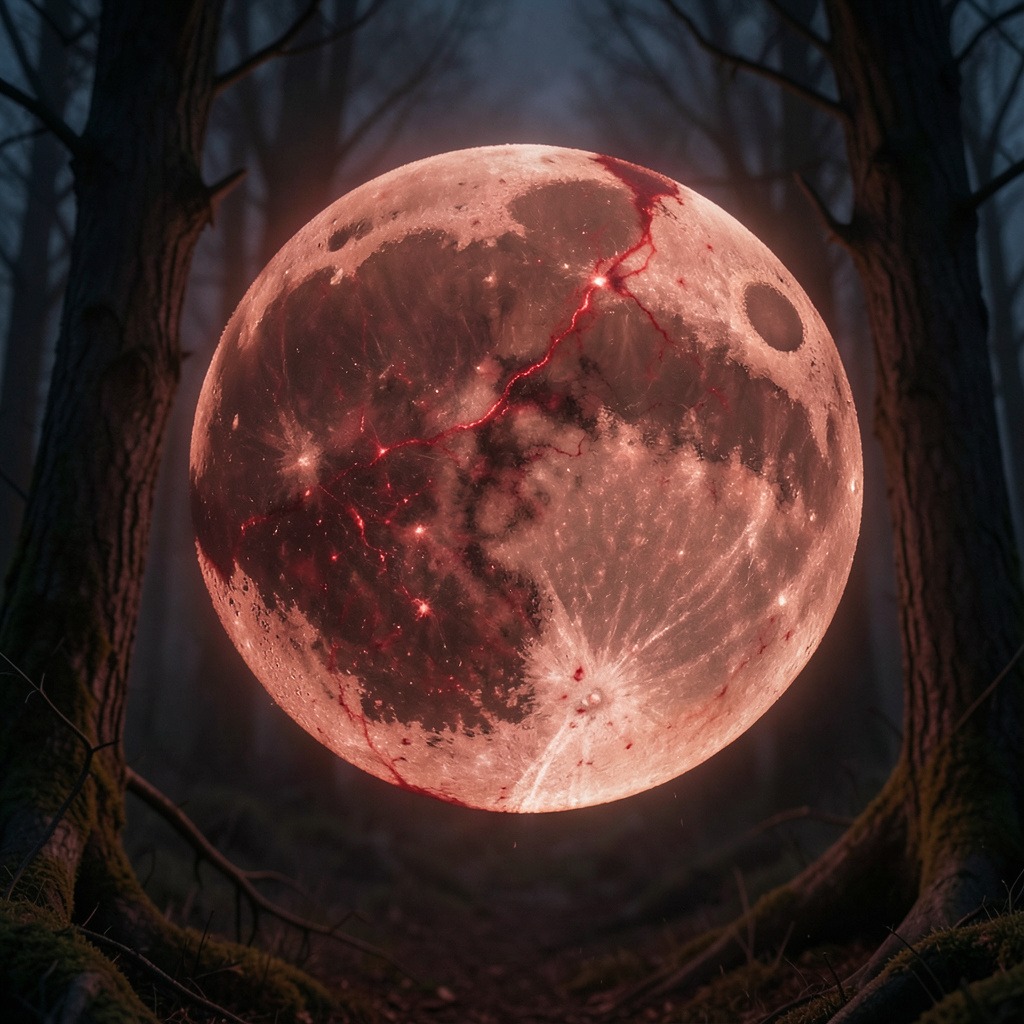
Understanding the Blood Moon: Definition and Science
The Blood Moon is a captivating phenomenon that occurs during a total lunar eclipse. Its striking red hue has inspired various superstitions and cultural beliefs throughout history.
What Causes the Blood Moon?
A Blood Moon occurs when the Earth passes directly between the Sun and the Moon. During this alignment, the Earth’s shadow completely covers the Moon. This event is known as a total lunar eclipse. The red coloration arises due to the scattering of sunlight through the Earth’s atmosphere.
- Umbra: The darkest part of the Earth’s shadow.
- Penumbra: The lighter outer part of the shadow.
- Totality: The phase when the Moon is entirely in the Earth’s umbra, resulting in the red appearance.
The Phases of a Lunar Eclipse
Lunar eclipses can be classified into three types:
1. Total Lunar Eclipse: The entire Moon is in the Earth’s umbra, appearing red.
2. Partial Lunar Eclipse: Only a portion of the Moon enters the Earth’s shadow.
3. Penumbral Lunar Eclipse: The Moon passes through the Earth’s penumbral shadow, causing a subtle shading.
Understanding these phases helps to clarify the conditions under which a Blood Moon occurs. Total lunar eclipses, where the Blood Moon is visible, are relatively rare, happening approximately once every 1-3 years.
The Color Spectrum: Why Red?
The red color of the Blood Moon results from Rayleigh scattering. This phenomenon occurs when sunlight passes through the Earth’s atmosphere, filtering out shorter wavelengths like blue light and allowing longer wavelengths, such as red, to reach the Moon.
- Atmospheric Conditions: Factors such as dust, smoke, or volcanic ash can enhance the red hue during a Blood Moon.
- Visual Impact: The intensity of the red color can vary based on atmospheric conditions at the time of the eclipse.
For those interested in observing this extraordinary event, consider using a Lunar Eclipse Viewing Kit to enhance your experience. Check Price on Amazon.
The Cultural Significance of Blood Moon Superstitions

The Blood Moon captivates many cultures, each attributing unique meanings and superstitions to this striking celestial event. Across the globe, beliefs range from ominous warnings to hopeful omens, reflecting the diverse interpretations of this phenomenon.
Aztec Myths: The Jaguar and the Moon
In Aztec culture, the Blood Moon was intricately linked to their solar deity, Huitzilopochtli. They believed that the moon’s reddish hue signified a time when the jaguar, a powerful symbol of warfare and strength, was active. This event was often seen as a call to prepare for sacrifice to appease the gods, ensuring balance and favor. The Aztecs viewed the Blood Moon as a crucial moment for reflection and ritual, emphasizing its importance in their spiritual practices.
Incan Beliefs: Protecting the Moon
The Incas held the Blood Moon in high regard, associating it with significant natural disasters, particularly earthquakes. They believed that the red moon was a manifestation of the sun’s fury. To protect themselves, they engaged in rituals aimed at soothing the lunar goddess, Mama Quilla. These included offerings and communal prayers, demonstrating their understanding of the Blood Moon as a time for collective spiritual action.
Norse Legends: Signs of Ragnarök
In Norse mythology, the Blood Moon signified impending doom. It was linked to the prophecy of Ragnarök, a series of events leading to the end of the world. The Norse believed that the blood-red moon heralded the approach of Fenrir, the monstrous wolf destined to devour the sun. This connection instilled fear and reverence among the people, prompting them to perform rituals to ward off the misfortunes they believed the Blood Moon could bring.
Comparative Analysis of Cultural Beliefs
The Blood Moon serves as a fascinating lens through which to view cultural beliefs and superstitions. Here’s a brief comparison of interpretations:
| Culture | Belief/Interpretation | Associated Rituals |
|---|---|---|
| Aztec | Sign of sacrifice and warfare | Offerings to Huitzilopochtli |
| Incan | Warning of earthquakes | Prayers and offerings to Mama Quilla |
| Norse | Omen of Ragnarök | Rituals to avert disaster |
These diverse interpretations underscore the Blood Moon’s role as a significant cultural symbol. Each culture taps into its unique history and mythology, shaping the way they respond to this celestial event.
Spiritual Meanings Associated with the Blood Moon

The Blood Moon is often viewed as a potent symbol of transformation and renewal. Its striking appearance during a total lunar eclipse invites introspection and self-reflection. Many cultures ascribe significant spiritual meanings to this celestial event, which can be categorized into distinct themes.
Transformation and Rebirth
Many believe the Blood Moon heralds a time for personal transformation. This phase encourages individuals to shed old habits and embrace new beginnings. For instance, during a Blood Moon, practitioners may engage in rituals aimed at letting go of negative patterns. This can include:
- Journaling: Reflecting on past experiences and identifying what to release.
- Meditation: Focusing on personal growth and visualizing desired changes.
- Rituals: Creating a fire to symbolize burning away the old and welcoming the new.
These practices align with the belief that the Blood Moon acts as a catalyst for significant life shifts.
Cleansing and Healing
The Blood Moon is also seen as a powerful time for cleansing and healing. Many cultures incorporate rituals that focus on purification. This can involve:
- Water Rituals: Using water to wash away negativity and invite clarity.
- Herbal Ceremonies: Utilizing specific herbs believed to have cleansing properties.
- Fasting: Engaging in a period of fasting to promote physical and spiritual detoxification.
Such practices aim to align the individual with the transformative energies of the Blood Moon, enhancing their healing journey.
Divine Messages and Omens
Throughout history, the Blood Moon has been perceived as a bearer of divine messages and omens. Certain interpretations suggest that it signals significant changes or warnings. For example:
- Biblical References: The Blood Moon is mentioned in scripture as a sign of impending change or divine judgment, particularly in the books of Joel and Revelation.
- Cultural Superstitions: In some traditions, it is viewed as an omen of natural disasters or societal upheaval, prompting communities to prepare and reflect.
These interpretations illustrate the dual nature of the Blood Moon as both a harbinger of caution and a source of spiritual insight.
The Blood Moon serves as a powerful reminder of the cycles of life and the opportunities for renewal and growth. Observing this celestial event can be enhanced with tools like a Lunar Eclipse Viewing Kit, which can enhance the experience of this transformative occasion.
Common Superstitions Surrounding the Blood Moon

The Blood Moon evokes a range of superstitions and beliefs, often shaped by cultural interpretations. These narratives highlight both ominous warnings and protective practices that have emerged over centuries.
Blood Moon as an Omen of Doom
Many cultures view the Blood Moon as a harbinger of bad luck or misfortune. This belief stems from its eerie red hue, which has been associated with various negative events throughout history. Common interpretations include:
- Impending Disasters: Some traditions link the Blood Moon with natural disasters like earthquakes, floods, or volcanic eruptions.
- War and Conflict: The phenomenon is often seen as a warning sign of impending wars or societal upheaval.
- Death and Illness: In certain cultures, the Blood Moon symbolizes death or disease, prompting communities to prepare for challenges ahead.
These superstitions persist due to the dramatic and rare nature of the Blood Moon, reinforcing the belief that it carries significant cosmic power.
Fears of War and Natural Disasters
Historical events associated with the Blood Moon often amplify its ominous reputation. For instance, during the 2014-2015 tetrad of Blood Moons, many predicted catastrophic events. This belief in the Blood Moon as a precursor to turmoil is common across various cultures:
- Biblical References: Texts like the Book of Joel express fears that a Blood Moon signals divine judgment, reinforcing the idea of forthcoming calamities.
- Cultural Narratives: Folklore from diverse regions often recount tales where Blood Moons precede significant societal changes or disasters.
These narratives illustrate how fear can shape perceptions of celestial events, linking them to human experiences of turmoil.
Protective Rituals Across Cultures
Despite its ominous associations, many cultures have developed rituals to protect against the perceived dangers of the Blood Moon. These practices serve as a counterbalance to fear, offering comfort and empowerment. Common protective rituals include:
- Cleansing Ceremonies: Rituals involving water or fire are performed to cleanse negative energies, believed to be heightened during the Blood Moon.
- Intentions Setting: Practitioners often use this time for reflection and intention-setting, focusing on personal growth and spiritual insight.
- Community Gatherings: In some traditions, people gather to share stories and perform collective ceremonies, reinforcing social bonds while addressing fears.
These rituals not only provide a sense of agency but also highlight the human desire to connect with cosmic events meaningfully. By engaging in protective practices, communities can transform fear into empowerment, illustrating the duality of the Blood Moon’s symbolism.
How to Observe the Blood Moon Safely
Observing a Blood Moon can be a profound experience, connecting you to centuries of cultural beliefs and superstitions. Here are practical tips and techniques to enhance your viewing experience.
Best Viewing Locations
Choosing the right location is crucial for optimal viewing. Here are some tips:
- Find Open Spaces: Look for areas with minimal light pollution. Parks or fields away from city lights are ideal.
- Elevated Areas: Higher altitudes can provide clearer views, reducing atmospheric distortion.
- Clear Skies: Check the weather forecast. A clear night sky is essential for a good view of the Blood Moon.
Using Telescopes and Binoculars
While the Blood Moon is visible to the naked eye, using telescopes or binoculars can enhance the experience. Consider these guidelines:
- Select the Right Equipment: A telescope with a wide aperture will provide the best details of the lunar surface.
- Stabilize Your View: Use a tripod for binoculars or telescopes to reduce shake and improve clarity.
- Adjust Settings: If using a camera, set it to a higher ISO for better light capture.
Photography Tips for the Blood Moon
Capturing the beauty of a Blood Moon requires some planning. Here are essential tips:
- Use a Telephoto Lens: This will allow you to zoom in on the Moon’s surface.
- Experiment with Settings: Start with a low ISO and adjust the exposure time. A longer exposure captures more light but may blur the Moon if it moves.
- Tripod is Key: Use a sturdy tripod to reduce camera shake, especially during longer exposures.
Quick Checklist for Observing the Blood Moon
- [ ] Choose a dark, elevated location.
- [ ] Bring binoculars or a telescope for enhanced viewing.
- [ ] Check the weather for clear skies.
- [ ] Prepare your camera with a telephoto lens and tripod.
- [ ] Have snacks and drinks for a comfortable experience.
Rituals and Practices During a Blood Moon
The Blood Moon serves as a potent symbol for various rituals and practices across cultures. These rituals often reflect deep spiritual meanings and community connections, emphasizing personal transformation and collective energy.
Personal Reflection and Journaling
During a Blood Moon, many individuals engage in personal reflection. This practice helps them confront past emotions and set intentions for the future. Here are some effective methods:
- Journaling: Write down thoughts and feelings that arise during the Blood Moon. Focus on what you wish to release or transform.
- Meditation: Spend time in meditation, visualizing the changes you want to manifest. Use the red hue of the moon as a symbol of shedding old layers.
- Affirmations: Create a list of affirmations that resonate with your goals. Repeat them aloud under the moonlight to amplify their energy.
Community Gatherings and Ceremonies
Blood Moon gatherings often serve as a communal experience, reinforcing bonds among participants. These events can take many forms:
- Group Meditations: Communities come together for guided meditations. This collective energy can enhance personal intentions.
- Ceremonial Circles: Participants share stories and experiences, creating a safe space for vulnerability and healing.
- Potluck Gatherings: Sharing food can symbolize abundance and gratitude, fostering a sense of community.
Cleansing Rituals for Transformation
Cleansing rituals are popular during a Blood Moon, as they symbolize releasing what no longer serves us. Here’s how to perform them effectively:
- Water Cleansing: Fill a bowl with water and place it outside under the moonlight. Use this water for washing hands or face, symbolizing the removal of negativity.
- Smoke Cleansing: Burn sage or incense, allowing the smoke to purify the space. As you do this, visualize the release of unwanted energies.
- Nature Walks: Take a walk in nature during the Blood Moon. Collect natural items (like leaves or stones) that represent your intentions and release them back to the earth.
Checklist for Blood Moon Rituals
- [ ] Choose a quiet space for reflection.
- [ ] Gather materials for cleansing (water, sage, etc.).
- [ ] Plan a community gathering if desired.
- [ ] Prepare personal journals or affirmations.
- [ ] Set intentions before the Blood Moon rises.
These rituals enhance personal growth and strengthen community ties during this significant lunar event.
Historical Events Linked to Blood Moons
Blood Moons have captivated societies for centuries. Their appearances often aligned with significant historical events, leading many to interpret them as omens or divine messages. This section explores notable occurrences linked to Blood Moons and their impacts on civilizations.
Biblical References and Prophecies
In the Bible, the Blood Moon is prominently mentioned in the Book of Joel. It is described as a sign of the end times, heralding a prophetic warning. The verse states that the moon will turn to blood before the great and terrible day of the Lord. This interpretation has led many Christians to view Blood Moons as harbingers of divine judgment or significant spiritual shifts.
Cultural Reactions to Historical Blood Moons
Different cultures have reacted to Blood Moons in various ways. For instance:
- Ancient Rome: Romans saw Blood Moons as signals of political upheaval. Significant events, such as the assassination of Julius Caesar, coincided with lunar eclipses, reinforcing the belief in their ominous nature.
- Mayan Civilization: The Mayans meticulously tracked lunar cycles. They viewed Blood Moons as potent times for rituals, believing these events could influence agricultural success and societal harmony.
- Native American Tribes: Many tribes interpreted Blood Moons as times for reflection and introspection. They often held ceremonies to seek guidance, viewing the lunar event as a moment to reconnect with nature and their spiritual beliefs.
Major Historical Events Coinciding with Blood Moons
Several historical events have coincided with Blood Moons, reinforcing their perceived significance:
- The Fall of Jerusalem (70 AD): A Blood Moon occurred during the siege of Jerusalem, influencing Jewish interpretations of the event as a divine warning.
- The Great American Eclipse (August 21, 2017): Though not a Blood Moon, this event reignited interest in lunar phenomena, leading to discussions about Blood Moons and their historical implications.
- Lunar Tetrads (2014-2015): This period featured four consecutive Blood Moons, each falling on Jewish holidays. Many viewed this as a prophetic sign, linking it to various historical events in Jewish history.
These connections illustrate how Blood Moons have historically shaped societal beliefs and responses. The interplay between celestial events and human experience remains a powerful narrative in understanding cultural superstitions surrounding the Blood Moon.
Zodiac Signs Most Affected by the Blood Moon
The Blood Moon is believed to have significant influences on various zodiac signs. Astrologers contend that each Blood Moon brings heightened energy that resonates differently across the zodiac wheel.
Fire Signs: Aries, Leo, Sagittarius
Fire signs often experience intense emotional and spiritual awakenings during a Blood Moon. The transformative energy can trigger a surge of creativity and passion.
- Aries: May feel compelled to take bold actions and initiate new projects.
- Leo: Could experience a heightened sense of self-expression, leading to leadership opportunities.
- Sagittarius: Might find themselves seeking deeper truths and adventures, prompting travel or philosophical exploration.
Earth Signs: Taurus, Virgo, Capricorn
Earth signs tend to focus on stability and practicality during a Blood Moon. This lunar event encourages them to reassess their foundations and make necessary adjustments.
- Taurus: May feel a call to evaluate their values and material possessions.
- Virgo: Could experience a push towards self-improvement and wellness routines.
- Capricorn: Might find themselves re-evaluating career goals and long-term ambitions.
Air and Water Signs: Gemini, Libra, Cancer, Scorpio, Pisces
Air and water signs often experience emotional and intellectual shifts during this phase. The Blood Moon can illuminate hidden feelings and thoughts.
- Gemini: May find communication becomes more profound, leading to important conversations.
- Libra: Could feel a need to address relationship dynamics, seeking balance and harmony.
- Cancer: Might experience heightened intuition and emotional sensitivity.
- Scorpio: May confront deep-seated emotions or secrets, prompting transformation.
- Pisces: Could feel an increase in creativity and spiritual connection, leading to artistic pursuits.
Understanding how the Blood Moon influences each zodiac sign can enhance personal insights and guide rituals during this powerful lunar phase.
Addressing Common Issues and Misconceptions about Blood Moons
The Blood Moon elicits a range of beliefs, many of which are steeped in superstition and myth. Understanding these misconceptions can clarify the true nature of this celestial event.
Debunking the Bad Luck Myth
Many associate the Blood Moon with bad luck or ominous events. This stems from historical interpretations that view the reddish hue as a bad omen. In reality, there is no scientific evidence linking Blood Moons to negative outcomes. Here are some common beliefs and the facts that counter them:
- Myth: A Blood Moon foretells disaster or tragedy.
- Fact: Blood Moons are simply lunar eclipses caused by Earth’s shadow. They are predictable and have no bearing on human affairs.
- Myth: People should avoid making decisions during a Blood Moon.
- Fact: There is no empirical support for this claim. Decisions can be made based on personal intuition, which may be heightened during this time.
Understanding the Science vs. Superstition
The Blood Moon occurs during a total lunar eclipse, where the Earth aligns between the sun and the moon. This alignment causes the moon to appear red. Here’s a closer look at the science:
- Lunar Eclipse Process: Earth’s atmosphere scatters sunlight, allowing only red wavelengths to reach the moon.
- Frequency: Total lunar eclipses, or Blood Moons, happen every 1 to 3 years, making them a natural occurrence.
Despite its scientific basis, many cultures have historically infused this phenomenon with spiritual meanings.
Cultural Misunderstandings of the Blood Moon
Cultural interpretations of the Blood Moon vary widely. Some view it as a harbinger of doom, while others see it as a symbol of renewal. Understanding these diverse beliefs can enrich one’s perspective:
- Negative Associations: In some traditions, the Blood Moon signifies war, famine, or natural disasters.
- Positive Associations: Conversely, other cultures regard it as a time for new beginnings and transformation.
For example, the ancient Incas believed a jaguar attacked the moon, its red color representing the blood spilled in battle. This highlights how deeply cultural narratives can shape interpretations of celestial events.
Key Takeaways
- Blood Moons are natural phenomena: They do not influence personal outcomes or events.
- Cultural narratives vary: Recognizing different beliefs can enhance appreciation for the Blood Moon’s significance.
- Scientific clarity is essential: Understanding the astronomical basis of a Blood Moon dispels unfounded superstitions.
By addressing these misconceptions, we gain a clearer understanding of the Blood Moon and its cultural significance.
Preparing for the Next Blood Moon: What You Need to Know
As interest in the Blood Moon grows, knowing when to see this celestial event and how to prepare enhances the experience. Below are essential details about the upcoming Blood Moon events and tips for optimal viewing.
Next Visible Blood Moon Dates
The next significant Blood Moon will occur on December 31, 2028. This total lunar eclipse will be visible in many regions, making it an exciting opportunity for enthusiasts and casual observers alike. Keep an eye on the lunar calendar for additional partial Blood Moons, including the penumbral lunar eclipse on August 27, 2026.
| Date | Event Type | Visibility |
|---|---|---|
| August 27, 2026 | Partial Blood Moon | Limited (Eastern USA) |
| December 31, 2028 | Total Blood Moon | Widely visible |
How to Prepare for Viewing
To ensure a memorable experience, consider the following preparation steps:
- Choose a Location: Select a spot with minimal light pollution. Parks or rural areas are often ideal.
- Check Weather Conditions: Clear skies enhance visibility. Use weather apps to monitor forecasts leading up to the event.
- Gather Viewing Equipment: Binoculars or a telescope can enhance your view. A camera with a tripod may also help capture the moment.
- Plan Ahead: Arrive at your viewing location early to secure the best spot and avoid last-minute surprises.
What to Expect During the Event
During a Blood Moon, you can anticipate a series of awe-inspiring phases:
1. Penumbra Phase: The moon begins to darken as it enters Earth’s outer shadow.
2. Partial Phase: A portion of the moon will start to turn red.
3. Total Eclipse: The entire moon takes on a dramatic red hue, often lasting several minutes to an hour.
Being aware of these phases can heighten your anticipation and appreciation of the event. Additionally, consider participating in rituals or reflection practices prevalent in various cultures during a Blood Moon. These activities can enrich your experience and connect you with the spiritual significance attributed to this phenomenon.
Frequently Asked Questions
These quick answers cover the most common questions about this topic, including key details, practical tips, and common concerns.
What does a blood moon symbolize?
A Blood Moon symbolizes transformation and renewal in many cultures. Its striking red hue during a total lunar eclipse often prompts introspection and self-reflection. Various traditions associate it with significant changes, personal growth, and the shedding of old habits.
Is blood moon bad luck spiritual?
The belief that a Blood Moon brings bad luck is rooted in superstition rather than fact. While some cultures view it as an omen of doom or disaster, there is no scientific evidence supporting these claims. Instead, many see it as a time for new beginnings and spiritual cleansing.
Which zodiac signs are affected by the blood moon?
The Blood Moon influences all zodiac signs, but its effects vary. Fire signs (Aries, Leo, Sagittarius) may experience bursts of creativity and emotional awakening. Earth signs (Taurus, Virgo, Capricorn) often reassess their stability, while Air and Water signs (Gemini, Libra, Cancer, Scorpio, Pisces) may confront deeper emotions and enhance intuition during this lunar event.
How often do blood moons occur?
Blood Moons occur approximately every 1 to 3 years, coinciding with total lunar eclipses. These events are relatively rare, making them special opportunities for observation and cultural reflection. Keep an eye on astronomical calendars to stay updated on upcoming Blood Moons.
What rituals can I perform during a blood moon?
During a Blood Moon, you can engage in various rituals such as journaling, meditation, and cleansing ceremonies. These practices often focus on releasing negativity and setting intentions for personal transformation. Group gatherings for shared meditations or ceremonial circles can also enhance the experience.
What should I avoid during a blood moon?
It’s advisable to avoid negative thoughts and actions during a Blood Moon, as many believe this time amplifies energies. Some superstitions suggest refraining from making major decisions or starting new projects, although these claims lack scientific backing. Instead, focus on reflection and personal growth.
How does a blood moon differ from other lunar events?
A Blood Moon specifically refers to a total lunar eclipse, where the moon appears red due to Earth’s shadow. In contrast, other lunar events, like partial or penumbral eclipses, do not produce the same dramatic visual effect. Additionally, Supermoons occur when the moon is closest to Earth, resulting in a larger appearance but not necessarily a red hue.