
Being alone can be a profound spiritual upgrade, allowing us to connect deeper with ourselves and our inner wisdom. I’ve found that taking time for solitude has transformed my understanding of who I am and what I truly want in life. Read Interesting article: Why “Universe Signs” Can Become Addiction
Understanding Solitude: The Spiritual Perspective
The Concept of Solitude in Spirituality
When we think of solitude, we often picture someone sitting in silence, perhaps in a serene landscape, lost in thought. In spirituality, solitude is much more than just being physically alone; it’s a state of being where we can connect with the essence of who we are. I remember the first time I truly embraced solitude. It was during a weekend retreat in the mountains. Away from distractions, I could hear my thoughts clearly, and I felt a sense of peace that I had never experienced before. This was my first real taste of the spiritual side of being alone.
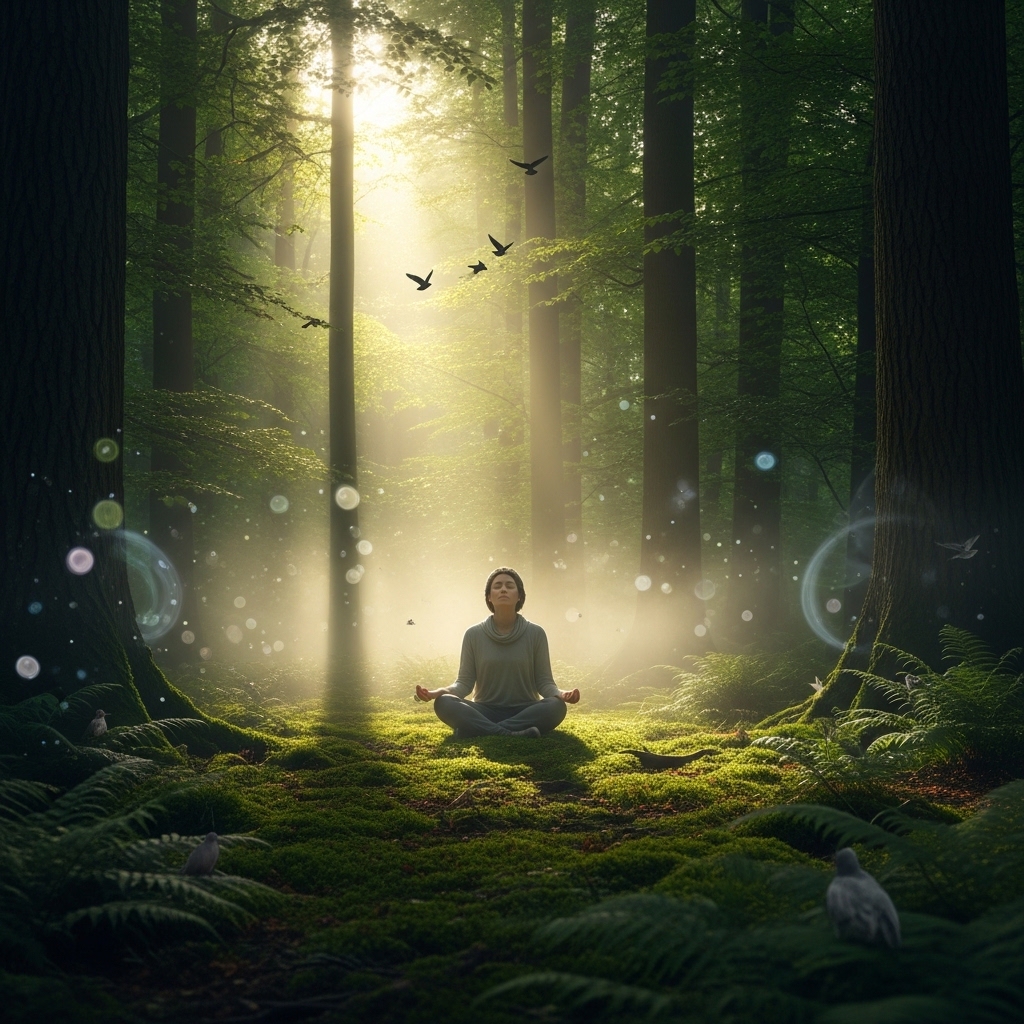
In many spiritual traditions, solitude is seen as an essential practice. It allows us to listen to our inner voice, reflect on our lives, and align ourselves with our values and beliefs. The more I embraced solitude, the more I discovered that it is not about shutting out the world but about tuning in to myself. It’s a way to foster personal growth and deepen our understanding of spiritual matters. I often think about how to protect your energy without cutting everyone off as I navigate my solitude.
How Solitude Differs from Loneliness
It’s important to clarify that solitude and loneliness are not the same. I used to confuse the two, thinking that being alone meant I was lonely. In reality, loneliness can feel heavy and isolating, while solitude is liberating and empowering. When I choose to be alone, I feel a sense of freedom; it’s a conscious decision that enriches my life, unlike loneliness, which often stems from a feeling of lack or disconnection.
When I reflect on moments of loneliness, I realize they often arose from external circumstances or a lack of connection with others. In contrast, solitude is a nurturing space I create for myself. I’ve learned that the quality of my thoughts and feelings changes dramatically when I embrace solitude; I become more open to insights and self-discovery. Understanding this distinction has helped me appreciate the value of my alone time.
The Benefits of Embracing Alone Time
Embracing alone time offers numerous benefits that can enhance our spiritual journey. One of the most significant advantages I’ve experienced is the ability to reconnect with my inner self. In the hustle and bustle of everyday life, it’s easy to lose sight of who we are beneath the roles and responsibilities we carry. I’ve found that when I carve out time for myself, I can rediscover my passions, desires, and even hidden dreams.
Moreover, solitude fosters self-reflection. I often take long walks in nature, where I can think deeply about my life, my choices, and my path moving forward. During these moments, I’ve uncovered insights that have guided me in making important decisions. I feel that solitude allows us to dive deeper into our thoughts, helping us process emotions and experiences in a way that we might overlook when surrounded by others.
Another benefit is the enhancement of mindfulness. When I’m alone, I can practice being fully present. Whether it’s enjoying a cup of tea in silence or simply watching the clouds drift by, these moments of mindfulness help ground me. I believe that this presence becomes a form of meditation, allowing clarity to emerge from the chaos of daily life.
Lastly, embracing solitude can lead to personal intuition and insight. I’ve noticed that when I’m alone, I’m more in tune with my gut feelings. This heightened intuition often guides me in making choices that align with my true self. I’ve learned to trust this inner voice, which has been crucial in navigating life’s complexities. I often think about the 3 most powerful crystals for immediate spiritual growth that can enhance this process.
To sum up, solitude is a gateway to spiritual growth. By understanding its true nature, distinguishing it from loneliness, and recognizing the benefits it offers, we can begin to see being alone not as a void but as a rich opportunity for self-discovery and personal empowerment. In my experience, the journey of embracing solitude has been about learning to enjoy my own company and, in turn, finding a deeper connection with myself and my spirituality.
Why Being Alone Is Considered a Spiritual Upgrade
Connecting with Your Inner Self
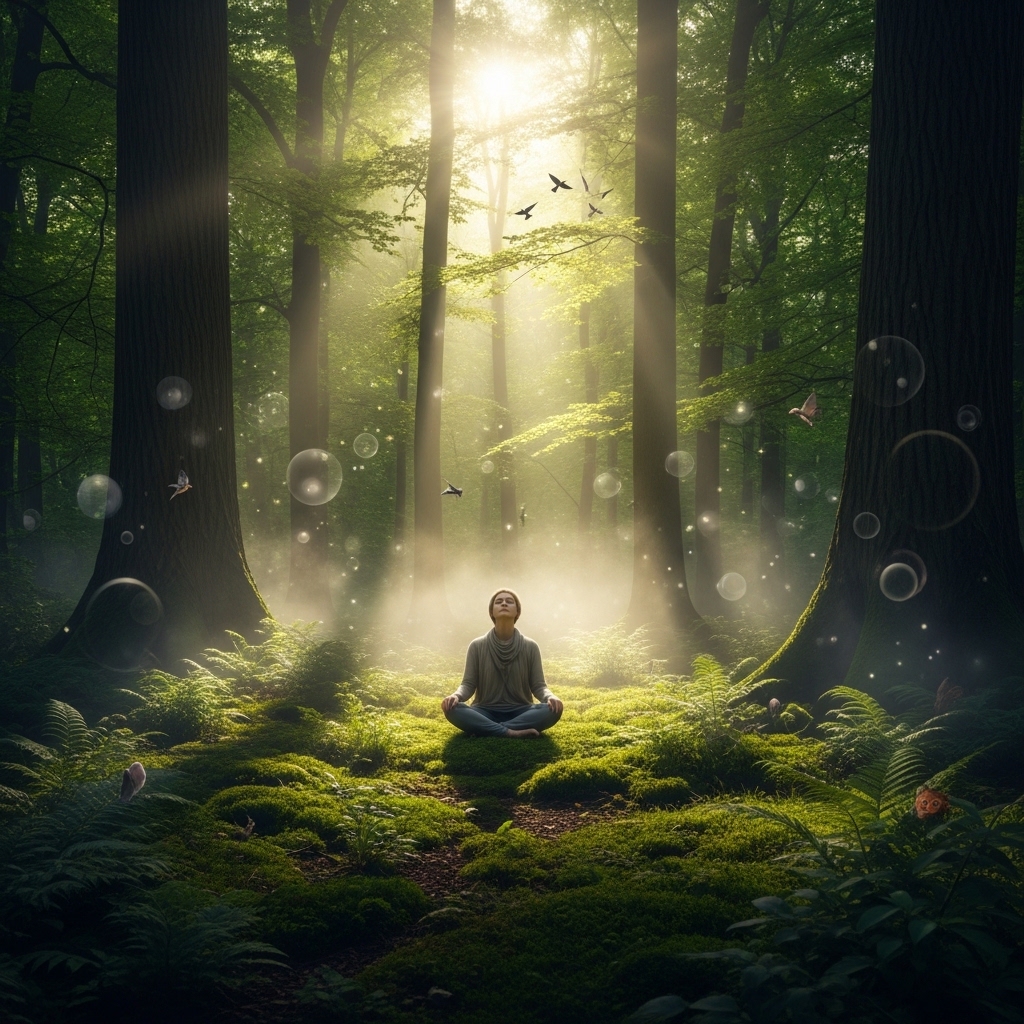
One of the most profound realizations I have had about solitude is how it allows me to connect with my inner self. When I’m alone, I can peel back the layers of my daily distractions and really dive into what makes me who I am. I remember a time when I felt particularly lost in my career. I decided to take a weekend retreat by myself, and it was during those quiet hours that I rediscovered my passion for writing. There was something liberating about being away from the noise of others’ opinions and expectations. It felt like I was finally able to listen to my heart without interruption.
Being alone creates a space for self-exploration. In the silence, I’ve had moments of clarity about my values, goals, and desires. It’s like the world melts away, and I can finally hear my authentic voice. I believe that this connection is vital for anyone on a spiritual journey. It’s an opportunity to understand what truly resonates with us, allowing us to live more authentically.
Enhancing Self-Reflection and Mindfulness
Embracing solitude has significantly enhanced my self-reflection and mindfulness practices. I’ve learned that being alone isn’t just about physical space; it’s about making mental space for reflection. I often find myself journaling during these solitary moments, allowing my thoughts to flow freely. Without the distractions of daily life, I can reflect deeply on my experiences, decisions, and emotions. This process of reflection is rewarding, as it helps me understand my reactions and feelings better.
Mindfulness, for me, flourishes in solitude. When I’m alone, I can focus on the present moment more clearly. I often practice mindfulness by simply observing my surroundings. I take in the sounds, the colors, and the scents around me, fully immersing myself in the experience. This practice not only grounds me but also cultivates a deeper appreciation for life. I feel more connected to the world around me, and it’s in these moments that I often find peace and serenity.
Developing Personal Intuition and Insight
Another significant aspect of solitude is how it helps in developing personal intuition and insight. I’ve noticed that when I spend time alone, my intuition sharpens. It’s as if the noise of the world dulls my inner voice, but in solitude, that voice becomes clearer. I remember a period when I faced a tough decision about my relationships. Through solitude, I allowed myself to sit with my feelings and thoughts, and I ultimately came to conclusions that felt right for me.
Being alone gives us the chance to hear our gut feelings and instincts without external influences. I’ve learned to trust my intuition more as I spend time in solitude. It has guided me to make decisions that align with my true self rather than what I think others expect of me. This connection to my inner wisdom has been a game-changer in my journey, helping me navigate challenges with a sense of confidence and clarity.
Practical Ways to Embrace Solitude
Creating a Personal Sanctuary
One of the best ways I’ve found to embrace solitude is by creating a personal sanctuary, a space where I can be alone with my thoughts. This doesn’t have to be a physical space; it can be a mental one too. For me, setting up a cozy corner in my home with my favorite blankets, candles, and books has made a significant difference. Whenever I retreat to this space, I can feel my stress melt away, and it becomes my go-to spot for reflection and relaxation.
In addition to a physical sanctuary, I’ve also learned to create a mental space through intention. Before I begin my solitude time, I take a moment to center myself, letting go of distractions and inviting clarity. This combination of a comfortable environment and a focused mindset transforms my alone time into a deeply spiritual experience.
Establishing Mindful Routines
Establishing mindful routines around my solitude has also enriched my experience. I’ve found that setting a specific time for solitude in my daily or weekly schedule creates a sense of anticipation. It’s like having a date with myself! Whether it’s a quiet morning ritual with a cup of tea or an evening walk without my phone, these routines ground me and set the stage for deeper introspection.
During these times, I often engage in practices that promote mindfulness, like deep breathing or gentle stretching. These rituals not only enhance my solitude but also help me stay present in the moment. I’ve realized that the more I integrate these routines, the more I look forward to my alone time, knowing that it will nurture my spirit and well-being.
Incorporating Meditation and Reflection Practices
Meditation has become a cornerstone of my solitude practice. I initially found it challenging, but over time, I learned to appreciate its benefits. During my alone time, I set aside a few minutes for meditation, allowing my thoughts to settle and my mind to clear. This practice has provided me with incredible insights and a sense of calm that I carry throughout my day.
Incorporating reflection practices, like journaling or simply contemplating my experiences, has also added depth to my solitude. I often write down my thoughts, feelings, and any revelations I’ve had. This act of writing not only helps me process my experiences but also serves as a record of my spiritual journey. Looking back at my entries allows me to see how far I’ve come and reminds me of the lessons I’ve learned along the way.
The Role of Nature in Spiritual Growth
Spending Time Outdoors Alone
One of the most impactful ways to embrace solitude is by spending time outdoors. I remember the first time I took a solo hike in the woods; it was a breathtaking experience that changed my perspective on alone time. Surrounded by towering trees and the gentle rustle of leaves, I felt a deep connection to the earth. It was like nature wrapped me in a warm embrace, reminding me that I’m never truly alone. While walking, I took in the sights and sounds around me, and for the first time in a while, I felt a sense of belonging to something greater.
Being outdoors offers a unique opportunity for self-discovery. The quiet of nature allows my mind to wander freely, often leading to profound insights. As I walked along the trails, I found myself contemplating life’s big questions. The fresh air and serenity of the environment created an open space for reflection. I’ve learned that spending time in nature alone can rejuvenate the spirit and even spark creativity. I often return from these outdoor adventures feeling refreshed and filled with new ideas.
The Healing Power of Natural Environments
Nature has an incredible healing power that we often overlook. I’ve experienced this firsthand during moments of stress or anxiety. When I immerse myself in natural environments, I feel my worries start to fade away. There’s something about the sights and sounds of nature that brings a deep sense of peace. Whether it’s the sound of waves crashing on the shore or the chirping of birds in the trees, these natural symphonies have a soothing effect on my soul.
Research supports what I’ve felt intuitively: spending time in nature reduces stress and enhances well-being. I try to incorporate outdoor time into my solitude routine regularly, whether it’s a simple walk in the park or a weekend camping trip. The healing properties of nature help me recharge, allowing me to return to my daily life with a clearer mind and a lighter heart. I often find that nature invites me to slow down and appreciate the beauty around me, which in turn fosters a deeper connection with myself.
Nature as a Spiritual Teacher
Nature can be a profound spiritual teacher. I’ve learned so much from observing the cycles and rhythms of the natural world. For instance, watching the changing seasons has taught me about the importance of letting go and embracing change. I remember feeling deeply inspired during autumn as the leaves fell gracefully to the ground. It reminded me that, just like nature, it’s okay to shed old layers and allow new growth to take place.
Additionally, I find that nature encourages mindfulness. When I’m outdoors, I’m more aware of the present moment. I’ve spent hours just sitting by a river, listening to the water flow, and feeling the warmth of the sun on my skin. These moments of stillness help me appreciate the simplicity of life and reinforce my spiritual growth. Nature teaches us patience, resilience, and the beauty of living in harmony with our surroundings.
Common Misconceptions About Being Alone
The Fear of Isolation
One of the biggest misconceptions I’ve encountered about being alone is the fear of isolation. Many people associate solitude with loneliness, thinking that spending time alone means they are disconnected from the world. I used to feel this way, too. However, I’ve learned that solitude can be empowering rather than isolating. It’s all about how we perceive it. When I choose to spend time alone, I’m not shutting myself off from others; I’m actually creating space for personal growth and self-exploration.
This fear often stems from societal beliefs that prioritize constant connectivity and social engagement. I’ve found that embracing solitude can help us overcome this fear. By reframing alone time as an opportunity for self-discovery, we can shift our mindset. I’ve come to realize that being alone allows me to recharge and reconnect with my interests, passions, and inner wisdom without distractions.
Societal Stigma Surrounding Solitude
Another misconception is the societal stigma surrounding solitude. Many people view someone who enjoys their own company as strange or antisocial. I’ve felt this judgment, especially when I chose to skip social gatherings in favor of some quiet time at home. However, I believe that our culture often overlooks the importance of solitude in promoting mental health and well-being.
In my experience, I’ve seen that those who embrace solitude often cultivate deeper connections with themselves and others. I’ve become more empathetic and present in my relationships because I understand my own needs and boundaries. It’s essential to challenge the stigma and recognize that solitude is not a weakness but a strength that can enhance our lives.
Understanding the Value of Alone Time
Ultimately, it’s crucial to understand the value of alone time. I’ve learned that solitude is not just a break from others; it’s an opportunity to connect with my inner self, reflect on my life, and grow spiritually. Embracing solitude has allowed me to cultivate a more profound sense of peace and fulfillment. When I take the time to be alone, I’m investing in my personal development. I no longer see it as something to fear or avoid; instead, I cherish those moments as vital to my journey.
Frequently Asked Questions
What is the spiritual perspective on solitude?
In spirituality, solitude is a state of being that allows us to connect with our inner selves and understand who we truly are. It fosters personal growth and deepens our understanding of spiritual matters.
How does solitude differ from loneliness?
Solitude is a conscious choice that feels liberating and empowering, while loneliness is often a feeling of lack or disconnection. Solitude nurtures personal growth, whereas loneliness can feel heavy and isolating.
What are some benefits of embracing alone time?
Embracing alone time allows for reconnection with the inner self, enhances self-reflection, promotes mindfulness, and develops personal intuition and insight. It creates space for self-discovery and deeper understanding of one’s emotions and experiences.
How can solitude improve mindfulness practices?
Solitude enhances mindfulness by allowing individuals to focus on the present moment without distractions. It enables deeper observation of surroundings and promotes a greater appreciation for life.
What role does nature play in embracing solitude?
Spending time outdoors alone helps individuals feel a connection to the earth, rejuvenates the spirit, and fosters creativity. Nature provides a calming environment for self-discovery and reflection.
What misconceptions exist about being alone?
Common misconceptions include the fear of isolation and the societal stigma surrounding solitude. Many view solitude as loneliness or antisocial behavior, but it is actually an opportunity for personal growth and self-exploration.
How can one create a personal sanctuary for solitude?
A personal sanctuary can be a physical space, like a cozy corner with blankets and books, or a mental space achieved through intention. This environment helps facilitate relaxation and reflection during alone time.
What practices can enhance the experience of solitude?
Establishing mindful routines, incorporating meditation, and engaging in reflection practices, such as journaling, can deepen the experience of solitude and aid in self-discovery.
How does solitude contribute to developing personal intuition?
Solitude allows individuals to hear their inner voice and instincts without external influences, sharpening intuition and helping guide decisions that align with their true selves.
Why is it important to understand the value of alone time?
Understanding the value of alone time helps individuals recognize it as an opportunity for self-connection, reflection, and spiritual growth, ultimately leading to a deeper sense of peace and fulfillment.