
Placing a bed under a window is often considered bad luck due to superstitions and feng shui principles that associate it with health risks, energy disruption, and poor sleep quality.
The superstition surrounding the placement of a bed under a window is deeply rooted in various cultural beliefs and feng shui principles. This guide will explore the origins, implications, and practical solutions for those facing this common dilemma.

Understanding Bed Under Window Superstition
The superstition surrounding the placement of a bed under a window reflects deep cultural beliefs that connect bed positioning with health, safety, and energy flow. Different cultures have varying interpretations of this superstition, often linking it to the quality of sleep and overall well-being.
Origins of the Superstition
The belief that a bed should not be placed under a window has historical roots. Many cultures perceive windows as portals for energy, both positive and negative. The notion is that sleeping with one’s bed under a window exposes the sleeper to disruptive energy, which can lead to poor health and restless sleep.
- Health Concerns: In ancient times, windows were often unsealed, leading to drafts and exposure to the elements. This practical concern has evolved into a superstition, emphasizing the need for security and comfort while sleeping.
- Safety Issues: Historically, beds placed near windows could be more vulnerable to external threats, including intrusions. This notion has persisted, associating bed placement with personal safety.
Cultural Perspectives on Bed Placement
Cultural beliefs vary significantly regarding bed placement, particularly concerning windows. Here are some notable perspectives:
- Feng Shui Principles: In feng shui, placing a bed under a window is seen as unfavorable. It is believed that this position disrupts the flow of chi (energy), leading to disturbance during sleep. Feng shui practitioners recommend positioning the bed against a solid wall for optimal energy balance.
- Western Superstitions: In various Western cultures, sleeping with one’s feet facing a window is thought to invite bad luck. This belief stems from the idea that it allows negative energies to enter the space.
- Eastern Cultural Beliefs: In some Eastern traditions, a bed under a window is believed to hinder personal growth and prosperity. It is thought to block positive energy from entering the space.
Practical Solutions for Bed Placement
To mitigate the negative implications of having a bed under a window, consider the following practical solutions:
- Use Heavy Draperies: Install thick curtains to block light and energy flow during sleep. This simple fix can create a barrier between the bed and the window.
- Positioning Adjustments: If possible, move the bed to a more central location in the room, away from both windows and doors. This promotes better energy circulation and enhances sleep quality.
- Headboard Selection: Choose a sturdy headboard that provides a sense of security. A solid headboard can create a psychological barrier, making the bed feel more secure.
By understanding the origins and cultural perspectives of the bed under window superstition, individuals can make informed decisions regarding their sleep environment.
Table of Contents
Feng Shui Principles on Bed Placement

Feng shui emphasizes the importance of bed placement in relation to energy flow, or chi. Placing a bed under a window is often discouraged due to its potential negative impacts on sleep quality and overall health.
The Role of Chi Energy
In feng shui, chi energy is vital for creating a harmonious living environment. Windows are seen as points where chi enters and exits a space. When a bed is positioned under a window, it may disrupt this flow of energy, leading to restlessness and poor sleep.
- Chi Disruption: The energy that flows in and out of a window can create a sense of vulnerability. This could manifest as anxiety or disturbances during sleep.
- Health Implications: Research indicates that inadequate sleep quality can affect mental and physical health. Therefore, ensuring a positive energy flow in the bedroom is crucial.
Importance of a Solid Wall Behind the Bed
A solid wall behind the bed is a key principle in feng shui. It provides support and stability, creating a protective barrier from the energy that rushes through windows.
- Psychological Security: A headboard acts as a metaphorical mountain, giving a sense of security. This psychological comfort can enhance relaxation and improve sleep quality.
- Feng Shui Remedies:
- Solid Headboard: Opt for a sturdy headboard without openings. This helps to contain chi energy and protect the sleeper.
- Window Treatments: Use heavy curtains or blinds to block external energy and light, promoting a serene sleep environment.
Practical Solutions for Bed Placement
If relocating the bed is not an option due to room layout, consider these practical solutions to mitigate any negative effects:
- Positioning Adjustments: If possible, adjust the bed to allow for a more centralized position in the room.
- Decor Elements: Incorporate decor that promotes stability, such as plants or artwork, which can also enhance the room’s atmosphere.
By understanding these feng shui principles, individuals can make informed decisions about bed placement, ultimately improving their sleep quality and well-being.
Health Implications of Sleeping Under a Window

Sleeping under a window can pose several health risks. These risks primarily stem from drafts, disturbances, and the impact on sleep quality.
Drafts and Temperature Variability
A bed located under a window often exposes the sleeper to drafts. Cold air can disrupt sleep, leading to discomfort and potential health issues such as respiratory problems. Additionally, temperature fluctuations can hinder the body’s ability to maintain a stable internal environment.
- Cold Air Exposure: In colder months, drafts can lead to chills, impacting sleep quality.
- Temperature Regulation: A consistent temperature is crucial for deep sleep. Fluctuations can prevent restorative sleep cycles.
Noise and Light Disruptions
Windows are often sources of external noise and light, both of which can significantly disrupt sleep.
- Noise Pollution: Sounds from traffic or wildlife can prevent the onset of deep sleep. This disruption can lead to daytime fatigue and decreased productivity.
- Light Interference: Light entering the room can disturb the body’s natural circadian rhythm, making it harder to fall asleep and stay asleep.
Practical Checklist for Bed Placement
When considering the health implications of bed placement, use this checklist:
- Assess Window Location: Is the bed directly under or very close to the window?
- Evaluate Drafts: Can you feel cold air when sitting on the bed?
- Consider Noise Sources: Are there nearby streets or loud environments?
- Check Light Levels: Is the room excessively bright during nighttime?
By addressing these factors, individuals can make informed decisions to enhance their sleep environment and overall health, particularly if they must place a bed under a window.
Practical Solutions for Bed Under Window Situations
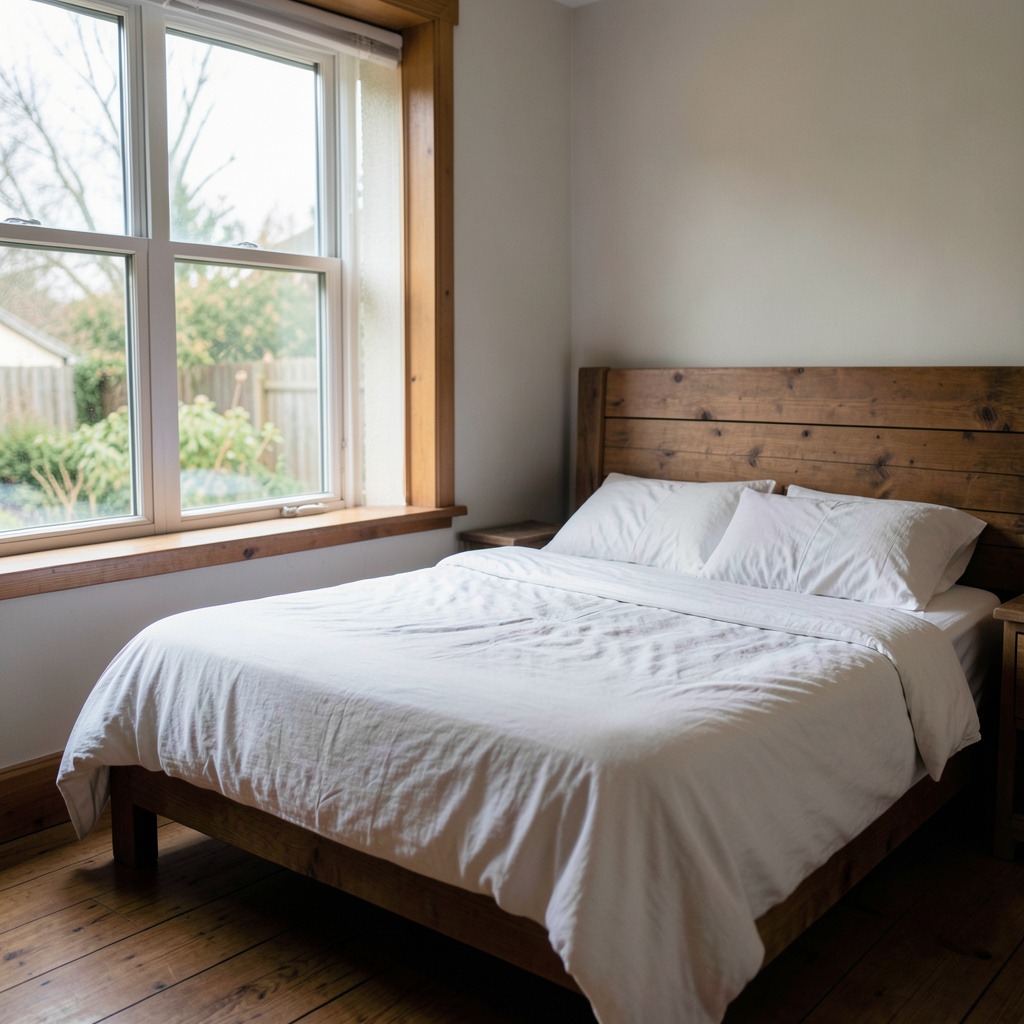
Having a bed under a window can stir up various superstitions and feng shui concerns. However, practical solutions can help mitigate potential negative impacts on sleep quality and health.
Using Heavy Draperies
Heavy draperies can serve multiple purposes. They not only block light but also act as a barrier against drafts and unwanted energy.
- Select thick, lined curtains: Choose materials that provide insulation and privacy.
- Opt for blackout options: These can enhance sleep quality by minimizing light intrusion.
- Hang them high and wide: This technique creates the illusion of a larger window and provides a fuller coverage.
Incorporating a Sturdy Headboard
A sturdy headboard can significantly improve the feng shui of your bedroom. It serves as a protective barrier between you and the window.
- Choose a solid design: Materials like wood or upholstered options without openings are ideal.
- Ensure proper height: The headboard should be tall enough to provide a sense of security and stability.
- Position it correctly: Align the headboard with the bed to create a cohesive look that fosters restfulness.
Window Treatments to Improve Sleep Quality
Effective window treatments can enhance your sleep environment. They can help manage energy flow and protect against disturbances.
- Layer treatments: Combine sheer curtains with heavier drapes for versatility in light control.
- Consider adjustable shades: These allow for flexibility in managing light and privacy throughout the day.
- Install window films: These can reduce glare and block UV rays while maintaining your view.
Unique Insights and Checklist
To further optimize your sleeping space, consider the following checklist:
- Assess your needs: Determine if you require both privacy and light control.
- Evaluate materials: Ensure that the fabrics used are conducive to a calming atmosphere.
- Test different configurations: Experiment with various curtain styles and headboard placements to find what feels best for you.
By implementing these solutions, you can alleviate concerns surrounding the bed under window superstition while enhancing your overall comfort and well-being.
Should You Worry About Bed Placement?
The placement of your bed, particularly under a window, can stir considerable debate. Many attribute negative implications to this arrangement based on superstition and feng shui principles. Understanding when to heed these beliefs and when to focus on personal comfort is crucial.
Assessing Your Room Layout
Feng shui suggests that placing a bed under a window can disrupt energy flow, leading to restlessness and discomfort. This stems from the belief that an open window lacks the necessary support, as it exposes you to outside energy fluctuations. However, practical experiences vary.
- Consider the Window’s Position: If the window is diagonally opposite a door or another window, the bed may be in a direct line of energy flow. This configuration can amplify feelings of unease.
- Evaluate Your Layout: If other options are limited, assess the overall room layout. Is there a solid wall nearby? Can you use curtains or headboards to create a sense of security?
Personal Comfort vs. Cultural Beliefs
While cultural beliefs about bed placement are significant, personal comfort should take precedence. Many people experience good sleep despite adhering to these superstitions.
- Prioritize Your Needs: If you feel comfortable sleeping under a window, trust your instincts. Your comfort level may outweigh the perceived risks.
- Implement Practical Solutions: Use heavy curtains to block light and dampen noise. Consider a headboard to give a sense of support and security.
Example Scenario: A homeowner named Sarah found herself in a dilemma. Her bed was positioned under a window, and she often felt restless. After consulting a feng shui practitioner, she added a solid headboard and blackout curtains. The changes improved her sleep quality significantly, demonstrating that practical adjustments can alleviate concerns around superstition.
Checklist for Bed Placement Decisions
To navigate the tension between superstition and comfort, consider this checklist:
- Assess the Energy Flow: Identify if your bed is in the path of direct energy movement.
- Evaluate Comfort: Reflect on your personal comfort with the bed’s placement.
- Implement Solutions: Use curtains, a headboard, or rearrange furniture as needed.
- Consult a Practitioner: If unsure, seek advice from a feng shui expert to understand your specific situation.
By weighing these factors, you can make informed decisions about bed placement that balance superstition with your individual comfort and sleep quality.
Comparing Bed Placement Options
Understanding various bed placement options can clarify the superstition surrounding beds under windows. This section examines two common placements: beds against a wall and beds positioned between two windows, along with their feng shui implications.
Bed Placement Against a Wall
Placing a bed against a solid wall is often considered optimal in feng shui. This configuration provides necessary support, enabling a sense of security and stability. Key benefits include:
- Enhanced Sleep Quality: With a wall behind, individuals may feel more grounded and secure, reducing anxiety and promoting restful sleep.
- Blocked Energy Flow: A wall mitigates the influx of chi energy that can disrupt sleep, which is particularly relevant for those with a bed under a window.
- Cultural Significance: Many cultures view wall placement as a protective measure, linking it to better health and wellness.
Bed Between Two Windows
Placing a bed between two windows can lead to a different set of feng shui challenges. This arrangement is typically less favorable due to several factors:
- Increased Energy Flow: With windows on both sides, chi energy may flow too freely, making it difficult to achieve restful sleep.
- Lack of Support: The absence of a solid wall behind the bed can create feelings of vulnerability. This is especially concerning for individuals who are sensitive to environmental energy.
- Visual Distraction: The view from both sides can lead to distractions, impacting the ability to relax and unwind in the bedroom.
Comparison Summary
| Bed Placement | Benefits/Drawbacks |
|---|---|
| Against a Wall | Benefits: Enhanced security, improved sleep quality, blocked unwanted energy. Drawbacks: Limited view. |
| Between Two Windows | Benefits: Good natural light, aesthetic appeal. Drawbacks: Increased energy flow, lack of support, potential distractions. |
In summary, while the bed under a window may carry superstitions of bad luck, the placement against a wall generally aligns more closely with feng shui principles. Choosing the right position can enhance sleep quality, comfort, and overall well-being. Consider these factors carefully when deciding on bed placement.
Alternatives to Placing a Bed Under a Window
When considering bed placement, many seek alternatives to the superstition of having a bed under a window. Feng shui principles emphasize creating a secure and harmonious sleeping environment. Here are some practical solutions.
Optimizing Other Room Layouts
Exploring alternative layouts can significantly enhance comfort and energy flow. Here are a few ideas:
- Use a Corner Position: Placing the bed in a corner allows for support on two sides. This arrangement creates a cozy feel and minimizes exposure to energetic disruptions.
- Position Away from the Window: If possible, locate the bed on a wall opposite the window. This will shield you from external energy and noise while promoting a sense of safety.
- Consider Diagonal Placement: Angling the bed diagonally in the room can create a dynamic space. This configuration can also help maintain a sense of openness while adhering to feng shui guidelines.
Using Furniture to Block Energy Flow
In small spaces, it may not be feasible to move the bed. Instead, consider using furniture strategically to mitigate the effects of having a bed under a window.
- Install a High Headboard: A sturdy headboard can serve as a barrier, blocking the energy flow from the window. Ensure it is solid and tall enough to provide a sense of protection.
- Add a Room Divider: If space allows, use a decorative screen or bookshelf between the bed and the window. This can help create a visual barrier while enhancing the room’s aesthetics.
- Incorporate Heavy Drapes: Use thick curtains to cover the window at night. This not only blocks light but also helps reduce the influx of chi energy while you sleep.
Checklist for Bed Placement Solutions
When evaluating bed placement, consider these factors to enhance comfort and energy flow:
- Assess Room Dimensions: Measure your space to identify possible bed placements that avoid the window.
- Evaluate Energy Flow: Stand in various spots in the room to observe how energy flows. Choose a location that feels calm and secure.
- Prioritize Personal Comfort: Ultimately, select a position that feels right for you. Your comfort is paramount for quality sleep.
By implementing these strategies, you can create a restful and harmonious bedroom environment while minimizing the impacts of the bed under window superstition.
Cultural Variations: Folklore and Beliefs
Cultural beliefs about bed placement under windows vary significantly across different regions. These superstitions often stem from historical contexts and are intertwined with local customs and practices.
European Folklore
In many European cultures, placing a bed under a window is believed to invite bad luck. This stems from the idea that windows serve as openings for negative energies or spirits. For instance, in some Eastern European traditions, it’s thought that sleeping near a window exposes one to the elements and spiritual disturbances. People believe it could lead to health issues or restless nights.
- Common Beliefs:
- Exposure to drafts can cause illness.
- Spiritual entities may enter through windows, bringing bad luck.
- The position is seen as vulnerable and unprotected.
Hindu Vastu Shastra Guidelines
In Hindu traditions, the principles of Vastu Shastra emphasize the importance of bed placement for overall well-being. According to Vastu, a bed should not be placed directly under a window. This is believed to disrupt the flow of positive energy (or “prana”) and can lead to physical and mental unrest.
- Key Guidelines:
- The bed should ideally be positioned against a solid wall for support.
- Windows should be aligned to allow for natural light without compromising energy flow.
- Avoid placing the head of the bed facing a window to ensure restful sleep.
Practical Considerations
Understanding these beliefs can guide modern practices. Here are ways to mitigate the perceived negative effects of bed placement under a window:
- Use Heavy Curtains: Block drafts and reduce spiritual disturbances.
- Position the Bed Strategically: If necessary, angle the bed away from direct exposure to the window.
- Incorporate Feng Shui Elements: Use plants or other decor to absorb negative energy and enhance comfort.
By considering these cultural insights, individuals can make informed decisions about their bedroom layout, enhancing both comfort and energy flow.
Myths vs. Facts About Bed Placement
Understanding the myths surrounding bed placement can help dispel fears and improve your sleep environment. Here, we clarify common misconceptions related to placing a bed under a window and examine the relevant feng shui principles.
Common Misunderstandings
1. Myth: Placing a bed under a window invites bad luck.
- Fact: While some cultures view this placement as unlucky, feng shui emphasizes the importance of energy flow. A bed under a window can disrupt this flow, but mitigating strategies exist.
2. Myth: You will feel unsafe sleeping under a window.
- Fact: Feelings of safety depend on individual perception. Feng shui suggests that a solid wall behind the bed provides support, enhancing a sense of security.
3. Myth: Blood circulation and sleep quality are unaffected by bed placement.
- Fact: Poor bed placement can lead to discomfort, impacting sleep quality. Energy flow, or chi, can be disrupted, leading to restlessness.
Facts Supported by Experts
| Myth | Fact |
|---|---|
| Beds under windows are always bad. | Feng shui principles suggest that it depends on the room’s layout and energy flow dynamics. |
| A bed by the window guarantees illness. | Illness is more related to overall health practices rather than bed placement alone. |
| Heavy curtains are the only solution. | While they help, strategic bed positioning and feng shui elements can also mitigate negative effects. |
Practical Solutions
To optimize bed placement while considering feng shui:
- Position the bed away from direct exposure: If possible, angle it to minimize direct alignment with the window.
- Use supportive elements: Incorporate a solid headboard or heavy curtains to block drafts and energy disturbances.
- Enhance with decor: Add plants or artwork that promote positive energy and comfort, reinforcing a balanced environment.
By understanding these myths and the facts that counter them, individuals can make informed decisions about their bedroom layout, enhancing both comfort and energy flow.
User Experiences: Anecdotes and Insights
Many individuals have shared their personal experiences regarding the superstition of placing a bed under a window. These anecdotes highlight cultural beliefs, practical challenges, and varying perspectives on how bed placement impacts sleep quality and overall well-being.
Positive Outcomes
Several users have reported improved sleep after rearranging their beds. Here are some shared experiences:
- Enhanced Comfort: One user noted that moving their bed away from the window provided a sense of security. They felt less exposed and slept more soundly.
- Reduced Disruptions: Another individual mentioned that heavy drapes helped block out street noise, leading to a noticeable improvement in their sleep quality.
- Increased Energy: A feng shui practitioner shared a story about a client who experienced heightened energy levels after repositioning their bed to avoid a direct window alignment.
Challenges Faced
Conversely, many have faced difficulties with bed placement. Here are some common challenges:
- Space Limitations: A user living in a small apartment revealed that they had no choice but to place their bed against a window. Despite using heavy curtains, they still felt uneasy.
- Persistent Superstitions: Some individuals expressed anxiety about the potential bad luck associated with their bed placement. This mental burden affected their sleep, regardless of the physical adjustments made.
- Cultural Influences: A user shared insights from their family traditions, emphasizing that bed placement has always been viewed as crucial for health in their culture. They felt pressured to conform to these beliefs, impacting their choices.
Insights from Personal Experiences
User testimonials provide diverse perspectives on the bed under window superstition:
- Feng Shui Adjustments: Some users successfully implemented feng shui remedies, such as using a solid headboard or adding plants, to create a more harmonious environment.
- Prioritizing Comfort: Many found that their comfort and peace of mind outweighed traditional beliefs. They encouraged others to focus on personal well-being over superstition.
These anecdotes illustrate the complex relationship individuals have with bed placement and its perceived effects on sleep and health.
Tips for Optimizing Sleep Quality with Bed Placement
The placement of your bed can significantly impact your sleep quality and overall well-being. Understanding the principles of feng shui and addressing practical concerns can help you create a restful environment, even if your bed is near a window.
Creating a Sleep-Conducive Environment
To enhance sleep quality when your bed is under a window, consider the following strategies:
- Use Heavy Draperies: Hang thick curtains that can completely block light and noise from outside. This helps to create a dark and quiet environment conducive to sleep.
- Solid Headboard: Invest in a sturdy headboard. This provides stability and a sense of security, balancing the energy around your bed.
- Plants as Barriers: Place plants on the windowsill. They not only improve air quality but also serve as a natural barrier, softening the energy flow from the window.
Mindfulness and Sleep Hygiene Practices
Incorporating mindfulness and sleep hygiene can further optimize your sleep quality:
- Establish a Routine: Go to bed and wake up at the same time daily. This regulates your body’s internal clock, promoting better sleep.
- Limit Screen Time: Avoid screens at least an hour before bed. The blue light emitted can interfere with melatonin production.
- Create a Relaxing Atmosphere: Use calming scents, such as lavender, and engage in relaxation techniques like meditation before sleep.
Practical Decision Framework for Bed Placement
When considering bed placement, apply this simple decision framework:
1. Assess Light and Noise: Identify how much light and noise enters your sleeping area from the window.
2. Evaluate Security: Consider how secure you feel with your bed’s proximity to the window.
3. Experiment with Positioning: If possible, rearrange your room. Test different placements to see which configuration enhances your comfort and sleep quality.
By implementing these strategies, you can mitigate the potential negative effects of placing a bed under a window while promoting a healthier sleep environment.
Final Thoughts on Bed Under Window Superstition
Understanding the implications of placing a bed under a window is crucial for both comfort and well-being. Cultural beliefs, feng shui principles, and practical solutions all play a role in this decision.
Embracing Practical Solutions
When considering bed placement, it’s essential to address both superstitions and practicality. Here are several actionable steps to optimize your sleeping environment:
- Heighten Security: Choose window treatments that provide privacy. Heavy drapes can block visibility and enhance your sense of security.
- Create a Barrier: Use a solid headboard or decorative screen to simulate a wall. This can help mitigate the negative energy flow associated with a bed under a window.
- Control Energy Flow: Keep curtains closed at night. This not only blocks light but also limits the energy that can affect your sleep.
- Assess Comfort: Experiment with bed positioning. A slight shift in placement can significantly improve your comfort and sleep quality.
Balancing Beliefs with Comfort
Cultural superstitions often shape our perceptions of bed placement. Here are key insights:
- Cultural Variations: Different cultures have unique beliefs about bed placement. For instance, some view a bed under a window as inviting bad luck, while others might not emphasize this belief.
- Feng Shui Relevance: Feng shui principles suggest that beds should ideally be positioned against a solid wall. This placement is believed to provide stability and support, enhancing sleep quality.
- Personal Preferences: Ultimately, your comfort matters most. If you feel secure and well-rested with your bed by the window, that experience may outweigh any superstitions.
By weighing these factors, you can make informed decisions about your bed placement that align with both your beliefs and your comfort needs.
Frequently Asked Questions
These quick answers cover the most common questions about this topic, including key details, practical tips, and common concerns.
Is it okay to place a bed under a window?
Placing a bed under a window is often discouraged in both superstition and feng shui due to potential negative impacts on sleep quality and health. Windows are seen as sources of drafts, noise, and disruptive energy that can lead to restlessness and discomfort. However, if you feel comfortable and secure in that position, personal comfort should take precedence.
Where should a bed not be placed?
A bed should generally not be placed directly under a window or in alignment with a door. These positions can expose you to drafts, noise, and a sense of vulnerability. Additionally, avoid placing the bed in a corner where it feels cramped or offers limited access, as this can hinder energy flow and comfort.
Which way should your bed face for good luck?
For good luck in feng shui, it’s often recommended to position the bed so that you can see the door while lying down, but not directly in line with it. This placement allows for a sense of security and awareness of your surroundings. Ideally, the bed should be against a solid wall, providing support and stability.
Is a bed facing a window good or bad?
A bed facing a window is generally considered unfavorable in feng shui. This arrangement can disrupt the flow of chi energy and expose you to external disturbances like noise and light. However, if you must place your bed in this position, using heavy curtains and a solid headboard can help mitigate some of these effects.
Is it ever okay to put your bed under a window or in a corner in Feng Shui?
In feng shui, placing a bed under a window is typically seen as unfavorable due to the potential for disrupted energy flow and lack of support. However, if you have no other options, you can enhance the situation by using heavy drapes, a solid headboard, or incorporating plants to create a sense of security. Placing a bed in a corner can be acceptable if it feels comfortable and allows for good energy flow.
What are the risks of placing a bed under a window?
The primary risks of placing a bed under a window include exposure to drafts, noise disturbances, and potential feelings of vulnerability. These factors can lead to poor sleep quality and health issues over time. Additionally, the belief in negative energy flow associated with this placement can create anxiety, impacting your overall well-being.
What are alternatives to placing a bed under a window?
Alternatives to placing a bed under a window include positioning it against a solid wall or in a corner to create a sense of security. If space allows, consider angling the bed diagonally to promote better energy flow. Using furniture like bookshelves or decorative screens can also help block energy from the window while enhancing the room’s aesthetics.