
A bad omen is a sign believed to predict negative events or misfortune in the future, often rooted in cultural superstition and historical beliefs.
Bad omens have intrigued humanity for centuries, often viewed as harbingers of misfortune. Understanding their meanings across different cultures can provide insight into human behavior and beliefs, as well as practical advice on interpreting and responding to these signs.

Defining Bad Omen: Key Concepts and Meanings
Bad omens serve as warnings of impending misfortune. They have deep roots in various cultural narratives, shaping how societies interpret signs and symbols.
What Is a Bad Omen?
A bad omen is typically defined as a sign that indicates negative events may occur in the future. This can manifest through various symbols, actions, or occurrences. Common examples include:
- Black cats crossing your path: Often viewed as a sign of bad luck in Western cultures.
- Breaking a mirror: Believed to bring seven years of misfortune.
- Seeing a raven: In many traditions, this bird signifies impending death or disaster.
These interpretations vary widely, underlining the significance of cultural context.
Historical Roots of Bad Omens
Bad omens have fascinated humanity since ancient times. Civilizations such as the Romans and Egyptians used omens to guide decisions. For instance, the Romans believed that the behavior of birds could predict future outcomes. This practice, called augury, involved observing birds in flight to interpret omens.
In contrast, the Ancient Egyptians viewed certain animals as embodiments of divine messages. The presence of a specific animal could signify either protection or danger.
Table of Contents
Cultural Interpretations: Bad Omens vs. Good Omens
Understanding bad omens requires juxtaposing them with good omens. While bad omens forecast misfortune, good omens are perceived as heralds of positive events.
For example:
| Bad Omen | Good Omen |
|---|---|
| A crow cawing at your window | A dove appearing in your garden |
| A broken clock | An unexpected gift |
| Spilling salt | Finding a four-leaf clover |
Navigating Cultural Beliefs
Cultural beliefs significantly shape how bad omens are interpreted. In some societies, seeing a snake might signify treachery or betrayal. In others, it may represent transformation and healing.
When interpreting a bad omen, consider the following decision framework:
1. Identify the omen: What event or symbol has occurred?
2. Contextualize culturally: How do your cultural beliefs shape the interpretation?
3. Reflect personally: What does the omen mean to you based on your experiences?
4. Seek insight: Consult trusted sources or individuals knowledgeable about omens.
By using this framework, individuals can better understand and respond to perceived bad omens, reducing anxiety and fostering clarity in decision-making.
Historical Perspectives on Bad Omens in Ancient Civilizations
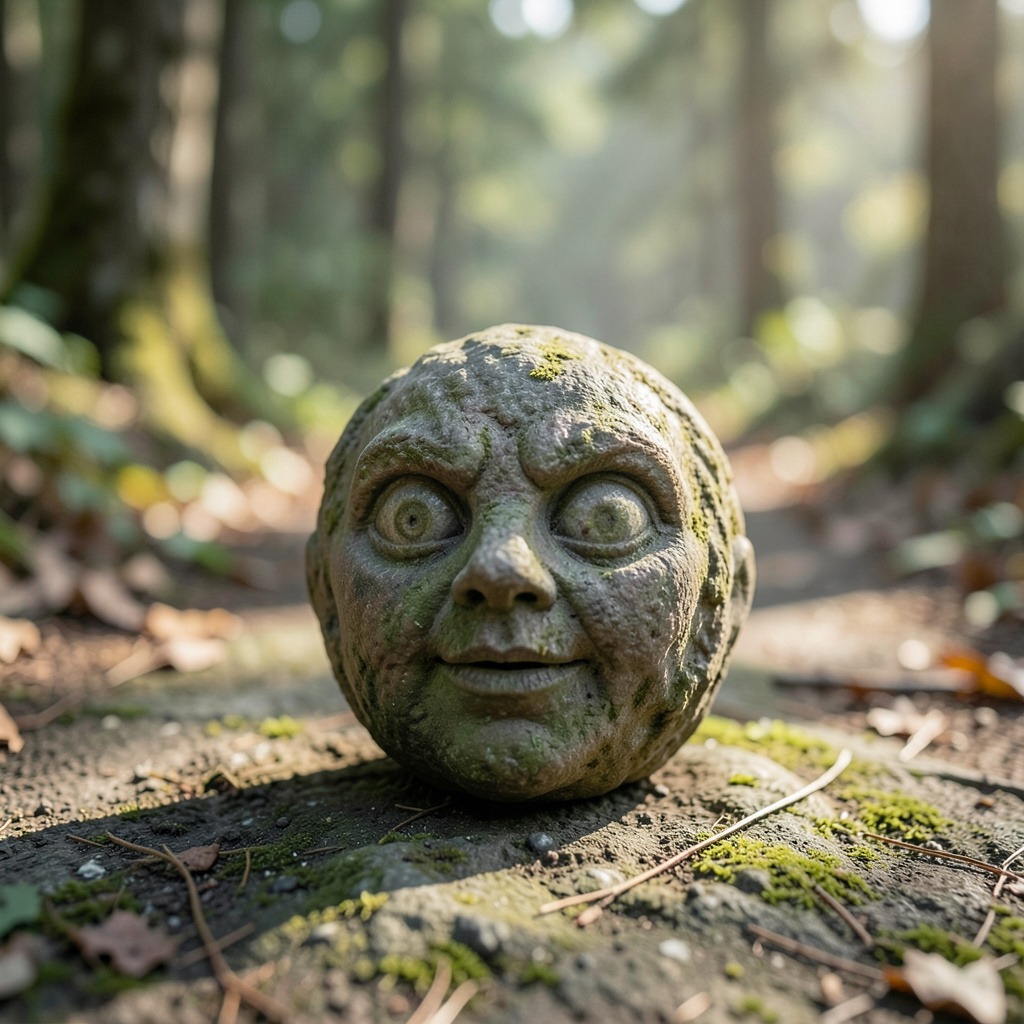
Ancient civilizations had rich traditions surrounding the interpretation of bad omens. These interpretations varied significantly across cultures, influenced by their unique beliefs and practices.
Bad Omens in Mesopotamian Culture
In Mesopotamia, bad omens were often linked to celestial events and natural phenomena. The Babylonians consulted detailed texts known as “omen literature,” which recorded various signs and their meanings.
- Eclipses: An eclipse was typically viewed as a bad omen, signaling potential disaster or the wrath of the gods.
- Earthquakes: These were interpreted as divine discontent and often led to rituals aimed at appeasing deities.
- Animal Behavior: Unusual animal actions, such as a dog howling at night, were seen as forewarning of misfortune.
Greek Interpretations of Omens
The Greeks placed great emphasis on omens as messages from the gods. They relied on augurs, who interpreted signs in nature, particularly birds.
- Vultures: Seeing a vulture on the left side was deemed a bad omen, hinting at death or destruction.
- Thunder and Lightning: These were interpreted as signs from Zeus, with the direction of the lightning indicating the nature of the omen.
- Specific Incidents: In the works of Homer, characters often reflect on omens to guide their decisions, demonstrating their significance in daily life.
Roman Beliefs about Bad Omens
In ancient Rome, omens were taken seriously, especially in matters of state and military decisions. The augurs played a critical role in interpreting these signs.
- Bird Flights: The direction of birds’ flight could determine whether a venture was auspicious or inauspicious.
- Prodigies: Unnatural phenomena, such as strange births or meteor showers, were seen as bad omens needing official interpretation.
- Historical Anecdote: The consul Gaius Flaminius ignored multiple bad omens before his defeat at Lake Trasimene, illustrating the potential consequences of disregarding such signs.
Unique Cultural Insights
Beyond the commonly known interpretations, various lesser-known cultures have their own interpretations of bad omens:
- Japanese Culture: A crow’s cawing can signify bad news, while a snake crossing one’s path may indicate betrayal.
- African Traditions: Certain birds, like the owl, are often considered harbingers of death, prompting caution.
By understanding these historical perspectives, one gains insight into how bad omens influenced societal behaviors and decisions. This framework can help individuals contextualize their own experiences with omens today.
Common Bad Omens: Symbols and Their Meanings

Bad omens manifest in various forms across cultures, often serving as warnings of misfortune or impending negativity. Understanding these symbols can provide insight into cultural beliefs and personal interpretations.
Animal-Based Bad Omens
Animals often symbolize deeper meanings in the context of bad omens. Here are some notable examples:
- Crows: In many cultures, a crow’s appearance is linked to bad news or death. Their black feathers and cawing can evoke feelings of dread.
- Black Cats: Commonly associated with witchcraft in Western cultures, crossing paths with a black cat is thought to bring bad luck.
- Owls: In various traditions, owls represent wisdom, but they can also signify death or misfortune, especially when seen during the daytime.
- Snakes: A snake crossing your path may indicate betrayal or hidden dangers, particularly in African and Asian cultures.
Weather-Related Bad Omens
The natural world often reflects human experiences, and certain weather patterns are interpreted as bad omens. Consider these examples:
- Thunderstorms: Sudden thunderstorms can be perceived as a sign of impending doom, symbolizing chaos and upheaval.
- Rain on a Wedding Day: While some view it as a blessing, others interpret rain on such occasions as an omen of future troubles in the marriage.
- Fog: Thick fog can symbolize confusion or a lack of clarity, warning of potential misfortunes ahead.
Human-Related Bad Omens
Certain behaviors or occurrences among people can also be seen as bad omens. These include:
- Breaking a Mirror: Often viewed as a sign of seven years of bad luck, this superstition is widespread in many cultures.
- Walking Under a Ladder: This act is believed to bring misfortune, possibly stemming from the triangular shape formed by the ladder, which symbolizes the Holy Trinity.
- Spilling Salt: In many cultures, spilling salt is a sign of bad luck. It is often countered by throwing a pinch over one’s left shoulder to ward off negative energy.
Decision Framework for Interpreting Bad Omens
When confronted with a perceived bad omen, consider the following steps:
1. Contextual Analysis: Assess the situation. What were you doing when the omen occurred?
2. Cultural Significance: Identify the cultural background of the omen. Different cultures may interpret the same symbol in varied ways.
3. Personal Reflection: Reflect on your feelings about the omen. Personal beliefs can influence your interpretation.
4. Seek Guidance: Consult trusted sources or individuals who share your cultural background for additional perspectives.
By understanding these symbols and their meanings, individuals can navigate their responses to bad omens with greater clarity and insight.
Cultural Interpretations of Bad Omens: A Global Overview

Different cultures have unique interpretations of bad omens, shaped by historical, social, and spiritual beliefs. Understanding these variations provides deeper insights into how people respond to perceived signs of misfortune.
Western vs. Eastern Interpretations
In Western cultures, bad omens often manifest through specific symbols, such as black cats or broken mirrors. These signs are believed to herald misfortune or bad luck. For example:
- Black Cats: Seen as harbingers of bad luck, particularly if they cross one’s path.
- Broken Mirrors: Thought to bring seven years of bad luck.
Conversely, Eastern cultures may interpret similar symbols differently. In many parts of Asia, the number four is considered unlucky due to its phonetic similarity to the word for “death.” Here, the focus is on numbers and their meanings rather than animal symbols.
Indigenous Perspectives on Bad Omens
Indigenous cultures often view bad omens through a spiritual lens. These societies may interpret events in nature—like unusual animal behavior or sudden weather changes—as signs from ancestors or spirits. For instance:
- Animal Behavior: A sudden flock of birds changing direction might indicate an upcoming disaster.
- Natural Events: Earthquakes or droughts can be seen as omens of displeasure from the earth itself.
These interpretations are deeply rooted in the community’s relationship with nature, emphasizing harmony and respect for the environment.
Modern Views in a Globalized World
Globalization has facilitated the blending of traditional and modern beliefs regarding bad omens. As cultures interact, interpretations evolve. People may adopt symbols from different cultures while maintaining their original meanings.
Example of Adaptation:
- A person in a Western context might now view the number 13 as unlucky but also incorporate the Eastern belief that being cautious around the number four is prudent.
Decision Framework for Interpreting Bad Omens
When encountering a perceived bad omen, consider the following decision framework:
1. Cultural Context: Identify the cultural background of the omen.
2. Personal Beliefs: Reflect on how your beliefs influence your interpretation.
3. Symbol Analysis: Evaluate the specific symbol and its historical significance.
4. Community Insight: Consult community members for their perspectives.
By using this framework, individuals can navigate their responses more effectively, aligning their interpretations with cultural and personal understandings.
Psychological Perspectives on Belief in Bad Omens
Understanding the psychological factors behind belief in bad omens reveals how cognitive biases and social influences shape our interpretations. These elements help explain why such beliefs persist across cultures.
Cognitive Biases Affecting Belief
Cognitive biases significantly impact how individuals perceive and react to bad omens. Here are key biases at play:
- Confirmation Bias: People tend to notice events that align with their beliefs. If someone believes that a black cat crossing their path is a bad omen, they will remember instances when it coincided with negative events while ignoring positive outcomes.
- Availability Heuristic: This bias leads individuals to judge the likelihood of events based on recent experiences. If an individual hears about a misfortune following a specific omen, they may generalize that omen as inherently bad.
- Negativity Bias: Humans naturally focus more on negative experiences than positive ones. This inclination can amplify the significance of bad omens and reinforce superstitions.
Social Influences on Superstition
Social context also plays a crucial role in shaping beliefs about bad omens.
- Cultural Reinforcement: Many cultures embed bad omens into their folklore and traditions. This can create a collective consciousness that reinforces fear or caution around certain symbols.
- Peer Influence: Individuals may adopt beliefs about bad omens from friends or family. If a respected figure expresses fear about a specific omen, others may feel compelled to align their beliefs with that perspective.
- Rituals and Community Practices: Engaging in community rituals to counteract bad omens can strengthen belief. These practices provide social support and validation, making the corresponding fears more entrenched.
Fear and Anxiety in Relation to Omens
Fear and anxiety often drive the adherence to superstitions about bad omens.
- Psychological Security: Bad omens can serve as a way for individuals to make sense of uncertainty. By attributing misfortune to specific omens, people may feel a sense of control over unpredictable life events.
- Emotional Responses: The anticipation of a bad omen can trigger anxiety. This emotional response can, paradoxically, heighten the belief in the omen’s power. For example, someone who consistently fears bad luck from a broken mirror may become overly cautious in their daily life, reinforcing the belief in its significance.
Practical Decision Framework for Bad Omens
When faced with a perceived bad omen, consider the following decision framework:
1. Identify Cognitive Biases: Recognize any biases influencing your interpretation.
2. Evaluate Social Context: Reflect on how cultural beliefs and peer influences shape your understanding.
3. Assess Emotional Reactions: Acknowledge your feelings and how they may affect your belief in the omen.
By applying this framework, individuals can gain clarity in their responses to bad omens, allowing for more rational interpretations.
How to Interpret Bad Omens: A Practical Guide
Interpreting bad omens requires a thoughtful approach. Understanding the context and your personal response can provide clarity and reduce anxiety. Here are some strategies to help you navigate these symbols.
Assessing the Context of the Omen
1. Cultural Significance: Recognize that the meaning of a bad omen can vary across cultures. For instance, in some societies, a black cat crossing your path signifies misfortune, while in others, it may represent protection or good luck.
2. Situational Awareness: Consider the circumstances surrounding the omen. For example, if a bird flies into your window, evaluate your current life situation. Are you facing challenges? This context can shape your interpretation.
3. Personal Beliefs: Reflect on your own beliefs and experiences. If you’ve previously encountered a specific omen with negative outcomes, it may carry more weight for you than for others.
Common Responses to Bad Omens
When faced with a bad omen, individuals often react in various ways. Here are common responses:
- Caution: Many choose to be more careful in their actions. For example, if you spill salt—a common bad omen—some may throw a pinch over their left shoulder to ward off misfortune.
- Seeking Reassurance: Discussing the omen with friends or family can provide support and alternative perspectives. Sharing personal anecdotes can also alleviate fears.
- Cultural Rituals: Engage in cultural practices that address bad omens. For instance, in some cultures, carrying protective talismans or performing cleansing rituals can mitigate perceived negative effects.
Seeking Guidance from Cultural Practices
Different cultures offer various strategies to handle bad omens. Consider these examples:
- Native American Traditions: Some tribes believe in the power of dreams and omens. They interpret signs as messages from the spirit world and often seek guidance from elders.
- Chinese Superstitions: In Chinese culture, certain numbers are considered unlucky. For example, the number four is often avoided. Understanding these nuances can help you navigate decisions influenced by omens.
- Meditative Practices: Many cultures incorporate meditation or reflection to deal with bad omens. This approach encourages individuals to connect with their inner selves, allowing for a more rational perspective.
Practical Checklist for Interpreting Bad Omens
Use this checklist to guide your interpretation and response to bad omens:
- Identify the omen: What symbol or sign are you facing?
- Research its meanings: Look into cultural interpretations.
- Consider your emotional state: Are you feeling anxious or fearful?
- Evaluate the context: What factors surround the omen?
- Choose a response: Will you take precautions, seek reassurance, or perform a cultural ritual?
By applying these strategies, you can approach bad omens with a sense of empowerment and clarity.
Common Misconceptions About Bad Omens
Misunderstandings about bad omens can lead to unnecessary fear and anxiety. By clarifying these misconceptions, individuals can approach omens with a more balanced perspective.
Are All Omens Bad?
One prevalent misconception is that all omens are negative. In reality, omens can have varied meanings depending on cultural context. For instance, in some cultures, seeing a black cat is considered a bad omen, while in others, it is seen as a sign of protection and good fortune. Understanding the cultural background is essential for accurate interpretation.
The Role of Interpretation in Superstitions
Another common belief is that bad omens are universally accepted as indicators of misfortune. However, interpretation plays a crucial role. Personal beliefs, cultural background, and emotional state influence how one perceives an omen. For example, if someone is predisposed to anxiety, they may interpret a common omen, like a broken mirror, as a harbinger of doom. In contrast, a more rational perspective may view it as merely an accident with no significant implications.
Cultural Variability in Omens
Different cultures assign unique meanings to specific omens. Here are a few examples:
- Owl Sightings: In many cultures, seeing an owl signifies wisdom. However, in others, it may represent impending death.
- Crows: Often viewed as bad omens in Western cultures, crows are revered as symbols of transformation in some Indigenous cultures.
- Weather Patterns: A sudden storm may be interpreted as a bad omen in some traditions, while in others, it is seen as a cleansing force.
Understanding these cultural nuances is vital for accurate interpretation.
Decision Framework for Interpreting Bad Omens
When faced with a perceived bad omen, consider this checklist to guide your response:
- Identify the omen: What is the specific symbol or sign?
- Research its meanings: Look into cultural interpretations and historical significance.
- Reflect on your emotional state: Are emotional biases influencing your perception?
- Evaluate the context: What surrounding factors might provide additional insight?
- Choose a response: Will you act upon it, seek reassurance, or let it pass without concern?
By applying this framework, you can navigate the complexities of bad omens with clarity and confidence.
Alternatives to Traditional Interpretations of Bad Omens
Many modern interpretations challenge traditional views of bad omens. These perspectives often incorporate scientific insights and psychological factors that influence beliefs about omens.
Scientific Explanations for Superstitions
Research indicates that superstitions, including beliefs in bad omens, may stem from cognitive biases. For example, confirmation bias leads individuals to notice and remember events that confirm their beliefs while ignoring contradictory evidence. This can create a cycle of fear surrounding specific symbols.
A study in behavioral psychology highlights how people often attribute negative outcomes to omens due to a natural inclination to seek patterns. This pattern recognition can trigger feelings of anxiety, reinforcing the belief that certain signs predict misfortune.
Psychological Alternatives to Omen Beliefs
Cognitive behavioral therapy (CBT) offers tools to reframe thoughts about bad omens. By challenging irrational beliefs, individuals can reduce anxiety associated with these symbols. Here are some strategies:
- Identify Triggers: Recognize what specific omens trigger negative thoughts.
- Challenge Beliefs: Ask yourself: “Is there real evidence linking this omen to a negative outcome?”
- Reframe Thinking: Shift focus from fear to opportunity. For instance, seeing a black cat could prompt a reminder to stay alert rather than instilling fear.
Cultural Adaptations in Modern Society
In contemporary culture, interpretations of bad omens are often more fluid. For example, some communities view a broken mirror not merely as a sign of bad luck but as an invitation to embrace change. This reflects a broader acceptance of personal agency over fate.
Here are some modern interpretations of common bad omens:
| Bad Omen | Traditional Meaning | Modern Interpretation |
|---|---|---|
| Black Cat | Bad luck | A symbol of independence and mystery |
| Broken Mirror | Seven years of bad luck | A chance for transformation |
| Crow | Sign of death or misfortune | A reminder to reflect on life changes |
By understanding these alternative perspectives, individuals can navigate their fears surrounding bad omens with greater insight and resilience.
Notable Bad Omens in Popular Culture
Bad omens feature prominently in literature, film, and music, serving as powerful symbols of foreboding and misfortune. These cultural representations reflect societal fears and beliefs, shaping how we interpret signs of impending doom.
Literature: Bad Omens in Fiction
In literature, bad omens often drive the plot or signal critical turning points. For example:
- Shakespeare’s “Julius Caesar”: The soothsayer warns Caesar to “beware the Ides of March,” a clear bad omen that foreshadows his assassination.
- Stephen King’s “The Stand”: The appearance of a black dog symbolizes death and despair, enhancing the novel’s apocalyptic themes.
These literary devices deepen our understanding of the characters’ fates and societal beliefs.
Film and Television: Omens on Screen
Films and television shows use bad omens to create suspense and foreshadow tragic events. Notable examples include:
- “The Omen”: The film’s title character, Damien, is surrounded by ominous signs that indicate his sinister nature. The use of crows and stormy weather amplifies the sense of dread.
- “The Sixth Sense”: The protagonist experiences various signs, such as flickering lights and eerie encounters, which signify the presence of spirits and impending danger.
These visual cues enhance the audience’s emotional experience, reinforcing the idea that omens can predict dire outcomes.
Music and Bad Omens
Songs often incorporate bad omens to express themes of heartbreak and loss. Examples include:
- “Black Cat” by Janet Jackson: The lyrics reference the superstitions surrounding black cats as symbols of bad luck and tragedy.
- “Bad Moon Rising” by Creedence Clearwater Revival: This song warns of impending disaster, using the moon as a metaphorical bad omen.
In music, these symbols resonate with listeners, connecting personal experiences to broader cultural narratives about misfortune.
Decision Framework for Interpreting Bad Omens
When encountering a potential bad omen, consider the following steps:
1. Context: Assess the situation surrounding the omen. Cultural background can influence interpretation.
2. Personal Response: Reflect on how the omen resonates with your own experiences or fears.
3. Seek Advice: Consult trusted sources or individuals familiar with the cultural significance of the omen.
By applying this framework, individuals can navigate their interpretations of bad omens with greater clarity and confidence.
28 Bad Omens Everyone Should Know
Bad omens serve as warnings, signaling potential misfortune or negative events. Across cultures, these signs can take various forms, often steeped in superstition and tradition. Below, we explore 28 specific bad omens and their meanings from different cultural perspectives.
Animal-Based Bad Omens
1. Black Cat: In Western cultures, crossing paths with a black cat is often seen as a sign of bad luck.
2. Owl: Hearing an owl hoot is believed to foretell death or misfortune in many Native American cultures.
3. Crows: A single crow sighting can indicate bad news or impending doom, while two crows together represent a sign of death.
4. Dead Bird: Discovering a dead bird typically signifies bad news or a warning about upcoming troubles.
5. Butterfly: In some cultures, a butterfly entering your home is viewed as a bad omen, suggesting that death may be near.
6. Snake: Encountering a snake in the wild can symbolize betrayal or treachery, particularly in Hindu culture.
7. Spider: Seeing a spider weaving a web can indicate upcoming misfortune, especially if it falls on you.
Weather-Related Bad Omens
8. Thunderstorms: In various cultures, thunderstorms are often viewed as omens of anger from the gods or a sign of impending doom.
9. Rain on a Wedding Day: While some see it as good luck, others interpret rain on their wedding day as a bad omen, suggesting unhappiness in the marriage.
10. Fog: Dense fog can symbolize confusion or uncertainty about the future, often interpreted as a warning to tread carefully.
11. Winds of Change: Strong, gusty winds can signify a significant upheaval or a negative shift in personal circumstances.
Cultural Specific Omens
12. Chopsticks: In Chinese culture, sticking chopsticks upright in rice is considered a bad omen, associated with funerals.
13. Number 13: In many Western cultures, the number 13 is deemed unlucky, often avoided in buildings and event planning.
14. Mirror Breaking: Breaking a mirror is often seen as a sign of seven years of bad luck in various cultures.
15. Salt Spilling: Spilling salt is interpreted as an omen of bad luck, often countered by tossing a pinch over the left shoulder.
16. Itchy Palms: An itchy right palm is said to signify money coming in, while an itchy left palm indicates financial loss or misfortune.
17. Sweeping Feet: In some African cultures, sweeping someone’s feet with a broom is viewed as a bad omen, suggesting they will remain single forever.
18. Horseshoe Orientation: A horseshoe hung upside down is considered a bad omen, as it is believed to let luck escape.
19. Opening an Umbrella Indoors: This action is thought to bring misfortune in many cultures, often associated with inviting bad spirits.
20. Falling Leaves: If leaves fall from a tree unexpectedly, it is sometimes interpreted as a bad omen for health or fortune.
21. Insect Biting: In some traditions, being bitten by an insect signals a warning about negative influences in one’s life.
Lesser-Known Bad Omens
22. Spilling Wine: In certain cultures, spilling wine can indicate future sorrow or loss.
23. Hearing a Bell Ring: Some believe that hearing a bell ring when no one is around signifies an impending death.
24. A Toad Crossing Your Path: In some cultures, this is interpreted as a sign of bad luck or misfortune on the horizon.
25. A Shattered Flower Pot: Breaking a flower pot is often seen as an omen that someone close may fall ill or face misfortune.
26. Seeing a Funeral Procession: Observing a funeral can be interpreted as a bad omen, signaling that death may soon touch your own life.
27. Clocks Stopping: A clock stopping at a specific time can foretell an important message related to death or loss.
28. Horses Kicking: If a horse kicks you, it may be viewed as an omen of impending trouble or bad luck.
Decision Framework for Interpreting Bad Omens
When faced with a bad omen, consider these guidelines:
- Cultural Context: Understand the cultural background surrounding the omen.
- Personal Significance: Reflect on your own feelings and experiences related to the omen.
- Seek Insight: Consult knowledgeable individuals about the omen’s meaning.
By recognizing these bad omens and their interpretations, you can navigate the complexities of cultural beliefs and superstitions more effectively.
Responding to Bad Omens: Cultural Practices and Remedies
Cultural practices and remedies to counteract bad omens vary widely across the globe. These rituals often reflect deep-seated beliefs and traditions that aim to mitigate fear and prevent misfortune.
Traditional Remedies for Bad Omens
Many cultures employ specific remedies to address perceived bad omens. Here are some notable examples:
- Salt: Commonly used in various cultures, salt is believed to absorb negative energy. People often sprinkle salt around their home or carry it as a protective charm.
- Cleansing with Water: In some traditions, water is used in purification rituals. For example, in Hindu culture, bathing in sacred rivers is thought to wash away bad luck.
- Amulets and Talismans: Numerous cultures create and wear amulets to ward off bad omens. An example is the “evil eye” talisman in Mediterranean cultures, which protects against envious gazes.
Cleansing Rituals in Various Cultures
Cleansing rituals play a crucial role in many traditions. They often involve symbolic acts designed to dispel negativity associated with bad omens:
- Smudging: Indigenous cultures in North America practice smudging, where sage or other herbs are burned to cleanse spaces and individuals of negative energy.
- Incense Burning: In many Asian cultures, burning incense during rituals is believed to purify the environment and attract positive energies.
- Ritual Offerings: In some African traditions, offerings are made to ancestral spirits to seek protection against bad omens. This may include food, flowers, or other tokens of respect.
Modern Practices to Mitigate Fear
In today’s world, many people adapt ancient practices to align with contemporary beliefs. Here are some modern approaches:
- Mindfulness and Meditation: Practicing mindfulness can help individuals manage anxiety related to bad omens. Meditation encourages a calm mindset and fosters resilience against negative thoughts.
- Positive Affirmations: Using affirmations can counteract the fear associated with bad omens. Phrases like “I am protected” reinforce a positive outlook.
- Community Support: Engaging in discussions within community groups can help individuals process their experiences and fears regarding omens. Shared stories often provide comfort and alternative perspectives.
Checklist for Responding to Bad Omens
When confronted with a bad omen, consider the following checklist:
- Identify the Omen: Recognize what the omen is and its cultural significance.
- Assess Your Feelings: Reflect on your personal emotions related to the omen.
- Choose a Remedy: Select a traditional or modern remedy that resonates with you.
- Seek Guidance: Consult trusted individuals or cultural experts for additional insights.
- Document the Experience: Keep a record of the omen and how you responded. This can help in future interpretations and understanding.
By employing these diverse cultural practices and remedies, individuals can navigate the complexities of bad omens with greater confidence and awareness.
The Role of Bad Omens in Decision Making
Beliefs in bad omens profoundly influence how individuals make decisions in their daily lives. These omens can shape perceptions and drive actions based on cultural significance and personal beliefs.
Influence on Personal Choices
Individuals often interpret bad omens as warnings. These interpretations can lead to significant changes in personal decisions. For example, if someone sees a black cat crossing their path, they may choose to delay an important meeting or avoid travel. The belief in the omen’s power shapes their actions, reflecting a desire to mitigate perceived risks.
Decision Framework for Interpreting Bad Omens
1. Identify the Omen: Recognize the omen and its cultural context.
2. Evaluate Emotional Response: Assess how the omen affects your feelings.
3. Consider Alternatives: Reflect on other options available to you.
4. Seek Cultural Insights: Consult cultural beliefs or guidelines.
5. Document Outcomes: Keep track of how decisions influenced by omens turn out.
Omens in Business Decisions
In the business realm, bad omens can significantly impact decision-making processes. Entrepreneurs may avoid launching ventures if they perceive an ominous sign. For instance, a CEO might postpone a product launch if they experience a negative omen, such as an unexpected delay or malfunction. This reflects a broader belief that omens can signal future misfortune.
Cultural Impacts on Decision Making
Cultural interpretations of bad omens vary widely. In some cultures, certain events, such as a bird flying into a home, are seen as harbingers of misfortune. In contrast, other societies may dismiss these omens entirely. This cultural lens shapes how individuals approach decisions.
- Example from Different Cultures:
- Western Culture: Breaking a mirror signifies seven years of bad luck, prompting caution in personal endeavors.
- Chinese Culture: The number four is associated with death, leading to avoidance in significant life decisions.
Understanding these cultural nuances can aid individuals in navigating their choices more effectively.
Analyzing the Impact of Bad Omens on Society
Beliefs in bad omens significantly influence societal norms and behaviors. These beliefs shape cultural identities and community dynamics. Understanding their impact can reveal how individuals navigate their environments.
Cultural Cohesion through Shared Beliefs
Bad omens often unify communities through shared fears and practices. When a society collectively believes in certain omens, it reinforces social cohesion. For example, in many cultures, the sight of a black cat is seen as a bad omen. This common belief can lead to collective behaviors, such as avoiding specific paths or actions.
1. Example: The “Evil Eye”
In Mediterranean cultures, the concept of the “evil eye” signifies jealousy and bad luck. Communities may participate in rituals to ward off this negative influence, fostering a sense of togetherness.
2. Shared Rituals
Societies often develop rituals to counteract perceived bad omens. These can include protective charms or specific actions, such as spitting three times after mentioning a bad omen, which reinforces group identity.
The Role of Fear in Social Behavior
Fear stemming from bad omens can dictate social behaviors and choices. This fear shapes how individuals react to specific situations, often leading to caution or avoidance.
- Decision-Making Framework
Individuals may adopt a decision-making framework influenced by bad omen beliefs:
- Identify the Omen: Recognize signs considered negative in their culture.
- Assess the Situation: Determine the context and potential implications.
- Actions to Mitigate: Engage in rituals or avoid certain actions to counteract the omen’s effects.
Challenges to Traditional Beliefs
While traditional beliefs in bad omens persist, modern perspectives challenge these views. Scientific explanations often debunk the superstitions surrounding bad omens.
- Example: The “Number 13”
Many cultures view the number 13 as unlucky, leading to avoidance in important decisions like weddings or business openings. However, some modern interpretations frame this superstition as irrational.
- Sociological Insights
Studies suggest that adherence to bad omen beliefs can create psychological stress. This stress may lead to anxiety and hinder decision-making. Understanding this dynamic is crucial for individuals navigating cultural beliefs while maintaining mental well-being.
By analyzing the societal implications of bad omens, we can better understand their role in shaping individual behaviors and community dynamics.
Future Trends: Bad Omens in a Modern Context
As society advances, the interpretation of bad omens is shifting. Technology, globalization, and evolving cultural beliefs are reshaping how individuals perceive and respond to these symbols of misfortune.
Shifts in Cultural Beliefs
Modern culture increasingly questions traditional superstitions. Individuals are more likely to view bad omens through a rational lens. For example, a broken mirror, once thought to signify seven years of bad luck, is often dismissed as mere coincidence. This shift reflects a broader trend toward critical thinking and skepticism.
- Rationalization: Many now seek logical explanations for events previously deemed ominous.
- Cultural Diversity: Exposure to various cultural beliefs fosters a more nuanced understanding of omens, leading to a mix of interpretations.
The Influence of Technology on Superstitions
Technology plays a crucial role in how people engage with omens. Social media and online platforms amplify discussions around superstitions. This visibility allows for rapid dissemination of information, leading to new interpretations.
- Viral Omens: Certain symbols may trend online, influencing collective beliefs. For instance, the sudden popularity of the “black cat crossing your path” meme reflects a modern twist on an age-old superstition.
- Digital Communities: Online forums provide spaces for sharing personal experiences with bad omens, creating a sense of community and validation.
Emerging Trends in Omens
New trends in bad omens are emerging, influenced by contemporary issues and societal changes. People are increasingly interested in understanding how omens intersect with personal well-being.
- Mindfulness Practices: Some individuals incorporate bad omens into mindfulness practices, interpreting them as signals to reflect on their lives. For example, seeing a crow might prompt someone to consider their current emotional state rather than viewing it solely as a negative sign.
- Personal Decision Framework: When interpreting a bad omen, consider these steps:
1. Identify the Omen: What symbol or event occurred?
2. Contextualize: Reflect on personal circumstances surrounding the omen.
3. Decide Response: Choose whether to act on the omen or dismiss it as coincidence.
Through these evolving perspectives, the meaning of bad omens continues to adapt, reflecting the complexities of modern life.
Conclusion: The Enduring Fascination with Bad Omens
The significance of bad omens permeates various cultures, influencing human behavior and beliefs throughout history. These symbols serve as reminders of the unknown, prompting reflection and caution in daily life.
The Human Connection to Omens
Bad omens evoke strong emotional responses. They often connect deeply with personal experiences, shaping how individuals interpret events. For example, a broken mirror may symbolize misfortune in many cultures, leading to increased anxiety or precautionary actions. People may alter their plans or decisions based on these interpretations, illustrating the psychological impact of omens on behavior.
Cultural Legacy of Bad Omens
Across societies, bad omens often reflect shared beliefs and fears. They can signify divine messages or warnings from ancestors. In ancient Rome, for instance, the appearance of a black cat was thought to foreshadow death or disaster. Similarly, in many Asian cultures, the number four is considered unlucky, often omitted in buildings and addresses.
Here are some common bad omens and their meanings:
- Black Cats: Associated with witchcraft and bad luck in Western cultures.
- Crows: Seen as harbingers of death or misfortune in various traditions.
- Broken Mirrors: Believed to bring seven years of bad luck in many regions.
Reflection on Modern Beliefs
Despite advancements in science and rational thought, bad omens still resonate today. Many people continue to observe omens, integrating them into their decision-making processes. This reflects a persistent need to find meaning in uncertainty.
To navigate the complexities of bad omens, consider these guidelines:
1. Recognize the Omen: Identify what symbol or event occurred.
2. Context Matters: Reflect on your current situation and emotions.
3. Choose Your Response: Decide whether to heed the omen or regard it as coincidence.
By understanding the cultural interpretations of bad omens, individuals can better navigate their significance and the emotions they evoke. These symbols, while often viewed negatively, can also prompt introspection and growth.
Frequently Asked Questions
These quick answers cover the most common questions about this topic, including key details, practical tips, and common concerns.
What are examples of bad omen?
Examples of bad omens include:
- Black Cats: In Western cultures, a black cat crossing your path is often seen as a sign of bad luck.
- Breaking a Mirror: This is commonly believed to bring seven years of misfortune.
- Crows: A single crow sighting can indicate bad news or impending doom in various traditions.
- Spilling Salt: This act is viewed as a bad omen, often countered by tossing a pinch over your left shoulder.
How to remove bad omen?
To counteract a bad omen, consider these remedies:
- Salt: Sprinkle salt around your home to absorb negative energy.
- Cleansing Rituals: Engage in rituals like smudging with sage or burning incense to purify your space.
- Protective Talismans: Carry or wear amulets believed to ward off bad luck, such as the “evil eye” charm.
Is an omen a warning?
Yes, an omen serves as a warning of potential misfortune or negative events. It is often interpreted based on cultural beliefs and personal experiences. For example, seeing a crow may prompt someone to be cautious about upcoming decisions or actions.
What is another word for bad omen?
Another term for a bad omen is “malefic sign.” Other related phrases include “ill omen” or “negative portent.” These terms all convey the idea of a sign predicting misfortune or negative outcomes.
How do different cultures interpret bad omens?
Cultural interpretations of bad omens vary widely:
- Western Cultures: Often associate black cats and broken mirrors with bad luck.
- Eastern Cultures: The number four is considered unlucky in many Asian societies due to its phonetic similarity to the word for “death.”
- Indigenous Cultures: Signs from nature, such as unusual animal behavior, may be seen as messages from ancestors or spirits.
What should I do if I encounter a bad omen?
If you encounter a bad omen, consider the following steps:
1. Assess Your Feelings: Reflect on how the omen affects you emotionally.
2. Research Its Meaning: Look into cultural interpretations to understand its significance.
3. Choose a Response: Decide whether to take precautions, perform a remedy, or dismiss it as coincidence.
Are bad omens always negative?
Not necessarily. While bad omens typically signify misfortune, their interpretation can vary. In some cultures, an omen may prompt reflection or serve as a warning to change one’s actions for the better. This duality highlights the importance of context and personal beliefs in interpreting omens.