
The superstition surrounding babies putting their feet in their mouths varies by culture, but it often reflects curiosity and developmental exploration rather than any inherent meaning or health concern.
Babies often put their feet in their mouths as a natural part of exploration and sensory learning. While some cultures attribute superstitions to this behavior, it primarily signifies curiosity and developing motor skills during early childhood.

Understanding Baby Behavior: The Basics of Foot in Mouth
Babies exhibit a range of behaviors as they explore their world. One common action is putting their feet in their mouths, which reflects natural curiosity and developmental milestones.
Natural Curiosity and Exploration
Babies are naturally curious. They use their mouths to explore various objects, including their feet. This behavior serves several purposes:
- Sensory Exploration: The mouth is a primary sensory organ for babies. It helps them understand texture, taste, and shape.
- Motor Skills Development: Reaching for their feet and bringing them to their mouths enhances coordination and flexibility.
- Self-Soothing: Sucking on their feet can calm babies, similar to thumb-sucking.
For example, a six-month-old may easily grasp their feet, demonstrating improvement in motor skills. This action is not only normal but also essential for their growth.
Developmental Milestones Related to Feet
Babies typically reach certain developmental milestones in a predictable sequence. Here’s how foot-in-mouth behavior fits into that:
1. 3 to 6 Months: Babies develop increased flexibility and coordination. They begin to reach for their toes and feet.
Table of Contents
2. 6 to 9 Months: Most babies can sit up independently and explore their bodies more freely, often putting feet in their mouths.
3. 9 to 12 Months: As motor skills advance, babies refine their movements, leading to new exploratory behaviors.
Understanding these stages can help parents recognize that foot-in-mouth actions are part of healthy development rather than a cause for concern.
Sensory Learning Through Mouth Exploration
Mouthing is a crucial aspect of infant learning. Babies learn about their environment through taste and texture. This exploration offers several benefits:
- Cognitive Development: Engaging with their feet helps babies connect sensory experiences with their understanding of body parts.
- Physical Development: Repeated actions strengthen muscles and improve dexterity.
- Safety Caution: While mouthing is normal, parents should ensure that surfaces and objects are clean to prevent infections.
Parents can encourage healthy exploration by providing safe, clean toys that promote similar behaviors. This reinforces the idea that exploration is not only natural but also beneficial.
Cultural Superstitions: What Do They Mean?

Various cultures interpret the act of a baby putting their foot in their mouth through unique superstitions. These beliefs often reflect societal norms and parenting practices, adding layers of meaning to a seemingly innocuous behavior.
Common Superstitions from Around the World
Many cultures view a baby putting their foot in their mouth as a sign of curiosity or a connection to the spiritual realm. Here are some common interpretations:
- Bulgaria: Some believe that when a baby puts their foot in their mouth, it wards off evil spirits. Parents may intentionally insult the child to protect them from jealousy and harm.
- India: In certain communities, this behavior is seen as a sign of a highly intelligent child, suggesting that they are destined for greatness.
- West Africa: Some cultures interpret this act as an indication of a child’s ability to navigate life’s challenges, symbolizing resilience and adaptability.
Myths Debunked: What Science Says
While these superstitions may hold cultural significance, scientific understanding offers a different perspective. Experts indicate that:
- Normal Behavior: Babies explore their bodies as a natural part of development. This behavior is linked to curiosity and motor skills rather than any metaphysical implications.
- Developmental Insight: Pediatricians assert that this action helps strengthen muscles and improve coordination. It is a normal phase of exploration, not a cause for concern.
Regional Variations in Beliefs
Superstitions vary widely across regions, highlighting diverse cultural values. Here’s a brief overview of how different cultures interpret this behavior:
| Region | Belief |
|---|---|
| Bulgaria | Insults protect against evil spirits. |
| India | Sign of intelligence and future success. |
| West Africa | Indicates resilience and adaptability. |
| Japan | Seen as a playful exploration of self, encouraging self-awareness. |
Understanding these cultural beliefs helps contextualize the behavior of babies putting their feet in their mouths. Parents can navigate these interpretations while focusing on healthy developmental practices.
The Role of Development: When Do Babies Start This Behavior?
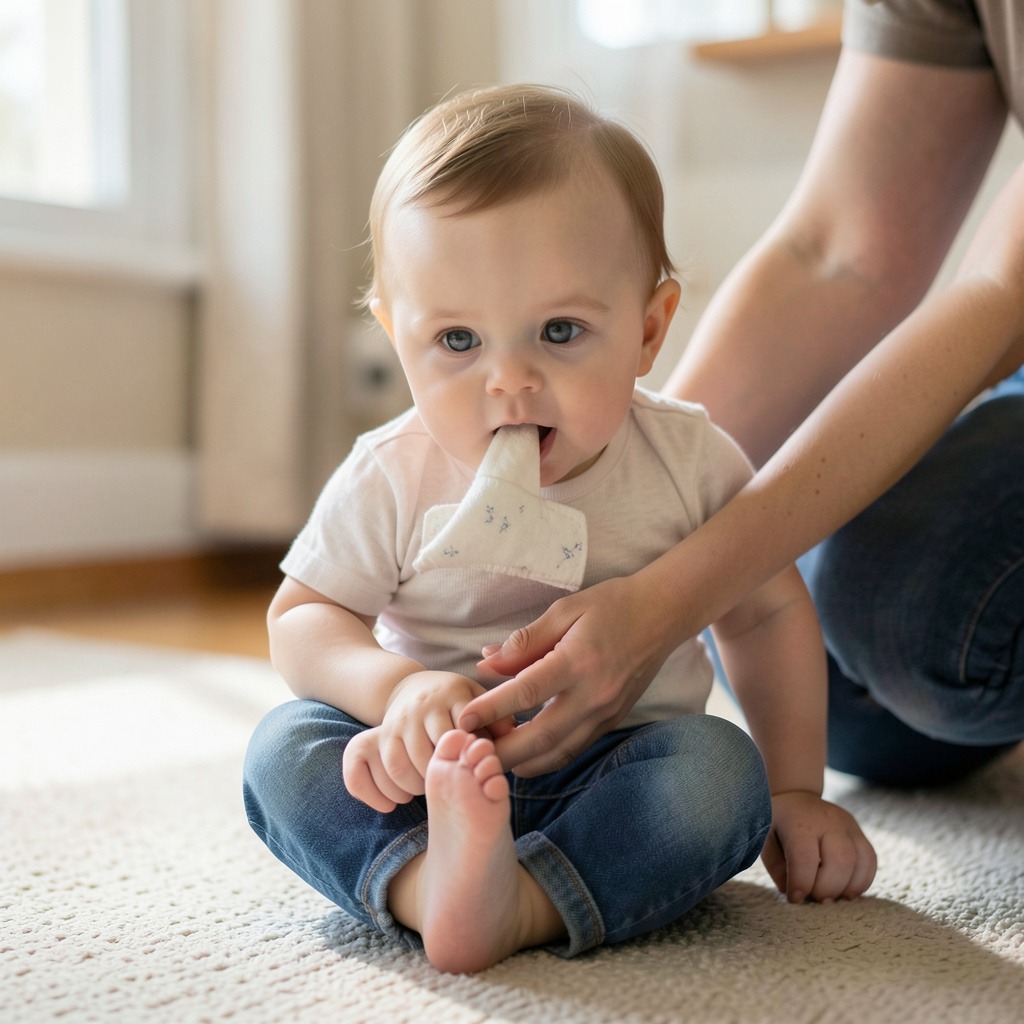
Babies typically begin putting their feet in their mouths between four to six months of age. This behavior aligns with significant milestones in their motor skill development and curiosity.
Age Milestones for Foot Discovery
Understanding the timeline of this behavior helps parents better contextualize it. Here’s a brief overview of key age milestones related to foot discovery:
| Age Range | Developmental Milestone |
|---|---|
| 3-4 months | Babies gain control over their hands, allowing them to explore their bodies. |
| 4-6 months | Babies discover their feet and begin to grasp them, often leading to foot-in-mouth behavior. |
| 6-9 months | Increased flexibility and motor skills enable more complex actions, like pulling feet towards the mouth. |
During these months, babies exhibit heightened curiosity about their bodies. They use their mouths to explore, which is a natural part of their development.
How Motor Skills Influence Foot Behavior
Motor skill development plays a crucial role in how babies interact with their bodies. The following factors contribute to the behavior of putting feet in the mouth:
- Hand-Eye Coordination: As babies improve their coordination, they can more effectively reach for and grasp their feet.
- Flexibility: Babies possess a high degree of flexibility, making it easier to bring their feet to their mouths.
- Sensory Exploration: The mouth is a primary sensory organ for babies. They explore textures and tastes, which includes their own feet.
This behavior is not only typical but also signifies a healthy developmental stage. Babies are learning about their bodies and how they interact with the world around them.
Is It Safe? Addressing Hygiene and Health Concerns

Parents often worry about the hygiene implications of babies putting their feet in their mouths. Understanding the health aspects can help alleviate these concerns.
Common Concerns Parents Have
1. Bacteria and Germs: One major concern is the presence of bacteria on a baby’s feet. Babies often crawl on various surfaces, which can expose their feet to germs.
2. Injury Risk: Another worry is the potential for injury. If a baby has any cuts or scrapes on their feet, putting them in their mouth can lead to infections.
3. Choking Hazard: Parents may fear that the act of sucking on feet could lead to choking, especially if the baby becomes overly excited or fidgety.
Expert Recommendations for Safety
Experts suggest that while babies exploring their feet is a natural behavior, parents can take steps to ensure hygiene:
- Regular Cleaning: Wash your baby’s feet daily, especially if they frequently explore with their mouths. This reduces the risk of transferring dirt or bacteria.
- Monitoring Foot Health: Check for any cuts, redness, or signs of infection on their feet. If any issues arise, consult a pediatrician.
- Creating a Safe Environment: Ensure the surfaces where babies crawl are clean. Using baby-safe cleaning products can help maintain hygiene without harmful chemicals.
- Encouraging Alternative Soothing Behaviors: If concerned about foot-sucking, introduce teething toys or soft cloths. These can provide comfort while reducing direct contact with feet.
Incorporating these practices can help parents feel more secure about their baby’s exploration of this natural behavior while addressing hygiene and health concerns effectively.
Comparisons: Foot Sucking vs. Thumb Sucking
Both putting feet in the mouth and thumb sucking serve as common self-soothing behaviors in babies. Understanding their similarities and differences can help parents navigate these natural developmental stages.
Similarities in Self-Soothing Behaviors
- Comfort and Security: Both behaviors provide comfort. Babies often suck on their thumbs or feet to self-soothe during stressful moments.
- Exploration: Each action allows babies to explore their bodies. This tactile experience helps them learn about themselves and their environment.
- Developmental Milestone: Sucking behaviors typically emerge around similar developmental stages, often during teething or when babies begin to discover their limbs.
Differences in Developmental Implications
| Feature | Foot Sucking | Thumb Sucking |
|---|---|---|
| Accessibility | Less accessible; requires flexibility | Always accessible |
| Motor Skills | Encourages flexibility and balance | Enhances fine motor skills |
| Social Considerations | Less socially noticeable | More socially acceptable and common |
| Potential Impact on Teeth | Minimal impact on dental health | Can affect dental alignment if prolonged |
- Accessibility: Thumb sucking is easier for babies to engage in, as their thumbs are always within reach. In contrast, putting feet in the mouth requires greater flexibility.
- Motor Skills: Foot sucking can foster gross motor skills, while thumb sucking often aids fine motor skill development. This distinction highlights different aspects of physical growth.
- Social Considerations: Thumb sucking may be more socially accepted, while sucking on feet could draw attention. Parents should be mindful of the social context as children grow.
Understanding these behaviors helps parents manage their child’s development effectively. For example, if a baby is frequently sucking on their feet, parents might encourage thumb sucking instead, as it is more socially acceptable and poses fewer hygiene concerns.
Supporting Development: Practical Tips for Parents
Understanding the behavior of babies putting their feet in their mouths can help parents navigate this phase safely. Here are practical strategies to support your baby’s natural curiosity while ensuring hygiene and safety.
Encouraging Safe Exploration
1. Create a Clean Environment: Regularly clean the surfaces where your baby plays. Use safe, non-toxic cleaning products to minimize harmful residues.
2. Monitor Foot Hygiene: Keep your baby’s feet clean. Regularly wash their feet, especially before they explore them with their mouth.
3. Tummy Time: Encourage tummy time to develop motor skills. This activity helps babies strengthen their muscles and may reduce foot-in-mouth behavior by providing other exploration opportunities.
4. Observe Behavior: Watch for signs of discomfort or distress when your baby puts their foot in their mouth. This can help you understand if they are seeking comfort or simply exploring.
Alternatives for Self-Soothing
1. Introduce Soft Toys: Offer soft, safe toys that babies can chew on. This provides a soothing alternative while keeping hands and feet free.
2. Use Pacifiers: If your baby uses a pacifier, it can help satisfy their need for sucking without the hygiene concerns related to feet.
3. Engage with Sensory Activities: Provide textured toys or fabric squares for exploration. Sensory activities can redirect your baby’s curiosity and promote fine motor skills.
4. Create a Routine: Establish a calming bedtime routine. This can help your baby relax and reduce the urge to suck on their feet, especially when tired.
Checklist for Parents
- [ ] Keep baby’s feet clean and monitored.
- [ ] Provide safe alternatives for soothing.
- [ ] Encourage tummy time and diverse exploration.
- [ ] Maintain a clean play environment.
- [ ] Establish a calming routine to aid sleep.
These strategies can support your baby’s development while addressing the behavior of putting feet in their mouths.
Expert Opinions: Pediatric Perspectives on Baby Behavior
Understanding why babies engage in the behavior of putting their feet in their mouths can provide valuable insights into their developmental milestones. Pediatricians emphasize that this action is often rooted in curiosity and self-exploration.
Pediatric Insights on Curiosity and Development
According to pediatric experts, the behavior of putting feet in the mouth typically appears around the age of six months. This marks a significant period in a baby’s motor skill development. At this stage, babies gain better control over their limbs and begin to explore their bodies.
Dr. Emily Johnson, a pediatrician, notes, “This behavior is a natural expression of curiosity. Babies are wired to explore their environment. Their feet are just another part of that exploration.”
Additionally, babies often find comfort in this behavior. The act of sucking or chewing on their feet can serve as a self-soothing mechanism. Pediatricians compare this to thumb-sucking, which many infants also do for comfort.
Recommendations for Parents from Experts
Pediatric experts recommend several strategies for parents to navigate this common behavior:
- Monitor Hygiene: Regularly clean your baby’s feet to prevent any potential health risks.
- Encourage Alternative Soothing: Offer teething toys or safe alternatives for babies to chew on.
- Promote Physical Development: Engage your baby in tummy time to enhance motor skills and overall exploration.
- Be Observant: Notice if this behavior is excessive or if your baby appears uncomfortable during it, and consult a pediatrician if concerns arise.
Dr. Sarah Thompson, another pediatrician, advises, “Understanding these behaviors is key. They are part of developmental milestones. However, parents should always prioritize hygiene and offer safe exploration options.”
By recognizing the natural curiosity behind this behavior, parents can foster a supportive environment that promotes healthy exploration and development.
Common Misconceptions: Debunking Myths About Foot Behavior
Many parents encounter superstitions surrounding a baby putting their foot in their mouth. Understanding these myths can provide clarity and reassurance during a child’s developmental stages.
Myths vs. Reality
1. Myth: Putting Feet in Mouth Indicates a Health Problem.
Reality: This behavior is typical in babies and stems from their natural curiosity. It does not signal a health issue but rather showcases their exploration of their bodies.
2. Myth: This Behavior is a Sign of Autism.
Reality: Fascination with feet is common and does not indicate autism. It is part of the normal developmental process where babies learn about their bodies.
3. Myth: Babies Who Do This Will Have Hygiene Issues.
Reality: While hygiene is important, babies are naturally inclined to explore their environment, including their feet. Parents can manage hygiene by ensuring the baby’s feet are clean and monitoring the behavior.
4. Myth: Only Flexible Babies Put Their Feet in Their Mouths.
Reality: Most babies can reach their feet by around 6 months, regardless of flexibility. This behavior is about discovery, not physical capability.
Understanding Cultural Misinterpretations
Different cultures interpret a baby’s foot behavior in various ways. Here are some notable examples:
- In some cultures, putting feet in the mouth is seen as a sign of intelligence.
The belief is that a curious baby indicates a bright future.
- In other regions, it may be viewed as a bad omen.
Parents may worry that this behavior could bring misfortune or illness.
- Conversely, some cultures celebrate this behavior as a rite of passage.
It symbolizes the baby’s growth and development milestones.
By recognizing these interpretations, parents can better understand the cultural context surrounding their child’s actions.
Practical Tips for Parents
To help navigate this behavior effectively:
- Monitor Hygiene: Regularly wash your baby’s feet to minimize any hygiene concerns.
- Provide Safe Alternatives: Offer safe teething toys that can fulfill the baby’s need to chew and explore.
- Encourage Exploration: Allow your baby to explore their body safely, promoting healthy development.
- Consult Professionals: If any concerns arise about your baby’s development or behavior, consult a pediatrician for guidance.
By debunking these myths and understanding the cultural context, parents can approach this natural behavior with confidence.
The Significance of Foot Behavior in Baby Development
Understanding a baby’s tendency to put their foot in their mouth is crucial for parents. This behavior plays a significant role in sensory and cognitive development. It reflects natural curiosity and exploration, essential components of early childhood growth.
Cognitive Development and Sensory Exploration
Babies engage in foot-in-mouth behavior as a way to explore their environment. This action stimulates their senses, aiding cognitive development. Research indicates that sensory exploration enhances brain connections, facilitating learning. When babies mouth their feet, they are not only discovering textures but also developing fine motor skills.
- Sensory Stimulation: Tactile experiences contribute to sensory integration.
- Curiosity: This behavior demonstrates a baby’s innate drive to explore.
- Motor Skill Development: Reaching for their feet helps improve coordination and flexibility.
The Role of Flexibility in Baby Behavior
Flexibility is a key factor in how babies interact with their bodies. As babies grow, they naturally develop the ability to reach their feet. This physical flexibility is a marker of healthy motor development and indicates that a child is meeting developmental milestones.
- Developmental Milestones: Most babies can reach their feet by six months of age.
- Physical Exploration: Engaging with their feet allows babies to learn about body boundaries and movement.
- Self-Soothing Mechanism: Foot sucking can serve as a calming behavior, helping babies regulate emotions.
Parents should recognize that this behavior is a normal phase of development. Understanding its significance can help alleviate concerns about cultural superstitions. Rather than viewing this behavior through the lens of superstition, it is more productive to consider its role in healthy sensory and cognitive growth.
Conclusion: Embracing Baby Behavior and Cultural Insights
Understanding why babies put their feet in their mouths requires a blend of developmental knowledge and cultural context. This behavior, while often met with concern, can be viewed through a lens of natural curiosity and exploration.
Why Do Babies Put Their Feet in Their Mouths?
Babies exhibit this behavior as part of their developmental journey. By around six months, they discover their feet and are eager to explore these newfound appendages. This act serves several purposes:
- Curiosity: Babies explore their bodies through tactile experiences.
- Motor Skill Development: Reaching for their feet enhances coordination.
- Self-Soothing: Sucking on their feet can calm them.
Cultural Superstitions Surrounding the Behavior
Various cultures interpret the act of foot-sucking differently. In some regions, it may be seen as a sign of future prosperity or intelligence. In others, it might be viewed negatively, reflecting concerns about hygiene or behavior. Here are a few examples:
- India: Some believe it indicates a child’s intelligence, while others view it as a sign of misfortune.
- Western Cultures: Generally, this behavior is accepted as normal, though some might express concern over hygiene.
Importance of Understanding This Behavior
Parents should approach foot-in-mouth behavior with a balanced perspective. Recognizing it as part of normal development can alleviate worries about cultural superstitions. Here are practical tips for parents:
- Encourage Exploration: Allow babies to explore their bodies safely.
- Maintain Hygiene: Regularly clean their feet to ensure health.
- Observe Comfort Levels: If the behavior seems to cause distress, consult a pediatrician.
By embracing this phase of curiosity, parents can foster a supportive environment for their baby’s sensory and cognitive growth.
Frequently Asked Questions
These quick answers cover the most common questions about this topic, including key details, practical tips, and common concerns.
What does it mean when a baby puts their feet in their mouth?
When a baby puts their feet in their mouth, it typically signifies curiosity and a natural exploration of their body. This behavior is a normal part of development, helping babies learn about textures and sensations. It also aids in developing motor skills as they reach for their feet and brings them closer to their mouths.
Why does my baby keep putting his foot in his mouth?
Babies often put their feet in their mouths as a way to explore and self-soothe. This behavior usually emerges around six months of age, coinciding with increased flexibility and motor skills. It’s a natural way for them to engage with their environment and can provide comfort during stressful moments.
Is it okay for babies to put their foot in their mouth?
Yes, it is generally safe for babies to put their feet in their mouths as long as their feet are clean. This behavior is a normal part of development and helps babies learn about their bodies. However, parents should regularly wash their baby’s feet to minimize any hygiene concerns and monitor for any signs of discomfort.
At what age do babies typically start putting their feet in their mouths?
Babies usually start putting their feet in their mouths between four to six months of age. This behavior aligns with key developmental milestones where they gain better control over their limbs and begin to explore their bodies more actively. By six months, most babies can easily reach their feet.
How can I help my baby if they are constantly sucking on their feet?
If your baby frequently sucks on their feet, consider introducing safe alternatives for self-soothing, such as soft toys or teething rings. Encourage exploration through tummy time and provide a clean environment for play. Regularly wash their feet to maintain hygiene, and observe their comfort levels to ensure they are not distressed.
Why do some cultures view this behavior negatively?
Some cultures may interpret a baby putting their foot in their mouth as a bad omen or a sign of misfortune. These beliefs often stem from traditional views on hygiene or behavior. Understanding these cultural perspectives can help parents navigate concerns while focusing on the developmental aspects of this behavior.
Is it safe for babies to put their feet in their mouth?
While generally safe, parents should ensure their baby’s feet are clean to avoid any health issues. Regular cleaning can help prevent the transfer of germs. If a baby has any cuts or signs of infection on their feet, it’s best to consult a pediatrician for guidance.