
Accidentally biting your lip is often viewed as a sign of suppressed emotions or communication issues, with various superstitions suggesting it indicates that someone is thinking about you or that you should be more mindful in conversations.
Accidental lip biting can seem trivial, but many believe it carries deeper spiritual and superstitious meanings. Understanding these interpretations can enhance self-awareness and mindfulness, offering insights into emotional states and interpersonal dynamics.

Understanding the Spiritual Meaning of Accidentally Biting Your Lip
Accidentally biting your lip can signify deeper emotional and spiritual messages. It often reflects suppressed emotions, communication barriers, and the need for mindfulness in daily life.
The Link Between Lip Biting and Communication
Accidental lip biting is frequently associated with issues of communication. It can indicate:
- Suppressed Speech: Lip biting may signal unexpressed thoughts or feelings. Your body physically restricts your ability to speak freely.
- Self-Censorship: You might be holding back important words or emotions, leading to internal tension.
- Awareness of Surroundings: This action can serve as a reminder to be more attuned to your environment and interactions.
For example, during stressful conversations, you may find yourself biting your lip. This may serve as a subconscious cue indicating discomfort with expressing your true feelings.
Emotional Signals Behind Lip Biting
Understanding the emotional implications of lip biting can facilitate personal growth. Common emotional patterns include:
- Anxiety or Nervousness: You might bite your lip when feeling anxious. This behavior can manifest as a coping mechanism.
- Self-Punishment: Repeated lip biting can reflect feelings of guilt or self-sabotage, urging you to practice self-compassion.
- Boundary Issues: Lip biting may indicate a disruption in personal boundaries. It can be a signal to assess your comfort levels in social situations.
To illustrate, consider someone who bites their lip before speaking in a group setting. This may indicate fear of judgment or the need to protect personal boundaries.
Table of Contents
Mindfulness Practices to Address Lip Biting
Incorporating mindfulness can help you address the triggers associated with lip biting. Here are practical exercises:
- Breathing Techniques: Take deep breaths when you feel the urge to bite your lip. This can help ground you in the moment and reduce anxiety.
- Journaling: Reflect on the emotions you experience when you bite your lip. Writing can clarify your thoughts and feelings.
- Body Awareness: Regularly check in with your body throughout the day. Notice any tension or urges to bite your lip, and consciously relax those muscles.
By practicing mindfulness, you can enhance self-awareness and understand the emotional states that lead to accidental lip biting. This awareness can ultimately foster personal growth and emotional resilience.
Cultural Superstitions Surrounding Lip Biting

Accidentally biting your lip carries various cultural superstitions and interpretations. These beliefs often reflect deeper emotional or spiritual messages tied to communication and relationships.
Global Perspectives on Lip Biting Superstitions
Different cultures have unique interpretations of lip biting. Here are some notable examples:
- Eastern Europe: In many Slavic countries, accidentally biting your lip can signal an impending quarrel. It may also indicate that someone is discussing you in a negative light.
- China: In Chinese folk spirituality, biting your lip suggests that someone in your social circle is gossiping about you. This belief highlights the connection between lip biting and social dynamics.
- Latin America: Within the healing tradition of Curanderismo, biting your lip signifies mal de ojo (evil eye) interference. This superstition suggests that the act may be a sign of negative energy directed towards you.
Specific Meanings Based on Lip Location
The location of the bite can also alter its meaning:
- Upper Lip: Biting the upper lip is often viewed positively. It is associated with romantic feelings and desires. Many believe it indicates someone is thinking about you fondly.
- Lower Lip: Conversely, biting the lower lip may represent emotional tension or anxiety. This may signal that you need to express unspoken feelings or thoughts.
Interpreting Lip Biting in Social Contexts
Understanding the context of accidental lip biting can provide insight into its significance:
- Social Gatherings: In social situations, an accidental bite might suggest nervousness or anticipation. It may be your body’s way of signaling a need for self-expression.
- Personal Reflection: If you frequently bite your lip when stressed, consider journaling your feelings. Reflecting on these moments can help uncover underlying emotions and improve mindfulness.
By recognizing these cultural interpretations, individuals can gain deeper awareness of their experiences with accidental lip biting. Each incident may serve as an opportunity for reflection and personal growth.
Emotional Implications of Accidentally Biting Your Lip

Accidentally biting your lip often serves as a reflection of your emotional state. This seemingly minor action can indicate deeper internal conflicts, anxiety, or the need for self-expression. Recognizing these implications can lead to greater emotional awareness.
Identifying Suppressed Emotions
Accidental lip biting may signal repressed feelings. When you bite your lip, it can be a physical manifestation of:
- Stress: A response to overwhelming situations.
- Anxiety: Worrying about upcoming events or conversations.
- Self-doubt: Concern over how you express yourself.
For example, a student may bite their lip before a presentation, indicating their fear of judgment. This physical cue can prompt reflection on their self-image and communication style.
The Role of Anxiety in Lip Biting
Anxiety often manifests in physical actions, including lip biting. This behavior can suggest:
- Anticipation of Conflict: You may be preparing for difficult conversations.
- Pressure to Perform: Feeling the weight of expectations in social scenarios.
Recognizing this link can help you understand when anxiety is affecting your behavior. If you notice yourself biting your lip frequently, take a moment to assess your feelings and the context.
Strategies for Healthy Emotional Expression
To address the emotions linked to lip biting, consider these practical strategies:
1. Mindful Breathing: When you feel the urge to bite your lip, pause and take deep breaths. This helps you reconnect with your emotions.
2. Journaling: Write about situations where you bit your lip. Explore the feelings behind those moments.
3. Expressive Outlets: Engage in activities like art or dance to release pent-up emotions without judgment.
By integrating these practices into your daily routine, you can foster a healthier relationship with your emotions and reduce the tendency to bite your lip as a coping mechanism. These strategies not only encourage emotional awareness but also promote overall well-being.
Practical Tips for Mindfulness When Biting Your Lip
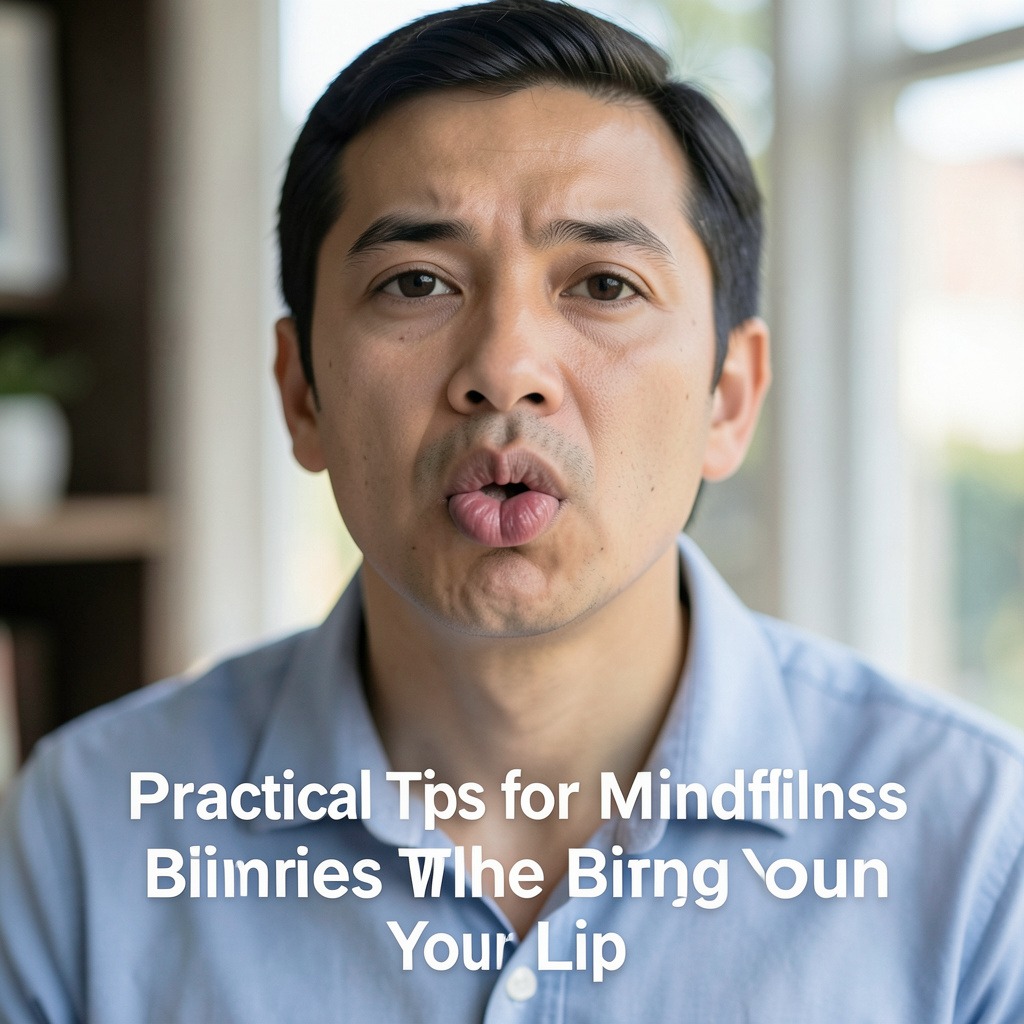
Accidentally biting your lip can serve as a powerful reminder to cultivate mindfulness and enhance your communication skills. By recognizing the emotional triggers behind this action, you can reduce its frequency and gain deeper insights into your interactions.
Mindfulness Techniques to Prevent Lip Biting
1. Pause and Breathe: When you feel the urge to bite your lip, take a moment to breathe deeply. This simple act of pausing allows you to reconnect with your emotions and assess the situation.
2. Body Awareness: Tune into your body. Notice any tension in your jaw or lips. Acknowledging these physical sensations can help you become more aware of your emotional state.
3. Visualization: Imagine yourself in a calm conversation. Visualize responding thoughtfully instead of biting your lip. This technique can prepare you for real-life interactions.
Communicative Strategies to Enhance Awareness
1. Active Listening: Focus intently on what others are saying. This reduces anxiety and the impulse to bite your lip. When you are engaged, you are less likely to feel nervous.
2. Pause Before Responding: Take a brief moment to think before you speak. This allows you to choose your words carefully and can prevent impulsive reactions that lead to lip biting.
3. Expressive Language: Use clear and affirmative language to express your feelings. Being direct can alleviate the emotional tension that sometimes causes lip biting.
Reflective Practices for Emotional Clarity
1. Journaling: After incidents of accidental lip biting, write about the experience. Reflect on what triggered the action and how you felt. This practice can uncover patterns in your emotional responses.
2. Mindfulness Checklist: Create a checklist of emotions that often lead to lip biting. This can include anxiety, impatience, or frustration. Regularly review and reflect on these emotions.
3. Role-Playing Scenarios: Engage in role-playing exercises with a friend. Practice responding to challenging situations without resorting to biting your lip. This can build confidence and reduce anxiety.
By incorporating these mindfulness practices into your daily routine, you can enhance your emotional awareness and improve your communication skills. This proactive approach not only helps mitigate accidental lip biting but also fosters a more mindful existence.
Frequently Asked Questions
These quick answers cover the most common questions about this topic, including key details, practical tips, and common concerns.
What does accidentally biting your lip mean spiritually?
Accidentally biting your lip is often viewed as a sign of suppressed emotions and communication barriers. Spiritually, it may indicate that you need to pay more attention to your feelings and express them openly. Some believe it suggests that someone is thinking about you or that you should be more mindful in your conversations.
What does it mean when you accidentally bite your lip?
When you accidentally bite your lip, it can reflect internal tension or anxiety. This action might signal that you’re holding back thoughts or feelings, indicating a need for self-expression. It can also serve as a reminder to be more aware of your emotional state and how you communicate with others.
Can lip biting indicate emotional issues?
Yes, lip biting can be linked to various emotional issues such as anxiety, stress, or self-doubt. It may manifest as a coping mechanism during uncomfortable situations. Recognizing these patterns can help you address underlying emotions and improve your overall well-being.
How can I be more mindful during conversations to avoid biting my lip?
To be more mindful, practice active listening and take deep breaths before responding. Pause briefly to collect your thoughts, which can reduce the impulse to bite your lip. Additionally, regularly check in with your feelings during conversations to enhance your awareness and communication.
What does it mean when you keep biting your lip superstition?
Repeatedly biting your lip is often seen as a superstition indicating that you may be experiencing emotional turmoil or that someone is gossiping about you. It can also suggest that you need to express unspoken thoughts or feelings, urging you to reflect on your emotional state.
What do biting lips symbolize?
Biting your lips can symbolize various emotional states, such as anxiety, anticipation, or self-censorship. The specific meaning may depend on the context, like whether you are in a stressful situation or feeling excited. Understanding these symbols can help you gain insights into your emotional landscape.
When is lip biting considered a warning sign?
Lip biting can be considered a warning sign when it occurs frequently in social situations or during stressful moments. It may indicate that you are feeling anxious or uncomfortable and need to address those emotions. Paying attention to these signals can help you better manage your emotional health.