
Toxic spiritual beliefs can undermine your mental well-being and disrupt your peace of mind. I’ve seen how holding onto these beliefs can create inner turmoil and distance from authentic connections. Read Interesting article: The Dark Truth About Spiritual Awakening Nobody Tells You
Table of Contents
Understanding Toxic Spiritual Beliefs
Definition of Toxic Spirituality
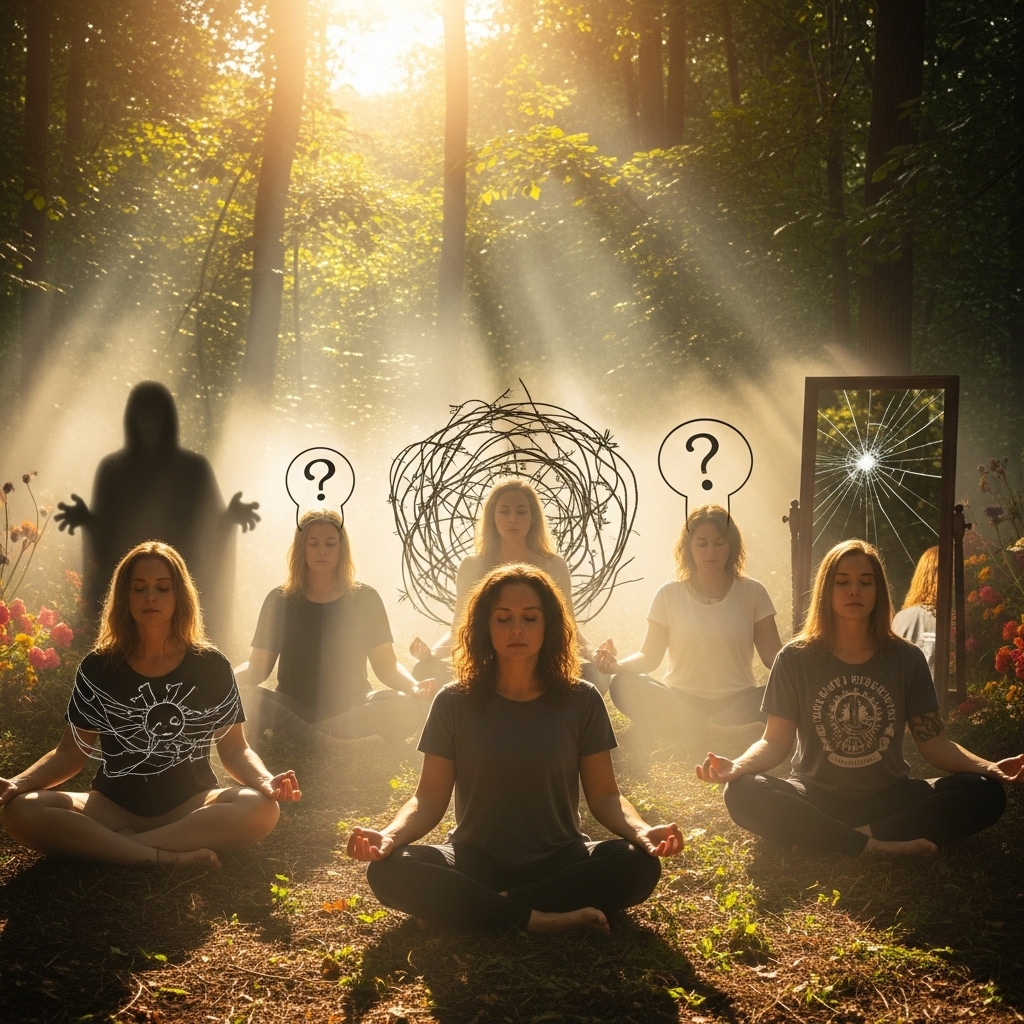
Toxic spirituality refers to beliefs and practices that may initially appear positive or uplifting but ultimately lead to harm, guilt, or disconnection from oneself and others. I remember when I first delved into spirituality, I was drawn to the idea of enlightenment and inner peace. However, I soon stumbled upon various beliefs that seemed to promise happiness but instead left me feeling more confused and isolated. Toxic spiritual beliefs often prioritize a false sense of perfection and deny the natural human experience, leading us away from genuine healing.
How Spiritual Beliefs Impact Mental Health
Spirituality can be a source of strength and comfort, but when it crosses into toxic territory, it can significantly affect mental health. I’ve learned that our beliefs shape our perceptions and experiences, and holding onto harmful spiritual ideas can lead to feelings of inadequacy, guilt, and anxiety. For instance, I once believed that every negative experience was a result of my own shortcomings, which only deepened my feelings of unworthiness. Research has shown that rigid spiritual beliefs can contribute to issues like anxiety and depression, making it essential to examine the beliefs we hold dear. Read Interesting article: Dream of Vomiting And Throwing Up Biblical Meaning & Spiritual Message
The 8 Toxic Spiritual Beliefs
SBAG_IMG_697d916f378c1
1. Everything Happens for a Reason
This belief can feel comforting on the surface, suggesting that there is a higher purpose behind our struggles. However, I found that clinging to this idea often leads to victim-blaming and dismissing genuine suffering. When I experienced loss, I initially forced myself to search for a “reason,” which only added to my grief. It’s okay to acknowledge that sometimes things happen without reason, and we need to allow ourselves to feel the pain rather than rationalize it away.
2. You Can Manifest Anything You Desire
The law of attraction promotes the idea that our thoughts create our reality. While I do believe in the power of positive thinking, I’ve noticed that this belief can be damaging when it implies that if we don’t get what we want, it’s our fault. I remember feeling immense pressure to “manifest” my dreams, only to end up frustrated and disheartened when things didn’t go my way. Accepting that life is unpredictable and that external factors play a role can be liberating, rather than feeling like a failure when we don’t achieve our desires.
3. Positive Thinking Solves All Problems
I used to think that if I just maintained a positive mindset, I could overcome any obstacle. However, this belief often led me to ignore my true feelings and experiences. I learned that it’s essential to acknowledge our struggles rather than suppress them in favor of relentless positivity. Real growth comes from facing challenges head-on, and allowing ourselves to feel sadness, anger, or frustration can lead to genuine healing.
4. You Must Forgive Everyone, No Exceptions
Forgiveness is often touted as a spiritual necessity, but I believe it’s crucial to approach it with nuance. I’ve experienced situations where forgiveness felt impossible, and trying to force it only deepened my hurt. It’s important to recognize that forgiveness is a personal journey and may take time. Sometimes, it’s healthier to focus on self-compassion and setting boundaries rather than rushing into forgiveness for the sake of spiritual ideals.
5. Suffering is a Sign of Weakness
This belief can be particularly damaging, as it fosters shame around our struggles. I’ve had moments when I felt weak for experiencing pain, which only compounded my suffering. In truth, suffering is part of the human experience, and recognizing it doesn’t make us weak—it makes us human. Embracing our vulnerabilities can lead to deeper connections with ourselves and others, fostering empathy and understanding.
6. Spiritual Bypassing: Ignoring Real Issues
Spiritual bypassing is a term I came across that perfectly describes the tendency to use spirituality as a way to avoid dealing with real-life issues. I’ve noticed that some people, myself included at times, might lean into spiritual practices to escape uncomfortable emotions or situations. It’s essential to address our problems directly instead of masking them with spiritual platitudes. True growth involves facing our issues, not bypassing them.
7. All Emotions Should Be Transcended
I once believed that to be truly spiritual, I needed to rise above all emotions. This led me to suppress feelings instead of experiencing them fully. I’ve since realized that emotions are natural and valid, and embracing them is part of living authentically. The idea that we should transcend emotions can create a disconnection from ourselves and others. Acknowledging and processing our feelings allows for deeper healing and growth.
8. You Are Responsible for Others’ Feelings
This belief can create an overwhelming sense of guilt and responsibility. I’ve often felt the weight of others’ emotions, thinking I had to fix them. However, I learned that while we can offer support, we are not responsible for how others feel or react. Establishing healthy boundaries is vital for our well-being, and understanding this distinction has allowed me to cultivate healthier relationships without the burden of unnecessary guilt.
Consequences of Embracing Toxic Spiritual Beliefs
Impact on Personal Relationships
One thing I’ve noticed about toxic spiritual beliefs is how they can seep into our relationships, often causing more harm than good. When we cling to the idea that we must always forgive or that we should transcend our emotions, we might find ourselves distancing from loved ones. I remember a time when I felt I had to maintain a facade of positivity around my friends, even when I was struggling. This led to misunderstandings and a lack of genuine connection. Instead of allowing them to see my true self, I was caught up in trying to be the “perfect” friend, which only pushed me further away. I’ve learned that vulnerability is essential in relationships, and it’s okay to show up as we are, flaws and all. This honesty fosters deeper connections and allows us to support one another in meaningful ways.
Effects on Mental and Emotional Well-Being
Holding onto toxic spiritual beliefs can wreak havoc on our mental and emotional health. I personally experienced this when I felt like I needed to maintain a positive outlook at all costs. This constant pressure to be optimistic made me suppress my feelings, leading to anxiety and stress. I’ve come to understand that it’s completely valid to feel a range of emotions, including sadness, anger, and frustration. Ignoring these feelings in favor of blind positivity only kept me stuck in a cycle of shame about my emotional experiences. It’s crucial to acknowledge that our mental health can suffer when we deny our authentic feelings in favor of an idealized spiritual narrative.
Spiritual Isolation and Loneliness
One of the most surprising effects of toxic spirituality I encountered was the sense of isolation it fostered. I remember times when I felt like I couldn’t share my struggles with others because I was afraid they wouldn’t understand or would judge me for not living up to spiritual ideals. This created a barrier between me and my support system, making me feel even more alone. I’ve learned that when we isolate ourselves under the guise of spiritual perfection, we miss out on the warmth and understanding that comes from community. Sharing our genuine experiences allows us to connect with others who may be facing similar challenges, creating a sense of belonging that is essential for our overall well-being. Read Interesting article: The Spiritual Meaning of a Dog Crossing Your Path
Identifying and Overcoming Toxic Beliefs
Self-Reflection Techniques
Recognizing and overcoming toxic spiritual beliefs starts with self-reflection. I’ve found journaling to be an invaluable tool for this process. Taking the time to write down my thoughts and feelings has allowed me to uncover underlying beliefs that may not serve me anymore. I often ask myself probing questions, such as: “What do I truly believe about this situation?” or “How does this belief make me feel?” This practice has helped me to clarify my thoughts and identify beliefs that may need to be reevaluated. Additionally, meditation can be an excellent way to connect with myself and gain deeper insights into my beliefs. I recommend finding a quiet space, closing my eyes, and simply observing my thoughts without judgment.
Seeking Professional Guidance
Sometimes, we need a little help to navigate the complexities of our spiritual beliefs. Seeking professional guidance, such as therapy or counseling, can be incredibly beneficial. I’ve found that talking to a therapist who understands spirituality has provided me with a safe space to unpack my beliefs and feelings. They can offer valuable perspectives and tools to help challenge toxic beliefs. I remember the first time I discussed my feelings of guilt over not being able to forgive someone right away. My therapist helped me see that healing is a personal journey, and there’s no timeline for it. Having that support has been instrumental in my path toward healthier beliefs.
Engaging in Healthy Spiritual Practices
To move past toxic beliefs, I’ve discovered the importance of engaging in healthy spiritual practices. This could be anything from mindfulness, yoga, or even simply spending time in nature. I like to think of spirituality as a journey rather than a destination. I’ve started to focus on practices that promote self-acceptance and self-care. For instance, integrating mindfulness into my daily routine has helped me stay present and aware of my feelings without judgment. I also love participating in community events that foster connection and support, allowing me to share my experiences with others on a similar path. Finding practices that resonate with me has made spirituality feel more authentic and uplifting.
Creating a Healthy Spiritual Framework
Defining Personal Spirituality
Creating a healthy spiritual framework begins with defining what spirituality means to me personally. I used to think my spirituality had to fit a certain mold, often influenced by what I saw around me. However, I’ve realized that spirituality is deeply personal and can be as unique as we are. I’ve taken the time to explore different philosophies and practices, allowing myself the freedom to choose what resonates with my heart. This process has been liberating, helping me to embrace my own beliefs without feeling pressured to conform. I encourage others to ask themselves what spirituality means to them and to trust their intuition in crafting their own spiritual path.
Balancing Spirituality with Reality
Finding balance between spirituality and reality has been a key component of my journey. I used to struggle with feeling like I had to choose one over the other. However, I’ve come to understand that spirituality can coexist with the ups and downs of everyday life. I now strive to integrate my spiritual beliefs into my daily experiences, recognizing that both aspects can enrich my life. For example, when faced with a challenge, I remind myself of my spiritual values while also acknowledging the practical steps I need to take. This balance helps me feel grounded and connected to myself and the world around me.
Building a Supportive Community
Lastly, I’ve learned that surrounding myself with a supportive community is vital for nurturing a healthy spiritual framework. I actively seek out groups or individuals who share similar values and beliefs, who encourage open discussions about spirituality without judgment. I remember joining a local mindfulness group that provided a safe space to share experiences and learn from one another. These connections have not only deepened my understanding of spirituality but have also made me feel less isolated. Building a supportive community creates an environment where we can grow together, challenge harmful beliefs, and celebrate our unique journeys.
Creating a Healthy Spiritual Framework
Defining Personal Spirituality
Exploring my personal spirituality has been one of the most enriching experiences of my life. I used to think spirituality was a one-size-fits-all concept, heavily influenced by societal expectations or what I read in self-help books. However, I’ve learned that defining my spirituality is an intimate journey. I’ve spent time reflecting on my values, beliefs, and what truly resonates with me. For instance, I found that nature plays a significant role in my spiritual life. I remember taking long walks in the park, feeling a deep connection with the earth, and realizing that my spirituality thrives in those moments of presence and appreciation. I encourage anyone on a similar journey to take time for self-exploration, engaging with different practices and philosophies. What do you feel when you’re at your most authentic self? Trusting that feeling can guide you toward a more personalized spiritual framework.
Balancing Spirituality with Reality
For a long time, I struggled to find a balance between my spiritual beliefs and the realities of everyday life. I thought embracing spirituality meant I had to ignore the challenges and frustrations that come with being human. But life taught me otherwise. I learned that spirituality can coexist with reality—it doesn’t have to be an escape but rather a tool to navigate life’s complexities. I remember a particularly challenging day when everything seemed to go wrong. Instead of retreating into spiritual platitudes, I allowed myself to feel the frustration and chaos. I sat down with a cup of tea, closed my eyes, and breathed through the moment, reminding myself that it was okay to feel overwhelmed. By acknowledging my feelings, I was able to integrate a spiritual perspective that didn’t dismiss my reality but rather complemented it. This balance has been transformative for me and has made me feel more grounded in both my spiritual practice and my daily life.
Building a Supportive Community
Connecting with others has profoundly impacted my spiritual journey. I realized that surrounding myself with a supportive community is crucial for growth and healing. I used to feel like I had to navigate my spiritual path alone, which often led to feelings of isolation. But when I opened myself up to others, I discovered incredible support and understanding. I joined a local meditation group that met weekly, and it became a safe haven for me. Sharing our struggles and successes created a sense of belonging and reminded me that I wasn’t alone in my experiences. I remember one evening, sitting in a circle with others who shared their stories about overcoming toxic beliefs. Hearing their journeys inspired me to continue working through my own. I believe that finding a community that encourages open dialogue about spirituality can provide the support we need to challenge harmful narratives and celebrate our unique paths.
Integrating Mindfulness into Daily Life
Mindfulness has been a game-changer for me in creating a healthy spiritual framework. Initially, I thought mindfulness was just a buzzword, but I discovered its depth through practice. I started small, carving out a few minutes each day to check in with myself. This practice allowed me to observe my thoughts and feelings without judgment. I remember sitting outside, focusing on my breath and the sounds around me—birds chirping, leaves rustling in the wind. Those moments became anchors in my day, reminding me to stay present and connected to my inner self. As I integrated mindfulness into my daily routine, I noticed a significant shift in how I approached challenges. Instead of reacting with frustration, I learned to pause, breathe, and respond more thoughtfully. This integration of mindfulness into my spirituality has made it feel more accessible and grounded in my everyday experiences.
Embracing Vulnerability and Authenticity
One of the most liberating lessons I’ve learned on my spiritual journey is the importance of embracing vulnerability and authenticity. I used to believe that showing vulnerability was a sign of weakness, something to hide away from the world. However, I’ve come to realize that vulnerability is a strength. When I allow myself to be open about my struggles and imperfections, I foster deeper connections with others. I remember sharing my journey with a close friend, admitting that I sometimes felt lost in my spirituality. Instead of judgment, I received empathy and understanding. The conversation opened the door to more honest discussions about our fears, doubts, and hopes. Embracing authenticity in my spiritual practice has allowed me to connect with others on a more profound level, breaking down the walls that toxic beliefs can create. I believe that by being ourselves—messy, imperfect, and real—we create space for genuine connection and understanding in our spiritual communities.
Frequently Asked Questions
What are toxic spiritual beliefs?
Toxic spiritual beliefs refer to beliefs and practices that may initially seem positive or uplifting but ultimately lead to harm, guilt, or disconnection from oneself and others. They often prioritize a false sense of perfection and deny the natural human experience.
How can toxic spiritual beliefs impact mental health?
Toxic spiritual beliefs can significantly affect mental health by shaping perceptions and experiences. Holding onto harmful ideas can lead to feelings of inadequacy, guilt, and anxiety, contributing to issues like anxiety and depression.
What is the belief that “everything happens for a reason”? Why can it be toxic?
This belief suggests that there is a higher purpose behind our struggles, but it can lead to victim-blaming and dismissing genuine suffering. It can create pressure to find reasons for pain, which may add to grief rather than allowing for authentic emotional experiences.
Why is the idea of manifesting desires considered toxic?
The belief that one can manifest anything through positive thinking can be damaging as it implies personal fault when desires aren’t met. This can create immense pressure and feelings of failure when outcomes are influenced by external factors.
How does positive thinking relate to mental health?
While positive thinking can be beneficial, believing it solves all problems can lead to the suppression of true feelings and experiences. Acknowledging struggles is essential for genuine healing and growth.
What does spiritual bypassing mean?
Spiritual bypassing is the tendency to use spirituality to avoid dealing with real-life issues. It involves masking problems with spiritual platitudes instead of addressing them directly, which can hinder true growth.
How can toxic spiritual beliefs affect personal relationships?
Toxic spiritual beliefs can cause distance in relationships by creating barriers to vulnerability and genuine connection. Clinging to ideals like forced forgiveness can lead to misunderstandings and a lack of authenticity.
What are some techniques for identifying and overcoming toxic spiritual beliefs?
Self-reflection techniques such as journaling and meditation can help identify harmful beliefs. Seeking professional guidance, such as therapy, can provide support and new perspectives, while engaging in healthy spiritual practices promotes self-acceptance.
How can one create a healthy spiritual framework?
Creating a healthy spiritual framework involves defining personal spirituality, balancing it with reality, and building a supportive community. Engaging in practices like mindfulness and embracing vulnerability also contribute to a more authentic spiritual journey.
Why is vulnerability important in spiritual practice?
Embracing vulnerability fosters deeper connections with others and allows for more honest discussions about struggles. It breaks down the walls created by toxic beliefs, enabling genuine understanding and support within spiritual communities.