
The number 666 is often referred to as the ‘number of the beast’ in Christianity, symbolizing evil and opposition to divine perfection, primarily derived from the Book of Revelation in the New Testament.
Superstitions surrounding the number 666 have persisted across cultures and centuries, deeply rooted in religious texts and interpretations. This article delves into the origins, meanings, and psychological impacts of this enigmatic number, often associated with evil.

The Historical Origins of 666 and Its Biblical Context
The number 666, known as the ‘number of the beast,’ emerges prominently in the Book of Revelation. Its association with evil and opposition to the divine has deep historical roots, particularly connected to the persecution of early Christians.
The Biblical Passage and Its Significance
The origin of 666 is found in Revelation 13:18, which states, “This calls for wisdom: let anyone with understanding calculate the number of the beast, for it is the number for a person. Its number is six hundred sixty-six.” This passage is pivotal, as it links the number directly to a person, creating a foundation for its interpretation as a symbol of evil.
Key Interpretations:
- Number of the Beast: Represents opposition to divine perfection, contrasting sharply with the number seven, which symbolizes completeness.
- Coded Language: The text employs numerological and symbolic references common in apocalyptic literature, aimed at conveying deeper meanings without direct confrontation.
Nero and the Symbolism of 666
Many scholars identify the number 666 with Nero Caesar through the practice of gematria, where letters correspond to numeric values. In Hebrew, the name “Neron Caesar” (נרון קסר) can be calculated to equal 666. This connection is significant within the historical context of early Christian persecution.
Historical Context:
- Persecutor of Christians: Nero ruled from 54 to 68 CE and is infamous for his brutal treatment of Christians, making the association with 666 particularly poignant for early believers.
- Symbol of Resistance: The number served as a covert way for Christians to criticize their oppressor without risking direct retribution.
Early Christian Interpretations of 666
Early Christians interpreted 666 as a symbol of hope amidst persecution. The Book of Revelation was written during a time of intense oppression under the Roman Empire. The use of coded language allowed the author to address the realities of tyranny without direct mention of those in power.
Notable Points:
- Encouragement of Vigilance: The number became a rallying point, urging believers to remain vigilant against spiritual corruption.
- Cultural Resonance: Early Christians viewed 666 not merely as a numeral but as a representation of the struggle between good and evil, emphasizing their faith against oppressive forces.
Timeline of Key Events:
- First Century CE: The Book of Revelation is penned amidst growing persecution.
- Nero’s Reign (54-68 CE): Heightened oppression of Christians, leading to the association of 666 with his rule.
- Second Century and Beyond: The interpretation of 666 evolves, influencing Christian thought and superstition through the ages.
By understanding these historical and biblical contexts, we see how 666 transcended mere numerology to become a powerful symbol of resistance, hope, and the complexities of faith under duress.
Table of Contents
Cultural Interpretations of 666 Across Religions
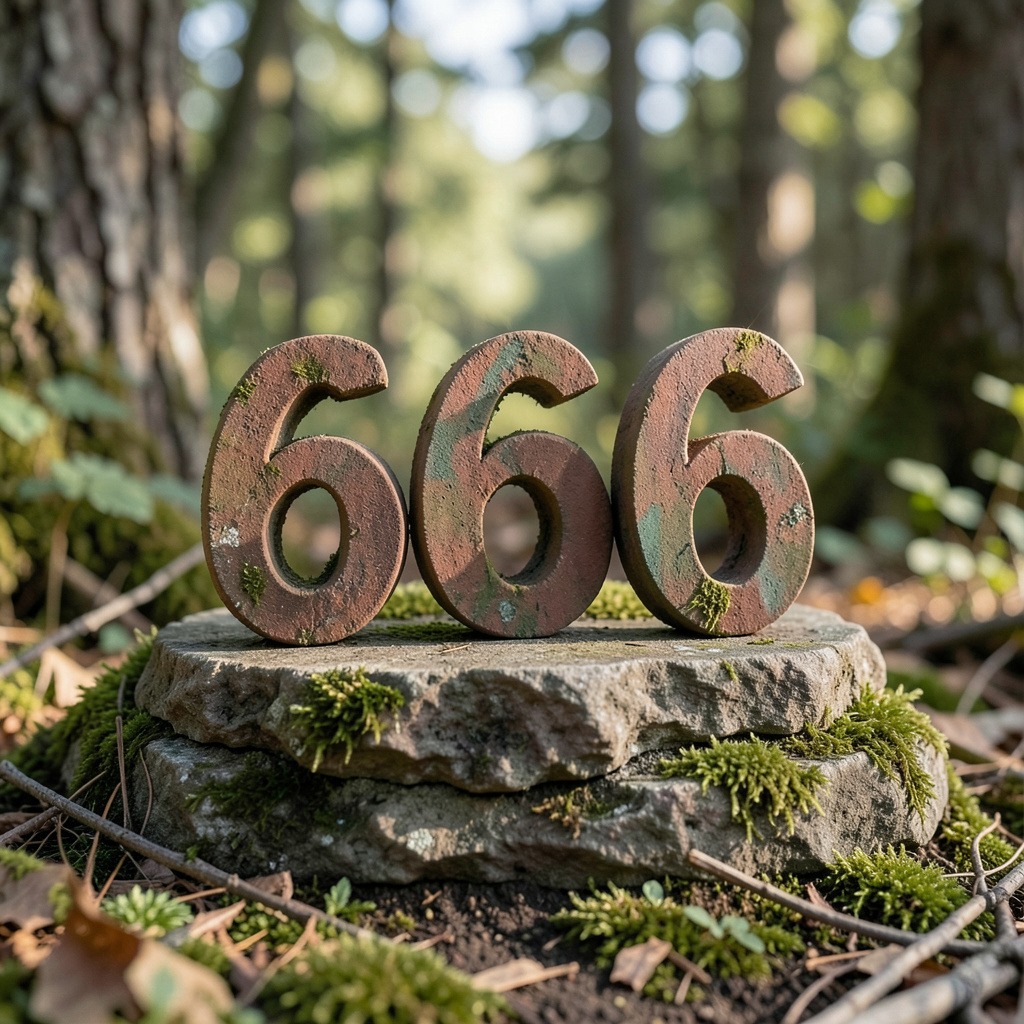
The number 666 evokes a range of interpretations across different cultures and religions. While it is predominantly associated with negative connotations in Christianity, other cultures perceive it quite differently, often attributing positive meanings to the same number.
Christianity: The Dominant Narrative
In Christian theology, 666 is famously known as the “number of the beast,” as depicted in the Book of Revelation. It symbolizes imperfection and opposition to divine perfection, contrasting sharply with the number seven, which represents spiritual completeness. Scholars often connect 666 to historical figures, particularly Nero Caesar, through the practice of gematria—a system where letters correspond to numerical values. This method reveals the number’s deeper cultural significance, illustrating how it served as a coded critique of oppressive rulers.
Key aspects of the Christian interpretation include:
- Symbolism of Evil: 666 embodies evil, temptation, and moral testing.
- Historical Context: The association with Nero reflects early Christian resistance to tyranny.
- Numerical Parody: Some scholars interpret it as a counterpoint to the Holy Trinity, representing a counterfeit divine order.
Eastern Philosophies and Alternative Views
In stark contrast, Eastern cultures often interpret the number 666 positively. For instance, in Chinese culture, the number 6 (liù) resonates with meanings of “smooth” or “excellent.” Thus, multiples of six, including 666, are considered auspicious. This perspective highlights the adaptability of symbols across cultural landscapes.
Examples of Eastern interpretations include:
- Good Fortune: 666 is viewed as a lucky number, signifying smooth progress in life.
- Cultural Celebrations: Businesses and individuals often embrace the number in various forms, from addresses to phone numbers, as a mark of success.
Occult Associations with 666
Various occult traditions provide a different lens through which to view 666. Here, the number may symbolize a balance between the material and spiritual realms. It represents the human experience, including flaws and desires. In some interpretations, 666 signifies transformation or hidden knowledge, showcasing its multifaceted nature.
Key points regarding occult associations include:
- Material-Spiritual Balance: 666 represents duality and the quest for understanding.
- Mystical Properties: In some cultures, numbers are believed to hold mystical significance, with 666 serving as a bridge to deeper truths.
Comparative Insights
When comparing these interpretations, several insights emerge:
- Diverging Views: While Christianity largely views 666 as a symbol of evil, Eastern cultures embrace it as a harbinger of good fortune.
- Cultural Adaptability: The meaning of 666 shifts dramatically based on cultural context, demonstrating the power of societal beliefs in shaping symbolism.
- Psychological Impact: The fear associated with 666 in the West contrasts with the acceptance and celebration found in Eastern traditions.
This comparative analysis showcases how the number 666 transcends its biblical roots, becoming a complex symbol that reflects diverse cultural values and spiritual insights.
The Role of Gematria and Numerology in Understanding 666
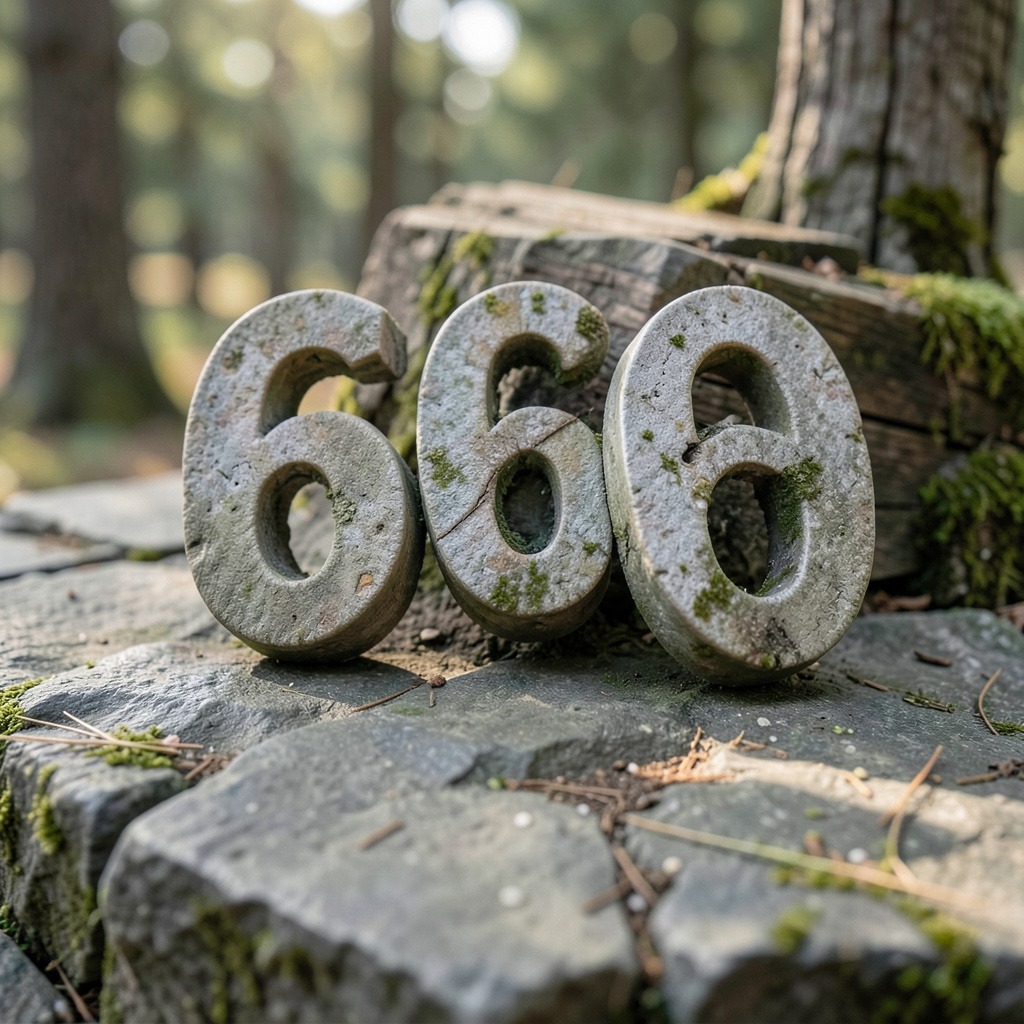
Gematria and numerology are critical in interpreting the significance of 666. These systems assign numerical values to letters, allowing for coded messages within texts. This numerical approach lends insight into various names and concepts tied to the infamous number.
What is Gematria?
Gematria is a Jewish numerological system. It assigns numerical values to each letter in the Hebrew alphabet. For example:
- Aleph (א) = 1
- Bet (ב) = 2
- Gimmel (ג) = 3
- …
- Yud (י) = 10
- Kaf (כ) = 20
- …
- Tav (ת) = 400
Using this system, words can be translated into numbers. This practice reveals hidden meanings in biblical texts and connects contemporary names with historical figures.
How Names Translate to 666
The name “Nero Caesar” (נרון קסר in Hebrew) is the most prominent example associated with 666. The gematria values for each letter add up to 666:
- נ (Nun) = 50
- ר (Resh) = 200
- ו (Vav) = 6
- נ (Nun) = 50
- ק (Kuf) = 100
- ס (Samech) = 60
- ר (Resh) = 200
Summing these gives 666. This connection underscores the historical context of 666 as a coded reference to the Roman Emperor Nero, known for his persecution of Christians.
The Mathematical Significance of 666
Beyond Nero, other names have been linked to 666 through gematria. Here are a few examples:
| Name | Language | Gematria Value |
|---|---|---|
| Nero Caesar | Hebrew | 666 |
| Vicar of the Son of God | Latin | 666 (using selective Roman numerals) |
| Martin Luther | Latin | 666 (with modifications) |
| Adolf Hitler | English | 666 (with a specific assignment of values) |
These interpretations highlight the fluidity of gematria. The same number can represent different individuals based on the context and method of calculation. This variability raises questions about the reliability of numerological interpretations but also emphasizes the rich tapestry of meanings associated with 666.
In summary, gematria and numerology provide essential tools for decoding the significance of 666. They reveal how historical figures and cultural contexts intersect with superstition and belief, shaping our understanding of this infamous number.
Psychological Impacts and Fears Surrounding 666 Superstition

The superstition surrounding the number 666 has significant psychological effects. Many people associate this number with fear and negativity, impacting their behaviors and decisions.
Fear of the Number: Hexakosioihexekontahexaphobia
Hexakosioihexekontahexaphobia is the intense fear of the number 666. This fear often stems from its association with the “number of the beast” in biblical texts. Individuals with this phobia may experience anxiety at the mere sight of the number.
- Impact on Daily Life:
- Individuals may avoid addresses or phone numbers containing 666.
- Some skip significant life events on dates like June 6.
- Businesses often avoid room numbers or product codes featuring 666.
This avoidance illustrates how deeply rooted the superstition is in everyday life, shaping decisions that may seem irrational.
How 666 Influences Behavior and Decision-Making
The psychological impact of 666 extends beyond mere fear. It can influence behavior in various ways, often through confirmation bias.
- Confirmation Bias:
- People tend to notice negative events linked to 666 while overlooking positive occurrences.
- This selective perception reinforces their belief in the number’s malevolence.
For example, if someone experiences a bad day after encountering 666, they may attribute their misfortune to the number. Conversely, positive experiences associated with 666 often go unacknowledged.
Media Representation of 666 and Its Effects
Media portrayals of 666 further entrench its negative symbolism. Films, books, and television shows frequently depict it as a harbinger of evil.
- Cultural Impact:
- Popular media often sensationalizes 666, reinforcing its ominous reputation.
- This representation can amplify fears, making individuals more likely to connect the number with misfortune or evil.
Real-life case studies show that exposure to such media can heighten anxiety levels. For instance, viewers of horror films featuring 666 often report increased fear and avoidance behaviors in their daily lives.
In summary, the psychological effects of 666 superstition are profound. Fear, behavioral influences, and media representations intertwine to create a complex web of beliefs and actions that shape how individuals interact with this number in their lives.
Common Myths and Misconceptions About 666
The number 666 often elicits fear and misunderstanding. Various myths surround its meaning and significance, leading to widespread misconceptions. This section debunks those myths, clarifying the true nature of 666.
Myth: 666 is Exclusively Evil
Many believe that 666 is purely a symbol of evil. This stems from its association with the “number of the beast” in the Book of Revelation. However, interpretations vary widely.
- Symbolism of Imperfection: In religious contexts, 666 represents imperfection, contrasting with the divine perfection of the number seven.
- Historical Figures: Scholars often link 666 to figures like Nero Caesar through gematria, suggesting it symbolizes specific historical contexts rather than universal evil.
Myth: 666 is a Literal Mark
A common misconception is that 666 serves as a literal mark of the Antichrist. While Revelation mentions the number, its interpretation is heavily symbolic.
- Apocalyptic Literature: The text employs metaphorical language, typical of its genre. It warns of moral testing and spiritual dangers rather than predicting a physical mark.
- Broader Interpretations: For some, 666 symbolizes humanity’s flawed nature rather than a direct identification with evil.
Myth: 666 Only Appears in Christianity
Another myth holds that 666 is exclusive to Christianity. In reality, many cultures acknowledge the number in various contexts.
- Cultural Symbolism: Other spiritual traditions recognize numbers as symbols with layered meanings, similar to how 666 is viewed in Christian theology.
- Global Perspectives: In numerology, for instance, 666 can represent balance or harmony, diverging from its negative connotations in Christian thought.
Key Takeaways
- Evil is not the only interpretation: Consider the historical and symbolic contexts.
- Literal interpretations can be misleading: Look for metaphorical meanings in religious texts.
- Cultural relevance extends beyond Christianity: Explore diverse interpretations across different cultures and belief systems.
Modern Cultural References and the Legacy of 666
The number 666 has deeply influenced modern culture, manifesting in films, literature, music, and social media. Its representation often evokes a mix of fear, fascination, and intrigue, shaping public perception in diverse ways.
666 in Movies and Literature
In cinema and literature, 666 is frequently associated with horror and the supernatural. Films like “The Omen” and “Rosemary’s Baby” use 666 to signify evil and impending doom. These narratives often feature characters grappling with dark forces, reinforcing the number’s ominous reputation.
- “The Omen”: This classic horror film revolves around a child marked as the Antichrist, with 666 as a recurring motif. The movie’s chilling portrayal has cemented the number’s association with evil in popular culture.
- “The Stand”: Stephen King’s novel includes 666 as a symbol of the ultimate evil, further embedding the number in contemporary literary themes.
Such portrayals contribute to the collective fear surrounding 666, influencing how audiences interpret its significance.
The Music Industry’s Fascination with 666
Music, particularly heavy metal, embraces 666 as a symbol of rebellion and darkness. Bands like Black Sabbath and Iron Maiden reference 666 to challenge religious norms and explore themes of evil.
- Black Sabbath’s “N.I.B.”: The song references 666 to articulate a narrative of demonic possession, appealing to fans seeking thrill and defiance.
- Iron Maiden’s “Number of the Beast”: This iconic track draws directly from biblical imagery, portraying 666 as a powerful symbol of fear and chaos.
These musical interpretations not only reflect cultural sentiments but also shape listeners’ perceptions of the number.
666 in Social Media and Memes
In today’s digital landscape, 666 has found a new life through social media and memes. Platforms like Twitter and Instagram often feature 666 in humorous or ironic contexts, downplaying its traditional connotations.
- Memes: Users create memes that juxtapose 666 with mundane situations, reducing its fear factor and making it relatable. For instance, a meme might depict a benign cat with the caption “666 days until my birthday,” highlighting a playful twist on the number.
- Hashtags: Trending hashtags like #SixSixSix often accompany posts that poke fun at the superstition, showcasing how 666 has been repurposed in modern dialogue.
This trend reflects a shift in societal attitudes, where 666 is less about fear and more about cultural commentary.
Through these various channels, 666 continues to evolve, illustrating its complex legacy in contemporary society.
Frequently Asked Questions
These quick answers cover the most common questions about this topic, including key details, practical tips, and common concerns.
What is 666 trying to tell me?
The number 666, often referred to as the “number of the beast,” symbolizes imperfection and opposition to divine perfection in Christianity. Its origin stems from the Book of Revelation, where it is associated with moral testing and spiritual challenges. For many, encountering 666 serves as a reminder to reflect on their beliefs and actions, urging vigilance against negativity and temptation.
Is 666 a satanic symbol?
While 666 is commonly perceived as a satanic symbol in popular culture, its origins are deeply rooted in biblical texts. It represents the number of the beast and is linked to figures like Nero Caesar through gematria. This connection highlights its historical context rather than an inherent evil nature. Various cultures interpret 666 differently, with some viewing it positively.
Why is 666 considered an “evil” number?
The perception of 666 as an “evil” number primarily arises from its association with the Antichrist in the Book of Revelation. It contrasts with the number seven, which symbolizes divine perfection. This duality reinforces the idea of 666 representing imperfection, temptation, and moral failure. Over time, cultural narratives and media portrayals have further entrenched its negative connotations.
What does the Bible say about the number 666?
The Bible references 666 in Revelation 13:18, stating it is the number of a person, often interpreted as the Antichrist. This passage emphasizes the need for wisdom in understanding its meaning. The number symbolizes opposition to God and serves as a warning against spiritual corruption and moral decay.
Which generation will not pass away?
This question relates to a biblical passage in Matthew 24:34, where Jesus states that “this generation will not pass away until all these things take place.” This phrase has sparked various interpretations, often linked to the signs of the end times. However, it is crucial to approach this topic with an understanding of the broader context of biblical prophecy rather than a direct connection to the number 666.
Why do some cultures view 666 as a lucky number?
In some Eastern cultures, particularly in China, the number 6 is associated with good fortune and smoothness. As a result, 666 can be perceived positively, signifying success and auspiciousness. This contrasting view highlights how cultural contexts can significantly alter the interpretation of numbers, demonstrating that 666 is not universally seen as negative.
What are common misconceptions about 666?
Many misconceptions about 666 include the belief that it is solely an evil symbol or a literal mark of the Antichrist. In reality, its meanings are diverse and context-dependent. Additionally, while it is often viewed through a Christian lens, other cultures have their interpretations, which can be positive. Understanding these nuances helps debunk myths and fosters a more comprehensive view of the number’s significance.