
The two-dollar bill is often surrounded by superstitions, with some considering it a symbol of good luck while others view it as bad luck, reflecting cultural beliefs and personal experiences throughout history.
The two-dollar bill holds a unique place in American currency, often surrounded by various superstitions and beliefs. Understanding these superstitions can offer insights into its cultural significance and the meanings attributed to this rare denomination.

The Historical Context of the Two Dollar Bill
The two-dollar bill boasts a rich history that intertwines with significant events in American history. Understanding its origins and evolution is crucial for grasping the superstitions that surround it.
Origins of the Two Dollar Bill
The two-dollar bill was first issued in 1862 during the Civil War. It was introduced to help fund the war effort. At the time, two dollars was a substantial sum, mainly used for large transactions between banks and government entities.
Changes Over Time
Over the years, the design of the two-dollar bill has undergone several transformations. Initially, it featured a portrait of Alexander Hamilton. In the 1920s, the bill was redesigned to showcase Thomas Jefferson. The current design, introduced in 1976, honors Jefferson on the front and includes John Trumbull’s painting, “The Signing of the Declaration of Independence,” on the reverse side.
Cultural Impact
Despite its historical significance, the two-dollar bill is not frequently used in everyday transactions. Its relative rarity has contributed to various superstitions. Many people believe that possessing a two-dollar bill brings good luck. This belief is rooted in both its uncommon status and its historical use in gambling contexts.
Timeline of Significant Events
- 1862: Introduction of the two-dollar bill during the Civil War.
- 1929: Redesign featuring Thomas Jefferson.
- 1976: Current design launched, coinciding with the bicentennial celebration.
- Recent Years: Continued circulation by the U.S. Treasury, despite popular misconceptions about its rarity.
Understanding the historical context of the two-dollar bill enhances the appreciation of its superstitions. The links between its design, usage, and cultural beliefs shape the narrative that surrounds this unique piece of American currency.
Common Superstitions Associated with the Two Dollar Bill
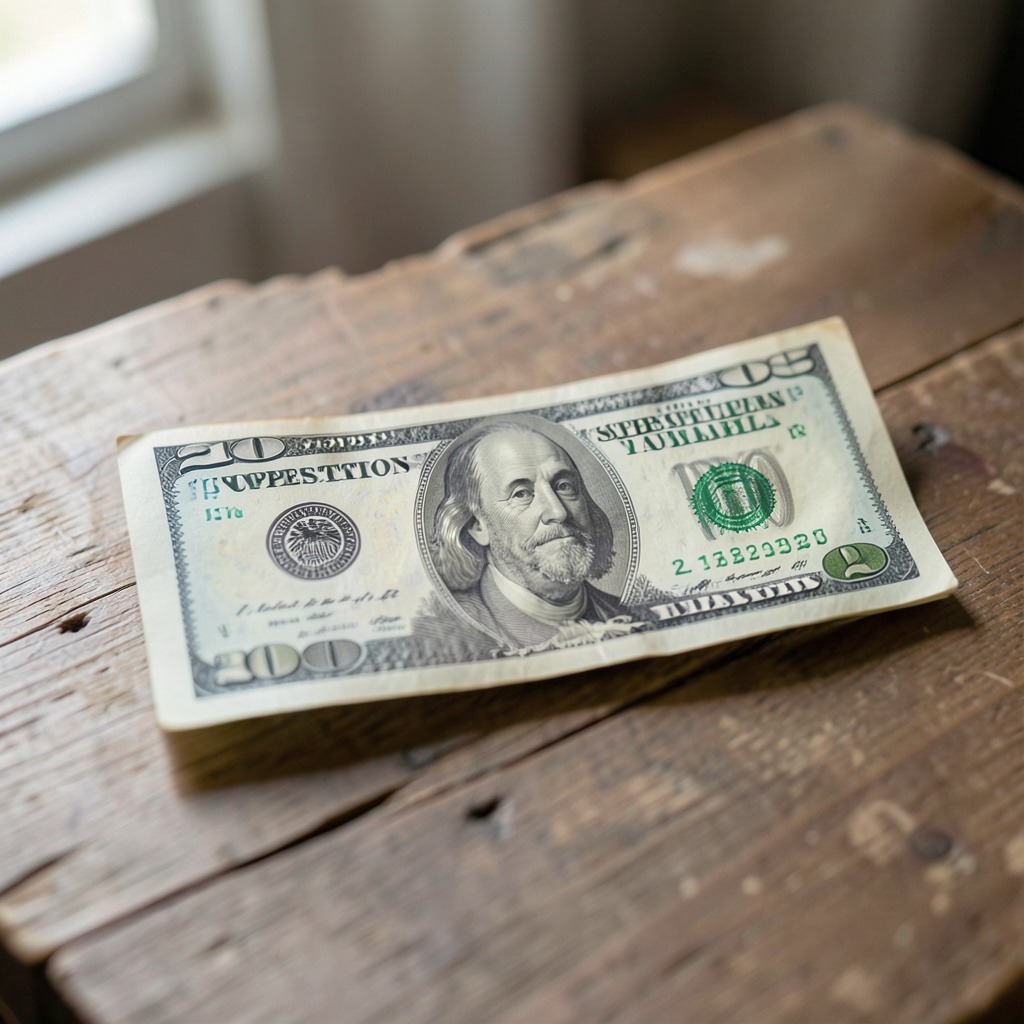
The two-dollar bill is steeped in a variety of superstitions that reflect cultural beliefs about luck and fortune. These perceptions vary significantly across different societies, leading to both positive and negative associations with this currency.
Good Luck vs. Bad Luck
Many people believe that the two-dollar bill brings good luck. This belief often stems from its rarity in circulation and its historical ties to gambling. Below are some common beliefs:
- Good Luck:
- Carrying a two-dollar bill is thought to attract positive energy.
- Some people fold it in a specific way, believing this enhances its luck-bringing properties.
- It is considered a charm for financial prosperity.
- Bad Luck:
- Conversely, some view receiving a two-dollar bill as a bad omen.
- There is a belief that it signals impending misfortune, particularly if it’s given as change.
- This negative perception can arise from its infrequent usage in transactions.
Cultural Variations
Cultural beliefs about the two-dollar bill can change its significance. In some cultures, it symbolizes balance and harmony due to the number two. In others, it is viewed through a lens of superstition tied to personal experiences. Here are some examples:
- In the United States, the two-dollar bill is often seen as a novelty, representing good fortune.
- In certain Asian cultures, the number two is viewed as auspicious, symbolizing partnership and duality.
- Some traditions suggest using the two-dollar bill in rituals or as gifts to invoke good luck.
Personal Experiences
Personal anecdotes further illustrate the two-dollar bill’s superstitions. Many individuals share stories about lucky encounters associated with possessing or gifting a two-dollar bill. For example:
- Anecdote: One individual recounted finding a two-dollar bill in an old coat pocket before a job interview. They believe it contributed to their successful hiring.
- Testimonial: Another person shared how they gifted a two-dollar bill to a friend starting a new business, who subsequently reported a surge in sales.
These personal stories reinforce the belief in the two-dollar bill’s ability to influence outcomes, illustrating how deeply these superstitions are woven into everyday life.
Spiritual Significance of the Number Two
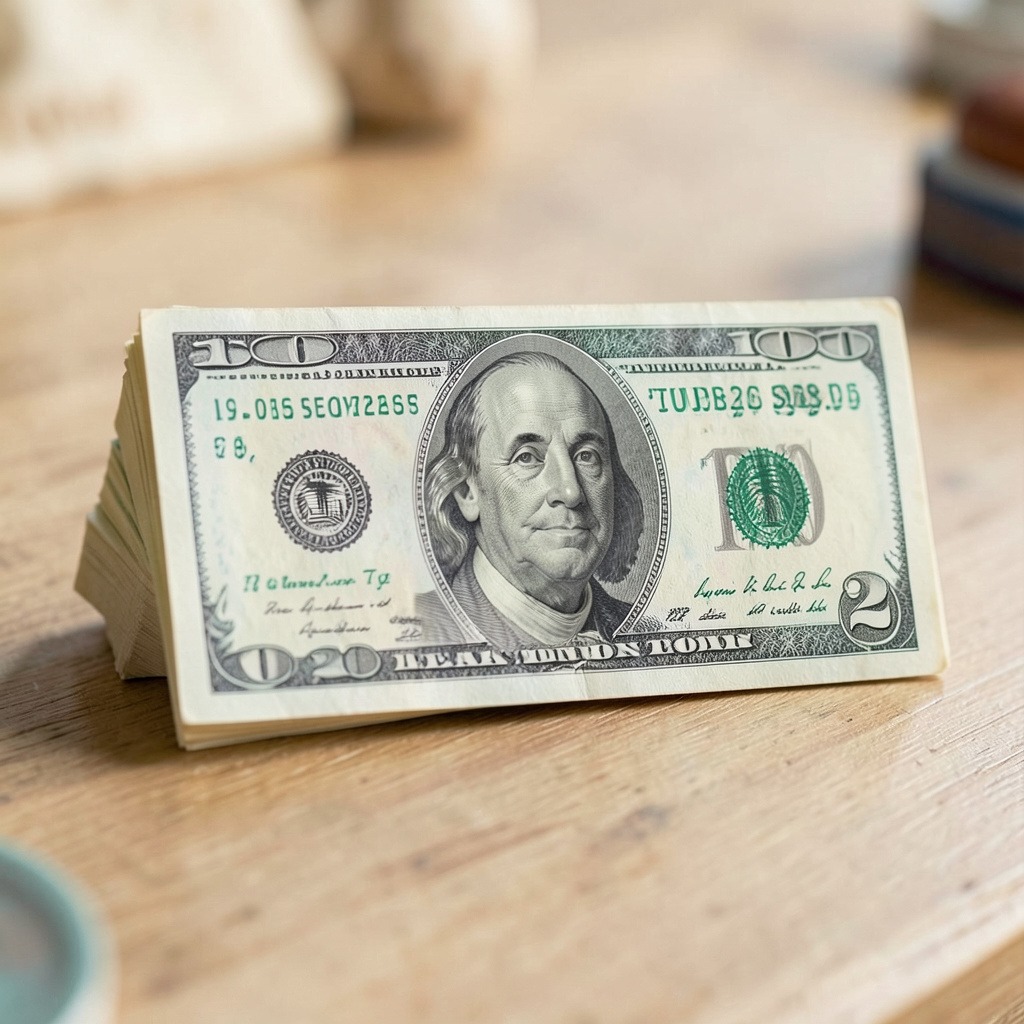
The number two holds rich spiritual significance across various cultures. Its symbolism often relates to duality, balance, and partnership, making it particularly relevant to the two-dollar bill and its associated superstitions.
Duality and Balance
In many spiritual traditions, the number two embodies duality. It represents opposing forces that complement each other, such as light and dark, male and female, and good and evil. This balance is essential for harmony in life.
- Yin and Yang: In Chinese philosophy, the yin-yang symbol illustrates how opposites coexist. The number two reinforces this idea of balance in relationships and energies.
- Partnership: In relationships, the number two symbolizes unity. It highlights the importance of cooperation and understanding between partners.
The Role of the Number Two in Spirituality
The number two is often seen as a symbol of intuition and sensitivity. It encourages individuals to trust their instincts and connect with their inner selves.
- Intuition: Many cultures associate the number two with heightened intuition. This can enhance decision-making, especially when faced with uncertainty.
- Relationships: The number two emphasizes the significance of relationships in spiritual growth. It suggests that support from others is vital for personal development.
Cultural Interpretations of the Number Two
Different cultures view the number two through unique spiritual lenses. Each interpretation enriches the understanding of the two-dollar bill’s symbolism:
- Native American Traditions: In some Native American beliefs, two represents balance and harmony with nature. It signifies the connection between humans and the earth.
- Hinduism: In Hindu culture, the number two is linked to the duality of creation, often associated with the goddess Shakti and her consort Shiva. This relationship illustrates the balance of masculine and feminine energies.
- Numerology: In numerology, the number two signifies diplomacy and cooperation. It encourages individuals to foster peace and avoid conflict.
The symbolism of the number two not only enhances the meaning of the two-dollar bill but also reflects the broader cultural beliefs about luck, harmony, and spiritual growth.
The Two Dollar Bill as a Good Luck Charm

Many people consider the two-dollar bill a powerful good luck charm. Its rarity and unique history contribute to this belief. Carrying or gifting a two-dollar bill is thought to attract positive energy and fortune.
When to Gift a Two Dollar Bill
Gifting a two-dollar bill is often considered a meaningful gesture. Here are some occasions when giving one can be particularly auspicious:
- Graduations: A two-dollar bill symbolizes success and new beginnings.
- Weddings: It represents prosperity and happiness in a couple’s life together.
- Birthdays: Gifting it on a birthday conveys wishes for a lucky year ahead.
- New Business Ventures: It can be seen as a blessing for financial success.
How to Use It as a Lucky Charm
Incorporating a two-dollar bill into your daily life can be a simple yet effective way to attract good luck. Here are practical tips:
- Carry It: Place a two-dollar bill in your wallet. This can serve as a constant reminder of abundance.
- Display It: Frame it and hang it in your home or office. This visual representation can attract prosperity.
- Use in Rituals: Include it in personal rituals or meditation practices as a symbol of balance and wealth.
Cultural Practices Involving Two Dollar Bills
Different cultures celebrate the two-dollar bill in various ways. Here are some notable practices:
- Talisman Rituals: Some individuals fold the bill in specific ways before carrying it. This is believed to enhance its luck-bringing properties.
- Collecting: Collectors often view the two-dollar bill as a special item, adding to its perceived value and luck.
- Sharing Stories: Many people share anecdotes about lucky experiences tied to receiving or giving a two-dollar bill, reinforcing its positive connotations.
By understanding these practices, you can effectively incorporate the two-dollar bill into your life to harness its potential for good fortune.
Misconceptions and Myths about the Two Dollar Bill
The two-dollar bill is steeped in superstition and cultural beliefs, leading to several misconceptions about its rarity and significance. Understanding these myths can help clarify the true nature of this unique currency.
Is the Two Dollar Bill Rare?
Many believe the two-dollar bill is a rare item, contributing to its perceived luck. However, this is a misconception. The U.S. Treasury continues to produce two-dollar bills regularly. In fact, as of recent years, approximately 1.2 billion two-dollar bills are still in circulation. This number reflects a consistent production schedule rather than scarcity.
- Production Rate: The two-dollar bill is printed, although in smaller quantities compared to more common denominations.
- Public Awareness: Many people simply do not encounter two-dollar bills often, reinforcing the belief in their rarity.
Clarifying Misunderstandings
Another common myth is that receiving a two-dollar bill is a sign of bad luck. This belief often stems from the bill’s infrequent use in transactions. In reality, many view it as a positive symbol, suggesting fortune or good luck.
- Positive Associations: Numerous anecdotes highlight instances of good fortune after receiving a two-dollar bill.
- Cultural Beliefs: Different cultures interpret the two-dollar bill in various ways, often linking it to good luck and prosperity.
The Reality of Its Circulation
Despite misconceptions, the two-dollar bill maintains a stable presence in the U.S. currency system. Understanding the factual context helps demystify its role in society.
- Circulation Statistics: As mentioned, around 1.2 billion two-dollar bills are in circulation.
- Usage Trends: While less common in day-to-day transactions, the bill continues to hold cultural significance and is often used in gifts or special occasions.
By debunking these myths, individuals can appreciate the two-dollar bill not just as a piece of currency, but as a symbol rich in cultural meanings and potential good fortune.
The Role of the Two Dollar Bill in Modern Culture
The two-dollar bill occupies a unique space in contemporary society. Its rarity enhances its cultural significance, leading to various perceptions and uses among collectors, enthusiasts, and the general public.
Collectors and Enthusiasts
The two-dollar bill has garnered a dedicated following among collectors. Many view it as a valuable item due to its limited circulation. Collectors often seek pristine condition bills, especially those with unique serial numbers. This fascination is fueled by:
- Rarity: Fewer two-dollar bills are printed compared to other denominations.
- Historical Interest: The bill features notable figures like Thomas Jefferson, adding to its allure.
- Symbolic Value: Many collectors believe that owning these bills brings good luck.
Enthusiasts often share personal stories about finding or gifting two-dollar bills, reinforcing its status as a charm.
Pop Culture References
The two-dollar bill frequently appears in popular culture, further embedding it in modern conversations about luck and superstition. It has featured in films, television shows, and literature, often symbolizing prosperity or unexpected fortune. For example:
- In movies, characters use two-dollar bills as tokens of luck or to signify a change in fortune.
- Television shows often include jokes or references to the rarity of the bill, playing on its cultural mystique.
- Social media has seen users share experiences or photos of two-dollar bills, highlighting their perceived significance.
These references contribute to the bill’s mystique, making it a topic of discussion and curiosity.
Current Trends
In recent years, interest in the two-dollar bill has surged. This trend is evident in:
- Gift-Giving: People often gift two-dollar bills during special occasions, believing it to bring luck to the recipient.
- Rituals: Some incorporate the bill into personal rituals, keeping it in wallets or using it for specific purchases to attract positive energy.
- Education: Schools and organizations use the bill to teach about currency and historical figures, sparking interest among younger generations.
These trends show that the two-dollar bill remains relevant, serving as a bridge between history, superstition, and modern culture.
Personal Anecdotes and Experiences with Two Dollar Bills
Many people have stories that highlight the superstitions surrounding the two-dollar bill. These personal anecdotes reveal how beliefs in luck and misfortune are intertwined with this unique currency.
Lucky Encounters
1. A Wedding Gift: One couple received a two-dollar bill as a wedding gift. They were told it would bring them prosperity. Years later, they credit this small gesture with helping them achieve financial stability.
2. A Lucky Find: A college student found a two-dollar bill on the ground during finals week. She used it to buy a cup of coffee. That day, she aced her exam, leading her to believe the bill brought her good luck.
3. Generational Tradition: A grandmother always gifted her grandchildren a two-dollar bill for their birthdays. She shared her belief that it would attract good fortune. Many of them still carry a two-dollar bill, viewing it as a protective charm.
Unfortunate Events
1. A Bad Omen: A man received a two-dollar bill in change after a contentious argument at a store. He later experienced a series of unfortunate events, leading him to view the bill as a bad omen.
2. The Forgotten Bill: An artist once carried a two-dollar bill for inspiration. She lost it during a chaotic event and felt her creative flow falter afterward, attributing her misfortune to the loss.
3. Superstitious Regret: A woman received a two-dollar bill as a tip. Skeptical of its luck, she spent it immediately. Shortly after, she faced unexpected expenses, leading her to believe she should have kept it for good fortune.
Lessons Learned
1. Rituals Matter: Many have discovered that incorporating the two-dollar bill into personal rituals can enhance its perceived power. Whether it’s keeping it in a wallet or gifting it, these practices can strengthen beliefs in luck.
2. Cultural Connections: The number two often symbolizes balance and duality across cultures. Understanding this can help individuals interpret their experiences with the two-dollar bill in a broader context.
3. Personal Interpretation: Each story emphasizes that beliefs about the two-dollar bill are deeply personal. Whether seen as a charm or a curse, the significance ultimately lies in individual perception and experience.
Tips for Using Two Dollar Bills in Rituals and Gifts
Incorporating two-dollar bills into personal rituals or using them as meaningful gifts can enhance their perceived luck and significance. Here are some practical tips to help you maximize their potential.
Rituals for Attracting Luck
1. Carry It Daily: Keep a two-dollar bill in your wallet or purse. This simple act can serve as a reminder of your intention to attract good fortune.
2. Special Folding Techniques: Some believe that folding a two-dollar bill in a specific way can amplify its luck. Experiment with different folds and find one that resonates with you.
3. Create an Altar: Designate a small space in your home for a luck altar. Add a two-dollar bill along with other symbols of prosperity, like crystals or meaningful artifacts.
Gift Ideas
1. Thoughtful Gifting: Present a two-dollar bill as a gift for birthdays, graduations, or new beginnings. Attach a note explaining its significance as a symbol of good luck.
2. Encourage Rituals: When gifting, suggest that the recipient carry the bill or keep it in a special place. This encourages them to form their own connection to its luck.
3. Framing: Frame a two-dollar bill with a personal message. This unique gift can serve as a decorative piece that also embodies your hopes for the recipient’s future.
Personalizing Your Two Dollar Bill
1. Write an Affirmation: On the back of the bill, write a positive affirmation or intention. This personal touch can infuse the bill with your energy and purpose.
2. Add Symbolic Accessories: Consider attaching a small charm or token that represents your intentions. This can enhance the bill’s significance in your personal rituals.
3. Share Your Stories: Encourage family and friends to share their experiences with two-dollar bills. Personal anecdotes can deepen the understanding of its symbolic power and make the practice more meaningful.
Comparative Analysis: Two Dollar Bills vs. Other Currency Denominations
The two-dollar bill holds unique superstitions that set it apart from other currency denominations. This section explores these differences, highlighting the cultural beliefs and spiritual meanings associated with the two-dollar bill compared to other bills.
Common Superstitions in Other Bills
Other denominations have their own superstitions. Here’s a summary of some common beliefs:
| Denomination | Superstitions |
|---|---|
| One Dollar | Seen as a symbol of humility; some believe it brings bad luck if it comes back to you after spending. |
| Five Dollar | Often viewed as a lucky charm; believed to attract wealth and prosperity. |
| Ten Dollar | Associated with new beginnings and positive change; some think it brings good luck for starting ventures. |
| Twenty Dollar | Seen as a sign of success; often used in celebrations and gifts for good fortune. |
| Fifty Dollar | Represents wealth and status; can be considered bad luck if received as change. |
Cultural Beliefs Around Currency
Cultural beliefs influence how different currencies are perceived. The two-dollar bill is unique due to its rarity, often associated with good luck. In contrast, denominations like the twenty-dollar bill are more commonly used and seen as symbols of success.
- Two Dollar Bill: Symbolizes good fortune and prosperity, primarily due to its uncommon use.
- One Dollar Bill: Represents humility but can carry a stigma of bad luck in certain cultures.
- Five Dollar Bill: Viewed as a charm for attracting wealth, frequently given as gifts.
Unique Features of the Two Dollar Bill
The two-dollar bill’s design and history contribute to its superstitions. Its rarity and the cultural context surrounding it create a unique identity.
- Symbolism of the Number 2: Represents duality, balance, and harmony. In various cultures, the number 2 is often connected to partnerships and relationships.
- Historical Context: It has been associated with gambling and luck, further enhancing its reputation as a good luck charm.
- Usage in Rituals: Many people include the two-dollar bill in personal rituals, believing it enhances their chances of attracting good fortune.
These comparative insights illustrate how the superstitions surrounding the two-dollar bill differ from those of other denominations, reinforcing its status as a unique cultural artifact.
Conclusion: Embracing the Mystique of the Two Dollar Bill
The two-dollar bill occupies a unique position in American culture, rich with superstition and spiritual significance. Its rarity and distinctive historical context contribute to diverse beliefs about luck and fortune.
Cultural Significance of the Two Dollar Bill
The two-dollar bill symbolizes duality, often associated with balance and harmony. Many view it as a charm that can attract good fortune. This perception is reinforced by its infrequent use in transactions, leading to the belief that possessing one brings luck.
Superstitions Surrounding the Two Dollar Bill
Several superstitions link the two-dollar bill to both positive and negative outcomes. For instance, some believe carrying one invites prosperity, while others caution that receiving one may herald misfortune. Interestingly, folding the bill in a specific manner is thought by some to enhance its lucky properties.
Practical Tips for Using the Two Dollar Bill
- Carry it as a Good Luck Charm: Keep a two-dollar bill in your wallet to attract positive energy.
- Use it in Rituals: Incorporate it into personal rituals to enhance your chances of success and prosperity.
- Gift it to Others: Presenting a two-dollar bill as a gift can symbolize good wishes for luck and abundance.
Embracing the mystique of the two-dollar bill can enrich personal beliefs and practices surrounding luck and fortune, making it a fascinating cultural artifact.
Frequently Asked Questions
These quick answers cover the most common questions about this topic, including key details, practical tips, and common concerns.
What do $2 bills symbolize?
The two-dollar bill is often seen as a symbol of good luck and prosperity. Its rarity in circulation contributes to this belief, as many people associate it with positive energy. Additionally, the number two represents duality and balance in various cultures, enhancing its significance as a charm for harmony and partnership.
What does a $2 bill mean spiritually?
Spiritually, the two-dollar bill embodies concepts of balance, intuition, and cooperation. The number two is linked to duality, representing opposing forces that complement each other. This connection encourages individuals to trust their instincts and fosters relationships, making the two-dollar bill a potent symbol for those seeking spiritual growth.
Is the $2 bill lucky money?
Yes, many consider the two-dollar bill to be lucky money. Its infrequent use and unique design contribute to its reputation as a good luck charm. People often carry it or gift it during significant life events, believing it will attract prosperity and positive outcomes.
Is it bad luck to give away a $2 bill?
Opinions vary on this topic. Some believe that giving away a two-dollar bill can bring bad luck, especially if it is received as change. However, many people view gifting a two-dollar bill as a positive gesture, symbolizing good fortune for the recipient. Ultimately, personal beliefs and experiences shape these views.
What are superstitions surrounding two-dollar bills?
Common superstitions about two-dollar bills include beliefs that they bring good luck or that receiving one can signal misfortune. Some individuals fold the bill in specific ways to enhance its luck, while others avoid spending it due to fears of bad luck. These beliefs vary widely across cultures and personal experiences.
How can I use a $2 bill as a good luck charm?
To use a two-dollar bill as a good luck charm, you can carry it in your wallet, display it in your home, or include it in personal rituals. Many people also gift it during special occasions, such as graduations or weddings, to symbolize good wishes and prosperity.
What historical events are associated with the two-dollar bill?
The two-dollar bill was first issued in 1862 during the Civil War to help fund the war effort. Over the years, it has undergone several design changes, with the current version featuring Thomas Jefferson. Its historical ties to significant events and its unique status contribute to its cultural mystique.
Are there famous stories involving two-dollar bills?
Yes, there are numerous anecdotes about two-dollar bills bringing good luck. For instance, some people have found them unexpectedly, leading to positive outcomes in their lives. Others share stories of gifting two-dollar bills and witnessing financial success or prosperity afterward, reinforcing the bill’s reputation as a lucky charm.