
Signs you are entering a new chapter include feeling restless, craving solitude, and noticing shifts in relationships and goals.
Recognizing the signs that you’re entering a new chapter in life can be pivotal for personal growth. Subtle shifts in emotions, habits, and aspirations signal the need for transformation. Here are 16 key signs to look out for.

1. You Feel a Sense of Restlessness
An unexplained feeling of discontent often signifies that changes are brewing within. This restlessness is a signal that something in your life is due for transformation.
Restlessness indicates inner shifts
Restlessness manifests as a nagging feeling that something is off. You might feel bored with routines that once brought joy. This discomfort often suggests internal growth is needed; your psyche is hinting at a new direction.
Key Indicators of Restlessness:
- Loss of interest in old hobbies
- A sense of being trapped in current relationships
- Frequent daydreams about alternative paths
Common triggers for restlessness
Several factors can trigger this feeling:
- Life Transitions: Significant events like moving to a new city or changing jobs can prompt feelings of restlessness.
- Unmet Goals: When aspirations remain unfulfilled, it can create discomfort.
- Stagnation: Prolonged periods without change can lead to a yearning for growth.
Channel this energy positively
To harness the energy of restlessness, consider these practical steps:
1. Reflect: Take time to identify what aspects of your life feel unsatisfactory. Journaling can help clarify thoughts.
2. Set New Goals: Create actionable steps toward what you wish to achieve. Small, incremental changes can lead to significant transformation.
3. Seek Solitude: Use quiet time to process your feelings. Solitude often facilitates deeper self-understanding.
Example Scenario:
Consider Sarah, who felt restless after several years in the same job. She found herself daydreaming about pursuing a passion for photography. By recognizing her restlessness, she enrolled in a photography course, leading to a fulfilling career change.
Ultimately, recognizing and addressing feelings of restlessness can serve as a catalyst for positive change. By understanding the signals your emotions provide, you can navigate your transition into a new chapter with confidence.
2. You Crave More Solitude

A strong desire for alone time often suggests an internal transformation is occurring, allowing for self-reflection and personal growth. Embracing solitude can be a powerful tool during life transitions.
Understanding the Need for Solitude
Solitude is the state of being alone without distractions. It allows for introspection and deeper understanding of one’s thoughts and emotions. This inward focus is crucial when entering a new chapter in life.
- Emotional Processing: Alone time enables you to process complex feelings that may arise during transitions.
- Clarity of Thoughts: You can better hear your own thoughts free from external influences.
- Self-Awareness: Solitude fosters a stronger connection to your inner self, revealing what truly matters to you.
Benefits of Alone Time During Transitions
Utilizing solitude effectively can lead to significant personal growth. Some key benefits include:
- Enhanced Creativity: Quiet moments often spark new ideas and insights.
- Improved Decision-Making: Reflection helps clarify your goals and values.
- Stronger Boundaries: Solitude can reinforce your ability to set limits with others, allowing you to protect your energy.
Activities to Maximize Self-Reflection
To make the most of your solitude, consider engaging in these activities:
- Journaling: Write down your thoughts to identify patterns and feelings.
- Mindful Walking: Spend time in nature, allowing your mind to wander and process.
- Meditation: Practice mindfulness to enhance self-awareness and reduce anxiety.
Example Scenario: Imagine Alex, who, after a significant breakup, feels the need for solitude. He dedicates time to journaling and walking in the park. Through this process, Alex gains clarity on his values and begins to understand what he wants in future relationships. By embracing solitude, he transforms his heartbreak into a powerful journey of self-discovery.
By consciously creating space for solitude, you pave the way for profound insights that guide you into your next life chapter.
3. Old Goals No Longer Excite You

When your previously motivating ambitions begin to feel dull, it often indicates a significant shift in your personal values and desires. This realization can be a clear sign that you are entering a new chapter in life.
Signs your goals need reevaluation
- Loss of Motivation: If you find that goals you once pursued now seem uninteresting, it’s time to reassess. What once excited you may no longer align with your current self.
- Feeling Overwhelmed: Once enjoyable pursuits may feel like chores. This emotional discomfort often signals the need for change.
- Internal Conflict: If you feel pressured to meet old goals despite a lack of enthusiasm, this dissonance can highlight a misalignment in your values.
Set new, aligned goals
To thrive in your new chapter, you must redefine your aspirations to reflect your evolving identity.
1. Reflect on Your Values: Spend time identifying what truly matters to you now. Are your goals still relevant?
2. Explore New Interests: Give yourself permission to pursue different passions. Trying new activities can lead to unexpected fulfillment.
3. Create SMART Goals: Ensure your new goals are Specific, Measurable, Achievable, Relevant, and Time-bound to maintain clarity and focus.
Examples of goal evolution
- Career Shift: Someone who once aspired to climb the corporate ladder may find fulfillment in starting a small business that aligns with their passion for sustainability.
- Personal Development: A person who prioritized socializing may shift focus to solitude, embracing hobbies like painting or writing, which promote self-discovery.
As you navigate this transition, remember that the process of realigning personal aspirations with your current values is essential. Embrace the discomfort. It often leads to a more authentic and fulfilling path forward.
4. You Feel a Shift in Relationships
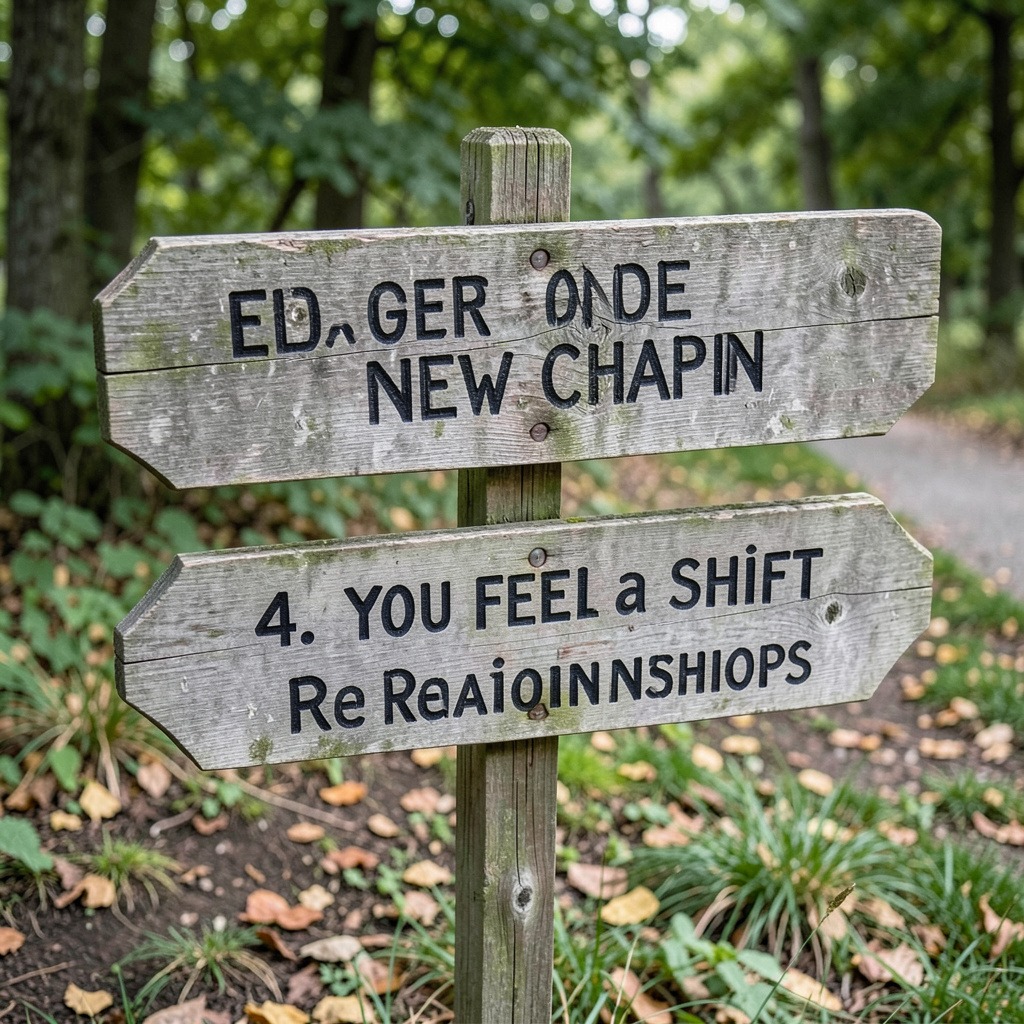
Changes in your feelings toward friendships and relationships can signal that you are entering a new chapter in life. You may find certain connections draining or outdated, while others may begin to feel more meaningful.
Identifying Draining Relationships
Recognizing which relationships are no longer serving you is crucial. Signs include:
- Decreased Energy: Interactions feel exhausting rather than uplifting.
- Lack of Connection: Conversations seem forced or unfulfilling.
- Shifted Interests: Shared activities no longer spark joy or interest.
For example, a person might realize that spending time with a once-close friend now feels like an obligation rather than a choice. This can indicate a need for reevaluation.
Embracing New Connections
As you grow, new relationships can emerge that align better with your evolving self. Look out for:
- Shared Values: New connections resonate with your current beliefs and aspirations.
- Mutual Support: Relationships that foster encouragement and growth.
- Fresh Perspectives: New friends challenge your thinking and inspire you.
Engage in communities or activities that attract individuals who share your interests. This can lead to fulfilling connections that support your transformation.
Managing Emotional Fallout
Navigating relationship changes can evoke a range of emotions. Strategies to cope include:
- Acknowledge Your Feelings: Recognize feelings of sadness or loss as valid.
- Set Boundaries: Protect your energy by limiting time with draining individuals.
- Seek Support: Talk to trusted friends or a therapist about your experiences.
For instance, if you feel lonely after distancing yourself from certain friends, consider reaching out to new acquaintances who share similar passions. This can help ease the transition and foster new, positive relationships.
Checklist for Navigating Changing Relationships
- Assess which relationships energize you versus those that drain you.
- Identify new social groups or activities that resonate with your current self.
- Establish clear boundaries to protect your emotional well-being.
By actively engaging with your relationship dynamics, you can foster connections that support your journey into this new chapter.
5. You Are More Open to Change
A growing comfort with uncertainty often indicates readiness for new experiences and opportunities. This shift is crucial as you enter a new chapter in life.
Understanding the Fear of Change
Change can evoke anxiety. Many associate it with loss or failure. However, embracing change is essential for personal growth. Here’s how to identify and manage that fear:
- Acknowledge Your Feelings: Recognize that fear is a natural response.
- Practice Self-Reflection: Journaling can help clarify your thoughts and feelings about change.
- Seek Support: Talk with friends or a mentor who can offer encouragement.
Embrace Uncertainty
Being open to change means accepting that not everything will be clear. This openness can lead to unexpected opportunities. Here are practical steps:
- Try New Activities: Experiment with hobbies or social groups that excite you.
- Shift Your Routine: Change your daily habits to introduce new perspectives.
- Set Small Goals: Start with minor adjustments, such as changing your route to work or learning a new skill.
Success Stories of Embracing Change
Many individuals have found success by embracing change. Consider these examples:
- Career Shift: A person left a stable job to pursue a passion for art. Initially daunting, this decision led to a fulfilling career and personal satisfaction.
- Relocation: Someone moved to a new city seeking fresh experiences. This change opened doors to new friendships and professional opportunities.
- Personal Transformation: An individual redefined their health journey, leading to improved well-being and confidence.
Checklist for Embracing Change
- Identify what aspects of your life feel stagnant.
- List potential changes that excite you.
- Assess your readiness to take on new challenges.
- Create a support network to help you through transitions.
Embracing change is a sign that you are ready for a new chapter. By welcoming uncertainty, you open yourself to growth and transformation.
6. You Experience Unexplained Emotional Fluctuations
Frequent mood swings often indicate that you are navigating deeper emotional shifts as you prepare for a new chapter in life. Recognizing these fluctuations can empower you to embrace the transition more fully.
Common Causes of Emotional Fluctuations
Emotional changes can arise from various factors, including:
- Anticipation of Change: As you sense a new chapter approaching, feelings of excitement or anxiety may surface.
- Letting Go of the Past: Mourning old habits or relationships can create inner turmoil.
- Personal Growth: As you evolve, your feelings about yourself and your circumstances may shift.
These fluctuations are not merely random; they are signals from your inner self urging you to acknowledge your readiness for change.
Manage Your Emotions
Managing your emotional state during transitions is crucial for maintaining mental well-being. Consider these practical steps:
- Practice Mindfulness: Engage in meditation or deep breathing exercises. These practices can help you ground yourself during moments of emotional turbulence.
- Journaling: Documenting your feelings can provide clarity and offer insights into what you truly desire in your new chapter.
- Seek Support: Surround yourself with understanding friends or consider talking to a therapist. Sharing your experiences can alleviate feelings of isolation.
Recognizing the Purpose Behind Your Feelings
Understanding the intent behind your emotional shifts can pave the way for self-discovery. Ask yourself:
- What do these feelings reveal about my current situation?
- Are there recurring themes in my emotions that point to unresolved issues?
- How can I use this emotional energy to fuel positive changes?
For example, if you find yourself longing for solitude, it may signal a need for self-reflection. This insight can guide you in exploring new interests or personal growth avenues that align with your evolving identity.
Checklist for Identifying Emotional Changes
- Notice if you are more irritable or sensitive than usual.
- Reflect on any sudden shifts in your interests or priorities.
- Keep track of emotional patterns over a few weeks to identify triggers.
By recognizing these emotional indicators, you can navigate the complexities of entering a new chapter with greater confidence and purpose.
7. You Are Seeking New Experiences
A desire to try new things often indicates readiness for growth and transformation. This phase can manifest through various interests, hobbies, or learning opportunities. Recognizing these signs can help you embrace the changes ahead.
How New Experiences Foster Growth
Pursuing new experiences encourages personal development. Engaging in unfamiliar activities expands your perspective and enhances your skill set. This process often leads to self-discovery and a clearer understanding of your evolving identity.
Examples of New Experiences:
- Taking a cooking class to explore culinary skills.
- Joining a local book club to engage with different genres.
- Volunteering for community service to gain new insights.
Identifying Interests You Want to Explore
It’s essential to pinpoint what interests you. Reflect on activities that ignite your curiosity. Consider journaling to track your thoughts and feelings about potential new pursuits.
Checklist for Identifying Interests:
- List hobbies you’ve always wanted to try.
- Reflect on past activities that brought you joy.
- Consider skills you wish to develop further.
Tips for Stepping Out of Your Comfort Zone
Stepping out of your comfort zone is crucial for personal growth. Start with small changes to build confidence. Gradually increase the complexity of your experiences as you become more comfortable.
Strategies for Embracing Change:
- Try a new route to work or school for a fresh perspective.
- Attend workshops or seminars on topics of interest.
- Engage with new social groups to broaden your network.
Scenario-Based Insight:
Imagine you’ve always wanted to learn guitar but hesitated due to fear of failure. Start by taking a beginner class or watching online tutorials. This small step can lead to significant personal growth and a fulfilling new hobby.
8. Your Values Are Becoming Clearer
As you enter a new chapter in life, your core values often become more defined. This clarity acts as a guiding compass for your decisions and future direction.
Identifying Your Core Values
Recognizing your core values is essential during transitions. These values are the principles that shape your identity and choices. To identify them, consider the following exercises:
- Reflect on Past Experiences: Think about moments when you felt fulfilled or proud. What values were present during those times?
- List Your Top Values: Write down five values that resonate with you. These could be honesty, creativity, family, or personal growth.
- Evaluate Alignment: Assess whether your daily actions align with these values. Are there discrepancies that need addressing?
How Values Influence Life Choices
Clear values influence your decisions significantly. They provide a framework for evaluating options and making choices that resonate with your authentic self. Here’s how values impact your life:
- Decision-Making: When faced with choices, refer back to your core values. This can clarify what aligns with your true self.
- Setting Goals: Your values should inform the goals you set. For instance, if creativity is a core value, consider pursuing projects that foster innovation.
- Building Relationships: Values shape your social interactions. Surround yourself with individuals who share similar values for deeper connections.
Realigning Your Life with Your Values
Realigning your life with your clarified values can create a sense of stability during transitions. Here are practical steps to help you realign:
1. Create a Decision Framework: Develop a simple checklist to assess decisions based on your values. Ask yourself:
- Does this choice align with my core values?
- Will it bring me closer to my goals?
- How does it affect my relationships?
2. Adjust Your Environment: Surround yourself with influences that reflect your values. This can mean changing your social circle or modifying your daily habits.
3. Practice Mindfulness: Engage in activities that promote self-reflection, such as journaling or meditation. This helps reinforce your values and keeps you grounded.
Example Scenario: Imagine you value work-life balance but find yourself constantly working late. Recognizing this misalignment prompts you to set boundaries, such as leaving the office on time and allocating evenings for personal interests.
By clarifying your values during transitions, you create a roadmap for personal growth. This process empowers you to navigate changes with confidence and intention.
9. You Are Setting Boundaries More Easily
A newfound ability to establish boundaries indicates a shift towards self-respect and personal empowerment. Recognizing your limits is essential for personal growth and entering a new chapter in life.
Understanding the Importance of Boundaries
Boundaries protect your time, energy, and emotional well-being. They signify self-awareness and a commitment to your needs. Setting boundaries can:
- Reduce stress and overwhelm.
- Enhance relationships by fostering respect.
- Promote personal growth by allowing space for self-discovery.
Communicate Your Boundaries
Effective communication is vital when establishing boundaries. Be clear and assertive. Use “I” statements to express your needs.
- Example: “I need to focus on my health, so I will not be available for social events on weekdays.”
- Tip: Practice your statements in low-stakes situations to build confidence.
Examples of Healthy Boundaries
Healthy boundaries vary by individual but often include:
- Declining additional work responsibilities when overwhelmed.
- Limiting time spent with negative influences.
- Designating personal time without interruptions.
Checklist for Establishing Healthy Boundaries
1. Identify areas where you feel drained or uncomfortable.
2. Define what you need to feel safe and respected.
3. Communicate your boundaries clearly and calmly.
4. Be consistent in enforcing these boundaries.
5. Reflect on the impact of your boundaries and adjust as needed.
Scenario: Transitioning to New Boundaries
Consider someone transitioning into a new chapter after a significant life change, such as a breakup. They may realize they need to limit contact with their ex to heal. By setting this boundary, they prioritize emotional recovery and open themselves to new possibilities.
Establishing healthy boundaries is a crucial sign that you are entering a new chapter. It reflects a deeper understanding of your needs and a commitment to your personal growth.
10. You Feel a Strong Desire for Simplicity
A yearning for simplicity often emerges during transitions, prompting you to declutter both physically and emotionally. This desire signals a readiness to shed old layers and embrace new possibilities.
The Benefits of Living Simply
Embracing simplicity can lead to numerous advantages:
- Clarity: Simplifying your environment enhances focus and minimizes distractions.
- Reduced Stress: A decluttered space promotes a sense of calm and control.
- Enhanced Self-Awareness: Fewer possessions allow for deeper reflection on what truly matters.
Start Decluttering
Decluttering serves as a powerful tool for navigating transitions. Here are some strategies to begin:
- Assess Your Space: Identify areas that feel overwhelming.
- Set Clear Goals: Decide what items no longer serve you or align with your current self.
- Implement a System: Use the “one in, one out” rule to maintain balance.
Example Scenario
Imagine you are moving into a new home after a long relationship ends. You may find that many items remind you of the past. By choosing to donate or discard these items, you create space for new memories that reflect your evolving identity.
Emotional Impacts of Simplicity
The emotional effects of simplifying your life are profound. You may experience:
- Emotional Relief: Letting go of unnecessary items can release pent-up feelings.
- A Sense of Control: Managing your space empowers you during uncertain times.
- Connection to Values: A simpler life aligns your environment with your current goals and aspirations.
Practical Steps for Embracing Change
To fully embrace this new chapter, consider these practical steps:
- Reflect Regularly: Take time to evaluate your possessions and emotional state.
- Establish Boundaries: Create clear limits on what you bring into your life.
- Engage in Self-Discovery: Use solitude to explore what simplicity means to you personally.
By taking these steps, you can effectively navigate the transition into a new chapter of your life with clarity and purpose.
11. You Are More Introspective
Increased self-reflection is common when entering a new chapter, leading to deeper understanding and personal insights. This introspection helps clarify your goals, values, and emotional needs.
The Role of Introspection in Growth
Introspection is the act of examining your thoughts and feelings. During transitions, this practice becomes vital. You may find yourself questioning past choices and envisioning future possibilities.
- Self-Awareness: Increased introspection fosters a clearer sense of self. You become aware of what truly resonates with you.
- Emotional Clarity: Examining your emotions can reveal hidden discomforts, making it easier to address them.
Methods for Fostering Deeper Reflection
To enhance your introspective practices, consider the following techniques:
- Mindfulness Meditation: Regular mindfulness exercises can help quiet the mind and promote self-discovery.
- Nature Walks: Spending time in nature allows for a tranquil setting to reflect on your thoughts.
- Creative Outlets: Engaging in art or writing can facilitate deeper insights about your feelings and experiences.
Journaling and Its Benefits
Journaling serves as a powerful tool for self-reflection.
- Track Your Thoughts: Regular entries can highlight patterns in your feelings and behaviors.
- Set Intentions: Use your journal to articulate your aspirations as you navigate this new chapter.
- Example Scenario: Imagine you feel restless in your current job. Journaling about your thoughts can unveil motivations and clarify your next steps, such as pursuing a new career path aligned with your passions.
By implementing these techniques, you can enhance your capacity for introspection, guiding you through your transition with greater insight and purpose.
12. You Find Yourself Daydreaming About Different Futures
Frequent daydreaming about alternative paths or lifestyles indicates a readiness for change and exploration of new possibilities. This mental exercise often reveals deeper desires and aspirations that may otherwise remain unvoiced.
Understanding the Significance of Daydreams
Daydreams serve as a window into your subconscious. They reflect your hopes, fears, and unfulfilled aspirations. When you find yourself envisioning different futures, it signals a need for transformation. This mental shift often occurs during periods of emotional discomfort or when you’re reassessing your current life choices.
Use Daydreams for Goal Setting
Transforming daydreams into actionable goals requires clarity. Here’s how to harness this mental space for personal growth:
- Identify Themes: Notice recurring themes in your daydreams. Do they revolve around career changes, relationships, or creative pursuits?
- Set Specific Goals: Convert these themes into specific, measurable goals. For instance, if you dream about traveling, consider planning a trip or exploring career opportunities that involve travel.
- Create a Vision Board: Visualize your daydreams through imagery. A vision board can crystallize your aspirations and keep you motivated.
Exploring Different Life Scenarios
Engaging with your daydreams can illuminate paths not yet taken. Consider the following examples:
- Career Shift: You daydream about starting your own business. This could indicate a desire for autonomy and creativity. Explore what skills you need to make this a reality.
- Relocation: Imagining life in a different city or country might suggest a craving for change. Assess what aspects of your current environment feel limiting.
- New Relationships: Fantasizing about deeper connections may highlight a need for more fulfilling relationships. Reflect on your current social circle and consider new avenues for meeting like-minded individuals.
Practical Steps for Embracing Change
To navigate the insights gained from your daydreams, consider these strategies:
- Journal Your Thoughts: Document your daydreams and the emotions attached to them. This practice enhances self-awareness and clarity.
- Experiment with Changes: Try small, low-stakes experiments based on your daydreams. Shift your daily routine, try new hobbies, or engage in different social settings.
- Seek Support: Share your aspirations with trusted friends or mentors. Their perspectives can provide valuable feedback and encouragement.
These practices not only facilitate personal growth but also help in recognizing when you are truly entering a new chapter in your life.
13. You Are More Connected to Your Intuition
During significant life transitions, your intuition often becomes a guiding force. You may experience a heightened awareness of your gut feelings, leading you toward your authentic self.
Intuition
Intuition is your inner compass. It’s the instinct that nudges you toward certain decisions or paths. During transitional phases, this intuitive sense often becomes clearer and more pronounced. You might find yourself feeling more attuned to your emotions and thoughts, which can signal that you are entering a new chapter.
Listen to Your Intuition
Paying attention to your intuition is essential for navigating changes. Here are ways to strengthen your intuitive skills:
- Meditation: Regular practice can quiet the mind, making it easier to hear your inner voice.
- Journaling: Document your feelings and instincts daily. This can reveal patterns over time.
- Mindfulness: Engage in activities that promote present awareness. This can enhance your connection to intuition.
Examples of Intuitive Decision-Making
Recognizing intuitive signs can lead to meaningful choices. Consider these scenarios:
- Career Change: You feel an inexplicable pull toward a new field. This sensation may indicate it’s time to pursue something new.
- Relationship Shifts: You sense discomfort in a friendship. Trusting this feeling could lead you to re-evaluate your boundaries and connections.
By developing your intuitive abilities, you empower yourself to embrace change with confidence. Trust that your inner voice is steering you in the right direction, especially during transformative periods.
14. You Experience Changes in Your Energy Levels
Shifts in energy are common indicators of entering a new chapter in life. These fluctuations may manifest as bursts of motivation or unexpected fatigue. Recognizing and managing these changes can support your transition.
Recognizing Energy Shifts
Energy changes often signal that you are processing significant life transitions. You may experience:
- Increased fatigue after seemingly normal days.
- Sudden bursts of motivation to start new projects.
- Changes in sleep patterns, such as waking up at odd hours or needing more rest.
These signs suggest your body is recalibrating to align with your evolving self.
Harness Your Energy
Understanding how to harness your energy during transitions is crucial. Here’s how to optimize your energy levels:
- Observe Patterns: Track your energy fluctuations. Note when you feel energized versus when you feel drained.
- Prioritize Self-Care: Engage in activities that rejuvenate you, such as meditation, exercise, or hobbies.
- Set Boundaries: Protect your energy by saying no to commitments that drain you.
Balancing High and Low Energy Times
Balancing periods of high and low energy can enhance your transition. Consider these practical steps:
- Plan Tasks Accordingly: Schedule demanding tasks during high-energy phases.
- Rest During Lows: Allow yourself time to recharge when your energy wanes.
- Create a Flexible Routine: Design a daily schedule that accommodates your energy levels, providing structure while allowing for adjustments.
Example Scenario: Imagine you are experiencing a transition after a breakup. You may feel bursts of creativity as you explore new interests, but also periods of sadness and fatigue. Recognizing these energy shifts allows you to embrace the highs and rest during the lows, facilitating a smoother transition into your next chapter.
By understanding and managing your energy levels, you can navigate this transformative period with greater ease and confidence.
15. You Feel a Heightened Sense of Purpose
As you enter a new chapter, your sense of purpose often intensifies. This clarity can guide your actions and aspirations, providing a solid foundation during times of change.
Defining Your Sense of Purpose
A heightened sense of purpose encompasses understanding what truly matters to you. It reflects your values, passions, and the impact you wish to create in the world. Recognizing this can empower you to make decisions aligned with your authentic self.
How Purpose Shapes Your Decisions
When your purpose becomes clearer, it influences your choices. You may find yourself saying no to activities that no longer resonate. Conversely, you might pursue opportunities that align with your newfound direction. This alignment fosters greater satisfaction and fulfillment.
Exploring Your Core Motivations
Understanding your core motivations can further clarify your purpose. Reflect on what drives you. Consider the following questions:
- What activities bring you joy?
- When do you feel most fulfilled?
- What values do you want to uphold in your life?
Practical Steps for Embracing Change
1. Journaling: Write about your passions and what you envision for your future.
2. Visualization: Picture yourself living a purposeful life. What does it entail?
3. Feedback: Seek input from trusted friends or mentors about your strengths and potential.
Example Scenario of Transition
Imagine you have spent years in a corporate job that feels unfulfilling. As you explore new hobbies, such as volunteering or creative writing, you discover a passion for helping others express themselves. This newfound purpose may lead you to a career in coaching or community service, reflecting your desire to make a positive impact.
By recognizing these shifts, you can navigate your transition with intention, allowing your sense of purpose to guide you toward a more fulfilling life.
16. You Are Open to Spiritual Growth
An increased interest in spirituality or self-discovery practices often signals readiness for deeper personal transformation. This openness can manifest in various ways, reflecting a desire to explore new dimensions of your life.
The Role of Spirituality in Personal Growth
Spirituality plays a crucial role in personal growth. It often drives individuals to seek deeper meaning and connection. Here are some key aspects:
- Self-Discovery: Exploring spirituality encourages introspection. You begin to understand your values and beliefs.
- Emotional Healing: Spiritual practices can facilitate healing from past traumas, allowing you to release emotional baggage.
- Connection: Engaging with spiritual communities fosters a sense of belonging and support.
Cultivate Spiritual Practices
Cultivating spiritual practices can enhance your journey into a new chapter. Consider these methods:
- Meditation: Regular meditation can quiet the mind and enhance self-awareness. This practice helps you connect with your inner self.
- Journaling: Writing about your thoughts and feelings promotes reflection. It serves as a tool for clarity and emotional processing.
- Mindfulness: Engaging in mindfulness helps you stay present. This awareness can lead to profound insights about your life direction.
Examples of Spiritual Transformation
Real-life examples illustrate spiritual transformation:
- Shifting Beliefs: A person may move from materialistic views to valuing experiences and relationships more deeply.
- New Practices: Someone might adopt yoga or meditation, leading to improved mental health and emotional stability.
- Community Involvement: Engaging in volunteer work can shift focus from self to serving others, enhancing life satisfaction.
Practical Steps for Embracing Change
1. Identify Interests: Reflect on what draws you to spirituality.
2. Set Intentions: Define clear goals for your spiritual journey.
3. Seek Resources: Explore books, workshops, or online courses on spirituality.
By fostering spiritual practices and reflecting on your journey, you can navigate this new chapter with intention and clarity.
Frequently Asked Questions
These quick answers cover the most common questions about this topic, including key details, practical tips, and common concerns.
What are signs you need a new chapter?
Signs that you may need a new chapter include feelings of restlessness, a desire for solitude, and a lack of excitement for previously enjoyed goals. You might also notice shifts in relationships or experience emotional fluctuations. These indicators suggest that your current situation may no longer align with your evolving self, prompting a need for change.
What are some spiritual signs that change is coming?
Spiritual signs of impending change can manifest as heightened intuition, a desire for deeper self-reflection, or increased interest in spirituality. You may also experience emotional discomfort or a sense of urgency to let go of past habits and relationships. These feelings often indicate that you are ready to embrace transformation and personal growth.
How to tell if the universe is sending you signs?
To recognize if the universe is sending you signs, pay attention to recurring themes or coincidences in your life. Notice feelings of excitement or discomfort that arise in response to certain situations. These signals often guide you toward decisions that align with your true self. Journaling about your experiences can help clarify these messages.
Are you experiencing internal feelings or external changes?
You might be experiencing a mix of both. Internal feelings, such as restlessness or a shift in values, often accompany external changes like a job transition or relocation. Reflect on which aspects of your life feel most significant right now. Identifying these patterns can help you navigate your transition more effectively.
What should readers know about examples of successful transitions?
Successful transitions often involve clear intention and self-reflection. For instance, someone may leave a corporate job to pursue a passion for art, aligning their career with personal values. Another example is a person moving to a new city to seek fresh opportunities, which can lead to new relationships and personal growth. These stories illustrate the importance of embracing change and following your instincts.
What should readers know about tips for maintaining mental health during transitions?
Maintaining mental health during transitions involves setting boundaries, practicing self-care, and seeking support. Engage in activities that rejuvenate you, like exercise or meditation. Journaling can also help process emotions. Surround yourself with supportive friends or consider professional help if feelings of overwhelm persist. Prioritizing your well-being is essential during times of change.
When should I expect changes in my life?
Changes can occur at any time, but they often arise during significant life events, such as career shifts, relationship changes, or personal milestones. Pay attention to feelings of restlessness or dissatisfaction, as these can signal that you are ready for transformation. Being open to change allows you to recognize and embrace new opportunities as they present themselves.