
The 12 grapes superstition involves eating a grape at each of the 12 clock strikes at midnight on New Year’s Eve, a tradition believed to bring good luck and prosperity for each month of the upcoming year.
Celebrated primarily in Spain and parts of Latin America, the tradition of eating 12 grapes at midnight on New Year’s Eve is steeped in history and superstition. This ritual aims to attract good fortune and prosperity for the year ahead.
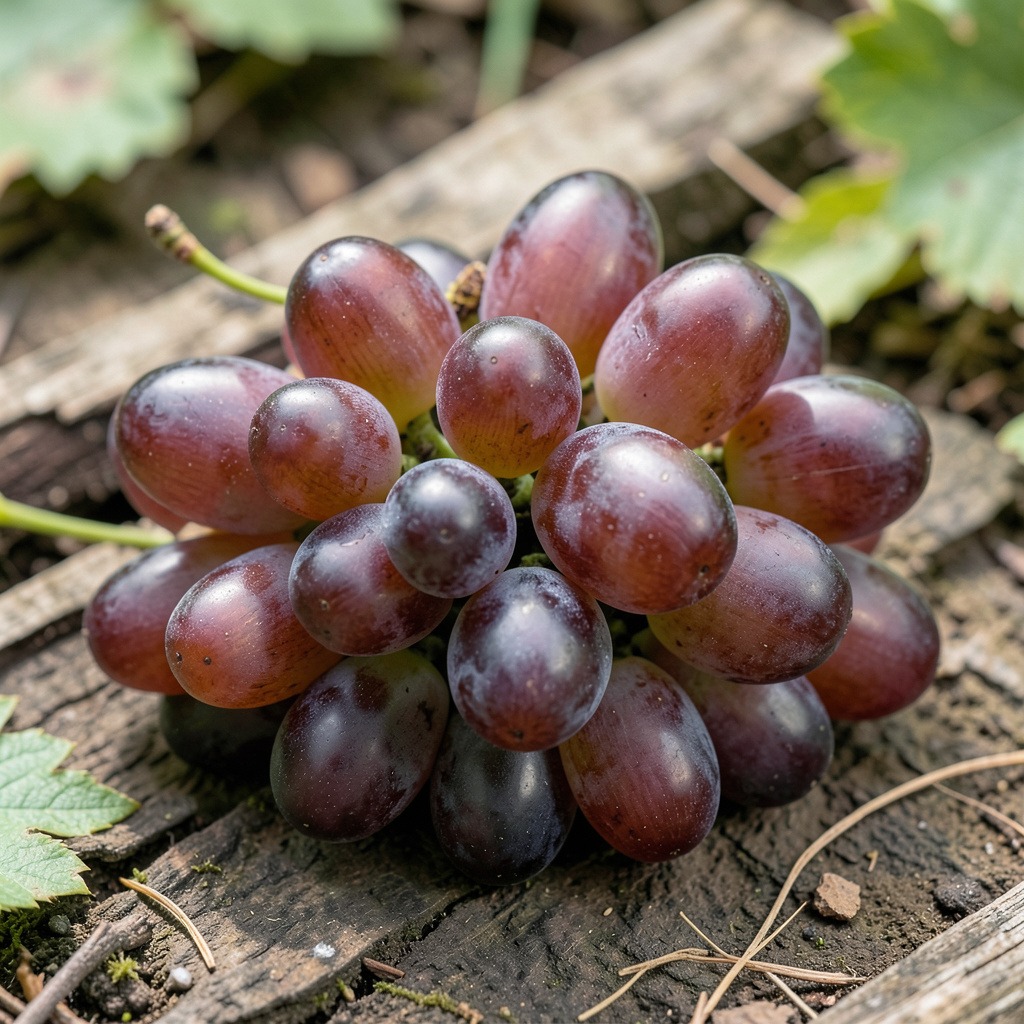
The Historical Origins of the 12 Grapes Tradition
The 12 grapes superstition has deep roots in Spanish culture, dating back over a century. This vibrant ritual not only symbolizes good luck but also illustrates the clever marketing of grape growers.
The Birth of a Tradition in Alicante
The tradition is widely believed to have started in Alicante, Spain, around 1909. A surplus of grapes that year led local grape farmers to promote the idea of eating 12 grapes at midnight, each representing a month of the coming year. This clever marketing strategy quickly transformed into a beloved custom.
Over time, the practice spread throughout Spain. It became a national spectacle, with people gathering in public squares to participate. The urgency of finishing all 12 grapes before the clock strikes midnight adds an element of excitement to the ritual.
The Role of Grape Farmers in Popularizing the Ritual
Grape farmers played a pivotal role in popularizing this tradition. The original intent was to boost sales during a surplus year. However, the ritual evolved beyond commercial interests. It became intertwined with Spanish identity and New Year celebrations.
The 12 grapes ritual also took on various regional variations. For example, some regions have begun incorporating different types of grapes, such as green or red, each believed to bring unique blessings.
Table of Contents
Grape Types and Their Significance
| Grape Type | Significance |
|---|---|
| White Grapes | Purity and new beginnings |
| Red Grapes | Passion and love |
| Black Grapes | Protection and strength |
This cultural significance was not limited to Spain. The tradition migrated to Latin America, where it adapted and flourished. Each country has its own twist, but the core idea remains the same: to invite good fortune and prosperity for the new year.
As social media gained traction, the ritual’s popularity surged. Many people share their countdown experiences online, further cementing its place in modern culture. The essence of the tradition remains intact, bringing people together in celebration and hope for the future.
Cultural Significance and Symbolism of Grapes
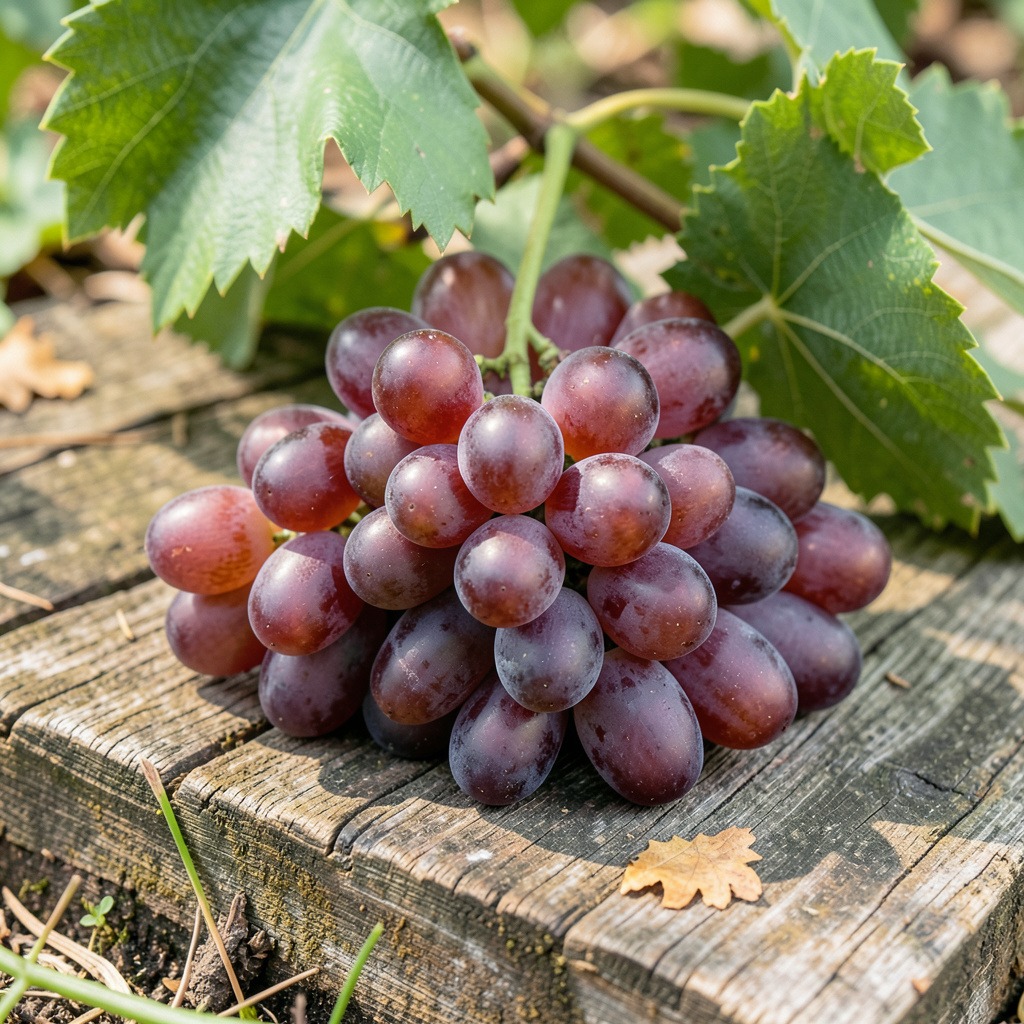
Grapes hold a rich symbolism across various cultures, often associated with abundance, prosperity, and celebration. This significance extends to the New Year’s tradition of eating 12 grapes at midnight, where each grape embodies a wish for the upcoming months.
Grapes as Symbols of Abundance
In many cultures, grapes symbolize abundance and fertility. This association likely stems from their status as a fruit of plenty. In the context of the New Year’s Eve ritual, each grape eaten signifies a month filled with hope and good fortune.
- Spain: In Spain, the tradition of “Las doce uvas de la suerte” ties each grape to a specific wish, promoting a mindset of optimism as the year unfolds.
- Greece: In Greek culture, grapes are associated with Dionysus, the god of wine and festivity, representing joy and revelry.
- China: In Chinese traditions, grapes symbolize wealth and prosperity, making them a popular choice for celebrations.
Regional Variations in Grape Symbolism
While the Spanish tradition of eating 12 grapes is the most recognized, other cultures also celebrate grape symbolism, albeit in different forms.
| Region | Grape Symbolism |
|---|---|
| Spain | Good luck for each month |
| Greece | Joy and festivity related to Dionysus |
| China | Wealth and prosperity |
| Italy | Fertility and abundance in harvest festivals |
In Italy, grapes often appear in harvest rituals, underscoring their association with fertility and abundance. Each grape eaten during these festivities also carries the hope for a prosperous year ahead.
Modern Adaptations Influenced by Social Media
Recent trends have seen the 12 grapes ritual evolve, particularly through social media platforms. Participants often share their experiences, showcasing creative ways to incorporate the tradition into their celebrations.
For example, some individuals film themselves eating grapes while making wishes, merging cultural significance with modern storytelling. This adaptation not only keeps the tradition alive but also attracts a younger audience eager to engage with its rich symbolism.
As the tradition continues to flourish, the underlying meaning of grapes as symbols of abundance remains a focal point in various cultural practices around the world.
How to Participate in the 12 Grapes Tradition

Engaging in the 12 grapes superstition is a fun and meaningful way to welcome the New Year. Follow these step-by-step instructions to successfully partake in this tradition.
Preparing Your Grapes: Choosing the Right Type
1. Select Your Grapes: Opt for seedless varieties for easier eating. Common choices include green grapes or red grapes. Both symbolize abundance and luck.
2. Wash and Prepare: Clean the grapes thoroughly. You can leave them whole or skewer them for convenience.
3. Count Them Out: Make sure you have exactly 12 grapes, one for each month of the coming year.
Setting the Scene for Midnight: Timing and Atmosphere
1. Check the Time: Be aware of the countdown to midnight. You need to eat one grape for each of the 12 chimes leading up to the New Year.
2. Create a Festive Atmosphere: Set up your environment. Consider dimming the lights, playing celebratory music, and gathering friends or family to share the experience.
3. Make Your Wishes: As you eat each grape, take a moment to make a wish for each month. Visualize your hopes and intentions as you enjoy each bite.
Checklist for Beginners
- Grapes: 12 seedless grapes (green or red).
- Preparation: Fresh and washed.
- Timing: Be ready at least 5 minutes before midnight.
- Atmosphere: Music, decorations, and people to share the moment with.
- Wishes: Think of specific intentions for each month.
By following these steps, you can fully embrace the tradition of eating 12 grapes at midnight, ensuring a hopeful and prosperous start to your New Year.
Common Issues and Misconceptions about the Tradition
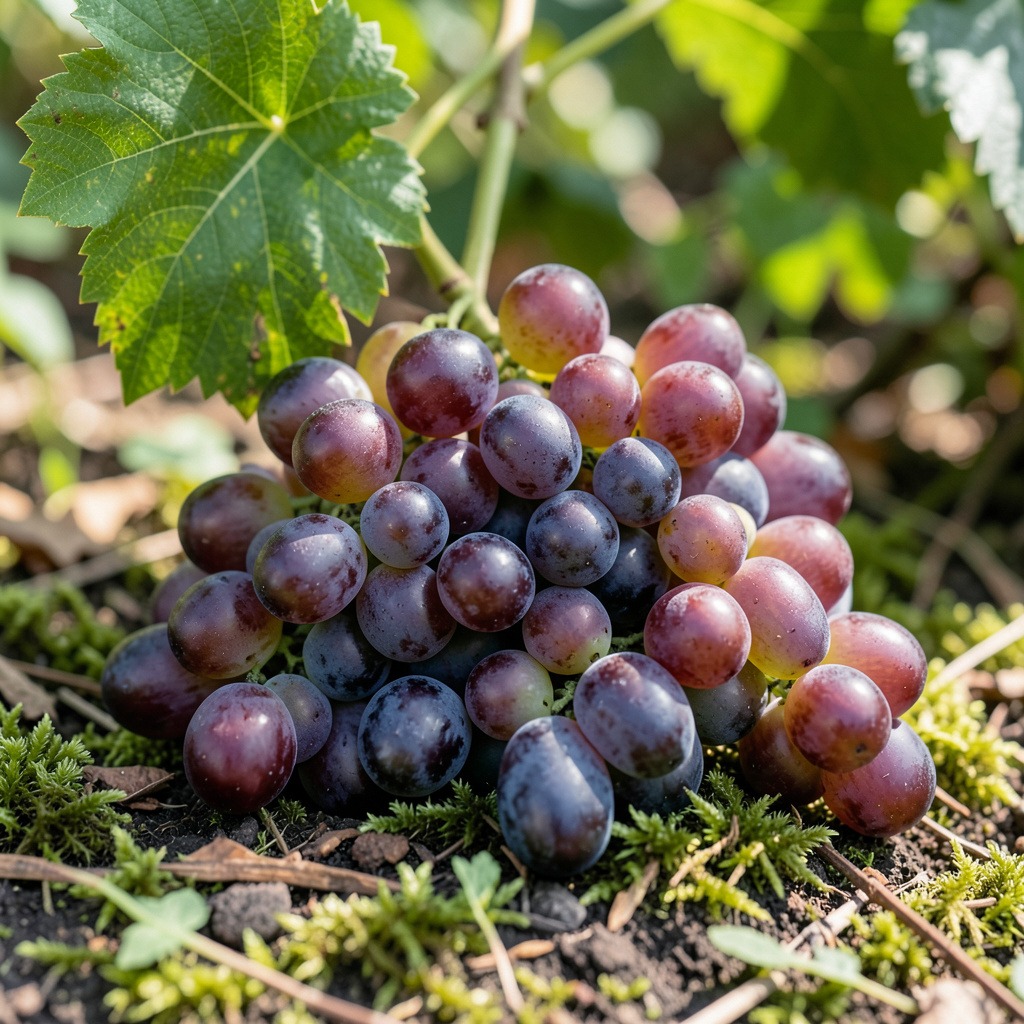
The tradition of eating 12 grapes at midnight is rich with cultural significance, yet misunderstandings often lead to confusion. Here, we address common issues and misconceptions that can arise during this ritual.
What If You Can’t Finish All 12 Grapes?
Many people worry about the pressure to eat all 12 grapes in time. If you struggle to keep up with the clock, remember that the spirit of the tradition is more important than perfection. Here are some tips:
- Prepare Ahead: Practice eating grapes before the event, so you feel comfortable.
- Choose the Right Grapes: Opt for smaller varieties like Aledo grapes, which are easier to consume quickly.
- Focus on Enjoyment: If you miss a grape, don’t stress. The intention behind each bite is what counts.
The Myth of Eating Under the Table
A popular modern twist involves eating the grapes while sitting under a table, purportedly to manifest romance or other desires. This practice, while entertaining, is not an essential part of the tradition. Here are key points to consider:
- Cultural Variation: Eating under the table is a fun adaptation but not universally practiced. Many enjoy the tradition simply by eating the grapes at the stroke of midnight.
- Focus on the Grapes: The core of the tradition remains the grapes themselves—each representing a month of the upcoming year.
- Health Considerations: If you’re concerned about choking or digestive issues, consider slicing the grapes or opting for seedless varieties.
Common Issues During the Ritual
Participants may face various challenges during the grape-eating tradition. Here’s a quick checklist to enhance your experience:
- Preparation: Ensure your grapes are washed and ready. Have them within reach before midnight.
- Timing: Keep an eye on the clock. Be ready to start eating as soon as the clock strikes twelve.
- Wishes: Take time to think of specific intentions for each month, even if you don’t manage to eat all the grapes.
By being aware of these common issues and misconceptions, you can approach the 12 grapes tradition with confidence and joy.
The Modern Adaptation: Social Media Influence and the ‘Grape Theory’
Social media has significantly influenced the way people engage with the 12 grapes tradition. Platforms like TikTok have introduced new interpretations and rituals, reshaping this age-old custom.
How TikTok Reinvented the Tradition
TikTok has played a pivotal role in popularizing the 12 grapes superstition. Users share creative videos showcasing their attempts to eat the grapes at midnight. This has led to various trends, including unique ways to prepare and serve the grapes.
- Visual Appeal: Many TikTok creators emphasize aesthetics, presenting grapes on colorful platters or skewered for easier eating.
- New Rituals: Some videos suggest eating grapes under the table, claiming it brings extra luck or protection. This twist has sparked discussions and variations in how the tradition is practiced.
- Community Engagement: The platform fosters a sense of community, as users share their successes and struggles, making the experience more relatable and fun.
The ‘Grape Theory’: What Does It Mean?
The ‘grape theory’ has emerged as a social media phenomenon, adding depth to the tradition. This concept suggests that the emotional and psychological aspects of making wishes while consuming the grapes can amplify their perceived power.
- Wish Alignment: Each grape eaten corresponds to a wish for the respective month. Users emphasize the importance of focusing on specific desires as they eat.
- Social Sharing: Many participants share their wishes online, creating a collective experience. This digital sharing reinforces the belief in the tradition’s effectiveness.
- Personal Testimonials: Videos often feature stories of past successes attributed to this ritual, enhancing its appeal and encouraging others to join in.
Key Takeaways for Participants
To successfully engage with the modern interpretations of the 12 grapes tradition, consider the following:
- Preparation: Choose visually appealing grapes and consider presentation to enhance the experience.
- Engagement: Participate in online discussions or share your own experiences to connect with others.
- Focus on Wishes: While enjoying the grapes, concentrate on your intentions for each month to maximize the ritual’s significance.
By embracing these modern adaptations, participants can enrich their experience of the 12 grapes superstition, blending tradition with contemporary social interactions.
Comparative Analysis: 12 Grapes vs. Other New Year’s Superstitions
The tradition of eating 12 grapes at midnight offers a unique way to welcome the new year, but it is not the only New Year’s superstition practiced around the world. This section examines the similarities and unique aspects of the 12 grapes tradition compared to other popular New Year’s rituals.
Similarities with Other Cultural Practices
Many cultures incorporate food, specific actions, or symbols to invite good luck and prosperity for the coming year. Here are a few notable practices:
- Midnight Kissing: In the United States, it is customary to kiss someone at midnight. This act symbolizes love and closeness, akin to the intimate nature of sharing grapes with loved ones.
- Fireworks: Celebrated globally, fireworks signify the expulsion of bad spirits and welcome new beginnings, similar to how the 12 grapes are believed to cleanse the past and bring luck.
- Lucky Foods: In many cultures, specific foods are consumed for luck. For instance, in Southern U.S. traditions, black-eyed peas are eaten for prosperity.
Unique Features of the 12 Grapes Tradition
The 12 grapes superstition has distinct characteristics that set it apart from other New Year’s rituals:
- Timed Consumption: The ritual involves eating one grape with each of the twelve strokes of midnight, making it a timed challenge that fosters excitement and engagement.
- Monthly Wishes: Each grape represents a month, allowing participants to make specific wishes, which adds a personal touch not always found in other customs.
- Cultural Origin: Originating from Spain, this tradition has specific cultural roots and historical context, connecting participants to a broader narrative of Spanish heritage.
Comparative Table of New Year’s Traditions
| Tradition | Cultural Origin | Key Action | Symbolism |
|---|---|---|---|
| 12 Grapes | Spain | Eat 12 grapes at midnight | Good luck for each month |
| Midnight Kissing | United States | Kiss at midnight | Love and closeness |
| Fireworks | Global | Light fireworks | Expelling bad spirits |
| Black-Eyed Peas | Southern U.S. | Eat black-eyed peas | Prosperity and good fortune |
| First-Footing | Scotland | First visitor enters home | Brings luck and good fortune |
This table highlights the diversity of traditions while showcasing the specific focus and engagement of the 12 grapes superstition. Each practice reflects cultural values and hopes for the future, making New Year’s celebrations a rich tapestry of customs worldwide.
Personal Stories: Testimonials from Tradition Participants
The tradition of eating 12 grapes at midnight holds deep personal significance for many. Here are some heartfelt stories from those who have embraced this ritual.
Heartwarming Success Stories
1. Ana from Madrid: “Every New Year’s Eve, my family gathers around the table. We each take turns making a wish as we eat the grapes. One year, after all 12, I got the job I had been dreaming about. It truly felt like magic.”
2. Carlos in Barcelona: “My grandmother taught me the tradition when I was a child. Now, I continue it with my children. We laugh and cheer as the clock strikes, and it brings us closer together each year. The grapes symbolize hope for our family.”
3. Lucia from Valencia: “I was skeptical at first. But after finishing all my grapes and making wishes, I found love within the year. Now, it’s a must-do for me. It’s more than just a superstition; it’s a way to manifest dreams.”
Lessons Learned from the Tradition
- Community Bonding: Families often use this tradition as an opportunity to bond. Shared experiences create lasting memories.
- Mindful Wishes: The process encourages participants to reflect on their desires for the coming year, fostering mindfulness.
- Cultural Heritage: Engaging in this practice connects individuals to their roots, reminding them of their cultural identity and traditions.
Tips for a Successful Grape Ritual
- Prepare Ahead: Have grapes ready before midnight. Consider using Aledo grapes for their sweetness and tradition.
- Practice Timing: Familiarize yourself with the countdown. Each grape corresponds to a chime, so practice can help you succeed.
- Create a Wish List: Write down your wishes beforehand. This can help you focus as you eat each grape.
Embracing the 12 grapes tradition not only invites good fortune but also strengthens connections with loved ones and cultural heritage.
Final Thoughts on the 12 Grapes Superstition
The 12 grapes superstition remains a vibrant part of New Year’s celebrations, particularly in Spain. This tradition invites individuals to engage in a hopeful ritual that intertwines cultural identity with the anticipation of a prosperous year ahead.
Cultural Significance
The act of eating 12 grapes at midnight symbolizes wishes for each month of the new year. This practice fosters a sense of community and continuity, as families and friends gather to share in the experience. Each grape is more than just a fruit; it embodies hope, abundance, and the collective spirit of celebration.
Modern Adaptations
Social media has transformed how this tradition is celebrated. Many share their experiences online, showcasing creative variations—from using brightly colored grapes to innovative serving methods. TikTok trends often highlight this custom, encouraging younger generations to participate.
Practical Tips for Participation
To fully embrace the 12 grapes tradition, consider these practical tips:
- Choose the Right Grapes: Aledo grapes are favored for their sweetness and historical significance.
- Timing is Key: Ensure you eat one grape with each chime of the clock. Practice can make this easier.
- Focus on Your Wishes: Write down your aspirations for the year ahead. This helps you concentrate as you eat each grape.
Embracing the 12 grapes ritual fosters connections to cultural heritage while evolving with contemporary influences. This balance between tradition and modernity enriches the experience, making it relevant for new generations.
Frequently Asked Questions
These quick answers cover the most common questions about this topic, including key details, practical tips, and common concerns.
Do I eat 12 grapes before or after midnight?
You should eat the 12 grapes at midnight, specifically during the 12 chimes of the clock. Each grape corresponds to one chime, and it’s essential to finish each grape before the next chime sounds. This timing is crucial as it symbolizes making a wish for each month of the upcoming year.
What happens if I don’t finish the 12 grapes?
If you don’t finish all 12 grapes in time, it’s believed that you may miss out on the good luck associated with the tradition. However, the spirit of the ritual is more about intention and hope than perfection. Many participants find joy in the process, so don’t stress if you can’t keep up.
What does it mean to eat grapes under the table on New Year’s Eve?
Eating grapes under the table is a modern twist on the tradition, often associated with attracting luck in love or other desires. While it adds a playful element to the ritual, it is not a core part of the original tradition. Most people simply enjoy eating their grapes at the table while making wishes.
What country eats 12 grapes?
The 12 grapes superstition is most famously celebrated in Spain. It is also practiced in various Latin American countries, where the tradition has adapted to local customs. Each grape eaten at midnight symbolizes a wish for good fortune in each month of the new year.
Why do people eat 12 grapes at midnight on New Year’s Eve?
People eat 12 grapes at midnight to invite good luck and prosperity for each month of the coming year. This tradition originated in Spain around 1909, when grape farmers promoted it as a way to boost sales. Over time, it evolved into a beloved custom that brings families and friends together in celebration.
What if I don’t have grapes?
If you don’t have grapes, consider alternatives that also symbolize abundance and good fortune. Some people use other fruits like pomegranates or cherries, or even small candies. The key is to maintain the spirit of the tradition by making wishes for each month, regardless of the fruit you choose.
How does this tradition compare to other New Year’s rituals?
The 12 grapes tradition shares similarities with other New Year’s customs, such as midnight kissing or eating specific foods for luck. However, it is unique in its timed consumption, where each grape corresponds to a wish for a month. This personal aspect sets it apart from more general celebrations found in other cultures.