
The 12 disciples of Jesus are Peter, Andrew, James, John, Philip, Bartholomew, Thomas, Matthew, James (son of Alphaeus), Thaddeus, Simon the Zealot, and Judas Iscariot, each with unique stories and contributions to Christianity.
The 12 disciples of Jesus, chosen to share His teachings and witness His miracles, played pivotal roles in early Christianity. Each disciple’s story reveals their unique backgrounds, challenges, and legacies in spreading the Gospel and establishing the Church.
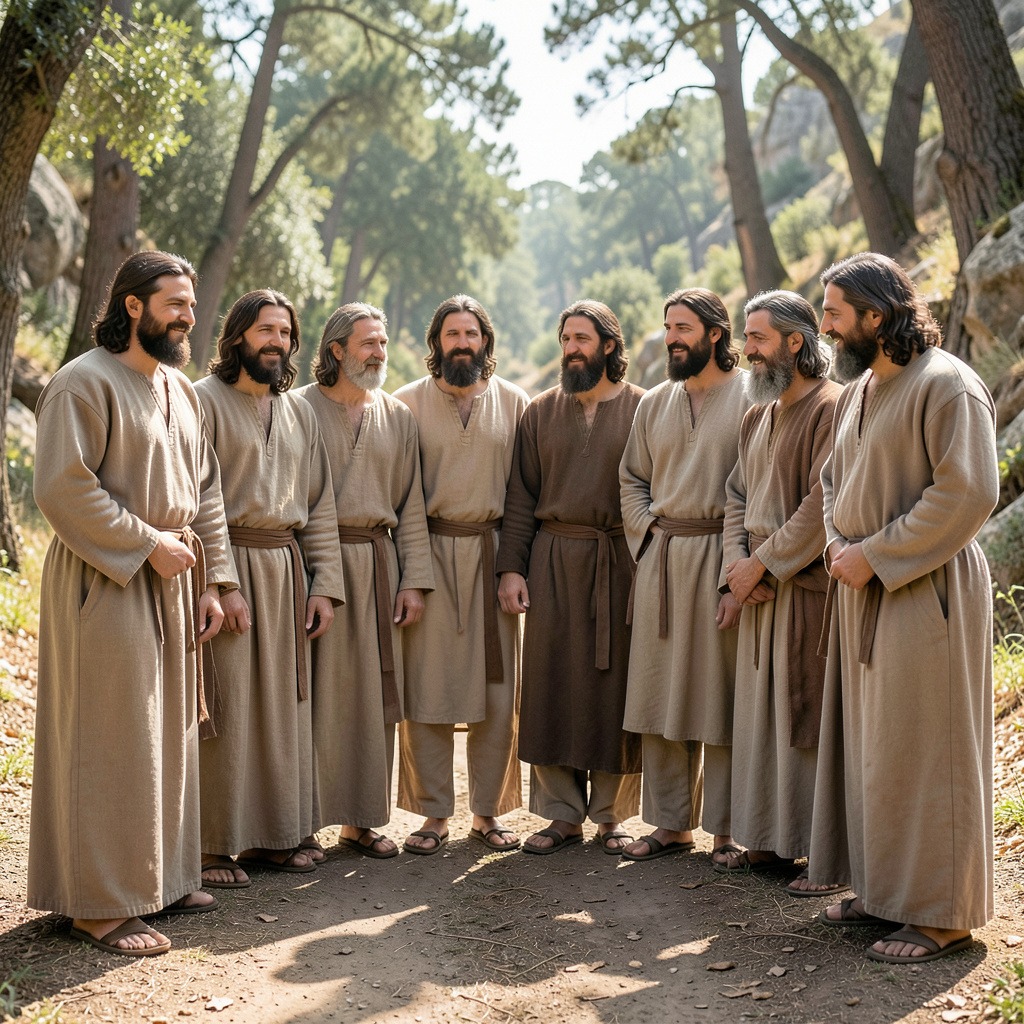
The 12 Disciples of Jesus: An Overview
The twelve disciples of Jesus represent a foundational element of Christianity. These individuals, often referred to as apostles, were chosen by Jesus to spread His teachings and establish the Church. Each disciple has a unique story that contributes to their significance in the Christian faith.
The Importance of Discipleship
Discipleship is central to understanding Christianity. Jesus selected these twelve men not for their social status or educational background, but for their willingness to follow Him. They were ordinary individuals—fishermen, a tax collector, and a political revolutionary—who became extraordinary leaders in the early Church. Their collective influence shaped the spread of the Gospel.
Who Were the 12 Disciples?
Here is a concise list of the twelve disciples along with a brief overview of their backgrounds:
| Name | Background/Profession | Role/Significance | Fate/Death |
|---|---|---|---|
| Peter | Fisherman | Leader of the disciples, first pope | Crucified upside down |
| Andrew | Fisherman | Peter’s brother, first called | Crucified on an X-shaped cross |
| James (son of Zebedee) | Fisherman | Part of Jesus’ inner circle | Beheaded by Herod Agrippa |
| John | Fisherman | Beloved disciple, author of Gospel of John | Died of natural causes in Ephesus |
| Philip | Fisherman | Evangelized in Greece, known for asking questions | Crucified on a cross |
| Bartholomew (Nathanael) | Unknown | Witnessed Jesus’ miracles | Flayed alive and beheaded |
| Matthew (Levi) | Tax collector | Author of the Gospel of Matthew | Died as a martyr, details unclear |
| Thomas | Unknown | Known for doubting Jesus’ resurrection | Died by spear in India |
| James (son of Alphaeus) | Unknown | Often overshadowed, part of the Twelve | Stoned to death |
| Thaddaeus (Judas, son of James) | Unknown | Known for his question during Last Supper | Killed with arrows |
| Simon the Zealot | Political revolutionary | Advocated for Jewish independence | Crucified or sawed in half |
| Judas Iscariot | Treasurer of the disciples | Betrayed Jesus for thirty pieces of silver | Died by suicide after betrayal |
| Matthias | Chosen to replace Judas | Continued the apostolic mission | Traditionally believed to have died a martyr |
Insights into Their Collective Influence
The disciples’ stories illustrate a powerful theme: God’s ability to use ordinary people for extraordinary purposes. Their diverse backgrounds highlight that anyone can be a vessel for divine work. This inclusivity fosters a sense of community within Christianity.
As the disciples spread Jesus’ teachings, they also faced persecution and hardship, reinforcing the strength of their faith. Their collective actions and writings laid the groundwork for the Christian Church, emphasizing the importance of discipleship in every believer’s life today.
1. Peter: The Rock of the Church
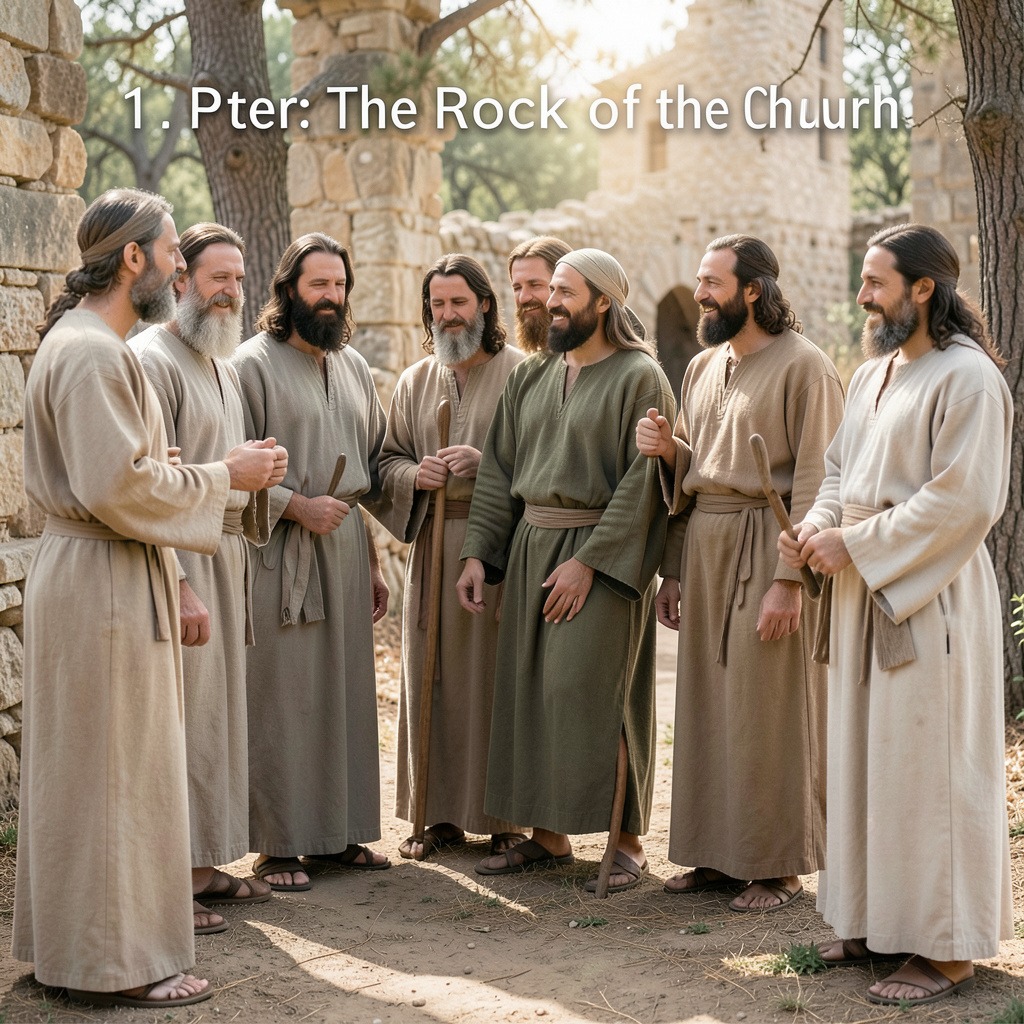
Peter, originally known as Simon, played a pivotal role among Jesus’ disciples. His transformation from a humble fisherman to a foundational leader of the Christian Church illustrates the power of faith and redemption.
Early Life and Calling
Peter was born in Bethsaida, a fishing village on the Sea of Galilee. He worked alongside his brother Andrew, also a disciple. Their profession as fishermen highlights their humble beginnings.
- Name Change: Jesus renamed him Peter, meaning “rock,” signifying his future leadership role.
- First Encounter: Andrew introduced Simon to Jesus, marking the start of a profound relationship.
Key Events in Peter’s Ministry
Peter’s journey with Jesus was marked by significant moments that shaped his faith.
- Confession of Faith: Peter declared Jesus as the Messiah, showcasing his deep understanding and recognition of Jesus’ divine nature.
- Denial and Restoration: After denying Jesus three times, Peter’s restoration at the resurrection demonstrates the theme of forgiveness and redemption.
Peter’s experiences illustrate the duality of human nature—flawed yet chosen. His boldness emerged particularly after Pentecost, where he delivered a powerful sermon, catalyzing the early Church’s growth.
Martyrdom and Legacy
Peter’s legacy extends beyond his life.
- Leadership: He became a central figure in the early Church, guiding and teaching new believers.
- Martyrdom: Tradition holds that Peter was martyred in Rome, crucified upside down, symbolizing his profound commitment to Christ.
Peter’s life serves as a testament to the transformative power of faith. His journey from fisherman to a leader exemplifies the potential within each individual to contribute significantly to their community and faith. His teachings and actions continue to inspire millions, underscoring the importance of resilience and conviction in the Christian faith.
2. Andrew: The First Disciple

Andrew, the first disciple called by Jesus, played a crucial role in the early Christian movement. His dedication to bringing others to Christ established a pattern of evangelism that shaped the Church’s growth.
Andrew’s Early Life
- Background: Andrew was born in Bethsaida, alongside his brother Simon Peter. Both were fishermen by trade.
- Early Influence: Before meeting Jesus, Andrew was a disciple of John the Baptist, indicating his desire for spiritual truth.
- Cultural Context: Andrew’s Greek name suggests connections to the broader Hellenistic world, which influenced his ministry approach.
His Role in the Gospels
Andrew’s significance extends beyond being the first disciple. His actions reflect a consistent role as a connector.
- First Encounter with Jesus: Andrew met Jesus through John the Baptist. After this encounter, he immediately sought out Simon Peter to introduce him to Christ, demonstrating his evangelistic spirit.
- Bringing Others to Jesus: He also brought a boy with five loaves and two fish to Jesus, which led to the miraculous feeding of the 5,000. This illustrates his knack for recognizing potential and facilitating connections.
- Lesser-Known Contributions: While Andrew is often overshadowed by Peter, his role in introducing key figures to Jesus was foundational. He was instrumental in expanding Jesus’ following.
Legacy and Impact
Andrew’s legacy is characterized by his commitment to sharing the Gospel.
- First Evangelist: His actions set a precedent for evangelism, focusing on personal relationships rather than public preaching.
- Martyrdom: Tradition holds that Andrew was martyred by crucifixion on an X-shaped cross, which is now known as St. Andrew’s Cross.
- Continued Influence: His legacy persists in the Church’s emphasis on personal evangelism. Andrew exemplifies the idea that every believer has a role in sharing their faith.
Andrew’s life and actions provide a model for modern Christians. His ability to connect others to Christ is a powerful reminder of the impact one individual can have in the faith journey of others.
3. James and John: Sons of Thunder

James and John, two of Jesus’ closest disciples, exemplified contrasting personalities and roles within the early Christian community. Their unique contributions and fates significantly shaped the narrative of the New Testament.
James: The First Martyr
James, son of Zebedee, was a passionate follower of Christ. He, along with his brother John, was among the first disciples called by Jesus while fishing with their father. Their immediate response to leave their nets showcased their commitment.
- Role in Ministry: As part of Jesus’ inner circle, James witnessed pivotal events, including the Transfiguration.
- Martyrdom: Tradition holds that he was the first of the twelve to be martyred, executed by Herod Agrippa I around AD 44. His boldness in preaching the Gospel made him a target, emphasizing the risks early Christians faced.
- Legacy: James’ martyrdom underscores the gravity of faith and the cost of discipleship, serving as an inspiration for believers today.
John: The Beloved Disciple
John, the younger brother of James, is often referred to as the “Beloved Disciple.” His writings and insights have profoundly impacted Christian theology.
- Background: Like James, John was a fisherman. However, his personality was marked by a deep emotional connection to Jesus, leading to a focus on love and spirituality in his teachings.
- Unique Contributions: John authored the Gospel of John, which emphasizes the divinity of Christ. His writings include profound theological reflections, such as the concept of agape love and the nature of Jesus as the Word.
- Later Life: Unlike James, John lived to an old age and was exiled to the island of Patmos. His experiences and writings continue to influence Christian thought profoundly.
Comparison of Their Significance
James and John represent two distinct paths within the same ministry:
| Aspect | James | John |
|---|---|---|
| Personality | Zealous and passionate | Reflective and contemplative |
| Role | Active preacher, early martyr | Theologian, Gospel writer |
| Fate | First martyr among the disciples | Long-lived, influential in early church |
| Teachings | Focused on action and commitment | Emphasized love and divine nature |
Their contrasting paths illustrate the diverse ways disciples can serve and contribute to the faith. Both brothers left lasting legacies that continue to inspire Christians.
4. Philip and Bartholomew: The Seekers
Philip and Bartholomew exemplify the qualities of inquiry and steadfast faith. Their journeys reveal how they contributed to Jesus’ ministry and spread His teachings.
Philip’s Journey
Philip was known for his inquisitive nature. He hailed from Bethsaida, a town with strong ties to fishing and commerce. His Greek name suggests a cultural blend, positioning him as a bridge between Jewish and Gentile communities.
- Call to Discipleship: Jesus directly invited Philip to follow Him, demonstrating the intimate nature of their relationship. Philip responded immediately, embodying readiness and commitment.
- Evangelistic Spirit: After his calling, Philip sought to share his discovery of Jesus with Nathanael, saying, “Come and see.” This reflects his eagerness to introduce others to the faith.
- Role as Intermediary: Philip’s interactions with Greek seekers inquiring about Jesus highlight his role as a connector between diverse communities. His analytical mindset allowed him to engage skeptics effectively, asking them to experience Jesus for themselves.
Philip’s contribution was not only in following Jesus but also in facilitating others’ journeys toward faith. His actions underscore the importance of curiosity in spiritual exploration.
Bartholomew’s Faithfulness
Bartholomew, often identified with Nathanael, displayed remarkable faithfulness. His character was marked by honesty and integrity.
- Background: Bartholomew likely came from a devout Jewish background. His immediate recognition of Jesus as the Messiah indicates a deep understanding of the Scriptures.
- Witness to Miracles: He may have witnessed Jesus’ early miracles in Cana, establishing a strong connection to Jesus’ ministry from the outset.
- Martyrdom: Bartholomew is traditionally believed to have faced martyrdom, enduring extreme suffering for his faith. This ultimate sacrifice reflects his unwavering commitment to Jesus’ teachings.
Bartholomew’s steadfastness serves as an example of loyalty and courage in the face of adversity. His story encourages believers to remain faithful even in challenging circumstances.
Summary of Their Contributions
| Disciple | Key Traits | Major Actions | Fate |
|---|---|---|---|
| Philip | Inquisitive, Evangelistic | Brought Nathanael to Jesus; engaged seekers | Martyrdom |
| Bartholomew | Honest, Faithful | Recognized Jesus’ divinity; spread gospel truths | Martyrdom |
The legacies of Philip and Bartholomew highlight different yet complementary approaches to faith. Philip’s quest for understanding and Bartholomew’s commitment to truth illustrate how varied paths can lead to a shared mission in spreading the gospel.
5. Thomas and Matthew: Doubt and Redemption
Thomas and Matthew exemplify the transformative power of faith. Their journeys highlight how doubt can lead to deeper understanding and how personal transformation can yield profound impact.
Thomas: From Doubt to Faith
Thomas, often referred to as “Doubting Thomas,” was known for his skepticism. He questioned the resurrection of Jesus, famously declaring he would not believe until he saw the wounds. This moment of doubt is crucial; it reflects a sincere search for truth.
- Courageous Loyalty: Despite his doubts, Thomas displayed loyalty. In John 11:16, he encouraged the disciples to follow Jesus to Bethany, even if it meant death. This illustrates a complex character—one willing to confront fear.
- Transformation through Encounter: After the resurrection, Jesus appeared to Thomas. He invited Thomas to touch his wounds, leading to Thomas’s declaration, “My Lord and my God!” This moment symbolizes the transition from doubt to faith, showing that questioning can lead to deeper belief.
Matthew: The Gospel Writer
Matthew, also known as Levi, was a tax collector, a profession often despised by his fellow Jews. His transformation is remarkable.
- Immediate Response: Jesus called Matthew while he was at his tax booth. Matthew left his lucrative position immediately, showcasing his willingness to follow Jesus without hesitation.
- Evangelistic Heart: After becoming a disciple, Matthew hosted a feast for Jesus, inviting friends who were also tax collectors and sinners. This act illustrates his desire to share his newfound faith, emphasizing the importance of community in evangelism.
- Literary Contribution: Matthew’s background as a tax collector equipped him with skills in detail and record-keeping, which he utilized in writing the Gospel of Matthew. His account is structured and contains rich teachings, making it foundational for Christian doctrine.
Insights into Their Roles
Both Thomas and Matthew reflect essential lessons for believers today:
- Doubt Can Lead to Growth: Thomas’s story encourages believers that questioning faith is part of the journey. His eventual declaration of faith serves as a testament to the idea that doubt can lead to profound understanding.
- Transformation is Possible: Matthew’s change from tax collector to evangelist shows that past professions or social standing do not define one’s ability to serve God. His life exemplifies how anyone can become a vessel for spreading the Gospel, regardless of their background.
These narratives underline that faith is a journey marked by questions and transformations, essential for deepening one’s relationship with God.
6. James (son of Alphaeus) and Thaddeus: The Quiet Disciples
James, son of Alphaeus, and Thaddeus are often overshadowed by their more prominent counterparts among the twelve disciples. Despite their quieter presence, both played significant roles in the early Church.
James: The Lesser-Known Leader
James, son of Alphaeus, also known as James the Less, is frequently overlooked in biblical narratives. His name appears in the lists of the twelve disciples but lacks extensive documentation.
- Background: James is believed to have been a Galilean. Specific details about his life before following Jesus are scarce.
- Role in Ministry: Although scripture does not record any miracles or sermons by James, his selection by Jesus signifies the importance of diverse personalities within the disciples. His faithfulness illustrates a model of quiet dedication.
- Legacy: Early Church tradition suggests that James ministered in regions such as Egypt and Jerusalem. His commitment to spreading the Gospel reflects the essential, if understated, contributions of lesser-known figures in Christianity.
Thaddeus: The Questioner
Thaddeus, also known as Judas (not Iscariot), is another disciple whose story is less highlighted. His engagement with Jesus reveals a thoughtful and inquisitive spirit.
- Background: Thaddeus is often categorized with the other disciples from Galilee, sharing their humble origins and background.
- Role in Ministry: Thaddeus is remembered for his question during the Last Supper, asking Jesus why he would reveal himself to the disciples but not to the world. This inquiry reflects a desire for deeper understanding and clarity.
- Contribution: Though not extensively documented, Thaddeus’s presence signifies the importance of questioning and seeking understanding in faith. His role as a questioner illustrates that curiosity about faith can lead to profound insights.
Significance of Their Contributions
While James and Thaddeus may not have performed notable miracles or delivered famous teachings, their stories underscore the value of humility and faithfulness.
- Quiet Influence: Their lives demonstrate that significant contributions to the Church often occur outside the spotlight.
- Example of Faithfulness: Both disciples exemplify a steadfast commitment to Jesus’s mission, showing that every follower has a role in the broader narrative of Christianity.
These narratives encourage believers to appreciate the diverse expressions of faith, reminding us that even the quieter disciples played crucial roles in the establishment of the early Church.
7. Simon the Zealot and Judas Iscariot: Extremes of Faith
Simon the Zealot and Judas Iscariot represent two contrasting paths within the circle of Jesus’s disciples. Their motivations and ultimate fates illustrate the diverse expressions of faith and the impact of personal choices.
Simon: The Political Zealot
Simon, known as the Zealot, was marked by his fervent nationalism. He belonged to a group that sought Jewish independence from Roman rule. His intense commitment to this cause shaped his identity before following Jesus.
- Background: Simon’s radicalism stemmed from a desire for liberation. This passion likely influenced his approach to Jesus’s teachings.
- Transformation: Upon becoming a disciple, Simon redirected his zeal toward spreading the Gospel. He embraced the teachings of love and reconciliation.
- Legacy: Tradition holds that Simon preached in various regions, including Egypt and Persia, before meeting martyrdom, exemplifying his ultimate commitment to Christ.
Simon’s radical background contrasts sharply with the message of peace he later championed, showcasing the transformative power of Jesus’s ministry.
Judas Iscariot: The Betrayer
Judas Iscariot’s story is one of betrayal and regret. Chosen as a disciple, he held the trusted position of treasurer. However, his motivations diverged from those of his peers.
- Background: Judas was from Kerioth in Judea, making him unique among the predominantly Galilean disciples. His financial expertise was initially seen as a strength.
- Betrayal: Judas’s decision to betray Jesus for thirty pieces of silver highlights a profound moral failure. His actions were driven by greed and disillusionment.
- Consequences: The aftermath of Judas’s betrayal was catastrophic. He experienced remorse, ultimately leading to his suicide. This tragic end serves as a cautionary tale about the dangers of misplaced priorities.
Judas’s life contrasts with Simon’s in their commitments and outcomes, illustrating the different ways disciples can respond to Jesus’s call. Their stories serve as important reminders of the choices we face and the consequences those choices carry in our spiritual journeys.
8. The Legacy of the 12 Disciples
The 12 disciples of Jesus played a pivotal role in shaping Christianity. Their lives, teachings, and sacrifices continue to inspire believers today.
Impact on the Early Church
The disciples were foundational to the early Christian movement. After Jesus’ resurrection, they spread his teachings and established communities of faith. Their diverse backgrounds contributed to a rich tapestry of perspectives in the early church. Here are some key contributions:
- Peter: As a leader, he preached at Pentecost, resulting in thousands converting to Christianity.
- John: Authored the Gospel of John, providing deep theological insights about Jesus.
- Matthew: His account focused on Jesus’ fulfillment of Old Testament prophecies, appealing to Jewish audiences.
Lessons from Their Lives
The lives of the 12 disciples offer valuable lessons for modern discipleship. Their stories exemplify commitment, faith, and perseverance. Here are actionable insights:
- Embrace Diversity: The disciples came from various backgrounds. This showcases the importance of inclusivity in today’s faith communities.
- Prioritize Relationships: The bond among the disciples was crucial. Building strong relationships fosters community and support in faith journeys.
- Live with Purpose: Each disciple had a unique mission. Understanding personal calling can enhance one’s spiritual life.
Collective Influence on Modern Christianity
The legacy of the disciples is evident in contemporary Christian practices. Their commitment to spreading the Gospel laid the groundwork for evangelism today. For instance, many modern churches emphasize discipleship models that reflect the principles established by the apostles.
- Discipleship Movements: The approach of making disciples who make more disciples mirrors the methods used by Jesus and his followers.
- Teaching and Mentoring: The importance of mentorship in faith reflects the relationships formed among the disciples.
Their enduring influence serves as a reminder of the power of faith, community, and the shared mission of spreading the teachings of Jesus.
Frequently Asked Questions
These quick answers cover the most common questions about this topic, including key details, practical tips, and common concerns.
What was the 13th disciple’s name?
The 13th disciple is often considered to be Matthias. He was chosen by the remaining eleven apostles to replace Judas Iscariot after Judas betrayed Jesus and subsequently died. Matthias was selected through prayer and casting lots, highlighting the importance of divine guidance in decision-making within the early Church.
What are the stories of each of the 12 disciples?
Each disciple has a unique story that reflects their background and contributions to Jesus’ ministry. For instance, Peter, a fisherman, became the leader of the apostles. John, known as the “Beloved Disciple,” authored the Gospel of John. Thomas, initially a doubter, became a fervent believer after witnessing the resurrected Christ. Each disciple faced challenges and ultimately contributed to spreading the Gospel in different ways.
Which disciple died first?
James, the son of Zebedee, is traditionally recognized as the first disciple to die. He was executed by beheading around AD 44 under King Herod Agrippa I. His martyrdom is significant as it underscores the early Church’s struggles and the sacrifices made by its leaders.
Who is the forgotten disciple?
James, son of Alphaeus, is often regarded as the “forgotten disciple.” He is mentioned in the lists of disciples but lacks detailed accounts of his life and contributions in the New Testament. Despite this, his inclusion among the twelve signifies the diversity and importance of all followers of Jesus, even those whose stories are less documented.
What were the professions of the disciples?
The professions of the disciples varied significantly, reflecting their diverse backgrounds. Most were fishermen, including Peter, Andrew, James, and John. Matthew was a tax collector, which was often viewed negatively by society. Simon was a Zealot, indicating a political activist background. This variety illustrates how Jesus called individuals from different walks of life to follow Him.
How did the disciples spread the Gospel?
The disciples spread the Gospel primarily through preaching, teaching, and personal relationships. They traveled extensively, often facing persecution. Their commitment to Jesus’ message inspired them to establish communities of faith, share personal testimonies, and perform miracles. This grassroots approach helped Christianity grow rapidly in the early years.
What is the significance of the disciples in Christianity?
The disciples are significant as they were the first followers of Jesus and played crucial roles in establishing the early Church. Their teachings and experiences laid the foundation for Christian doctrine and practice. Their willingness to sacrifice their lives for their faith serves as an enduring example of commitment and devotion for believers today.