
Living a peaceful life often hinges on our spiritual practices and perspectives. By following certain spiritual rules, we can cultivate a sense of tranquility and fulfillment that permeates our daily experiences. If you’re curious about the signs that might indicate you’re on a less authentic spiritual path, consider reading about the 7 Warning Signs You’re Following a Fake Spiritual Path.
Table of Contents
Understanding Spirituality and Peace
Defining Spirituality
Spirituality is a deeply personal journey that transcends religious boundaries. For me, it’s about finding meaning, purpose, and connection to something greater than myself. It’s not confined to traditional views or rituals; instead, it encompasses my beliefs, values, and experiences. I’ve realized that spirituality can manifest in various forms, such as meditation, nature walks, or simply moments of reflection. The beauty of spirituality lies in its flexibility and the unique ways it resonates with each of us. In fact, real spirituality often brings discomfort as we confront deeper truths.
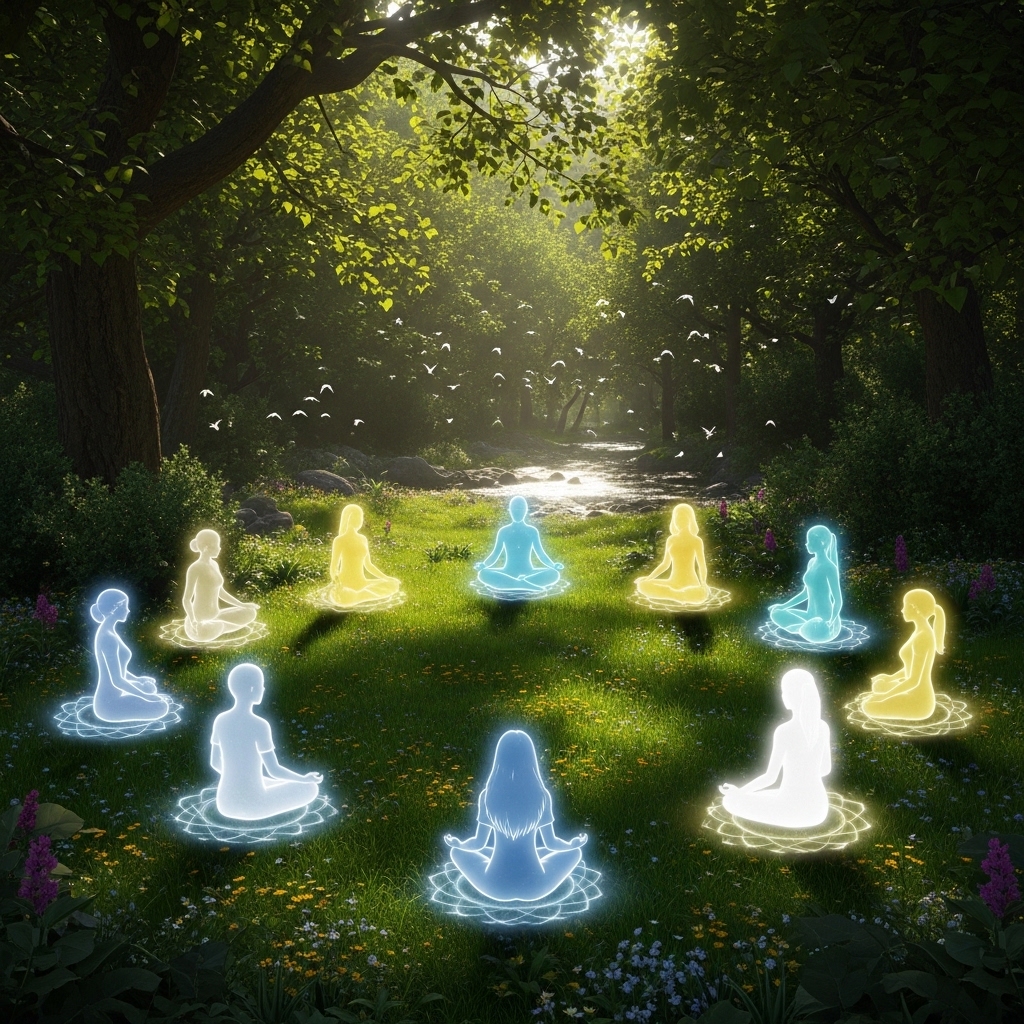
The Importance of Peace in Life
Peace isn’t just the absence of conflict; it’s a state of being that brings clarity and joy. I’ve found that achieving inner peace allows me to navigate life’s challenges with a calm and balanced mindset. When I feel peaceful, I’m more open to love, kindness, and understanding. It’s like a protective shield that helps me withstand the storms of life. In my experience, peace is fundamental to my overall well-being. When I prioritize it, everything else seems to fall into place.
Rule 1: Practice Mindfulness
SBAG_IMG_6981e99307295
What is Mindfulness?
Mindfulness is the practice of being fully present in the moment. It’s about paying attention to my thoughts, feelings, and surroundings without judgment. I remember the first time I truly engaged in mindfulness; it was during a quiet morning walk. Instead of rushing through my routine, I took the time to notice the vibrant colors of the flowers, the sound of birds chirping, and the feel of the breeze on my skin. This simple act transformed my experience from mundane to magical, highlighting the beauty that often goes unnoticed.
Benefits of Mindfulness for Peace
Engaging in mindfulness has profound benefits for achieving peace. I’ve noticed that when I’m mindful, I experience reduced stress and anxiety. It helps me detach from overwhelming thoughts and feelings, allowing me to respond to situations more calmly. Studies show that mindfulness can enhance emotional regulation and increase overall life satisfaction. Personally, I’ve found that even a few minutes of mindfulness practice can reset my day, offering me a clearer perspective on challenges.
Techniques to Practice Mindfulness
There are countless ways to incorporate mindfulness into daily life. Here are some techniques that have worked for me:
- Mindful Breathing: Focusing on my breath for just a few minutes can ground me. I close my eyes, take deep breaths, and concentrate on the air flowing in and out.
- Body Scan: This technique involves mentally scanning my body for tension. I start from my toes and move up, noticing any sensations and consciously relaxing each part.
- Mindful Eating: I try to savor each bite during meals. By paying attention to the flavors, textures, and smells, I find greater enjoyment in food and often eat more mindfully.
- Nature Walks: Spending time outdoors reconnects me with nature. I walk slowly, observing the sights and sounds around me, which enhances my sense of presence.
Rule 2: Embrace Gratitude
The Power of Gratitude
Gratitude is a transformative practice that shifts my focus from what I lack to what I have. I remember reading about the benefits of keeping a gratitude journal, and I decided to give it a try. Each evening, I jot down three things I’m thankful for. This simple act has helped me appreciate the small joys in life, like a warm cup of coffee in the morning or a kind word from a friend.
How Gratitude Enhances Peace
Practicing gratitude fosters a sense of contentment that directly contributes to inner peace. I’ve noticed that when I actively acknowledge my blessings, negative thoughts and worries diminish. It’s like a mental reset that allows me to approach challenges with a positive mindset. Research has shown that gratitude can lead to reduced stress and increased happiness, making it a powerful tool for cultivating peace.
Ways to Cultivate Gratitude
There are many ways to integrate gratitude into our lives:
- Gratitude Journal: As mentioned, keeping a journal can help me track my blessings regularly.
- Daily Affirmations: I often remind myself of my strengths and the positives in my life through affirmations.
- Expressing Thanks: I make it a point to thank those around me, whether it’s a friend or a colleague. It strengthens my connections and spreads positivity.
- Reflecting on Challenges: I try to find lessons in difficult situations. This has helped me shift my perspective and recognize growth opportunities.
Through these spiritual rules, I’ve learned that peace is not something to chase but something to cultivate within ourselves. Each rule offers a path towards a more tranquil existence, and by sharing my experiences, I hope to inspire others to explore their spiritual journeys as well. Additionally, I encourage you to discover more about profound insights in the article 15 Spiritual Truths That Will Change How You See Life.
Rule 3: Foster Forgiveness
Understanding Forgiveness
Forgiveness is a powerful act that has often been misunderstood. I used to think that forgiving someone meant I had to forget what they did or even condone their actions. However, I learned that forgiveness is more about freeing myself from the burden of resentment. It’s not about the other person; it’s a gift I give to myself. I remember a time when I held onto a grudge against a close friend. The anger weighed me down and affected my mood daily. Once I decided to forgive, I felt a tremendous weight lift off my shoulders. It was like stepping out of a shadow and into the light.
The Connection Between Forgiveness and Peace
Forgiveness plays a crucial role in achieving inner peace. I’ve noticed that when I hold onto anger or resentment, it creates a turbulent inner world. It’s exhausting! However, when I embrace forgiveness, I find clarity and calmness in my thoughts. Research supports this too; studies show that forgiving others can lead to lower levels of anxiety and depression. I realized that by letting go of grudges, I make space for love and joy in my life. It’s transformative, and I believe it’s essential for anyone seeking peace.
Steps to Forgive Yourself and Others
Forgiveness is a process, and it can take time. Here are some steps that have helped me on my journey:
- Acknowledge the Hurt: I start by recognizing the pain caused, whether it’s from someone else or myself. It’s important to validate those feelings instead of brushing them aside.
- Reflect on the Situation: I try to understand the context behind the actions. Often, I’ve found that people act out of their own pain or struggles, and this perspective shift can be enlightening.
- Make a Choice to Forgive: Forgiveness is an active choice. I remind myself that forgiving doesn’t mean I have to resume the relationship; it simply means I’m choosing to let go of the negative emotions.
- Communicate if Possible: If it feels safe and appropriate, I sometimes reach out to the person I’m forgiving. A simple conversation can pave the way for healing.
- Practice Self-Compassion: I’ve learned to forgive myself too. I acknowledge that I’m human and make mistakes. Embracing self-compassion has been vital in my journey.
Rule 4: Let Go of Control
The Illusion of Control
Letting go of control can be one of the hardest things to do. I’ve spent much of my life trying to control outcomes, whether in relationships, work, or personal goals. I thought if I just planned everything perfectly, I could ensure happiness. However, life’s unpredictability often reminded me that this was an illusion. I remember a time when I meticulously planned a family vacation. When things didn’t go as expected, I felt frustrated and anxious. It took me a while to realize that sometimes, embracing spontaneity leads to the best memories.
How Letting Go Promotes Peace
When I began to let go of control, I noticed a significant shift in my mindset. I felt lighter and more at ease. By accepting that I can’t control everything, I found greater freedom and peace within myself. This doesn’t mean I stop caring about outcomes; instead, I focus on my efforts and let go of the need for specific results. It’s liberating! I’ve read that practicing acceptance can lead to a more peaceful state of mind, and I wholeheartedly agree.
Techniques to Surrender Control
Letting go isn’t a one-time event; it’s a continuous practice. Here are some techniques that have helped me surrender control:
- Mindful Awareness: I check in with myself regularly to notice when I’m trying to control a situation. This self-awareness allows me to pause and reassess my approach.
- Practice Acceptance: I remind myself that it’s okay for things not to go as planned. I often say, “It is what it is,” to release my attachment to outcomes.
- Visualize Letting Go: I find visualization techniques helpful. I imagine releasing my worries like balloons floating away, leaving me with a sense of freedom.
- Focus on What I Can Control: I concentrate on my actions and reactions instead of external factors. This shift in focus empowers me and reduces anxiety.
Rule 5: Seek Inner Stillness
The Importance of Inner Calm
Finding inner stillness is like discovering a hidden treasure. I’ve come to realize that amidst the chaos of daily life, nurturing a sense of calm is essential for my overall well-being. Inner stillness allows me to step back from the noise and distractions that often cloud my mind. I remember a particularly stressful week when I felt overwhelmed by work and personal obligations. It was during that time that I decided to carve out just ten minutes each day for stillness. I turned off my phone, found a quiet corner in my home, and simply sat in silence. Those moments became a lifeline, reminding me that stillness offers clarity and peace that no external situation can provide.
Methods to Achieve Inner Stillness
Over time, I’ve explored various methods to cultivate inner stillness, and here are some that have resonated with me:
- Mindful Meditation: I dedicate time each day to meditate. This practice helps me center my thoughts and achieve a profound sense of calm. I focus on my breath, and if my mind wanders, I gently bring it back to the present.
- Nature Retreats: Escaping to nature has been a game-changer for me. Whether it’s a walk in the park or a weekend camping trip, being surrounded by natural beauty fosters a deep sense of tranquility.
- Journaling: Writing down my thoughts and feelings has provided me with a clearer perspective. I find that expressing myself on paper helps quiet my mind and allows me to process emotions more effectively.
- Sound Therapy: I’ve experimented with sound meditation, using calming music or nature sounds to guide me into a state of stillness. The gentle rhythms often wash over me, creating a peaceful atmosphere.
Benefits of Inner Stillness for Peace
Embracing inner stillness has brought numerous benefits to my life. I’ve noticed that when I cultivate calmness, my ability to handle stress improves significantly. I feel more focused and grounded, which translates to better decision-making. Furthermore, this peace spills over into my relationships; I’m more patient and understanding with others. Research suggests that individuals who practice stillness regularly often experience lower levels of anxiety and improved emotional well-being. Personally, I’ve found that these moments of peace create a ripple effect, enhancing not only my mood but also my interactions with the world around me.
Rule 6: Nurture Compassion
Defining Compassion
Compassion is one of the most beautiful qualities a person can embody. For me, it’s the ability to empathize with others and recognize their struggles while also extending kindness to myself. I remember a time when I witnessed a friend going through a tough period. Rather than simply offering advice, I chose to listen and be present. That experience taught me that sometimes, our shared humanity is all we need to bridge gaps and foster connection.
Compassion’s Role in a Peaceful Life
Nurturing compassion has a profound impact on my sense of peace. I’ve discovered that when I focus on understanding and supporting others, my own worries tend to dissolve. It’s like a natural balm for the soul. Studies have shown that practicing compassion can lead to increased feelings of happiness and reduced levels of stress. When I approach situations with compassion, I find that my heart feels lighter, and I’m more at ease within myself.
Ways to Cultivate Compassion
There are many ways to nurture compassion in our everyday lives:
- Active Listening: I make a conscious effort to listen to others without interrupting or judging. This practice fosters understanding and strengthens my relationships.
- Acts of Kindness: Simple gestures, like holding the door open or offering a compliment, can create a ripple effect of kindness. I’ve noticed that performing these acts not only uplifts others but also boosts my own mood.
- Self-Compassion: I’ve learned that being kind to myself is just as important as being compassionate to others. When I make mistakes, I try to treat myself with the same kindness I would offer a friend.
- Volunteer Work: Engaging in community service has opened my eyes to the struggles of others. Giving back not only helps those in need but also deepens my sense of connection and compassion.
Frequently Asked Questions
What is spirituality according to the article?
Spirituality is described as a deeply personal journey that transcends religious boundaries, focusing on finding meaning, purpose, and connection to something greater than oneself. It encompasses beliefs, values, and experiences and can manifest in various forms such as meditation, nature walks, or moments of reflection.
How is peace defined in the context of the article?
Peace is defined not just as the absence of conflict, but as a state of being that brings clarity and joy. Achieving inner peace allows individuals to navigate life’s challenges with a calm and balanced mindset, contributing significantly to overall well-being.
What is mindfulness?
Mindfulness is the practice of being fully present in the moment, paying attention to thoughts, feelings, and surroundings without judgment. It transforms ordinary experiences into meaningful ones by enhancing awareness of the present.
What are some benefits of practicing mindfulness?
Practicing mindfulness can lead to reduced stress and anxiety, enhanced emotional regulation, and increased overall life satisfaction. It helps individuals respond to situations more calmly and offers a clearer perspective on challenges.
How can gratitude enhance inner peace?
Practicing gratitude shifts focus from what one lacks to what one has, leading to a sense of contentment that contributes to inner peace. Acknowledging blessings helps diminish negative thoughts and worries, promoting a positive mindset.
What steps can one take to foster forgiveness?
Steps to foster forgiveness include acknowledging the hurt, reflecting on the situation, making a choice to forgive, communicating if possible, and practicing self-compassion. These steps help in letting go of resentment and finding peace.
What does letting go of control entail?
Letting go of control involves accepting that one cannot control everything in life. It encourages individuals to focus on their efforts rather than specific outcomes, leading to a more peaceful state of mind.
What methods can be used to achieve inner stillness?
Methods to achieve inner stillness include mindful meditation, nature retreats, journaling, and sound therapy. These practices help cultivate a sense of calm that enhances overall well-being.
How does nurturing compassion contribute to a peaceful life?
Nurturing compassion leads to increased empathy and understanding of others’ struggles while also extending kindness to oneself. This focus on compassion helps dissolve personal worries and promotes a sense of peace.
What are some ways to cultivate compassion in daily life?
Ways to cultivate compassion include active listening, performing acts of kindness, practicing self-compassion, and engaging in volunteer work. These actions foster connection and enhance overall emotional well-being.